
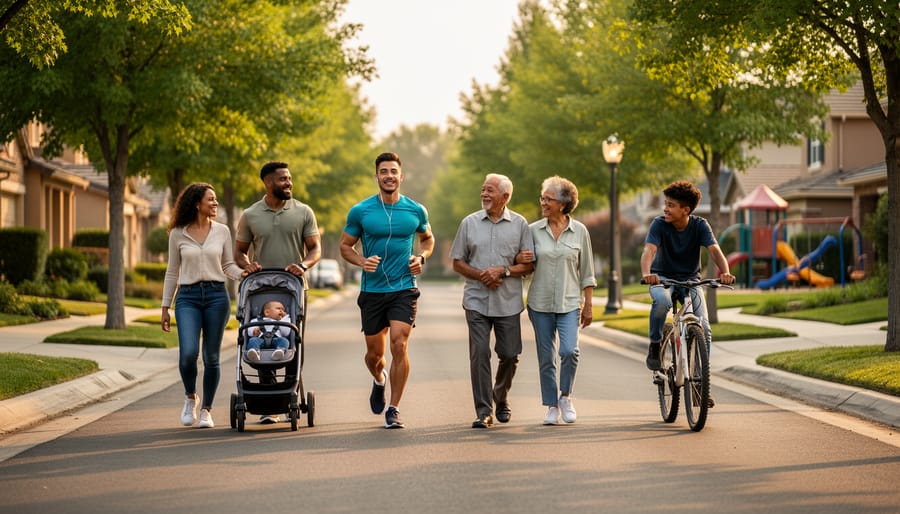
Community safety shapes your health in ways you experience every day—from the stress you feel walking home after dark to the air quality in your neighborhood and the social connections that protect your mental wellbeing. When communities prioritize safety, residents report lower rates of chronic disease, better sleep quality, and stronger psychological resilience. The evidence is clear: environments where people feel secure enable healthier lifestyle choices, encourage outdoor physical activity, and foster the supportive relationships that prevent isolation and depression.
Your physical environment directly influences your health outcomes. Communities with well-lit streets, maintained sidewalks, and accessible green spaces see residents who are 40% more likely to meet recommended activity levels. Conversely, neighborhoods with visible disorder, limited resources, or high crime rates contribute to elevated cortisol levels, disrupted sleep patterns, and increased cardiovascular risk. The connection between where you live and how well you live cannot be overstated.
The encouraging reality is that community safety is not solely the responsibility of authorities—individual actions create meaningful change. Whether you’re organizing a neighborhood watch, advocating for better street lighting, or simply checking in on elderly neighbors, your involvement strengthens the collective fabric that protects everyone’s health. This guide provides practical, evidence-based strategies to assess safety concerns in your area, collaborate with others effectively, and implement changes that benefit both your wellbeing and your community’s long-term vitality.
The Health Impact of Community Safety
Physical Health Consequences
Living in an unsafe community can take a significant toll on your physical health, often in ways you might not immediately recognize. When you don’t feel safe in your neighbourhood, you’re less likely to go for walks, visit local parks, or participate in outdoor activities. This reduction in physical activity increases your risk of developing chronic conditions like heart disease, diabetes, and obesity.
The connection between safety and health goes even deeper. When you feel unsafe, your body releases stress hormones like cortisol and adrenaline. While these hormones are helpful in short bursts, chronic exposure can lead to serious cardiovascular problems including high blood pressure, irregular heartbeat, and increased inflammation throughout your body. Research shows that people living in communities with higher crime rates often experience elevated stress hormone levels comparable to those with chronic anxiety disorders.
Sleep quality also suffers in unsafe environments. If you’re constantly worried about break-ins or neighbourhood violence, your body remains in a heightened state of alert, making it difficult to fall asleep or stay asleep through the night. Poor sleep weakens your immune system, affects your ability to maintain a healthy weight, and increases your risk of developing chronic health conditions.
The good news is that improving community safety can reverse many of these effects. Even small changes, like better street lighting or organized neighbourhood watch programs, can help you feel more secure and encourage healthier lifestyle choices. Understanding these connections empowers you to advocate for safer spaces that support your overall wellbeing.
Mental Health and Wellbeing
Living in an unsafe community takes a significant toll on mental health and overall wellbeing. When people feel threatened in their neighborhoods, they experience chronic stress that can lead to serious psychological conditions. Research shows that exposure to community violence, whether directly or as a witness, increases the risk of anxiety disorders, depression, and post-traumatic stress disorder (PTSD).
The constant worry about personal safety triggers the body’s stress response repeatedly, leading to elevated cortisol levels and disrupted sleep patterns. This ongoing state of hypervigilance can make it difficult to relax, even in your own home. Children growing up in unsafe environments are particularly vulnerable, often developing behavioral problems and struggling with concentration at school.
Quality of life suffers when safety concerns limit daily activities. People may avoid walking in their neighborhoods, using public transit, or letting children play outside. This isolation reduces social connections and limits access to outdoor activities, both essential for mental wellness. The resulting sedentary lifestyle can contribute to physical health problems as well.
If you’re experiencing mental health challenges related to community safety concerns, reaching out for support is important. Speaking with a mental health professional can provide coping strategies and help process traumatic experiences. Building connections with trusted neighbors and participating in community safety initiatives can also reduce feelings of isolation and helplessness, empowering you to take positive action while supporting your mental health recovery.
What Makes a Community Safe
Strong Social Connections
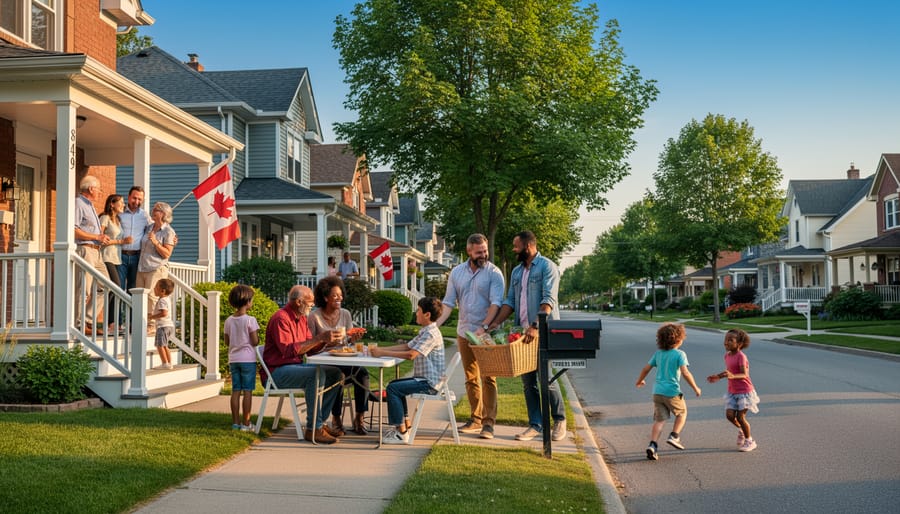
When neighbours know and trust each other, communities become safer for everyone. Research consistently shows that strong social connections within neighbourhoods act as a powerful deterrent to crime and violence. People who feel connected to their community are more likely to watch out for one another, report suspicious activity, and intervene when they see someone in need.
Social cohesion creates what experts call “collective efficacy,” where residents work together toward common safety goals. This might look like organizing neighbourhood watch programs, keeping an eye on elderly neighbours, or simply greeting people on the street. These everyday interactions build trust and create an environment where harmful behaviours are less likely to occur.
Communities with high social trust also experience better mental health outcomes, as residents feel secure and supported. Children benefit particularly from cohesive neighbourhoods, with lower rates of bullying and better developmental outcomes. By investing time in building relationships with your neighbours, attending local events, and participating in community activities, you contribute directly to creating a safer, healthier environment for yourself and those around you.
Access to Resources and Services
Access to essential community resources plays a vital role in creating safe, healthy environments where Canadians can thrive. When neighbourhoods provide accessible healthcare facilities, residents can address health concerns early, preventing conditions from escalating into emergencies. Regular access to primary care physicians, walk-in clinics, and preventive health screenings helps identify risks before they become serious problems.
Mental health services are equally important for community safety. Communities with robust mental health support, including counselling centres, crisis intervention programs, and peer support groups, help residents manage stress, anxiety, and depression effectively. This support reduces the likelihood of crisis situations and promotes overall wellbeing.
Recreation facilities contribute significantly to safety by providing supervised spaces for physical activity and social connection. Community centres, parks, and sports facilities encourage healthy lifestyles while reducing isolation and fostering positive relationships among neighbours.
Employment opportunities strengthen community safety by reducing financial stress and providing stability. When residents have access to meaningful work and living wages, they experience better mental health, reduced chronic disease risk, and increased capacity to invest in their families and neighbourhoods. Communities that support job training programs, affordable childcare, and accessible transportation create pathways to employment that benefit everyone’s health and safety.
Safe Physical Environments
Well-designed physical environments play a crucial role in preventing violence and promoting community wellbeing. Research consistently shows that well-lit streets significantly reduce opportunities for crime and help people feel safer when walking in their neighborhoods, encouraging more physical activity and social connection. When public spaces are properly maintained—with trimmed vegetation, repaired infrastructure, and regular upkeep—they signal community care and discourage criminal activity.
Thoughtful urban design creates natural surveillance through strategic placement of windows, pathways, and gathering spaces where people can see and be seen. This approach, known as Crime Prevention Through Environmental Design, incorporates features like clear sightlines, accessible emergency call boxes, and mixed-use developments that keep areas active throughout the day. Parks with adequate lighting, maintained walking paths, and designated activity zones encourage families to spend time outdoors safely. Canadian municipalities increasingly recognize that investing in quality infrastructure isn’t just about aesthetics—it’s a practical violence prevention strategy that supports mental health, reduces fear, and strengthens the social fabric that keeps communities safe and thriving.

Your Role in Building a Safer Community
Connect With Your Neighbours
Building meaningful connections with your neighbours creates a foundation for community safety that benefits everyone’s wellbeing. Start small by introducing yourself to people living nearby. A simple wave, friendly greeting, or brief conversation when checking the mail can open doors to stronger relationships.
Consider organizing or joining casual neighbourhood gatherings like block parties, community clean-ups, or seasonal celebrations. These events naturally bring people together and help everyone recognize familiar faces. When neighbours know each other, they’re more likely to notice unusual activity and look out for one another.
Create a neighbourhood communication group through text messaging or social media where residents can share updates, safety concerns, and helpful information. This informal network doesn’t require formal organization but provides peace of mind knowing someone’s watching when you’re away.
Exchange contact information with immediate neighbours and discuss simple arrangements like collecting packages, monitoring homes during vacations, or checking in during severe weather. These practical agreements strengthen trust while enhancing security.
Walk your dog or exercise outdoors regularly at consistent times. This predictable presence increases natural surveillance and creates opportunities for spontaneous conversations with other residents. Remember, connected communities where people genuinely care about each other experience less crime and better mental health outcomes for everyone involved.
Support Mental Health Awareness
Mental health is a vital part of community safety and overall wellbeing. By working together to reduce stigma, we create environments where people feel comfortable seeking help when they need it.
Start conversations about mental health in everyday settings. When we talk openly about stress, anxiety, and emotional challenges, we normalize these experiences and make it easier for others to share their struggles. Use person-first language that respects dignity, such as “a person experiencing depression” rather than labeling someone by their condition.
Learn to recognize warning signs that someone may need support. These include significant changes in behaviour, withdrawal from social activities, declining self-care, sudden mood shifts, or expressions of hopelessness. Trust your instincts—if you’re concerned about someone, reach out with compassion and without judgment.
Familiarize yourself with available community resources so you can connect people to appropriate help. Keep contact information for local crisis lines, mental health services, and support groups readily available. In Canada, resources like Talk Suicide Canada (1-833-456-4566) and the Wellness Together Canada portal provide immediate support.
Small actions matter. Checking in on neighbours, offering to listen without trying to fix problems, and creating inclusive community spaces all contribute to mental health awareness and safer, more supportive communities for everyone.
Get Involved in Community Programs
Getting actively involved in community programs is one of the most effective ways to strengthen safety while boosting your own wellbeing. Research shows that communities with high volunteer participation experience lower crime rates and better overall health outcomes for residents.
Consider volunteering with neighborhood watch programs, community gardens, or local sports leagues. These activities create natural surveillance in public spaces and foster the social connections that research links to reduced stress and improved mental health. Many Canadian communities offer free training for volunteers interested in emergency preparedness or youth mentorship programs.
Participating in recreational activities like walking groups, community fitness classes, or outdoor cleanup events serves a dual purpose. You’ll increase your physical activity levels while making your neighborhood more inviting and safe for everyone. Studies indicate that well-maintained, active public spaces deter problematic behavior and encourage families to spend time outdoors.
Supporting youth programs deserves special attention. Engaging young people through after-school activities, sports teams, and skill-building workshops provides positive alternatives and reduces risk-taking behaviors. Whether you can donate time, resources, or expertise, your contribution helps create the supervised, supportive environments where young Canadians thrive. Contact your local recreation center or public health unit to discover opportunities that match your interests and schedule.
Advocate for Better Infrastructure
Your voice matters when it comes to community safety improvements. Start by attending local council meetings or town halls to understand current safety initiatives and share your concerns about walkability, lighting, or traffic calming measures. Many Canadian municipalities have online portals where you can submit requests for infrastructure improvements like crosswalk installations or sidewalk repairs.
Connect with your city councillor or local representative to discuss specific safety needs in your neighbourhood. Present evidence-based concerns, such as accident data or pedestrian traffic patterns, to strengthen your case. Join or form neighbourhood associations that advocate collectively for safety enhancements—there’s power in numbers.
Consider participating in community safety audits, where residents walk through areas identifying hazards and accessibility barriers. These grassroots efforts often lead to meaningful changes like improved street lighting or bike lane additions. Remember, creating safer communities is a collaborative process, and your engagement helps build environments that support everyone’s physical and mental wellbeing.
Violence Prevention Strategies That Work
Early Intervention Programs
Preventing violence through early intervention creates safer communities while protecting long-term health outcomes for children and families. Research shows that youth who participate in structured mentorship programs experience reduced stress, improved mental health, and lower rates of involvement in violence compared to those without support.
School-based prevention programs play a vital role in identifying at-risk youth and providing essential resources before problems escalate. These initiatives teach conflict resolution skills, emotional regulation, and healthy relationship building. Canadian schools implementing comprehensive prevention curricula report fewer incidents of bullying and improved student wellbeing. When young people learn positive coping strategies early, they’re better equipped to manage challenges without resorting to violence.
Youth mentorship connects young people with positive role models who provide guidance, support, and practical life skills. Whether through community organizations, sports programs, or after-school activities, these relationships help build resilience and self-esteem. Mentors can significantly influence a young person’s trajectory by offering stability and encouragement during formative years.
Family support initiatives recognize that strong, healthy families form the foundation of community safety. Programs offering parenting education, mental health resources, and crisis intervention help families navigate difficulties before they lead to harmful situations. Access to affordable childcare, counselling services, and community support networks reduces family stress and creates protective factors against violence.
Getting involved is straightforward. Consider volunteering with local youth organizations, supporting school programs, or connecting families to community resources. Early intervention isn’t just about preventing violence—it’s an investment in healthier, more connected communities where everyone can thrive.

Community-Led Initiatives
Across Canada, communities are taking proactive steps to enhance safety through collaborative, grassroots approaches that strengthen social connections and reduce crime. These initiatives demonstrate how residents working together can create healthier, more secure neighborhoods.
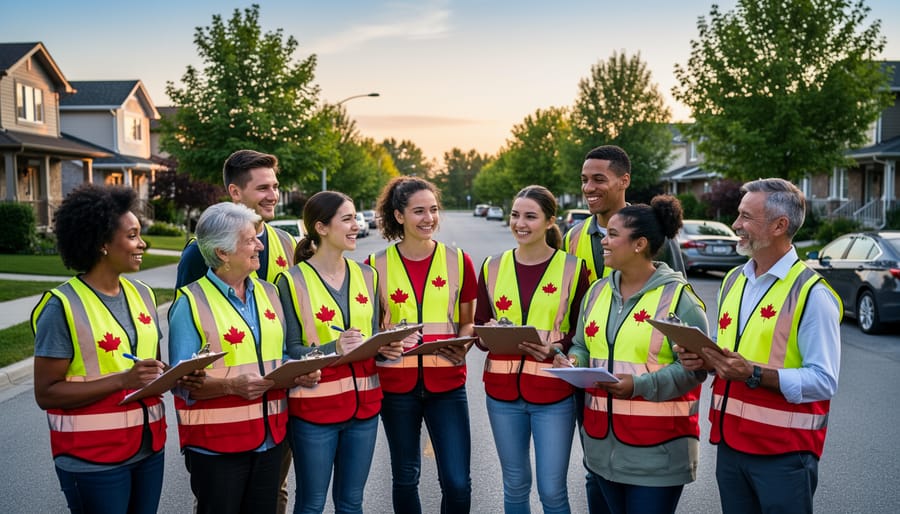
In Edmonton, the Bear Clan Patrol has gained recognition for its Indigenous-led neighborhood patrols that combine safety monitoring with community support. Volunteers walk through high-risk areas, offering assistance to vulnerable individuals, removing hazardous items like discarded needles, and building relationships with residents. This model has inspired similar programs in Winnipeg and other cities, showing how community presence can deter crime while fostering belonging and mutual care.
Toronto’s Community Justice Program exemplifies successful restorative justice practices, bringing together people who have caused harm with those affected by it. Through facilitated dialogue, participants work toward meaningful accountability and healing rather than punishment alone. Research indicates these programs reduce reoffending rates while helping victims find closure, demonstrating their effectiveness in breaking cycles of harm.
Community mediation services, like those offered through Vancouver’s Mediators Without Borders, help neighbors resolve conflicts before they escalate. These trained volunteers address disputes about noise, property boundaries, and shared spaces through respectful conversation, preventing situations that might otherwise compromise safety and wellbeing.
Many of these community-led safety initiatives connect with broader community wellness programs that address the social determinants of health. When communities invest in prevention through connection and dialogue, everyone benefits from reduced stress, improved mental health, and stronger neighborhood bonds that naturally enhance security for all residents.
Resources for Canadians
Whether you’re experiencing safety concerns, witnessing violence, or looking to support community safety initiatives, help is available across Canada. These expert-validated resources provide immediate support and long-term solutions.
If you or someone you know is experiencing violence or immediate danger, call 911. For mental health crises, the Canada Suicide Prevention Service offers 24/7 support at 1-833-456-4566 or by text at 45645. The Crisis Services Canada website also provides live chat support.
For those experiencing domestic violence, the Canadian Domestic Homicide Prevention Initiative offers resources and safety planning tools. VictimLinkBC (1-800-563-0808) provides confidential, multilingual support for anyone affected by crime or trauma, available 24/7 in over 110 languages.
Kids Help Phone (1-800-668-6868) supports young people through phone, text, and online chat, addressing everything from bullying to mental health concerns. Talk 4 Healing (1-855-554-4325) offers culturally-safe support specifically for Indigenous women across Canada.
To get involved in community safety efforts, contact your local community policing centre or neighbourhood watch program. Many municipalities offer Community Safety and Well-being Planning initiatives that welcome resident participation. The Canadian Red Cross provides training in psychological first aid and violence prevention, equipping Canadians with skills to support their communities.
Local public health units often coordinate safety programs, mental health services, and violence prevention workshops. Connect with organizations like the YWCA or community centres in your area to learn about volunteer opportunities focused on creating safer, healthier neighbourhoods for everyone.
Community safety isn’t something that happens by chance or falls solely to emergency services and government agencies. It’s a shared responsibility that each of us carries, and it’s deeply connected to our personal and public health. When we feel safe in our neighborhoods, we’re more likely to be physically active, socially connected, and mentally well. These connections create a positive cycle that benefits everyone around us.
The good news is that contributing to community safety doesn’t require grand gestures or special expertise. Small, thoughtful actions make a real difference. Whether it’s checking in on an elderly neighbor, participating in a local safety initiative, or simply being aware of your surroundings while supporting others who may need help, every action counts.
Research consistently shows that communities where residents actively engage with one another experience lower rates of crime, better mental health outcomes, and stronger social bonds. These aren’t just statistics; they represent real people living healthier, more connected lives.
Today, we encourage you to take just one concrete step toward enhancing safety in your community. Perhaps you’ll introduce yourself to a neighbor you haven’t met, join a community watch program, or share safety resources with your social network. You might choose to improve lighting around your home, attend a local safety meeting, or volunteer with an organization that supports vulnerable community members.
Remember, building a safer community is an ongoing journey, not a destination. Your contribution matters, and the ripple effects of your actions extend far beyond what you might imagine. Start small, stay consistent, and know that you’re making a meaningful difference in the health and wellbeing of those around you.