

Identify trigger foods by keeping a detailed food diary for at least two weeks, noting what you eat and any symptoms that follow within 24 hours. This self-monitoring helps you recognize patterns between specific foods and flare-ups, allowing you to create a personalized eating plan that minimizes inflammation and discomfort.
Work with a registered dietitian who specializes in inflammatory bowel disease to develop an individualized nutrition plan. They can assess your nutritional deficiencies—common in Crohn’s disease due to malabsorption—and recommend appropriate supplements while ensuring you meet your caloric and protein needs during both active flare-ups and remission periods.
Adopt a phased eating approach based on your disease activity. During flare-ups, focus on low-residue, easily digestible foods like white rice, cooked vegetables without skins, and lean proteins. As symptoms improve, gradually reintroduce fiber-rich foods while monitoring your tolerance. This strategic approach, combined with functional medicine approaches, addresses root causes rather than just managing symptoms.
Consider evidence-based dietary protocols such as the Specific Carbohydrate Diet or Mediterranean diet modifications, which research shows may reduce inflammation and extend remission periods. These nutritional interventions in chronic disease management require commitment but offer significant potential for symptom control.
Prepare meals using gentle cooking methods like steaming, baking, or slow-cooking, which break down food fibers and make nutrients more accessible. Avoid high-fat fried foods, excessive dairy, and raw vegetables during sensitive periods, as these can aggravate your digestive system and trigger uncomfortable symptoms.
Understanding How Crohn’s Disease Affects Your Nutrition
Common Nutritional Deficiencies in Crohn’s Disease
People living with Crohn’s disease commonly experience nutritional deficiencies due to inflammation in the digestive tract, reduced nutrient absorption, and dietary restrictions. Understanding these deficiencies can help you work with your healthcare team to maintain optimal health.
Iron deficiency is particularly common, affecting up to 70% of people with Crohn’s disease. Chronic inflammation and intestinal bleeding reduce iron stores, leading to anemia that causes fatigue, weakness, and difficulty concentrating. Your body needs iron to produce healthy red blood cells that carry oxygen throughout your system.
Vitamin B12 deficiency occurs when inflammation damages the end of the small intestine where this vitamin is absorbed. This can result in fatigue, numbness or tingling in hands and feet, and memory problems. Regular monitoring is important since deficiency develops gradually over time.
Vitamin D and calcium often become depleted together, especially if you need to limit dairy products. These nutrients are essential for bone health, and deficiency increases your risk of osteoporosis. Vitamin D also plays a crucial role in immune function and reducing inflammation.
Zinc deficiency can develop due to poor absorption and increased losses through diarrhea. Low zinc levels may slow wound healing, weaken immune function, and cause skin problems or hair loss.
Your healthcare provider can identify deficiencies through blood tests and recommend appropriate supplementation. Regular monitoring ensures you maintain healthy nutrient levels despite the challenges of Crohn’s disease, supporting your overall wellbeing and helping you feel your best.
How Inflammation Changes Your Nutritional Needs
When you’re experiencing a Crohn’s flare-up, your body is working overtime to fight inflammation, which significantly increases your energy and nutrient requirements. During active inflammation, your caloric needs can rise by 20-30% above normal levels, while protein requirements may increase to 1.2-1.5 grams per kilogram of body weight daily. This happens because your immune system demands extra fuel, and inflammation can interfere with how efficiently your body absorbs nutrients from food.
Understanding that your nutritional needs aren’t static is essential for managing Crohn’s effectively. During remission periods, your requirements may return closer to normal levels, though maintaining adequate nutrition remains important for preventing future flares. Many people with Crohn’s also experience unintended weight loss during flare-ups due to reduced appetite, diarrhea, and malabsorption, making it crucial to prioritize nutrient-dense foods when you can tolerate them.
Working with a registered dietitian who understands inflammatory bowel disease can help you adjust your eating plan as your condition changes. They can provide personalized guidance on meeting your increased needs during flares while identifying well-tolerated foods that support healing and maintain your strength throughout all phases of the disease.
Evidence-Based Dietary Approaches for Crohn’s Disease
The Low-FODMAP Diet for Symptom Management
FODMAPs are short-chain carbohydrates that some people struggle to digest properly. The acronym stands for Fermentable Oligosaccharides, Disaccharides, Monosaccharides, and Polyols. When these compounds aren’t fully absorbed in the small intestine, they travel to the colon where gut bacteria ferment them, producing gas and drawing water into the digestive tract. For people with Crohn’s disease, this process can trigger uncomfortable symptoms like bloating, cramping, diarrhea, and abdominal pain.
Research suggests that approximately 50-70% of people with inflammatory bowel disease experience symptom relief when following a low-FODMAP diet. This approach doesn’t treat the underlying inflammation, but it can significantly improve your day-to-day comfort and quality of life.
The low-FODMAP diet follows a structured three-phase process. First, you’ll eliminate high-FODMAP foods for 2-6 weeks to allow symptoms to settle. Next, you’ll systematically reintroduce FODMAP groups one at a time to identify your specific triggers. Finally, you’ll personalize your long-term diet based on what you’ve learned about your tolerance levels.
High-FODMAP foods to temporarily avoid include wheat-based products, onions, garlic, apples, pears, milk, yogurt, beans, and artificial sweeteners. Low-FODMAP alternatives include gluten-free oats, carrots, cucumbers, strawberries, oranges, lactose-free dairy, firm tofu, and maple syrup.
Working with a registered dietitian experienced in both Crohn’s disease and FODMAPs is highly recommended. They’ll ensure you maintain proper nutrition while navigating this elimination process and help you interpret your reintroduction results accurately.
Specific Carbohydrate Diet (SCD)
The Specific Carbohydrate Diet (SCD) is a structured eating plan designed to reduce intestinal inflammation by eliminating complex carbohydrates that may be difficult to digest. Developed originally for celiac disease, this approach has gained attention as a potential therapy for Crohn’s disease and other inflammatory bowel conditions.
The diet operates on the principle that certain carbohydrates can feed harmful gut bacteria, leading to inflammation and digestive symptoms. By removing these foods, SCD aims to restore balance to the intestinal environment and promote healing.
Under SCD guidelines, allowed foods include most fresh fruits and vegetables, unprocessed meats, eggs, certain cheeses, nuts, and honey. The diet restricts all grains, processed sugars, starchy vegetables like potatoes, most dairy products except aged cheese and homemade yogurt fermented for 24 hours, and any foods containing additives or preservatives.
Current research shows promising but limited evidence for SCD in managing Crohn’s disease. Some studies have found that patients following SCD experienced reduced symptoms and inflammation markers, while achieving clinical remission in certain cases. However, most research involves small sample sizes, and larger clinical trials are needed to confirm these benefits.
Before starting SCD, consult with your healthcare team and a registered dietitian to ensure nutritional adequacy and proper implementation tailored to your specific needs.
Mediterranean-Style Anti-Inflammatory Eating
The Mediterranean diet offers a naturally anti-inflammatory approach that can benefit many people with Crohn’s disease, though personalization remains essential. This eating pattern emphasizes foods that help reduce inflammation in the digestive tract while providing essential nutrients.
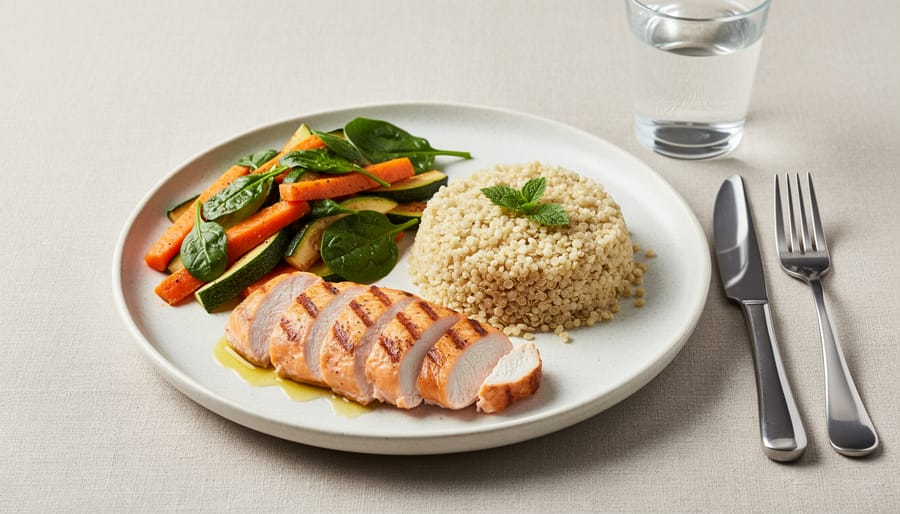
Core components include olive oil as the primary fat source, which contains oleocanthal—a compound with anti-inflammatory properties similar to ibuprofen. Fatty fish like salmon, mackerel, and sardines provide omega-3 fatty acids that help calm intestinal inflammation. Cooked vegetables such as zucchini, carrots, and squash offer antioxidants without the irritation that raw vegetables might cause during flares.
When adapting this diet for Crohn’s, focus on well-cooked foods and remove skins and seeds from vegetables and fruits when needed. Choose white fish over greasier options if fat tolerance is limited. Incorporate herbs like turmeric, ginger, and oregano, which have natural anti-inflammatory benefits and add flavor without irritation.
Start with small portions of new foods to assess your individual tolerance. Keep a food diary to identify which Mediterranean staples work best for you. Some people tolerate nuts and legumes well when soaked and thoroughly cooked, while others may need to avoid them during active disease.
This flexible approach allows you to enjoy the proven benefits of Mediterranean eating while respecting your body’s unique needs and current disease activity.
Exclusive Enteral Nutrition (EEN)
Exclusive Enteral Nutrition (EEN) is a liquid-formula based therapy that has shown remarkable success in managing Crohn’s disease, particularly in children and adolescents. This approach involves replacing all regular food with a nutritionally complete liquid formula for a period of 6 to 8 weeks, giving the digestive system a chance to heal while still providing essential nutrients.
EEN works by reducing inflammation in the gut through several mechanisms. The liquid formula is easily absorbed, requires minimal digestive effort, and eliminates potential dietary triggers that may worsen symptoms. It also helps modify the gut bacteria composition and allows the intestinal lining to repair itself.
This therapy is especially recommended for pediatric patients because it can induce remission without the potential side effects of corticosteroids, such as slowed growth and bone density issues. Studies show that EEN achieves remission rates of 60-80% in children with active Crohn’s disease.
While transitioning to an all-liquid diet can be challenging, many families find success with gradual introduction and flavor variety. Healthcare teams, including registered dietitians, provide essential support throughout the process. After the initial EEN period, solid foods are slowly reintroduced while monitoring symptoms carefully to identify any problematic foods.
Foods to Embrace and Foods to Limit During Different Disease Phases
Gentle Foods During Active Flare-Ups
When Crohn’s disease flares up, your digestive system needs a break. Choosing gentle, low-residue foods can help reduce symptoms and give your gut time to heal.
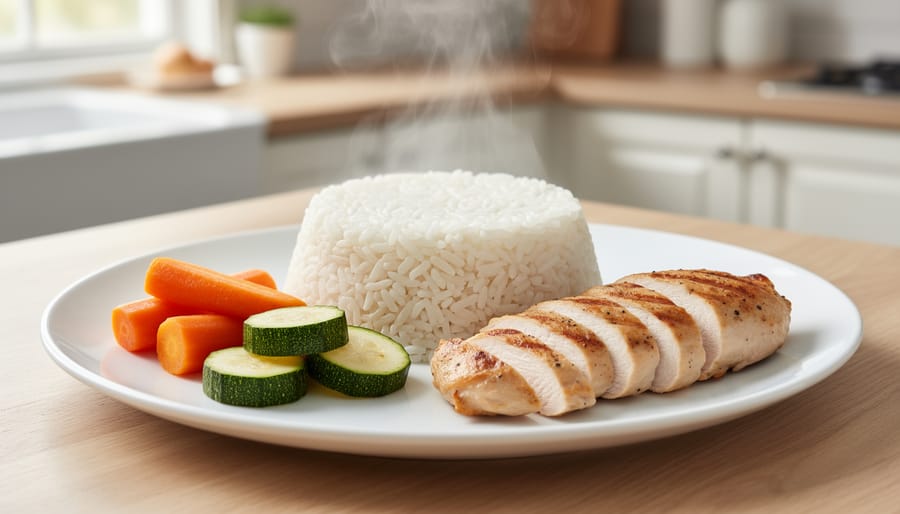
Well-cooked or canned vegetables without skins or seeds are easier to digest than raw options. Try peeled carrots, squash, or green beans cooked until soft. White rice, refined pasta, and white bread are better tolerated than whole grains during active inflammation. Lean proteins like baked chicken, poached fish, or scrambled eggs provide essential nutrients without stressing your system.
Ripe bananas, canned peaches, and applesauce offer gentle nutrition and natural sweetness. Smooth nut butters can work if you tolerate them, but avoid chunky varieties. Low-fat dairy products like yogurt may be helpful for some people, though others find dairy-free alternatives more comfortable.
Cooking methods matter significantly. Steaming, baking, and poaching preserve nutrients while making foods easier to break down. Avoid frying, which adds hard-to-digest fats. Blending soups and smoothies further reduces digestive work. Remove skins, seeds, and tough fibres before cooking.
Remember that tolerance varies between individuals. Keep a food diary to identify your personal triggers and safe foods. During severe flares, working with a registered dietitian ensures you’re meeting nutritional needs while managing symptoms effectively.
Rebuilding Your Diet During Remission
When your Crohn’s disease is in remission, you have an important opportunity to rebuild your nutritional foundation and prevent deficiencies. This process requires patience and careful attention to how your body responds.
Start by gradually reintroducing foods one at a time, waiting two to three days between new additions. This systematic approach helps you identify any triggers before they become problematic. Begin with well-cooked vegetables, peeled fruits, and refined grains before moving to higher-fiber options.
As tolerance improves, slowly increase fiber intake by adding small portions of whole grains, nuts, and raw vegetables. Keep a food diary to track symptoms like cramping, bloating, or changes in bowel movements. If a food causes discomfort, remove it temporarily and try again in a few weeks.
Focus on expanding nutritional diversity to address common deficiencies in Crohn’s disease, including iron, vitamin B12, vitamin D, calcium, and zinc. Include lean proteins, fatty fish rich in omega-3s, and fortified foods in your diet. Consider working with a registered dietitian who specializes in inflammatory bowel disease to develop a personalized reintroduction plan.
Remember that everyone’s tolerance is different. What works for another person with Crohn’s may not work for you. Take your time rebuilding variety, and celebrate each successful addition as progress toward better long-term nutrition and overall wellness.
Common Trigger Foods to Monitor
While everyone’s experience with Crohn’s disease is unique, certain foods are commonly reported as triggers. High-fiber raw vegetables like broccoli, cabbage, and cauliflower can be difficult to digest during flare-ups, though cooked versions may be better tolerated. Many people with Crohn’s experience sensitivity to dairy products due to lactose intolerance, which often develops alongside the condition. Spicy foods, alcohol, and caffeine are frequent culprits that can irritate the digestive tract and worsen symptoms.
However, it’s important to understand that what bothers one person may be perfectly fine for another. Rather than eliminating entire food groups based on general lists, keeping a detailed food journal is your most valuable tool. Track what you eat, when you eat it, and any symptoms that follow. This personal record helps you identify your specific triggers and work with your healthcare team to develop a nutrition plan tailored to your needs.
Remember, the goal isn’t to restrict your diet unnecessarily but to discover which foods support your wellbeing while avoiding those that don’t.
Practical Nutrition Strategies for Daily Life
Meal Planning and Preparation Tips
Managing Crohn’s disease becomes easier when you have a well-organized kitchen and meal planning strategy. Batch cooking during symptom-free periods allows you to prepare larger quantities of well-tolerated foods like plain chicken, white rice, and cooked carrots, then freeze individual portions for quick reheating during flare-ups.
Stock your pantry with safe staples that align with your individual tolerances. Consider keeping white pasta, canned tuna in water, smooth nut butters (if tolerated), white bread, applesauce, bananas, and low-fiber crackers readily available. These items typically cause fewer digestive issues and provide quick meal solutions.
Proper food storage is essential for maintaining food safety, especially important when your immune system may be compromised by medications. Label and date all prepared foods, store them in airtight containers, and follow the two-hour rule for refrigerating leftovers. Keep a food and symptom journal to track which meals work best for you during different phases of your condition.
Prepare simple, bland meals during flare-ups and gradually introduce variety during remission. Having pre-portioned, freezer-ready meals reduces stress and ensures you always have nutritious options available, even when you’re not feeling well enough to cook.
Eating Out and Social Situations
Navigating restaurants and social events with Crohn’s disease requires planning but doesn’t mean missing out on meaningful experiences. Before dining out, review menus online to identify safe options and don’t hesitate to call ahead with questions about ingredients or preparation methods. Most restaurants will accommodate requests like preparing foods without butter, using minimal oil, or serving sauces on the side.
When attending gatherings, communicate your needs to hosts in advance or offer to bring a dish you know agrees with you. Eating a small snack beforehand can reduce pressure to sample everything offered. Keep portable safe snacks in your bag during travel, such as plain crackers, bananas, or nut butter packets if tolerated.
Consider carrying a discreet card explaining your condition for situations requiring quick communication with restaurant staff. During flare-ups, choose simpler venues with predictable menu options. Remember that managing your symptoms allows you to participate more fully in social activities over time. With experience, you’ll develop strategies that work best for your individual needs while maintaining your social connections and quality of life.
When to Consider Nutritional Supplements
While a food-first approach is ideal, people living with Crohn’s disease often need nutritional supplements to address specific deficiencies. Malabsorption, inflammation, and dietary restrictions can make it difficult to obtain adequate nutrients from food alone.
Work closely with your healthcare team to identify which supplements may benefit you. Common deficiencies in Crohn’s disease include vitamin D, vitamin B12, iron, calcium, and folate. Blood tests can reveal your specific needs rather than relying on guesswork.
Your doctor or registered dietitian can recommend appropriate dosages and forms of supplements that your body can absorb effectively. For example, some people with Crohn’s absorb liquid or sublingual B12 better than pills.
Remember that supplements complement, rather than replace, nutritious foods. Whole foods provide beneficial compounds like fiber and antioxidants that pills cannot replicate. However, when your body cannot absorb nutrients properly due to active disease or intestinal damage, strategic supplementation becomes essential for maintaining your health and preventing complications.
Always inform your healthcare provider before starting any new supplement, as some may interact with medications or worsen symptoms.

Keeping a Food and Symptom Journal
Tracking what you eat and how you feel helps identify foods that trigger your symptoms. Keep a detailed journal recording the time and content of every meal and snack, including portion sizes and preparation methods. Note any symptoms like abdominal pain, diarrhea, bloating, or fatigue, along with their severity and timing. Record bowel movements, stress levels, sleep quality, and medication use, as these factors can influence your digestive health.
Many people find digital tracking tools helpful for consistent monitoring. Whether you choose a smartphone app or paper journal, consistency is key. Track for at least two to four weeks to identify meaningful patterns.
Review your entries weekly with your healthcare team to spot connections between specific foods and symptom flares. This personalized information empowers you and your dietitian to create a tailored nutrition plan that supports your unique needs and improves your quality of life.
Working with Your Healthcare Team
The Role of Registered Dietitians in Crohn’s Management
Working with a registered dietitian who specializes in gastrointestinal health can make a significant difference in managing Crohn’s disease. These nutrition professionals understand the complexities of inflammatory bowel disease and can develop personalized eating plans tailored to your specific symptoms, nutritional deficiencies, and treatment stage.
A dietitian will assess your current nutritional status, identify problematic foods, and help you create balanced meal plans that minimize symptoms while ensuring you receive adequate nutrients. They provide ongoing support as your condition changes, adjusting recommendations during flare-ups and remission periods. This personalized approach is particularly valuable since Crohn’s affects everyone differently, and what works for one person may not work for another.
In Canada, you can access dietitian services through various channels. Many gastroenterology clinics have dietitians on staff who work directly with your medical team. Some provincial health plans cover dietitian consultations when referred by a physician, though coverage varies by province. Private insurance often includes nutrition counseling benefits. Community health centers and hospitals also offer nutrition services, sometimes at reduced costs based on income. Ask your doctor for a referral to ensure coordinated care between your medical and nutrition support teams.

Coordinating with Your Gastroenterologist
Your gastroenterologist plays a central role in managing your Crohn’s disease, and nutrition therapy works best when it complements your medical treatment plan. Before making significant dietary changes, discuss them with your healthcare team to ensure they won’t interfere with medications or treatments. Some foods can affect how your body absorbs certain drugs, while specific nutritional supplements may interact with your prescriptions.
Keep your doctor informed about any symptoms that worsen or improve with dietary adjustments. This information helps them make better decisions about your overall care. If you’re working with a registered dietitian, encourage communication between them and your gastroenterologist to create a coordinated approach tailored to your unique needs.
Regular check-ins are important for monitoring nutritional deficiencies common in Crohn’s disease, such as vitamin B12, iron, and vitamin D. Your medical team can order blood tests to track these levels and adjust your nutrition therapy accordingly. Remember, nutrition therapy supports medical treatment but doesn’t replace it. The most effective management combines proper medication, dietary strategies, and open communication with your healthcare providers.
Managing Crohn’s disease through nutrition therapy represents a powerful opportunity to take an active role in your health. While dietary changes alone cannot cure Crohn’s disease, they can significantly reduce symptoms, decrease inflammation, and improve your overall quality of life when combined with medical treatment.
The key to success lies in personalization. What works for one person may not work for another, which is why working closely with your healthcare team—including a registered dietitian who specializes in digestive health—is essential. These professionals can help you identify your unique triggers, ensure you’re meeting your nutritional needs, and adjust your approach as your condition changes.
Remember that progress happens gradually. Small, sustainable changes often lead to the most meaningful long-term improvements. Whether it’s keeping a food diary to identify problematic foods, trying an elimination diet under professional guidance, or simply being more mindful about meal timing and portion sizes, each positive step matters.
Living with Crohn’s disease presents challenges, but nutrition therapy offers real hope. With patience, professional support, and a willingness to experiment with what works best for your body, you can develop an eating pattern that supports both your digestive health and your overall wellbeing.