

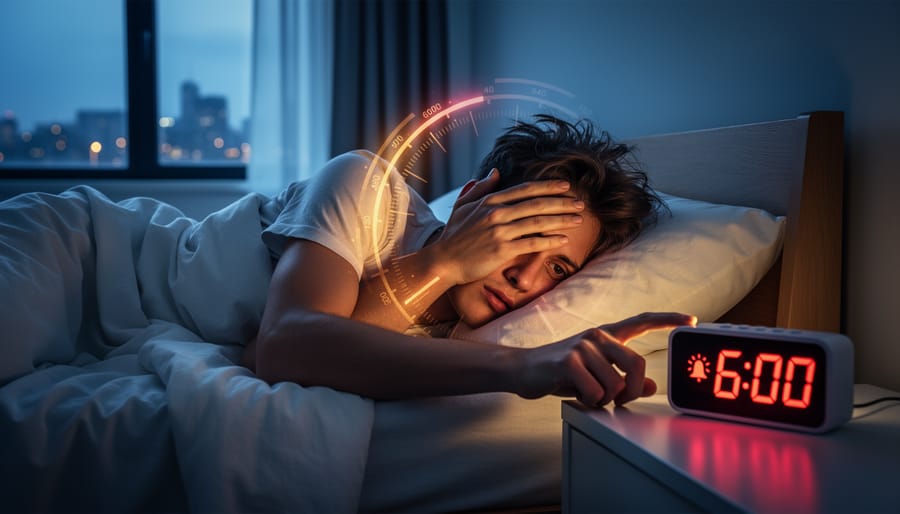
Your weekend sleep-ins might be sabotaging your health more than you realize. Social jet lag occurs when your body’s internal clock clashes with your social schedule—think staying up late Friday and Saturday, then forcing yourself awake Monday morning. This misalignment between your biological rhythm and daily commitments creates the same foggy, exhausted feeling as flying across time zones, except you never left home.
The numbers tell a concerning story: research shows that over 70% of adults experience at least one hour of social jet lag weekly, with many facing two hours or more. This chronic disruption doesn’t just leave you tired—it accumulates into genuine sleep deprivation that affects your metabolism, mood, concentration, and long-term health. Your body interprets this weekly cycle as constantly crossing time zones, triggering stress responses and preventing the restorative sleep you desperately need.
If you regularly feel exhausted despite sleeping enough hours on weekends, struggle to fall asleep Sunday nights, or rely heavily on caffeine to function weekdays, you’re likely experiencing social jet lag. The gap between your weekday and weekend sleep schedule serves as your personal jet lag measurement—and even small differences matter.
The encouraging news? Unlike travel-induced jet lag, you can control social jet lag through practical adjustments to your routine. Understanding this connection between irregular sleep patterns and persistent fatigue represents your first step toward reclaiming your energy and protecting your long-term wellness.
What Is Social Jet Lag?
The Science Behind Your Body Clock
Your body’s internal clock, known as your circadian rhythm, is a natural 24-hour cycle that tells you when to feel awake and when to feel sleepy. This biological timekeeper sits in a tiny region of your brain called the suprachiasmatic nucleus, which responds primarily to light and darkness in your environment.
Think of your circadian rhythm as an internal conductor orchestrating various body functions throughout the day. It influences your body temperature, hormone release, digestion, and most notably, your sleep-wake cycle. When daylight hits your eyes in the morning, your brain receives signals to suppress melatonin (the sleep hormone) and increase cortisol (which helps you feel alert). As evening approaches and light fades, your body naturally begins producing melatonin again, preparing you for sleep.
This system works best when you maintain consistent sleep and wake times. Your body thrives on predictability, allowing it to anticipate and prepare for different activities throughout the day. When you go to bed and wake up at roughly the same time daily, your circadian rhythm stays synchronized with the external environment, promoting better sleep quality, improved alertness, and optimal physical and mental functioning.
However, modern lifestyles often conflict with this natural rhythm, leading to a condition called social jet lag.
How Social Jet Lag Develops
Social jet lag develops when your daily schedule forces you to ignore your body’s natural sleep-wake preferences. This misalignment happens gradually and often goes unnoticed until symptoms appear.
Consider Emma, a Toronto-based marketing manager whose body naturally prefers sleeping from midnight to 8 AM. Her job requires her to wake at 6 AM on weekdays, forcing her to cut her sleep short. On weekends, she sleeps until 10 AM to catch up, creating a two-hour time zone shift each week. This pattern causes a similar circadian disruption to traveling between provinces with different time zones.
Shift workers face even greater challenges. Nurses, retail employees, and service workers who rotate between day and night shifts constantly battle their internal clocks. Your body expects to sleep when it’s dark and stay awake during daylight, but irregular work schedules override these biological signals.
Social obligations also contribute to the problem. Late dinners with friends, evening exercise classes, or binge-watching your favorite shows push your bedtime later on certain nights. Parents often sacrifice their own sleep schedules to accommodate children’s activities or early school start times.
Even weekend habits matter. Staying up late Friday and Saturday nights, then sleeping in Sunday morning might feel restorative, but it shifts your internal clock backward. Monday morning becomes especially difficult as your body hasn’t adjusted back to your weekday schedule, creating what many Canadians recognize as the dreaded “Monday blues.”

The Connection Between Social Jet Lag and Sleep Deprivation
Why Weekend Recovery Sleep Falls Short
Many of us try to “catch up” on sleep during weekends, assuming those extra hours in bed will erase our weekday sleep debt. Unfortunately, research shows this strategy doesn’t work as well as we’d hope—and may actually make social jet lag worse.
When you sleep significantly longer on weekends than weekdays, you’re essentially shifting your body clock later. While those extra hours might temporarily ease your tiredness, they create a larger gap between your weekday and weekend sleep schedules. Come Monday morning, your body is even more out of sync with your alarm clock, making that first day back feel particularly brutal.
Studies have found that weekend recovery sleep doesn’t fully restore the cognitive impairments caused by chronic sleep restriction. Your alertness, memory, and reaction time remain compromised even after sleeping in. Think of it like trying to recharge a battery that keeps getting drained—you never quite get back to full capacity.
There’s also a metabolic cost. Research published in Current Biology demonstrated that people who catch up on sleep over the weekend still experienced disrupted circadian rhythms and metabolic changes associated with increased diabetes risk. Their bodies didn’t fully recover during those two days of extra sleep.
The cycle becomes self-perpetuating: sleeping late on Sunday makes it harder to fall asleep Sunday night, leading to insufficient sleep on Monday, which increases your sleep debt going into the week. You then feel compelled to sleep in even later the following weekend.
This doesn’t mean weekend sleep is worthless—getting more rest is certainly better than staying sleep-deprived. However, it’s not a true solution. The key is reducing the difference between your weekday and weekend sleep schedules, ideally keeping it within one hour.
Health Risks You Need to Know About

Mental Health Impacts
Social jet lag doesn’t just leave you feeling tired—it creates significant mental health impacts that can affect your daily life. When your internal clock is constantly misaligned with your schedule, your brain struggles to function optimally.
Research shows that people experiencing social jet lag are at higher risk for mood disturbances, including irritability, anxiety, and depression. The disruption to your circadian rhythm affects neurotransmitter production—particularly serotonin and dopamine—which play crucial roles in regulating mood and emotional well-being.
Cognitive function takes a hit as well. You might notice difficulty concentrating, slower reaction times, reduced memory performance, and challenges with decision-making. These effects occur because your brain isn’t getting the restorative sleep it needs at the right times, even if you’re sleeping enough hours overall.
The longer social jet lag persists, the greater the cumulative effects. Studies indicate that chronic circadian misalignment is associated with increased depression risk, with some research suggesting each hour of social jet lag raises your likelihood of mood disorders.
The good news? These effects are often reversible. By gradually aligning your sleep schedule throughout the week and prioritizing consistent wake times, you can support better mental clarity and emotional balance. Small adjustments to reduce the gap between your weekday and weekend sleep patterns can make a meaningful difference in how you feel and function mentally.
Physical Health Consequences
Social jet lag doesn’t just leave you feeling tired—it can have measurable effects on your physical health. Research shows that the misalignment between your biological clock and social schedule triggers a cascade of metabolic and physiological changes that increase your risk for several chronic conditions.
Studies have found that people experiencing social jet lag are more likely to struggle with weight gain and obesity. This happens because disrupted sleep patterns interfere with hormones that regulate hunger and fullness, leading to increased cravings for high-calorie foods and altered metabolism. Canadian health data indicates that approximately 64% of adults are overweight or obese, and irregular sleep schedules may be a contributing factor for many.
The connection to type 2 diabetes is equally concerning. Even one hour of social jet lag has been associated with an 11% increase in diabetes risk. This occurs because inconsistent sleep timing affects how your body processes glucose and responds to insulin, two critical factors in blood sugar regulation.
Your cardiovascular system also bears the burden of chronic circadian disruption. Research links social jet lag to increased blood pressure, elevated inflammation markers, and higher rates of heart disease. Given that cardiovascular disease remains the second leading cause of death in Canada, maintaining consistent sleep schedules becomes an important preventive measure.
Additionally, your immune function suffers when your internal clock is constantly shifting. This makes you more susceptible to infections and may slow recovery from illness, affecting your overall resilience and well-being throughout the year.
Are You Experiencing Social Jet Lag?
You might be dealing with social jet lag without even realizing it. This condition affects millions of people who maintain different sleep schedules on weekdays versus weekends, and recognizing the signs is your first step toward better sleep health.
The most telling indicator is if you sleep significantly longer on weekends or days off—typically two or more hours beyond your weekday routine. If you’re sleeping until noon on Saturday after waking at 6 a.m. all week, you’re likely experiencing social jet lag.
Common signs to watch for include difficulty waking up on weekday mornings, even with an alarm, and feeling constantly tired despite getting what seems like adequate sleep. You may find yourself relying heavily on coffee or energy drinks to function during the workweek, only to feel more alert and energized on your days off.
Many people with social jet lag experience afternoon energy crashes, particularly on Mondays and Tuesdays, as their body struggles to readjust. You might notice reduced concentration, irritability, or brain fog during your typical work or school hours. Sleep quality often suffers too—you may lie awake Sunday nights, unable to fall asleep at your usual weekday bedtime.
Physical symptoms can include headaches, digestive issues, or increased appetite, especially for sugary or high-carbohydrate foods. Some people report feeling like they’re constantly fighting off a cold or generally run down.
Take a moment to reflect on your sleep patterns over the past month. Calculate the difference between your average weekday and weekend sleep midpoints—the middle point of your sleep period. If this difference exceeds one hour, you’re likely experiencing social jet lag and could benefit from adjusting your sleep schedule to create more consistency throughout the week.
Practical Steps to Reduce Social Jet Lag
Align Your Sleep Schedule
The most effective way to combat social jet lag is establishing a consistent sleep-wake schedule seven days a week. Choose a bedtime and wake time you can realistically maintain on both weekdays and weekends, then stick to it as closely as possible.
If your current weekend schedule differs significantly from your weekday routine, make gradual adjustments rather than dramatic changes. Shift your sleep times by 15-30 minutes every few days until you reach your target schedule. This gradual approach helps your body’s internal clock adapt more smoothly.
Aim to keep your weekend wake time within one hour of your weekday schedule. While staying up slightly later on Friday and Saturday nights is normal, sleeping in past mid-morning can reset your circadian rhythm and make Monday mornings particularly challenging.
Set a consistent bedtime alarm as a helpful reminder to start winding down. This signals your body that sleep is approaching and helps maintain your routine even when weekends feel different from your work week.
Remember that consistency is more important than perfection. If you occasionally sleep in or stay up late, simply return to your regular schedule the next day rather than trying to compensate with irregular sleep patterns that can worsen social jet lag.
Optimize Your Sleep Environment
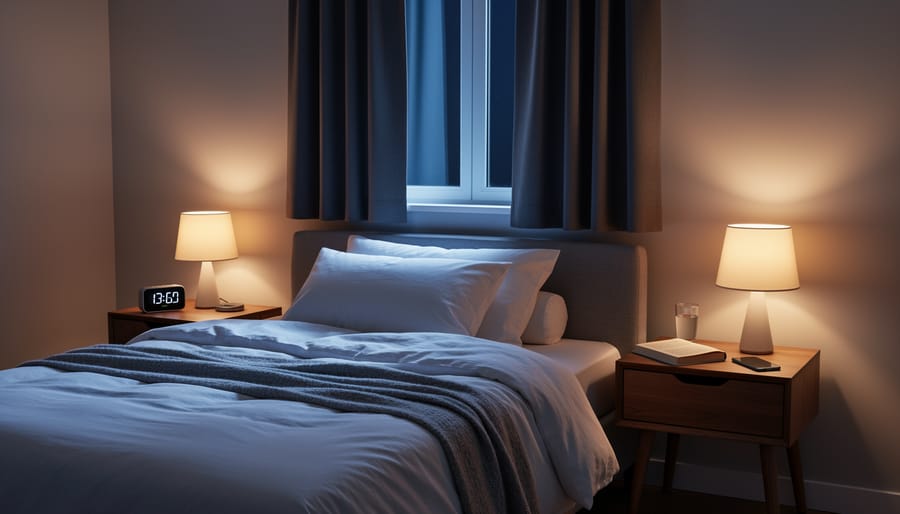
Creating a sleep-friendly environment is essential for maintaining your natural circadian rhythm and minimizing social jet lag. Start by managing light exposure strategically throughout your day. Get bright light exposure, preferably natural sunlight, within the first hour of waking to anchor your internal clock. In the evening, dim household lights two hours before bedtime and limit blue light from screens, which suppresses melatonin production and delays sleep onset.
Your bedroom setup matters significantly for proper sleep hygiene. Keep your sleeping space cool (around 18°C), dark, and quiet. Consider blackout curtains to block external light and white noise machines if you live in noisy areas. Reserve your bed exclusively for sleep to strengthen the mental association between your bedroom and rest.
Establish a consistent evening routine that signals your body it’s time to wind down. This might include light stretching, reading, or relaxation techniques. Avoid caffeine after 2 PM and heavy meals within three hours of bedtime. Most importantly, maintain the same bedtime and wake time every day, including weekends, to keep your circadian rhythm stable and prevent the sleep disruption that fuels social jet lag.
Nutrition and Fitness Timing
Your eating and exercise patterns can either support or disrupt your body’s natural rhythms. When you eat, your digestive system sends powerful signals to your internal clock, reinforcing your sleep-wake cycle. Try to eat meals at consistent times each day, even on weekends. Having breakfast within an hour of waking helps anchor your circadian rhythm and signals the start of your active day.
Caffeine deserves special attention. While that afternoon coffee might seem harmless, caffeine stays in your system for up to six hours and can interfere with sleep quality. Consider cutting off caffeine intake by 2 PM, or earlier if you’re particularly sensitive. This simple change can significantly improve your ability to fall asleep at your desired bedtime.
Exercise timing also matters. Morning or early afternoon physical activity can help regulate your body clock and boost alertness. However, intense workouts within three hours of bedtime may make it harder to wind down. If evening is your only option for exercise, try gentler activities like yoga or stretching. These practical adjustments work together to reinforce consistent sleep patterns and reduce social jet lag symptoms.
When to Seek Professional Help
While occasional social jet lag is common, certain signs indicate it’s time to consult your healthcare provider. If you’ve made consistent efforts to align your sleep schedule but still experience severe daytime fatigue lasting more than a few weeks, professional guidance can help identify underlying issues.
Pay attention to these warning signs: difficulty falling asleep or staying asleep most nights, persistent morning headaches, relying on caffeine or medications to function, experiencing mood changes like increased irritability or symptoms of depression, or noticing decreased performance at work or school despite your best efforts. If your irregular sleep patterns are affecting your relationships, safety (such as drowsy driving), or overall quality of life, don’t hesitate to seek help.
Canadian residents can start by speaking with their family doctor, who may recommend a professional sleep evaluation to rule out conditions like sleep apnea, insomnia, or circadian rhythm disorders. Many provinces offer publicly funded sleep clinics through referrals, though wait times vary by region.
Your healthcare provider can also assess whether underlying health conditions, medications, or mental health concerns are contributing to your sleep difficulties. They may connect you with sleep specialists, registered dietitians, or mental health professionals as part of a comprehensive treatment plan.
Remember, seeking help isn’t a sign of weakness. Quality sleep is essential for your health, and healthcare professionals have effective strategies to help you achieve better rest and overall well-being.
Taking control of your sleep health doesn’t require a complete lifestyle overhaul. The good news is that even small, consistent adjustments to your sleep schedule can lead to meaningful improvements in how you feel each day. Whether you’re reducing the gap between weekday and weekend sleep times by just 30 minutes or setting a regular wake-up time on Saturdays, these changes add up.
Remember, social jet lag affects millions of Canadians, and recognizing it is the first step toward better health. By aligning your sleep schedule more closely throughout the week, limiting light exposure before bed, and being mindful of your body’s natural rhythms, you’re investing in your long-term wellbeing. Better sleep means improved mental clarity, stronger immunity, enhanced mood, and reduced risk of chronic diseases.
Start with one manageable change this week. Your body will thank you for the consistency, and you’ll likely notice improvements in your energy levels and overall quality of life sooner than you think. You have the power to break the cycle of sleep deprivation and reclaim restful, restorative sleep.