
Check the Canadian Food Inspection Agency website weekly for the latest recall notices affecting products in your local stores. Set up email notifications through the Government of Canada’s Recalls and Safety Alerts service to receive immediate updates about contaminated or mislabeled foods that could harm your family.
When you discover a recalled item in your kitchen, stop using it immediately and return it to the store for a full refund, or dispose of it in a sealed bag to prevent accidental consumption. Take photos of the product label and best-before date as documentation, particularly if anyone in your household has already consumed the item and experienced symptoms like nausea, vomiting, or diarrhea.
Food safety alerts exist because Canadian health authorities continuously monitor for bacterial contamination like Listeria, Salmonella, and E. coli, as well as undeclared allergens that pose serious risks to people with food sensitivities. These alerts represent a critical early warning system that prevents widespread illness and saves lives when manufacturers or retailers identify problems during routine testing or after consumers report adverse reactions.
Understanding how to respond to these alerts protects your household from preventable foodborne illnesses that send thousands of Canadians to hospital each year. The system works only when consumers stay informed and take swift action, making your awareness and response an essential part of Canada’s food safety network.
What Are Food Safety Alerts and Why They’re Issued
The Three Types of Food Safety Alerts You Need to Know
Understanding the classification system for food safety alerts helps you assess potential health risks and respond appropriately. Health Canada and the Canadian Food Inspection Agency use three distinct categories to communicate the severity of food recalls.
Class I recalls represent the most serious health hazards, where consuming the product could cause severe health consequences or death. These situations involve products contaminated with dangerous bacteria like Listeria or E. coli, undeclared allergens that could trigger life-threatening reactions, or physical hazards like glass or metal fragments. For example, ready-to-eat meat products contaminated with Listeria monocytogenes fall into this category, as this bacteria poses significant risks, especially to pregnant women, older adults, and those with weakened immune systems.
Class II recalls indicate moderate health risks where the product may cause temporary health problems, but the likelihood of serious consequences is relatively low. These often involve minor allergen labeling issues or products that may cause short-term discomfort. An example would be packaged cookies with undeclared peanuts that aren’t prominently listed on the label.
Class III recalls involve products that violate labeling regulations but are unlikely to cause any adverse health reactions. These might include incorrect net weight declarations or missing bilingual labels. While these products don’t pose health risks, the recall ensures regulatory compliance.
When you encounter any recall notice, pay attention to the classification, check your pantry immediately, and follow the recommended actions whether that means returning the product or safely disposing of it.
How Health Authorities Decide to Issue an Alert
Health authorities in Canada follow a systematic process to determine when public alerts are necessary. It begins with contamination detection through routine food safety inspections, laboratory testing, and reports from healthcare providers who notice patterns of foodborne illness. The Canadian Food Inspection Agency works closely with Health Canada and provincial health departments to investigate these findings.
Once potential contamination is identified, samples undergo rigorous laboratory testing to confirm the presence of harmful bacteria, viruses, parasites, or other hazards. Experts then assess the risk level by considering factors like the severity of potential health effects, how widely the product has been distributed, and who might be most vulnerable to harm.
The decision to issue a public alert depends on this risk assessment. If testing confirms a serious health risk and the contaminated food has reached consumers, authorities move quickly to notify the public. They consider whether the product can be easily identified and removed from homes, and whether certain groups like pregnant women, young children, or seniors face heightened danger.
This evidence-based approach ensures Canadians receive timely warnings about genuine food safety risks while avoiding unnecessary alarm. The goal is always protecting public health through transparent, accurate communication.
Common Reasons Food Gets Recalled in Canada
Bacterial Contamination: The Biggest Culprit
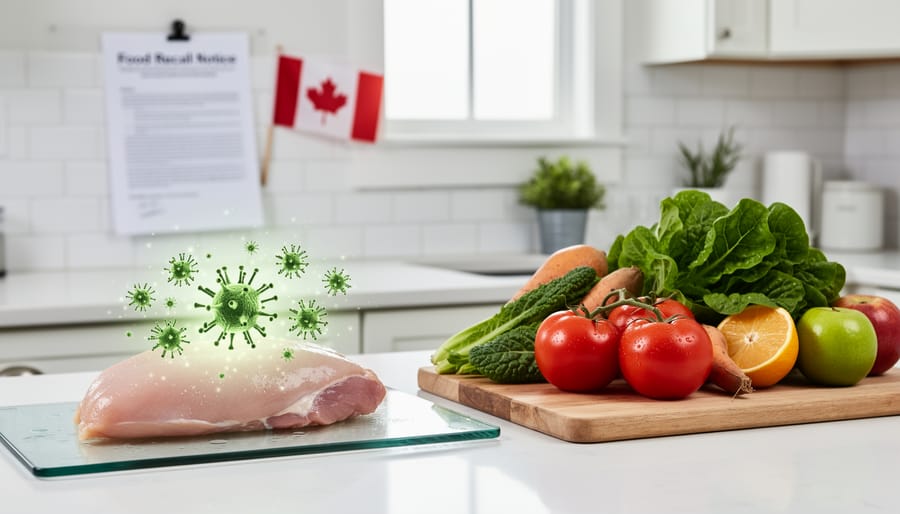
Bacterial contamination causes the majority of food safety alerts in Canada, with three main culprits responsible for most recalls. Understanding these bacteria helps you protect your family’s health.
Listeria monocytogenes thrives in cold environments, making refrigerated ready-to-eat foods particularly vulnerable. This bacteria commonly affects deli meats, soft cheeses, and pre-packaged salads. While healthy adults may experience mild flu-like symptoms, listeria poses serious risks for pregnant women, newborns, elderly individuals, and those with weakened immune systems, potentially causing severe infections and complications.
Salmonella contamination frequently occurs in raw poultry, eggs, and produce. This bacteria causes fever, diarrhea, and abdominal cramps typically lasting four to seven days. Most people recover without treatment, though young children and older adults may require hospitalization.
E. coli O157:H7 represents another significant threat, particularly in undercooked ground beef, unpasteurized milk, and raw vegetables. This strain produces toxins causing severe stomach cramps, bloody diarrhea, and vomiting. Some cases lead to kidney failure, especially in children under five.
These bacteria don’t change food’s appearance, smell, or taste, making proper food handling and staying informed about recalls essential protective measures for Canadian families.
Undeclared Allergens That Put Lives at Risk
Undeclared allergens represent one of the most serious food safety concerns in Canada, affecting millions of people with food allergies. Cross-contamination typically occurs during food manufacturing when products containing allergens like peanuts, milk, or shellfish are processed on shared equipment or in the same facility as allergen-free products. Even microscopic traces can trigger severe reactions in sensitive individuals, ranging from hives and difficulty breathing to life-threatening anaphylaxis.
The Canadian Food Inspection Agency takes these incidents seriously, issuing immediate recalls when allergens aren’t properly declared on labels. Common scenarios include inadequate cleaning between production runs, mislabeled packaging, or ingredient supplier errors. For Canadians managing food allergies, checking food safety alerts regularly is essential. Always read ingredient labels carefully, even on familiar products, as formulations can change. When a recall affects something in your home, dispose of it immediately or return it to the store. Taking these precautions helps protect yourself and your loved ones from potentially dangerous allergic reactions.
How to Stay Informed About Food Safety Alerts
Setting Up Automatic Recall Notifications
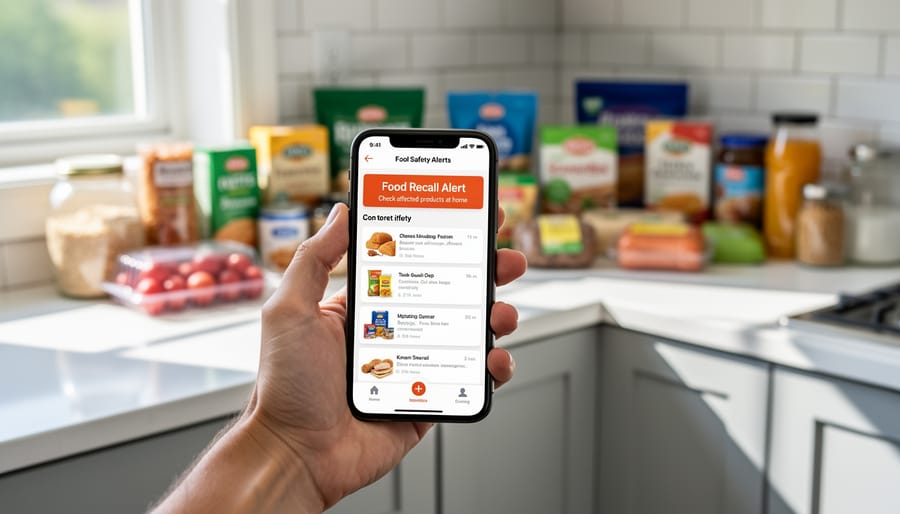
Staying informed about food recalls is simple when you set up automatic notifications. The Canadian Food Inspection Agency (CFIA) offers a free email subscription service that delivers recall alerts directly to your inbox. To subscribe, visit the CFIA website and navigate to their “Food Recall Warnings” page. Look for the “Subscribe” button, where you’ll enter your email address and select your preferred language. You can customize notifications to receive all food recalls or filter by specific categories that matter most to your household.
Another convenient option is the Healthy Canadians app, available free for both iOS and Android devices. Download the app from your device’s app store, then open it and tap on “Recalls and Safety Alerts.” Enable push notifications in the settings menu to receive instant alerts about food recalls, along with health product advisories and consumer safety information. The app allows you to search past recalls and bookmark items for quick reference.
Both methods ensure you’ll receive timely, evidence-based information from trusted government sources, helping you make informed decisions to protect your family’s health and wellbeing.
Checking Your Kitchen When an Alert Is Issued
When a food safety alert is issued, take immediate steps to check your pantry, refrigerator, and freezer for the affected products. Start by locating the specific information mentioned in the alert, including the product name, brand, package size, and Universal Product Code (UPC).
Pay close attention to three key identifiers: best before dates, lot numbers, and product codes. These are typically found on the product packaging, often stamped on the bottom, side, or back of containers. Best before dates indicate when the product is at peak quality, while lot numbers help manufacturers track specific production batches. Compare these details exactly as they appear in the recall notice.
If you find a recalled item in your home, do not taste or consume it, even if it looks and smells normal. Harmful bacteria or contaminants may not be visible. Separate recalled products from other foods immediately. You can either return them to the store for a full refund or safely dispose of them in a sealed bag to prevent others from consuming them. Keep the recall notice for your records and contact the manufacturer if you have questions about specific products.
What to Do If You Have a Recalled Product
Safe Disposal and Return Procedures
When you discover a recalled food product in your home, taking proper disposal steps protects your family and prevents accidental consumption. First, separate the recalled item from other foods immediately and place it in a sealed bag or container to avoid cross-contamination. Mark the package clearly with “DO NOT EAT” to ensure no one consumes it by mistake.
Check the recall notice for specific return instructions, as many retailers offer full refunds even without a receipt. Keep the product packaging and any lot numbers, as stores may require this information for processing returns. If returning the item isn’t possible, dispose of it in a secure manner—place it in a sealed garbage bag before discarding to prevent others from accessing it.
Never donate recalled foods to food banks or give them to pets unless the recall notice specifically indicates the product is safe for animal consumption. Clean any surfaces, containers, or utensils that contacted the recalled product using hot, soapy water to eliminate potential contamination.
For questions about disposal procedures, contact the manufacturer using information provided in the recall notice or reach out to the Canadian Food Inspection Agency for guidance. Taking these practical steps helps ensure recalled products don’t pose ongoing risks to your household or community.
Warning Signs That You Need Medical Attention
While most cases of foodborne illness resolve on their own within a few days, certain symptoms require immediate medical attention. Seek emergency care if you or a family member experience severe dehydration signs, including little to no urination, extreme thirst, dry mouth, dizziness, or confusion. High fever above 38.5°C (101.3°F), bloody diarrhea, or diarrhea lasting more than three days are also red flags that need professional evaluation.
Vulnerable populations face higher risks and should contact healthcare providers sooner. This includes young children under five, adults over 65, pregnant women, and anyone with weakened immune systems or chronic health conditions. For infants and young children, watch for reduced wet diapers, sunken eyes, unusual sleepiness, or persistent crying without tears.
If you experience prolonged vomiting that prevents you from keeping liquids down, or if symptoms appear after consuming recalled products listed in food safety alerts, don’t hesitate to seek medical help. Early intervention can prevent serious complications and ensure you receive appropriate treatment. When visiting your doctor or emergency department, mention any recalled foods you may have consumed, as this information helps healthcare providers make accurate diagnoses and report cases to public health authorities.
Protecting Your Family Beyond Food Alerts
Food Safety Habits That Prevent Illness
While staying informed about food safety alerts is important, your everyday kitchen habits play an equally vital role in preventing foodborne illness. Here are evidence-based practices recommended by Canadian health authorities to keep your family safe.
Hand washing is your first line of defense against contamination. Wash your hands with soap and warm water for at least 20 seconds before preparing food, after handling raw meat, and after using the washroom. This simple step eliminates most harmful bacteria before they can spread to your food.
Cooking foods to proper internal temperatures kills dangerous pathogens. Use a digital food thermometer to ensure ground meat reaches 71°C (160°F), poultry reaches 74°C (165°F), and fish reaches 70°C (158°F). Never rely on appearance alone to determine if food is safely cooked.
Refrigeration slows bacterial growth significantly. Keep your refrigerator at 4°C (40°F) or below and your freezer at -18°C (0°F). Refrigerate perishable foods within two hours of purchase or preparation, and within one hour when temperatures exceed 32°C outdoors.
Preventing cross-contamination protects your food from harmful bacteria. Use separate cutting boards for raw meat and fresh produce, and never place cooked food on plates that held raw meat. Clean countertops, utensils, and cutting boards with hot soapy water between tasks.
These practical habits, combined with awareness of food safety alerts, create a comprehensive approach to protecting your health and that of your loved ones.
Special Considerations for High-Risk Groups
Certain groups face higher risks from foodborne illness and should take extra precautions when food safety alerts are issued. Pregnant women are particularly vulnerable, as infections like listeria can lead to serious complications including miscarriage or premature delivery. Young children under five have developing immune systems that make them more susceptible to severe illness from contaminated foods. Similarly, adults over 65 experience weakened immune responses with age, increasing their risk of complications. Immunocompromised individuals, including those undergoing cancer treatment, living with HIV/AIDS, or taking immune-suppressing medications, should be especially vigilant.
If you belong to a high-risk group, act immediately when recalls affect products in your home. Avoid high-risk foods like unpasteurized dairy, raw sprouts, deli meats, and undercooked eggs or meat. Always check recall notices carefully, as even products you wouldn’t typically consume might be ingredients in prepared foods. When dining out, don’t hesitate to ask about food preparation methods and ingredient sources. Keep your healthcare provider informed about any suspected foodborne illness, as early treatment can prevent serious complications. Register for direct alerts from the Canadian Food Inspection Agency to receive timely notifications tailored to your needs.
Staying informed about food safety alerts is one of the simplest yet most effective ways to protect your family’s health. While foodborne illnesses can be serious, you have the power to significantly reduce your risk through awareness and proactive action. By regularly checking official sources like the Canadian Food Inspection Agency, signing up for email notifications, and following trusted health authorities on social media, you can stay ahead of potential hazards before they reach your dinner table.
Remember that food safety is a shared responsibility. Manufacturers, regulators, and retailers all play crucial roles, but your vigilance at home completes the safety chain. Take a few minutes each week to review current alerts, check your pantry and refrigerator for recalled products, and practice safe food handling habits every day. These small, consistent actions create a protective shield around your household.
Food safety doesn’t require extensive knowledge or complicated procedures. It simply asks for your attention and willingness to act when needed. By making food safety awareness part of your routine health practices, you’re investing in your family’s wellbeing and peace of mind. Your commitment to staying informed today helps ensure healthier tomorrows for everyone at your table.