

Vascular Ehlers-Danlos syndrome (vEDS) is a rare, life-threatening genetic connective tissue disorder affecting approximately 1 in 50,000 to 200,000 people worldwide. Unlike other forms of Ehlers-Danlos syndrome, vEDS involves a mutation in the COL3A1 gene, which produces type III collagen—a protein essential for strengthening blood vessel walls, organs, and skin. This deficiency creates fragile arteries and organs prone to spontaneous rupture, most commonly affecting individuals in their 40s, though emergencies can occur at any age.
If you’ve received a vEDS diagnosis or suspect you may have this condition, understanding the risks and protective measures is essential for extending your lifespan and maintaining quality of life. The condition requires vigilant monitoring, immediate recognition of warning signs, and strategic lifestyle modifications to reduce rupture risk. Emergency symptoms include sudden severe chest, abdominal, or back pain, unexplained bruising, or signs of internal bleeding—all requiring immediate medical attention.
Living with vEDS means balancing necessary precautions with maintaining meaningful daily activities. While the diagnosis carries serious implications, advances in medical management, genetic counseling, and surgical techniques have improved outcomes significantly. This guide provides evidence-based information about recognizing vEDS, managing your condition safely, accessing specialized care in Canada, and building a support network. Whether you’re newly diagnosed, supporting a loved one, or seeking clarity about concerning symptoms, understanding vascular Ehlers-Danlos syndrome empowers you to make informed decisions about your health and well-being.
What Makes Vascular EDS Different
Why Blood Vessels Are at Risk
In vascular Ehlers-Danlos syndrome, a genetic mutation affects the production of type III collagen, a protein that provides essential strength and structure to blood vessel walls, organs, and skin. Think of collagen as the scaffolding that holds these tissues together. When this scaffolding is weakened or defective, the walls of your arteries become fragile and less able to withstand normal blood pressure.
This fragility creates a serious risk because arteries can tear or rupture spontaneously, even during everyday activities that wouldn’t typically cause problems. Medium and large arteries throughout your body are vulnerable, including those in your abdomen, chest, and brain. The weakened collagen also affects hollow organs like your intestines and uterus, making them prone to rupture as well.
Unlike other types of Ehlers-Danlos syndrome where joint problems are the main concern, vascular EDS poses life-threatening risks to your cardiovascular system. The arterial walls simply cannot maintain their integrity under normal stress, which is why medical emergencies can occur without warning. Understanding this underlying mechanism helps explain why careful monitoring and preventive strategies are so important in managing this condition and protecting your long-term health.
Common Signs and Symptoms
Vascular Ehlers-Danlos syndrome presents with distinctive physical features and symptoms that can vary in severity from person to person. Understanding these signs can help with early recognition and appropriate medical care.
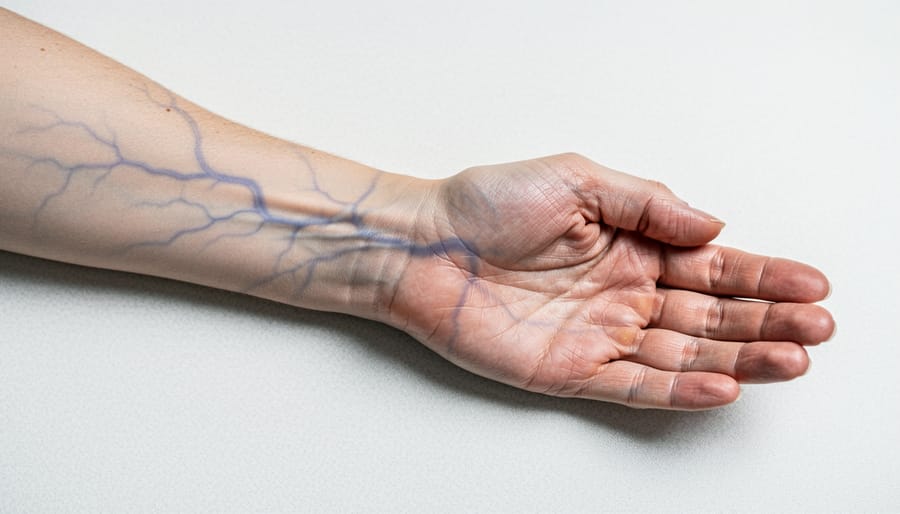
Many people with vascular EDS have thin, translucent skin where veins are easily visible, particularly on the chest and legs. The skin often bruises easily, sometimes from minor contact or without any remembered injury. Unlike some other forms of EDS, the skin is typically not stretchy but rather fragile and prone to tearing.
Facial features may include large eyes, a thin nose and lips, small earlobes, and a generally delicate appearance. These characteristics often become more noticeable with age.
Joint hypermobility, while common in other types of EDS, is usually limited to small joints like fingers and toes in the vascular form. Major joints like knees and elbows are typically less affected.
Individuals may experience frequent headaches or migraines, and some notice that their skin heals slowly with thin, distinctive scars. Varicose veins can appear at a younger age than usual.
It’s important to note that having one or two of these features doesn’t necessarily indicate vascular EDS. However, if you or a family member has several of these characteristics combined with a family history of unexplained organ rupture, arterial problems, or sudden death at a young age, speaking with a healthcare provider about genetic testing is recommended. Early diagnosis enables appropriate monitoring and preventive strategies.
Getting a Proper Diagnosis in Canada
Finding the Right Medical Team
Managing vascular Ehlers-Danlos syndrome requires a coordinated team of healthcare specialists who understand this rare condition. Building the right medical team is essential for comprehensive care and prevention of life-threatening complications.
Your core team should include a medical geneticist who can confirm your diagnosis through genetic testing and provide ongoing guidance. Cardiologists with expertise in vascular conditions are crucial for monitoring your heart and blood vessels through regular imaging. Vascular surgeons experienced in connective tissue disorders should be identified before emergencies arise, as they understand the delicate nature of vEDS tissues.
Additional specialists often include gastroenterologists for digestive complications, respirologists for lung concerns, and physiotherapists familiar with safe exercise modifications for hypermobility conditions. A family physician who coordinates care between specialists serves as your medical home.
In Canada, accessing these specialists typically begins with a referral from your family doctor. Major academic hospitals in cities like Toronto, Vancouver, Montreal, and Calgary often have genetics departments and connective tissue disorder clinics. The Canadian Organization for Rare Disorders can help connect you with specialists and patient networks.
Wait times for genetic specialists can be lengthy, so request referrals as soon as vEDS is suspected. Many provinces offer virtual genetics consultations, which can expedite initial assessments. Keep detailed medical records including imaging reports and family history to share with new specialists.
Consider joining patient advocacy groups, as members often share recommendations for knowledgeable healthcare providers. Building strong relationships with your medical team takes time, but having specialists who understand vEDS significantly improves your safety and quality of life.
What to Expect During Testing
Diagnosing vascular Ehlers-Danlos syndrome involves several important steps that work together to confirm the condition. Your healthcare team will begin with a thorough clinical evaluation, examining your medical history and physical characteristics. They’ll look for specific signs like translucent skin, easy bruising, and characteristic facial features.
The most definitive test is genetic testing through a simple blood sample. Laboratory specialists analyze your DNA to identify mutations in the COL3A1 gene, which causes vascular EDS. Results typically take several weeks to process. This testing is available through specialized genetics clinics across Canada, and your doctor can provide a referral.
Your medical team may also recommend imaging studies to assess your blood vessels and organs. These can include ultrasounds, CT scans, or MRIs to check for any existing complications like arterial abnormalities or organ fragility. These tests are painless and help establish a baseline for monitoring your health over time.
Skin biopsies may occasionally be performed to examine collagen structure under a microscope. Throughout the testing process, genetic counselors are available to explain results and discuss implications for family members. Remember, early and accurate diagnosis empowers you to take proactive steps in managing your health safely.
Managing Your Health Day-to-Day
Activities to Avoid and Safe Alternatives
If you have vascular Ehlers-Danlos syndrome, protecting your blood vessels is essential. Certain activities can increase your risk of arterial rupture or other serious complications, so understanding what to avoid and what alternatives exist can help you stay active safely.
Activities that create sudden pressure changes or strain should be avoided. Contact sports like hockey, football, rugby, and martial arts pose significant risks due to potential impacts to the body. Heavy weightlifting, powerlifting, and exercises involving straining (such as holding your breath during exertion) can dangerously increase blood pressure. High-intensity interval training, competitive athletics, and activities with high fall risks like rock climbing or gymnastics are also not recommended.
Instead, focus on gentle, low-impact activities that keep you moving without stressing your vascular system. Walking at a comfortable pace is excellent for cardiovascular health without strain. Swimming and water aerobics provide resistance while supporting your body weight. Gentle yoga (avoiding extreme stretches or inversions), tai chi, and light cycling on flat terrain are beneficial options. Stretching should be done carefully, stopping well before your maximum range of motion.
For strengthening, use very light weights with higher repetitions, always breathing steadily throughout movements. Physical therapy tailored to your condition can guide safe exercise techniques and help with chronic pain management.
Always consult your healthcare team before starting any new activity. They can provide personalized recommendations based on your specific situation and help you maintain an active lifestyle safely.

Blood Pressure and Heart Health
For people with vascular Ehlers-Danlos syndrome, managing blood pressure is essential because elevated levels can increase stress on already fragile blood vessels, raising the risk of arterial rupture or dissection. Keeping blood pressure within a healthy range helps protect your cardiovascular system.
Work with your healthcare team to establish target blood pressure goals specific to your condition. Regular monitoring at home with a reliable blood pressure monitor allows you to track patterns and detect any concerning changes early. Record your readings and share them with your doctor during appointments.
Lifestyle strategies play an important role in blood pressure management. Focus on eating a balanced diet rich in fruits, vegetables, whole grains, and lean proteins while limiting sodium intake. Avoid processed foods high in salt. Maintain a healthy weight through gentle, approved physical activities. Stress management techniques like deep breathing exercises, meditation, or gentle yoga can also help regulate blood pressure.
Beta-blockers or other medications may be prescribed to reduce arterial stress. Take medications exactly as directed and never adjust doses without consulting your doctor. Avoid activities that cause sudden blood pressure spikes, such as heavy lifting or intense straining. Regular follow-ups ensure your treatment plan remains effective and safe for your specific needs.
Nutrition Strategies That Support Your Body
While there’s no specific diet to cure vascular EDS, certain nutrition strategies can support your body’s unique needs. Focus on foods rich in vitamin C, which plays a crucial role in collagen synthesis. Include citrus fruits, bell peppers, strawberries, and broccoli in your daily meals. Protein is equally important for tissue repair, so incorporate lean meats, fish, eggs, legumes, and dairy products.
Omega-3 fatty acids found in salmon, walnuts, and flaxseeds may help reduce inflammation and support vascular health. Consider foods high in copper and zinc, like nuts, seeds, and whole grains, as these minerals contribute to connective tissue strength. Understanding how nutrition and metabolism work together can help you make informed dietary choices.
Stay well-hydrated to maintain blood pressure stability, and limit processed foods high in sodium. Some patients find that avoiding foods that trigger inflammation helps manage symptoms. Work with a registered dietitian familiar with EDS to create a personalized nutrition plan that addresses your specific health needs while ensuring you receive adequate nutrients for optimal tissue support and overall wellness.
Recognizing Medical Emergencies
When to Call 911
Vascular Ehlers-Danlos syndrome can cause life-threatening complications that require immediate medical attention. Understanding when to call 911 could save your life or that of a loved one.
Call 911 immediately if you experience sudden, severe chest pain or abdominal pain, as these may indicate an arterial rupture or organ perforation—serious complications of vascular EDS. Seek emergency care for sudden weakness or numbness on one side of your body, difficulty speaking, or vision changes, which could signal a stroke caused by arterial dissection.
Other emergency symptoms include coughing up blood, vomiting blood, or passing black, tarry stools—all potential signs of internal bleeding. Sudden shortness of breath combined with chest pain may indicate a collapsed lung, another complication requiring urgent treatment.
If you experience unexplained severe pain anywhere in your body that comes on suddenly, don’t wait to see if it improves. With vascular EDS, new severe pain should always be evaluated immediately by emergency medical professionals.
Keep your medical alert information accessible and inform emergency responders about your vascular EDS diagnosis, as this helps them provide appropriate care quickly. Time is critical when managing these complications, so never hesitate to seek emergency help if something feels seriously wrong.
Preparing Your Emergency Information
Creating a medical alert card is an essential safety measure for anyone living with vascular Ehlers-Danlos syndrome. This card should clearly state your diagnosis and include critical information that emergency responders need to know. Include key warnings such as the fragility of your blood vessels, the risk of arterial rupture with aggressive treatment, and the need to avoid high blood pressure during medical procedures.
Your card should list specific precautions: avoid invasive procedures when possible, use minimal pressure during blood draws, and handle arteries with extreme care. Include your emergency contacts, current medications, and your specialist’s contact information. Keep this card in your wallet and wear a medical alert bracelet that identifies vEDS.
Consider creating a detailed emergency document for your home that expands on this information. Share copies with family members and keep one in your vehicle. Many vascular EDS organizations provide template cards that you can customize. Update your information regularly and inform your healthcare team that you carry this documentation. This preparation ensures that even if you’re unable to communicate, medical professionals will understand your unique needs and provide the safest possible care.
Mental Health and Emotional Wellbeing
Coping with Anxiety and Uncertainty
Living with vascular Ehlers-Danlos syndrome often brings significant emotional challenges alongside the physical concerns. The constant awareness of potential complications can feel overwhelming, but developing effective coping strategies is essential for your wellbeing.
Start by acknowledging your feelings without judgment. It’s completely normal to experience anxiety about your diagnosis. Consider working with a mental health professional who understands chronic illness, as they can provide specialized support tailored to your situation. Cognitive-behavioral therapy has proven particularly helpful for managing stress and anxiety related to medical conditions.
Build a strong support network by connecting with family, friends, and support groups, particularly those familiar with EDS. Many Canadians find comfort in online communities where they can share experiences and practical advice.
Practice daily stress-reduction techniques such as gentle breathing exercises, meditation, or guided imagery. Keep routines consistent to provide stability and predictability in your life. Focus on what you can control, such as following your medical care plan and making safe lifestyle choices, rather than worrying about unpredictable outcomes.
Remember that seeking mental health support is a sign of strength, not weakness, and is an important part of comprehensive vascular EDS management.
Finding Support in Canada
Living with vascular Ehlers-Danlos syndrome can feel isolating, but you’re not alone. Several Canadian organizations offer valuable support and resources tailored to your needs.
The Ehlers-Danlos Society maintains a Canadian network connecting individuals with local support groups across provinces. These groups provide opportunities to share experiences, learn coping strategies, and build relationships with others who understand your journey.
Online communities offer convenient connections from home. The EDS Canada Facebook groups and virtual meetups allow you to engage with fellow Canadians managing similar challenges, sharing practical tips about navigating our healthcare system and accessing specialized care.
For mental health support, many Canadian psychologists and counselors now offer virtual sessions covered under provincial health plans or private insurance. Organizations like the Canadian Mental Health Association can help you find professionals experienced in chronic illness management. Some provinces also provide dedicated chronic disease management programs through local health authorities.
Consider connecting with genetic counselors available through Canadian hospitals, who can provide family planning guidance and help relatives understand their potential risks. Provincial rare disease networks may also offer additional resources and connections to specialized care teams familiar with vascular EDS management.

Family Planning and Genetic Considerations
Vascular Ehlers-Danlos syndrome follows an autosomal dominant inheritance pattern, meaning each child of an affected parent has a 50% chance of inheriting the condition. Understanding these patterns is crucial for anyone with vEDS who is considering starting or expanding their family.
Genetic counseling provides invaluable support for individuals and couples navigating these important decisions. A genetic counselor can explain your specific situation, discuss inheritance risks, and explore available options. In Canada, genetic counseling services are typically available through provincial healthcare programs, though wait times may vary by region. Your physician can provide a referral to connect you with these specialized services.
For those with vEDS considering pregnancy, it’s essential to understand the significant health risks involved. Pregnancy places considerable strain on blood vessels and organs, increasing the risk of arterial or uterine rupture, particularly during the third trimester and delivery. These risks make pregnancy a serious medical concern requiring careful consideration and specialized care.
Family planning options include pre-implantation genetic diagnosis (PGD), which can identify embryos without the vEDS gene mutation during in vitro fertilization. Some individuals choose adoption or decide not to have children, while others proceed with pregnancy under close medical supervision. Each choice is deeply personal and valid.
If you’re already pregnant with vEDS, immediate consultation with maternal-fetal medicine specialists and a multidisciplinary team experienced in high-risk pregnancies is essential. Close monitoring throughout pregnancy and careful delivery planning can help manage risks.
Beyond pregnancy considerations, genetic testing for family members may be beneficial, as early diagnosis allows for preventive monitoring and lifestyle modifications that can improve outcomes. Discussing testing with relatives is a personal decision that genetic counselors can help you navigate with sensitivity and clarity.

Working with Your Healthcare Team
Questions to Ask Your Doctor
Preparing for your medical appointments helps ensure you receive comprehensive care for vascular Ehlers-Danlos syndrome. Consider asking your doctor these important questions: What emergency signs should I watch for, and when should I go to the hospital immediately? Which activities or movements should I avoid to prevent arterial complications? How often do I need imaging tests to monitor my blood vessels? What blood pressure targets are safest for me, and how should I monitor them at home? Are there specific medications I should avoid due to bleeding risks? What pain management options are appropriate for my condition? How can I safely maintain physical activity and cardiovascular health? Should my family members be tested for vEDS? Can you refer me to a geneticist or vascular specialist experienced with Ehlers-Danlos syndrome? What support resources are available in Canada for patients with rare connective tissue disorders? Are there any clinical trials or new treatments I should know about? Bringing a written list of questions and taking notes during appointments ensures you don’t forget important information and helps you actively participate in your care plan.
Tracking Your Health
Keeping detailed health records is essential when managing vascular Ehlers-Danlos syndrome. Start a health journal to track symptoms like pain levels, bruising, digestive issues, and any unusual changes. Note dates, severity, and potential triggers to help identify patterns. Take photos of concerning symptoms such as new bruising or skin changes to share with your healthcare team.
Organize your medical documents in one accessible location, including test results, imaging reports, specialist letters, and medication lists. Consider using a digital health app or a simple binder system that travels easily to appointments. Keep an updated list of all healthcare providers with their contact information and specialties.
When communicating with your care team, prepare questions before appointments and bring your symptom journal. Be specific about how symptoms affect your daily activities. Request copies of all test results and appointment summaries for your records. Don’t hesitate to ask for clarification on medical terms or treatment plans.
Connect with occupational therapy support to develop strategies for daily symptom management and adaptive techniques that protect your health while maintaining independence.
Living with vascular Ehlers-Danlos syndrome presents real challenges, but it doesn’t mean you can’t live a meaningful, fulfilling life. With the right medical team, proactive management strategies, and support systems in place, many people with vEDS successfully navigate their condition while pursuing their goals and passions.
The key is finding balance—staying informed without becoming overwhelmed, being cautious without living in fear, and respecting your body’s limits while still engaging in activities that bring you joy. Remember that every person’s experience with vEDS is unique, and your healthcare providers can help you understand what’s safe and appropriate for your specific situation.
Building a strong relationship with vascular specialists, geneticists, and other healthcare professionals familiar with vEDS is essential. These experts can provide personalized guidance, monitor your health effectively, and respond quickly if complications arise. Don’t hesitate to ask questions, voice concerns, or seek second opinions when needed—advocating for yourself is an important part of managing any chronic condition.
Connecting with others who understand your journey can make a tremendous difference. Support groups and patient communities offer valuable emotional support, practical tips, and the reassurance that you’re not alone. Many Canadians with vEDS have found strength and hope through these connections.
While vEDS requires vigilance and careful management, it’s entirely possible to create a life rich with relationships, purpose, and joy within safe boundaries. Your diagnosis is just one part of your story, not the whole chapter.