

Track every workout, walk, and active moment in a dedicated journal to create a personal roadmap of your fitness progress. Research shows that people who record their physical activity are 40% more likely to maintain consistent exercise habits compared to those who don’t track their movement. This simple practice transforms vague intentions into measurable achievements, helping you identify patterns, celebrate improvements, and adjust strategies when progress stalls.
Write down three essential details after each activity session: duration, type of movement, and how you felt physically and mentally. This combination captures both objective data and subjective experience, revealing connections between specific activities and your energy levels, mood, and overall wellbeing. You’ll quickly discover which exercises boost your mental clarity, which movements ease chronic pain, and what time of day maximizes your performance.
Begin with just two weeks of consistent journaling to establish baseline patterns. Note barriers that prevent planned workouts, unexpected opportunities for movement throughout your day, and physical sensations during different activities. This foundation helps you design a sustainable routine tailored to your schedule, preferences, and health goals rather than following generic programs that often lead to frustration and abandonment.
Your activity journal becomes powerful evidence of capability during challenging moments. Looking back at entries from difficult weeks where you still managed short walks or gentle stretches reinforces resilience and proves that imperfect action beats waiting for ideal conditions. This documented history supports long-term behaviour change essential for preventing chronic diseases and building lasting health improvements.
What Physical Activity Journaling Really Means
Beyond Counting Steps
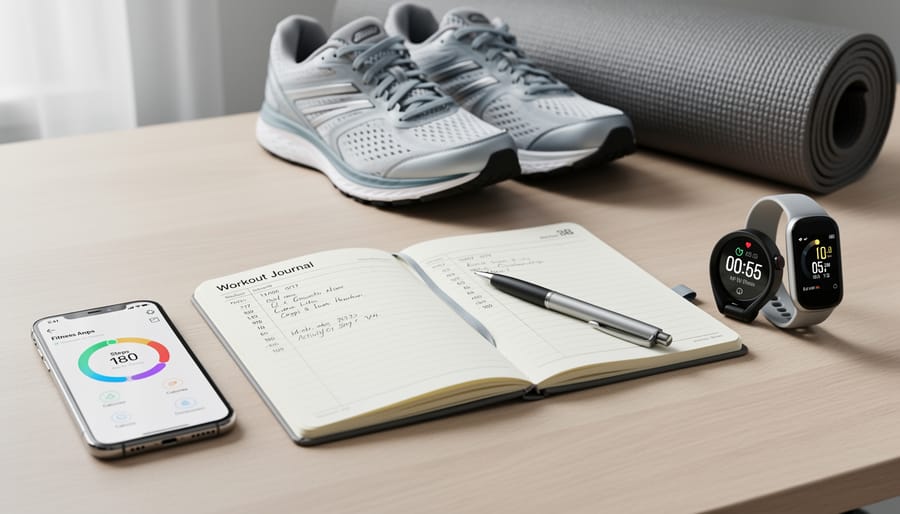
While tracking your daily step count is a great starting point, effective physical activity journaling goes much deeper. Recording the type of activity you do—whether it’s cycling, swimming, gardening, or dancing—helps you identify patterns and discover what movements you genuinely enjoy. Document the intensity level, from light stretching to vigorous exercise, and note the duration of each session.
Equally important is capturing how you feel. Before your activity, jot down your energy level and mood. Afterward, record any changes in how you feel physically and emotionally. Did that afternoon walk reduce your stress? Did the yoga session ease your back pain? These insights are invaluable for understanding your body’s unique responses.
This quality-focused approach means that a 20-minute activity where you felt energized and engaged can be more beneficial than an hour of movement you dreaded. By recording these details, you create a personalized roadmap that shows which activities truly support your health goals, helping you build sustainable habits based on what works for your body and lifestyle.
The Physical Health Benefits Backed by Research
Chronic Disease Prevention and Management
Tracking your physical activity plays a crucial role in managing and preventing chronic diseases that affect millions of Canadians. According to the Public Health Agency of Canada, chronic diseases account for approximately 89% of all deaths in the country, with heart disease, type 2 diabetes, and obesity among the leading health concerns.
When you maintain a physical activity journal, you create accountability and awareness around your movement patterns, which directly impacts disease prevention. Research shows that regular moderate exercise—just 150 minutes per week—can reduce your risk of type 2 diabetes by up to 58%. By recording your daily activities, you’re more likely to meet these recommended targets and maintain consistency over time.
For those already living with chronic conditions, activity tracking offers powerful management benefits. Studies demonstrate that consistent physical activity helps control blood sugar levels in people with diabetes, reduces blood pressure in those with hypertension, and supports healthy weight management. Your journal becomes a personalized tool for preventing heart disease and monitoring how different activities affect your specific health markers.
The data you collect helps identify patterns and progress, making it easier to have productive conversations with your healthcare provider. You can pinpoint which activities make you feel best, track improvements in endurance or strength, and adjust your routine based on real evidence from your own experience. This practical approach empowers you to take an active role in your health journey.
Accountability That Actually Works
When you write down your physical activity, something powerful happens in your brain. Self-monitoring creates what psychologists call “heightened awareness”—you become more conscious of your choices and patterns. Unlike external accountability that can feel pressurizing, journaling offers gentle self-accountability. You’re simply observing your behavior without someone else watching or judging you.
This process naturally supports sustained behavior change because it activates your internal motivation rather than relying on external pressure. Research shows that people who track their activity are more likely to reach their fitness goals—not because tracking is punitive, but because it creates clarity. You see what’s working and what isn’t.
Your journal becomes a mirror reflecting your actual habits, not your intentions. This honest feedback loop helps you adjust your approach without guilt. Maybe you notice you move more on days when you walk during lunch, or that weekend mornings are your most consistent workout time. These insights empower you to build realistic routines that fit your life, making healthy movement genuinely sustainable.
Identifying Your Personal Movement Patterns
Tracking your physical activity in a journal helps you discover unique patterns in your own behaviour. You might notice you’re most energetic for morning walks or that certain days of the week consistently see less movement. Recording these details reveals what truly works for your schedule and energy levels.
Your journal also highlights specific barriers holding you back. Perhaps weather, work stress, or lack of time on particular days affects your activity. Once identified, you can create practical solutions like having indoor exercise options or scheduling shorter 10-minute movement breaks.
This personal insight allows you to adjust your approach realistically. Instead of following generic advice, you’ll build a routine tailored to your life. Maybe you discover lunchtime activities boost your afternoon productivity, or weekend hikes improve your mood more than gym sessions. These discoveries make consistency easier because your activity plan reflects your actual preferences and circumstances, not someone else’s ideal schedule.
The Mental Health Connection You Might Be Missing
Mood Tracking Meets Movement Tracking
Tracking both your physical activity and emotional state reveals powerful insights into your personal mind-body connection. When you record how you feel before and after movement, patterns emerge that help you understand which activities genuinely boost your wellbeing.
Start simple by noting three key elements: what activity you did, for how long, and your mood on a scale of 1-10 both before and after. You might discover that a 20-minute morning walk consistently lifts your spirits more than an hour-long evening workout, or that yoga on stressful days provides better relief than high-intensity training.
Look for patterns over several weeks. Do you sleep better on days when you exercise? Does your anxiety decrease after certain types of movement? Are there activities that leave you energized versus depleted? Many Canadians find that outdoor activities during our limited daylight months particularly improve mood, while others notice strength training builds confidence alongside muscle.
Beyond mood ratings, track energy levels, sleep quality, stress, and any physical discomfort. Note external factors too, like weather, time of day, or whether you exercised alone or with others. This comprehensive picture helps you design a movement routine that supports both physical fitness and mental health.
The goal is discovering what works uniquely for you, not following generic advice. Your journal becomes a personalized guide showing which activities deserve more space in your life.
Building Confidence Through Small Wins
Tracking your physical activity creates a powerful visual record of your accomplishments, no matter how small they may seem. For individuals managing anxiety or depression, this tangible evidence of progress becomes particularly valuable. When you see yesterday’s 10-minute walk written down, today’s 15-minute walk feels achievable rather than overwhelming.
Research shows that documenting even modest achievements builds self-efficacy—your belief in your ability to succeed. Each entry in your journal serves as proof that you’re capable of positive change. This matters because people experiencing mental health challenges often struggle with negative self-perception and motivation.
Start by celebrating genuinely small wins. Recording “walked to the mailbox” or “took the stairs instead of the elevator” counts as progress. These entries accumulate over time, creating a timeline that demonstrates your growth. On difficult days, flipping back through previous weeks reminds you of what you’ve already accomplished.
The beauty of a physical activity journal lies in its objectivity. Unlike fleeting memories, your written records don’t diminish your achievements. They stand as reliable proof of your commitment to better health, strengthening your confidence one entry at a time and making the next step feel more attainable.
Getting Started: Your First Week of Activity Journaling
Choose Your Method
The best activity journal is the one you’ll actually use. Consider these three popular options to find your perfect fit.
Traditional paper journals offer a tangible, distraction-free experience. You can sketch, doodle, and personalize your tracking without battery concerns. They’re ideal if you enjoy the physical act of writing and prefer keeping technology separate from your wellness routine. The downside? You can’t easily search past entries or generate automatic summaries.
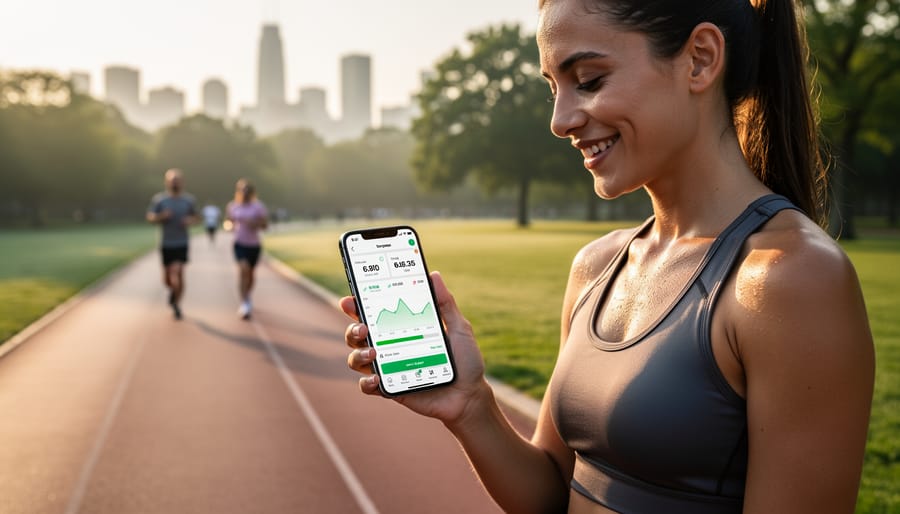
Smartphone apps and digital health tools provide convenience and instant tracking. Many offer reminders, charts, and integration with fitness devices. They’re perfect for tech-comfortable users who want visual progress reports and on-the-go access. However, screen time and app overload can be drawbacks for some people.
Spreadsheets strike a middle ground, offering customization without specialized apps. They work well for detail-oriented individuals who enjoy organizing data their own way. You can create graphs and track multiple metrics easily, though the initial setup requires more effort.
Choose based on your lifestyle and preferences. If you’re unsure, try each method for one week. The format that requires the least willpower to maintain is your winner. Remember, consistency matters more than perfection.
What to Track (And What to Skip)
Start with the essentials: date, type of activity, duration, and how you felt afterward. These four details give you valuable insights without overwhelming you. For example, “March 15 – 30-minute walk – felt energized” captures everything you need to spot patterns and track progress.
You can skip precise calorie counts, exact heart rate zones, or detailed performance metrics unless you’re training for a specific goal. While fitness trackers provide this data automatically, manually recording it often creates unnecessary work that discourages consistency.
Consider adding intensity level on a simple 1-5 scale and any symptoms or discomfort, especially if you’re managing a chronic condition. Note weather conditions if you exercise outdoors, as this helps explain variations in performance and mood.
Remember, your journal serves you best when it’s sustainable. If tracking feels burdensome, you’re likely recording too much. The goal is gathering enough information to understand your habits and celebrate improvements, not creating a second job. Choose three to five data points that matter most to your health goals, and stick with those. You can always add more details later as journaling becomes routine.
Setting Realistic Baselines
Your first week of journaling serves as your personal starting point, not a test to pass or fail. Simply observe and record your current activity patterns without trying to change them yet. Notice when you naturally move more, what obstacles appear, and how you feel before and after different activities.
Record basic details like walking to your car, taking stairs, or playing with children. These everyday movements count and reveal patterns you might not otherwise notice. Track your energy levels and mood alongside activities to discover connections between movement and wellbeing.
This discovery phase provides valuable information for building healthy habits that fit your actual lifestyle. You’re gathering data about yourself, which makes future goals more realistic and achievable. Remember, wherever you’re starting is perfectly acceptable—this baseline becomes your foundation for meaningful, sustainable progress.
Making It Work With Your Canadian Lifestyle

Tracking Through All Four Seasons
Canada’s distinct seasons present unique challenges and opportunities for maintaining your physical activity journal year-round. During winter months, indoor activities become essential, so track gym sessions, mall walking, swimming, or home workouts with the same attention you give summer activities. Record how different conditions affect your energy levels and mood—this awareness helps you plan realistic routines as seasons change.
Spring’s unpredictable weather calls for flexibility in your journaling approach. Note backup indoor options when rain cancels outdoor plans, and celebrate gradual increases in outdoor time as temperatures warm. Summer offers extended daylight and warmer temperatures, making it easier to accumulate activity, but remember to log hydration levels and adjust intensity during heat waves.
Fall’s cooler weather often provides ideal conditions for outdoor movement. Use this transition period to experiment with layering strategies and document what clothing combinations work best at different temperatures—valuable information for the following year.
Consider seasonal goals that align with Canadian weather patterns. Winter might focus on consistency rather than intensity, while summer could emphasize variety and exploration. By acknowledging seasonal realities in your journal, you create a sustainable, personalized approach that works with your environment rather than against it, supporting long-term health benefits throughout the entire year.
Common Pitfalls and How to Avoid Them
Starting a physical activity journal can feel overwhelming at first, but recognizing common obstacles helps you navigate them successfully. Many Canadians abandon their journaling efforts within the first few weeks, but understanding these pitfalls makes long-term success much more achievable.
The perfectionism trap catches many beginners who believe they must record every detail of every movement. This all-or-nothing thinking leads to frustration when life gets busy. Experts recommend starting simple: track just 10 minutes daily, noting only the activity type and duration. You can always add more details later as the habit solidifies. Missing a day or two doesn’t mean failure; simply resume without judgment.
Another common challenge involves setting unrealistic tracking goals. Attempting to log every step, calorie, and heart rate measurement creates burnout. Instead, focus on one or two meaningful metrics that align with your personal health goals, whether that’s weekly exercise frequency or how activities affect your energy levels and mood.
Many people also struggle with inconsistent timing, trying to remember their entire day’s activities at bedtime. This approach relies heavily on memory and often fails. Health professionals suggest keeping your journal accessible throughout the day, perhaps using a small notebook or smartphone app for quick entries immediately after activities.
Comparing your progress to others on social media or fitness apps creates unnecessary discouragement. Your journal should reflect your unique journey, not someone else’s achievements. Focus on personal improvements, like noticing you can walk longer distances comfortably or feeling less stressed after movement.
Finally, viewing journaling as a chore rather than a helpful tool diminishes motivation. Reframe it as self-care that provides valuable insights about your body and wellbeing. The few minutes spent journaling support better health decisions and celebrate your commitment to an active lifestyle.
Tracking your physical activity through journaling offers powerful benefits for your body and mind, from reducing chronic disease risk to boosting mood and energy levels. The beauty of this practice lies in its simplicity and flexibility—there’s no perfect way to journal, only the way that works best for you.
Remember, activity journaling is a tool for self-awareness and personal growth, not a measure of your worth. It helps you notice patterns, celebrate progress, and understand what makes you feel your best. Whether you choose a simple notebook, a smartphone app, or a fitness tracker, the goal is connection with your body’s needs and achievements.
Start small today. Write down just one activity you completed, noting how it made you feel. That single entry is the beginning of a meaningful relationship with movement and wellness. As you continue, you’ll discover insights about your habits, preferences, and health that no external expert could provide—because you’re becoming the expert on your own body.
Your journey toward better health through mindful movement starts now. Pick up that pen, open that app, and take the first step. You’ve got this.