

Understanding your child’s growth measurements can feel overwhelming when a healthcare provider mentions z-scores. A z-score is a statistical measure that compares your child’s weight, height, or other growth indicators against standard reference data for children of the same age and sex. When the z-score falls below -2, it signals moderate malnutrition, while a score below -3 indicates severe malnutrition requiring immediate attention.
Healthcare providers use z-scores because they provide a precise, objective way to identify malnutrition early, especially in children with chronic diseases who may experience growth challenges. Unlike simple percentile rankings, z-scores reveal exactly how far a child’s measurements deviate from what’s expected, making it easier to track changes over time and adjust nutritional interventions accordingly.
If your child receives a concerning z-score, focus on nutrient-dense foods rather than simply increasing calories. Work with a registered dietitian to create meal plans that include adequate protein, healthy fats, and essential vitamins tailored to your child’s specific needs and any underlying conditions. Monitor growth regularly through follow-up appointments, as consistent tracking helps determine whether nutritional strategies are working.
For children with chronic illnesses affecting growth, z-scores become particularly valuable tools. They help distinguish between malnutrition caused by inadequate food intake versus underlying disease processes, guiding appropriate treatment approaches. Understanding these measurements empowers you to advocate effectively for your child’s nutritional health and make informed decisions about their care.
What Is Z-Score Malnutrition and Why Should You Care?
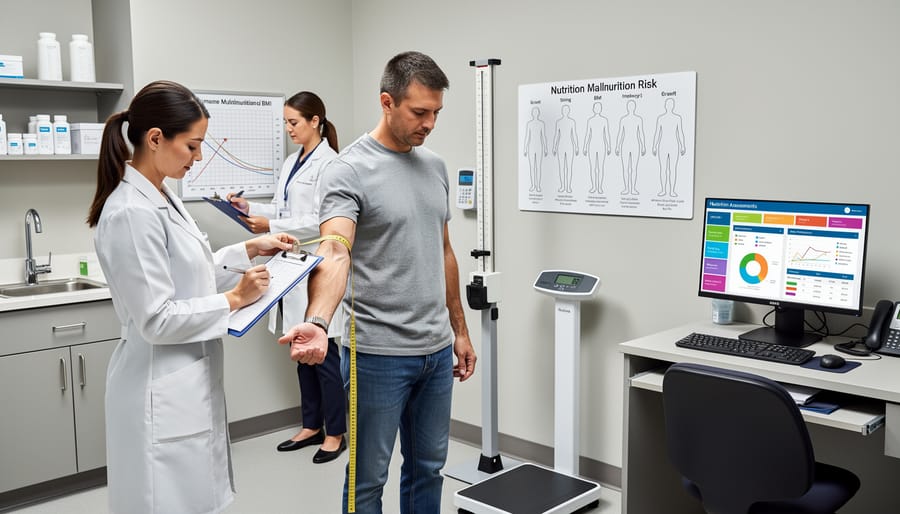
The Science Made Simple: Understanding Z-Scores
Think of a z-score as a way to measure where someone falls on a growth or nutrition chart compared to others of the same age and sex. It tells healthcare providers how far above or below average a person’s measurements are.
Here’s a simple way to understand it: imagine lining up 100 children of the same age. A z-score of 0 means a child is right in the middle of that group—perfectly average. A z-score of -1 means they’re smaller or lighter than about 84% of children their age, while a z-score of +1 means they’re larger than about 84% of children.
When healthcare providers assess malnutrition, they look at measurements like weight, height, and body mass index, then compare these to what’s typical for someone’s age group. Each point on the z-score scale represents one “standard deviation,” which is simply a statistical way of measuring difference from the average.
For malnutrition screening, z-scores below -2 raise concerns. At this level, a child or adult is significantly smaller or lighter than expected, suggesting they may not be getting adequate nutrition. A z-score of -3 or lower indicates severe malnutrition requiring immediate attention.
This measurement system gives your healthcare team a clear, standardized way to track nutritional status over time and compare results across different populations, making it easier to identify who needs nutritional support and monitor how well interventions are working.
Z-Scores vs. Traditional Measurements
Traditional measurements like Body Mass Index (BMI) or weight alone don’t tell the full story when it comes to detecting malnutrition, especially in people with chronic diseases. While BMI compares your weight to your height, it doesn’t account for important factors like your age, sex, or individual growth patterns.
Z-scores offer a more accurate picture because they show how your measurements compare to healthy reference populations with similar characteristics. Think of it this way: a weight loss of 10 pounds might be concerning for one person but perfectly normal for another, depending on their starting point and body composition.
For Canadians managing chronic conditions like kidney disease, cancer, or heart failure, z-scores can detect early signs of muscle wasting and nutritional decline that BMI might miss entirely. This is particularly valuable because catching malnutrition early means healthcare providers can intervene sooner with targeted nutrition support.
Research shows that z-scores are especially helpful for identifying protein-energy malnutrition in hospital settings and tracking how well nutritional interventions are working over time. This evidence-based approach helps ensure you receive the most appropriate care based on your unique nutritional needs rather than relying on one-size-fits-all measurements.
How Z-Score Malnutrition Affects Chronic Disease Management
The Hidden Impact on Diabetes Management
Malnutrition plays a surprising dual role in diabetes complications, affecting both those who eat too little and those who consume excess calories. When your body lacks essential nutrients—measured through z-scores that fall below healthy ranges—your cells struggle to respond properly to insulin. This makes blood sugar control significantly more challenging, even with medication.
Undernutrition depletes vital minerals like chromium and magnesium, which are crucial for glucose metabolism. Without adequate protein, your body also loses muscle mass, reducing its ability to absorb glucose from your bloodstream. On the flip side, overnutrition, particularly excess body fat, creates inflammation that blocks insulin signals, leading to persistent high blood sugar levels.
The good news is that correcting nutritional imbalances can dramatically improve outcomes. Healthcare providers use z-scores to identify specific deficiencies and guide personalized nutrition plans. By addressing these nutritional gaps through balanced eating and targeted supplementation when needed, many people experience better blood sugar stability and reduced medication requirements. Implementing effective diabetes management strategies that include proper nutrition assessment can help you regain control of your health and prevent long-term complications.
Heart Disease and Nutritional Status
Malnutrition, as measured by z-scores, plays a significant role in heart disease outcomes. When your body lacks proper nutrition, your heart must work harder with fewer resources, which can accelerate cardiovascular disease progression. Research shows that individuals with low z-scores for weight and muscle mass face higher risks of heart complications and slower recovery after cardiac events.
Your nutritional status directly affects your heart’s ability to pump blood efficiently. Poor nutrition can lead to weakened heart muscle, irregular heart rhythms, and reduced capacity to heal damaged tissue. This is particularly concerning for Canadians living with existing heart conditions, as malnutrition can complicate treatment and reduce the effectiveness of medications.
The good news is that improving your z-scores through targeted nutrition can support heart health. Focus on protein-rich foods to maintain muscle mass, including lean meats, fish, beans, and dairy products. Omega-3 fatty acids from fish and nuts support cardiovascular function, while fruits and vegetables provide essential vitamins that protect your heart. Working with a registered dietitian can help you develop a personalized eating plan that addresses both your nutritional deficits and heart health needs, improving your overall recovery and long-term wellness.
Cancer, Kidney Disease, and Other Chronic Conditions
Z-score monitoring plays an important role in managing several chronic conditions that affect many Canadians. For people living with cancer, tracking weight and growth using z-scores helps healthcare teams catch malnutrition early, when it’s easier to address. This is especially valuable during treatments like chemotherapy, which can significantly impact appetite and nutrient absorption.
In kidney disease, z-scores help monitor how well the body is maintaining muscle mass and overall nutrition despite the challenges these conditions create. Since kidney disease can affect how your body processes protein and other nutrients, regular monitoring provides clear markers of whether your nutrition plan is working effectively.
Other chronic conditions, including inflammatory bowel disease, cystic fibrosis, and heart failure, also benefit from z-score assessments. These conditions often create ongoing nutritional challenges that require consistent monitoring. By tracking z-scores over time, you and your healthcare provider can spot concerning trends before they become serious problems, allowing for timely adjustments to your nutrition strategy. This proactive approach supports better outcomes and helps maintain your quality of life while managing chronic illness.
Recognizing the Warning Signs of Malnutrition
Physical Symptoms to Watch For
Recognizing the physical signs of malnutrition early can help you take action before the condition worsens. One of the most noticeable symptoms is unintentional weight loss, which occurs when your body isn’t getting enough calories or nutrients to maintain a healthy weight. You might also notice changes in how your clothes fit or see a lower number on the scale without trying to lose weight.
Muscle wasting is another key indicator, particularly in your arms, legs, and shoulders. Your muscles may appear smaller or feel weaker than usual, making everyday tasks like climbing stairs or carrying groceries more challenging. This happens because your body breaks down muscle tissue for energy when it lacks adequate nutrition.
Persistent fatigue and weakness often accompany malnutrition. You might feel tired even after getting enough sleep, or find that you lack the energy to complete your normal daily activities. Some people also experience dizziness, particularly when standing up quickly.
Other physical signs include dry, flaky skin, brittle nails, thinning hair, and slow wound healing. Your immune system may weaken, making you more susceptible to infections. If you notice these symptoms, especially in combination, consult with your healthcare provider for proper assessment and nutritional guidance.

Risk Factors That Increase Vulnerability
Certain groups face higher vulnerability to malnutrition as measured by z-scores. Seniors are particularly at risk due to age-related changes in appetite, difficulty chewing or swallowing, and reduced nutrient absorption. Living alone can also limit access to nutritious meals.
People managing chronic conditions like diabetes, heart disease, cancer, or kidney disease often experience increased nutritional needs while simultaneously facing reduced appetite or dietary restrictions. These conditions can create a challenging cycle where proper nutrition becomes harder to maintain.
Mental health challenges, including depression and anxiety, frequently affect eating patterns and food choices. These conditions may reduce motivation to prepare meals or diminish appetite altogether.
Limited food access remains a significant barrier for many Canadians. Financial constraints, living in food deserts, lack of transportation, or physical disabilities that make shopping difficult all contribute to nutritional vulnerability. Indigenous communities and those in remote areas may face additional challenges accessing fresh, nutritious foods.
If you fall into any of these categories, working with your healthcare provider to implement lifestyle changes and create a personalized nutrition plan can help prevent malnutrition and support better health outcomes.
Nutritional Interventions That Make a Real Difference
Working With Your Healthcare Team
If you’re concerned about malnutrition or have received a concerning z-score assessment, partnering with healthcare professionals is essential for effective management. In Canada, your family doctor can refer you to a registered dietitian (RD) through provincial health programs, often covered by public health insurance in hospital or community settings. Many private insurance plans also cover dietitian services.
During your first nutritional assessment, expect a comprehensive review of your eating habits, medical history, medications, and lifestyle factors. Your dietitian will interpret z-score results in context with other health markers and work with you to create a personalized nutrition plan. This collaborative approach reflects patient-centered chronic disease care, where your preferences and circumstances shape treatment decisions.
Don’t hesitate to ask questions about your z-score results, realistic nutrition goals, and practical strategies for improving your nutritional status. Your healthcare team may include physicians, nurses, and dietitians who coordinate care to address underlying causes of malnutrition while supporting your overall health. Regular follow-up appointments help track progress and adjust your nutrition plan as needed, ensuring sustainable improvements in your nutritional health.

Practical Dietary Adjustments for Better Outcomes
Improving your z-score requires targeted dietary changes that support your body’s nutritional needs, especially when managing chronic conditions. Here are practical strategies you can implement today.
Focus on protein at every meal. Aim for 25-30 grams of protein per meal to support muscle maintenance and repair. Good sources include lean meats, fish, eggs, Greek yogurt, legumes, and tofu. If you struggle with appetite, try eating smaller, more frequent meals throughout the day rather than three large ones.
Prioritize nutrient-dense foods that pack maximum nutrition into every bite. Choose whole grains over refined options, add avocado or nut butters for healthy fats and calories, and include colorful vegetables at each meal for essential vitamins and minerals. When calories are limited, make every one count.
Time your meals strategically. Eating within an hour of waking helps jumpstart your metabolism, and consuming protein before bed supports overnight muscle recovery. If you experience nausea or reduced appetite due to medication or illness, eat your largest meal when you feel best, which is often earlier in the day.
Consider nutritional supplements when food intake falls short. Registered dietitians can recommend appropriate protein shakes, vitamin supplements, or fortified foods based on your specific needs. These complement whole foods rather than replace them.
Working with healthcare providers to optimize nutrition for chronic disease management ensures your dietary adjustments address both your z-score concerns and overall health goals effectively.
When Supplements and Medical Nutrition Make Sense
When your healthcare provider identifies malnutrition through z-score assessment, they may recommend nutritional supplements or medical nutrition products as part of your treatment plan. These specialized products are typically suggested when dietary changes alone cannot meet your increased nutritional needs or when you’re struggling to maintain adequate intake through regular meals.
Nutritional supplements become particularly important if you have difficulty eating enough calories or protein due to illness, digestive issues, or reduced appetite. Medical nutrition products are specially formulated to provide concentrated nutrients in easy-to-consume formats, making them valuable tools for addressing significant nutritional gaps.
Your healthcare team will determine whether supplements are appropriate based on your specific z-score results, overall health status, and nutritional goals. They’ll consider factors like your ability to eat regular foods, any absorption issues, and your body’s increased demands during recovery or illness management.
Remember that supplements work best alongside healthy eating patterns, not as complete replacements for nutritious meals. Your dietitian or healthcare provider will create a personalized plan that combines whole foods with appropriate supplementation, ensuring you receive optimal nutrition while working to improve your z-scores and overall health status.
Taking Action: Your Next Steps for Better Nutrition
Questions to Ask Your Doctor
Having an open conversation with your doctor is essential for understanding your nutritional status. Consider asking: “Can you explain what my z-score means for my health?” This helps you understand whether you’re at risk for malnutrition. You might also ask, “How often should I have my nutritional status reassessed?” to ensure ongoing monitoring.
If you’re managing a chronic condition, inquire: “How does my illness affect my nutritional needs?” This provides clarity on any specific dietary adjustments you may need. It’s also helpful to ask, “Would I benefit from seeing a registered dietitian?” to access specialized nutrition support.
For those with concerning results, consider asking: “What practical steps can I take to improve my nutritional status?” Your doctor can provide personalized recommendations based on your z-score and overall health picture. Don’t hesitate to ask about community resources or nutrition programs available in your area that might support your journey toward better nutrition.

Canadian Resources for Nutritional Support
If you or a loved one are concerned about malnutrition, several Canadian resources can provide support and guidance. Health Canada offers nutrition information through their website, including Canada’s Food Guide, which provides evidence-based dietary recommendations for all life stages.
Provincial health programs vary across Canada. Contact your local public health unit to learn about community nutrition programs, which often include free or low-cost services such as nutrition counseling, meal programs, and cooking classes. Many provinces also offer telephone health lines staffed by registered nurses who can provide initial guidance and appropriate referrals.
Community Health Centres across Canada typically have registered dietitians available for consultations. Your family doctor can also refer you to a dietitian covered under provincial health plans when malnutrition is diagnosed.
Dietitians of Canada maintains a “Find a Dietitian” directory on their website, helping you locate qualified professionals in your area. Local food banks and community organizations often provide not just food assistance but also nutrition education programs.
For ongoing support, consider exploring digital health resources that can help you track nutrition intake and connect with healthcare providers remotely. Remember, early intervention makes a significant difference in addressing malnutrition effectively.
Understanding your nutritional status through tools like z-scores is an important step in taking control of your health, especially when managing chronic conditions. Nutrition isn’t just about eating well—it’s a fundamental pillar of treatment that works alongside medications, physical activity, and other therapies to support your overall wellness. When you prioritize nutritional health, you’re giving your body the resources it needs to function optimally, manage symptoms more effectively, and potentially reduce your risk of complications.
If your healthcare provider has mentioned z-scores or concerns about your nutritional status, remember that this information is meant to empower you, not overwhelm you. Small, consistent changes to your eating habits can make a meaningful difference over time. Whether you’re working with a registered dietitian, following evidence-based nutrition guidelines, or simply making more informed food choices, every positive step counts.
Taking a proactive, supportive approach to nutrition means viewing it as an investment in your long-term health rather than a short-term fix. By staying informed, seeking professional guidance when needed, and being patient with yourself throughout the process, you can build sustainable habits that support both your physical and mental well-being for years to come.