

Your thyroid gland produces hormones that act as your body’s metabolic master switch, controlling how quickly you burn calories, generate energy, and regulate body temperature. When this small, butterfly-shaped gland in your neck produces too much or too little thyroid hormone, the effects ripple through every cell in your body, potentially explaining persistent weight gain, crushing fatigue, sensitivity to cold, or unexplained weight loss despite normal eating habits.
Thyroid hormones—primarily T3 and T4—directly influence your metabolic rate by instructing cells how efficiently to convert food into usable energy. An underactive thyroid (hypothyroidism) slows this process, causing your metabolism to operate like a car stuck in low gear. Conversely, an overactive thyroid (hyperthyroidism) accelerates metabolism excessively, burning through calories at an unsustainable pace.
Understanding this connection matters because thyroid disorders affect approximately one in ten Canadians, yet many remain undiagnosed for years while attributing symptoms to stress, aging, or lifestyle factors. The good news is that once identified through simple blood tests measuring TSH, T3, and T4 levels, thyroid conditions are highly manageable with proper medical care.
Beyond medical treatment, specific nutritional strategies and lifestyle modifications can support healthy thyroid function and optimize your metabolism. Whether you suspect a thyroid issue or simply want to understand how this crucial gland influences your weight and energy levels, recognizing the thyroid-metabolism relationship empowers you to take informed action toward better health.
How Your Thyroid Acts as Your Body’s Metabolic Thermostat
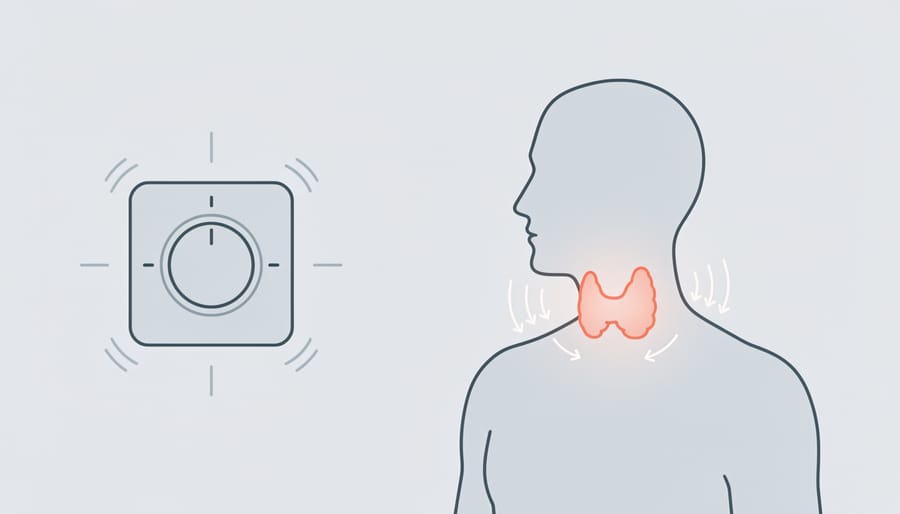
Think of your thyroid gland as your body’s metabolic thermostat. Just as a thermostat regulates the temperature in your home, your thyroid controls how fast or slow your body burns energy. This butterfly-shaped gland in your neck might be small, but it has a powerful influence on nearly every cell in your body.
Your thyroid produces two main hormones: thyroxine (T4) and triiodothyronine (T3). While T4 is the more abundant hormone your thyroid produces, T3 is actually the more active form that does most of the work in your cells. Your body cleverly converts T4 into T3 as needed, much like having a reserve fuel tank that can be tapped when required.
These thyroid hormones act like tiny messengers, traveling through your bloodstream and delivering instructions to your cells about how much energy to produce and use. When thyroid hormones enter your cells, they influence the mitochondria, often called the powerhouses of your cells. They essentially tell these powerhouses how fast to work, affecting everything from how quickly you digest food to how efficiently you burn calories, even while you’re resting.
When your thyroid is functioning properly, it maintains a balanced metabolic rate that keeps your energy levels steady, your weight stable, and your body temperature comfortable. However, when thyroid hormone levels are too high or too low, this delicate balance gets disrupted.
If your thyroid produces too much hormone (hyperthyroidism), your metabolism speeds up excessively. This is like cranking the thermostat too high, causing your body to burn through energy too quickly. Conversely, when your thyroid produces too little hormone (hypothyroidism), your metabolism slows down significantly, similar to turning the thermostat way down, leaving your body running sluggishly.
The remarkable aspect of thyroid hormones is their reach. They don’t just affect one or two body systems; they influence your heart rate, digestive speed, brain function, muscle strength, and even how your body uses vitamins and minerals. This widespread influence explains why thyroid imbalances can cause such diverse symptoms throughout your body.
The Direct Link Between Thyroid Function and Your Metabolic Rate
When Your Thyroid Slows Down: Hypothyroidism and Metabolism
When your thyroid gland doesn’t produce enough hormones, a condition called hypothyroidism develops, causing your metabolism to shift into low gear. This underactive thyroid means your body burns calories more slowly, affecting nearly every system in your body.
The most common symptoms include unexplained weight gain or difficulty losing weight, persistent fatigue even after adequate sleep, increased sensitivity to cold temperatures, dry skin, thinning hair, and constipation. Many people also experience brain fog, muscle weakness, and depressed mood. These symptoms often develop gradually, making them easy to dismiss as simply getting older or being stressed.
Hypothyroidism affects approximately 1 in 10 Canadians, with women being five to eight times more likely to develop the condition than men. The risk increases with age, particularly after 60, and those with a family history of thyroid disease face higher likelihood of developing hypothyroidism.
The good news is that hypothyroidism is highly treatable. If you’re experiencing these symptoms, your doctor can perform a simple blood test measuring thyroid stimulating hormone (TSH) and thyroid hormone levels. Most people with hypothyroidism manage their condition effectively with daily thyroid hormone replacement medication, which helps restore normal metabolism and alleviates symptoms.
Left untreated, hypothyroidism can lead to more serious complications including high cholesterol, heart disease, and in rare cases, myxedema. Early detection and proper treatment allow most Canadians with hypothyroidism to maintain active, healthy lives with normal metabolic function.

When Your Thyroid Speeds Up: Hyperthyroidism and Metabolism
When your thyroid gland produces too much hormone, a condition called hyperthyroidism, your metabolism shifts into overdrive. This overactivity forces your body to burn energy at an unusually rapid rate, creating symptoms that can significantly impact your daily life.
People with hyperthyroidism often experience unintended weight loss despite eating normally or even more than usual. Your heart may beat noticeably faster, sometimes feeling like it’s racing or pounding. You might feel unusually anxious, restless, or irritable without clear cause. Other common signs include trembling hands, excessive sweating, difficulty sleeping, and feeling overheated when others are comfortable.
While some might think a faster metabolism sounds appealing, hyperthyroidism demonstrates why balance is essential. The constant metabolic acceleration puts tremendous strain on your body. Your heart works harder than it should, which can lead to cardiovascular complications over time. The rapid energy burn can cause muscle weakness and bone density loss. Many people feel exhausted despite their body running at high speed, creating a frustrating contradiction.
In Canada, hyperthyroidism affects about 1 in 100 people, with women being more susceptible than men. The most common cause is Graves’ disease, an autoimmune condition where your immune system mistakenly stimulates thyroid overproduction.
If you’re experiencing these symptoms, consulting your healthcare provider is important. Blood tests can measure thyroid hormone levels and determine if hyperthyroidism is the underlying cause. Treatment options, including medication and other therapies, can effectively restore hormonal balance and relieve symptoms.
Beyond Weight: How Thyroid Hormones Influence Your Overall Metabolic Health
Your thyroid’s influence extends far beyond the number on your scale. These powerful hormones act as master regulators of your metabolism, affecting nearly every system in your body. Understanding these broader impacts can help you recognize thyroid-related issues early and take steps to protect your long-term health.
One significant area where thyroid function makes a difference is cholesterol management. When thyroid hormone levels drop, your liver becomes less efficient at processing and clearing LDL cholesterol (the type associated with heart disease risk). This explains why many people with underactive thyroids develop elevated cholesterol levels, even when following heart-healthy diets. Addressing thyroid imbalances often helps normalize cholesterol without additional medication.
Thyroid hormones also play a crucial role in blood sugar regulation. They influence how quickly your cells absorb glucose and how sensitive your body is to insulin. Both overactive and underactive thyroid conditions can disrupt this delicate balance, potentially increasing your risk of developing insulin resistance or type 2 diabetes over time.
Your cardiovascular health depends heavily on proper thyroid function as well. These hormones help regulate heart rate, blood pressure, and the strength of your heartbeat. An underactive thyroid can slow your heart rate and raise blood pressure, while an overactive thyroid may cause rapid heartbeat and strain your cardiovascular system.
Mental clarity and emotional well-being are equally affected. Thyroid hormones support brain function by influencing neurotransmitter production and brain cell metabolism. Many people with thyroid imbalances experience brain fog, difficulty concentrating, memory problems, or mood changes like depression and anxiety. These cognitive and emotional symptoms often improve significantly once thyroid levels are optimized.
The good news is that supporting your thyroid health through proper nutrition, stress management, adequate sleep, and appropriate medical care when needed can have positive ripple effects throughout your entire body. By maintaining healthy thyroid function, you’re investing in your metabolic health, reducing chronic disease risk, and supporting both your physical and mental well-being for years to come.
Recognizing the Warning Signs of Thyroid-Related Metabolic Problems
Your body often sends clear signals when your thyroid isn’t working optimally, affecting how you process energy. Recognizing these warning signs early can help you get the support you need to feel like yourself again.
The most common indicator is unexplained weight changes that don’t match your eating habits or activity level. If you’re gaining weight despite maintaining a healthy diet and regular exercise routine, or losing weight rapidly without trying, your thyroid metabolism connection might need attention. These changes often feel frustrating because traditional weight management strategies don’t seem to work as expected.
Energy levels provide another important clue. Persistent fatigue that doesn’t improve with adequate sleep, or feeling unusually cold when others are comfortable, may signal an underactive thyroid slowing your metabolism. Conversely, feeling restless, overheated, or experiencing a racing heart could indicate an overactive thyroid speeding things up.
Pay attention to digestive changes too. Unexplained constipation or frequent bowel movements can reflect how thyroid hormones influence your digestive system’s pace. Changes in your hair, skin, and nails—such as unusual dryness, thinning hair, or brittle nails—also deserve consideration, as these tissues are sensitive to metabolic shifts.
Mental and emotional changes matter just as much. Brain fog, difficulty concentrating, mood swings, or increased anxiety can all connect to thyroid function affecting your brain’s metabolism.
Here’s the encouraging news: thyroid-related metabolic problems are highly manageable conditions when properly identified and treated. If you’re experiencing several of these symptoms, especially if they’ve persisted for weeks or worsened over time, schedule an appointment with your healthcare provider. A simple blood test can measure your thyroid hormone levels and provide clear answers.
Remember, these symptoms don’t define your future. Many Canadians successfully manage thyroid conditions and return to feeling energetic and healthy with appropriate care and lifestyle adjustments. Recognizing the signs is simply the first step toward getting the support you deserve.
Nutrition Strategies to Support Healthy Thyroid Function
Supporting your thyroid through nutrition doesn’t require a restrictive diet or expensive supplements. Instead, focus on incorporating key nutrients that help your thyroid produce and regulate hormones effectively. Understanding how food choices shape hormone balance empowers you to make informed decisions about your daily meals.
Iodine is essential for thyroid hormone production, as it forms the building blocks of T3 and T4. Most Canadians get adequate iodine through iodized salt, but you can also find it in seafood like cod and shrimp, seaweed snacks, dairy products, and eggs. If you use sea salt or Himalayan salt, remember these typically don’t contain iodine.
Selenium helps convert T4 into the more active T3 hormone and protects your thyroid from oxidative stress. Just two Brazil nuts daily can meet your selenium needs, though you’ll also find it in fish, chicken, turkey, and whole grains. Since selenium is abundant in Canadian-grown wheat, whole grain bread and pasta contribute to your intake.
Zinc supports thyroid hormone production and helps receptors throughout your body respond to these hormones. Good sources include lean meats, pumpkin seeds, lentils, chickpeas, and cashews. A simple chickpea curry or trail mix with seeds and nuts provides zinc alongside other beneficial nutrients.
Iron helps enzymes that produce thyroid hormones work properly. Canadian-friendly sources include lean red meat, fortified cereals, spinach, and beans. Pairing plant-based iron sources with vitamin C-rich foods like bell peppers or citrus fruits enhances absorption.
Consider practical meal ideas like a breakfast of scrambled eggs with whole grain toast, a lunch of salmon salad with pumpkin seeds, or a dinner featuring chicken with roasted vegetables and quinoa. These combinations naturally provide multiple thyroid-supporting nutrients without requiring special planning.
Remember that balance matters more than perfection. Focus on variety, choose whole foods when possible, and don’t stress about getting every nutrient at every meal. If you have concerns about specific deficiencies or thyroid conditions, discussing personalized nutrition strategies with a registered dietitian ensures recommendations suit your individual needs.

Lifestyle Factors That Impact Your Thyroid and Metabolism
Your daily habits play a significant role in supporting healthy thyroid function and metabolism. The relationship works both ways—your lifestyle choices affect your thyroid, and your thyroid health influences how you respond to these same factors.
Regular physical activity benefits your thyroid in multiple ways. Moderate exercise helps improve insulin sensitivity, supports healthy body composition, and can enhance the conversion of T4 to the more active T3 hormone. However, excessive high-intensity training without adequate recovery may stress your system and potentially suppress thyroid function. Aim for a balanced approach that includes both cardiovascular activity and strength training, listening to your body’s energy levels. Understanding how exercise impacts hormones can help you create a workout routine that supports rather than hinders your thyroid.
Sleep quality and duration directly influence thyroid hormone production and metabolism. Your body produces and regulates thyroid hormones according to your circadian rhythm, with TSH (thyroid-stimulating hormone) levels typically peaking during sleep. Chronic sleep deprivation can disrupt this delicate balance, potentially slowing your metabolism. Conversely, thyroid disorders often cause sleep disturbances. Learning how hormones affect sleep provides valuable insights for improving your rest quality.
Chronic stress significantly impacts thyroid function through elevated cortisol levels, which can interfere with thyroid hormone production and conversion. Stress may also trigger or worsen autoimmune thyroid conditions in susceptible individuals. Implementing effective stress management techniques—such as mindfulness practices, deep breathing exercises, or engaging in enjoyable hobbies—supports both thyroid health and overall metabolic function.
Start with small, sustainable changes. Prioritize seven to nine hours of quality sleep nightly, incorporate movement you enjoy, and develop a stress-reduction practice that fits your lifestyle. These foundational habits create an environment where your thyroid can function optimally.
When to Talk to Your Healthcare Provider About Thyroid Testing
If you’re experiencing unexplained weight changes, persistent fatigue, sensitivity to temperature, or changes in energy levels despite maintaining healthy habits, it may be time to speak with your healthcare provider about thyroid testing. In Canada, thyroid function tests are commonly ordered when symptoms suggest a potential imbalance, or as part of routine screening for those with risk factors like a family history of thyroid disease, previous thyroid issues, or certain autoimmune conditions.
When you visit your doctor, be prepared to discuss your symptoms in detail, including when they started and how they affect your daily life. Keep a brief log of your energy levels, weight changes, sleep patterns, and any other concerns to help paint a complete picture. Your healthcare provider will typically start with a blood test measuring Thyroid Stimulating Hormone (TSH), which indicates how hard your pituitary gland is working to regulate thyroid function. Depending on your results, they may also test your actual thyroid hormone levels through T3 (triiodothyronine) and T4 (thyroxine) measurements.
Most thyroid blood tests don’t require fasting, though it’s best to schedule them in the morning for consistency. Bring a list of all medications and supplements you’re taking, as some can affect test results. If you’re already taking thyroid medication, take it after your blood draw.
Don’t hesitate to ask questions about your results and what they mean for your health. Request a copy of your lab work for your records, and discuss next steps whether that’s monitoring, lifestyle changes, or treatment. Remember, advocating for your health is important. If your symptoms persist despite normal test results, continue the conversation with your healthcare provider about further investigation or specialist referral.

Your thyroid hormones are powerful regulators of your metabolism, influencing everything from how your body burns calories to your energy levels and mental clarity. While thyroid imbalances can feel overwhelming, especially when they’re causing unexplained weight changes or persistent fatigue, the good news is that these conditions are highly manageable with the right support and approach.
Understanding the connection between your thyroid and metabolism is the first step toward taking control of your health. Whether you’re experiencing symptoms or simply want to support optimal thyroid function, small, consistent lifestyle changes can make a meaningful difference. Prioritizing nutrient-rich foods, managing stress, getting adequate sleep, and staying physically active all contribute to better metabolic health.
If you suspect a thyroid issue, don’t hesitate to speak with your healthcare provider. Early detection and proper treatment can prevent complications and restore your quality of life. Remember, you’re not alone in this journey. With proper medical care, evidence-based lifestyle adjustments, and ongoing awareness of your body’s signals, you can achieve balanced thyroid function and vibrant metabolic wellness. Taking informed action today sets the foundation for lasting health tomorrow.