
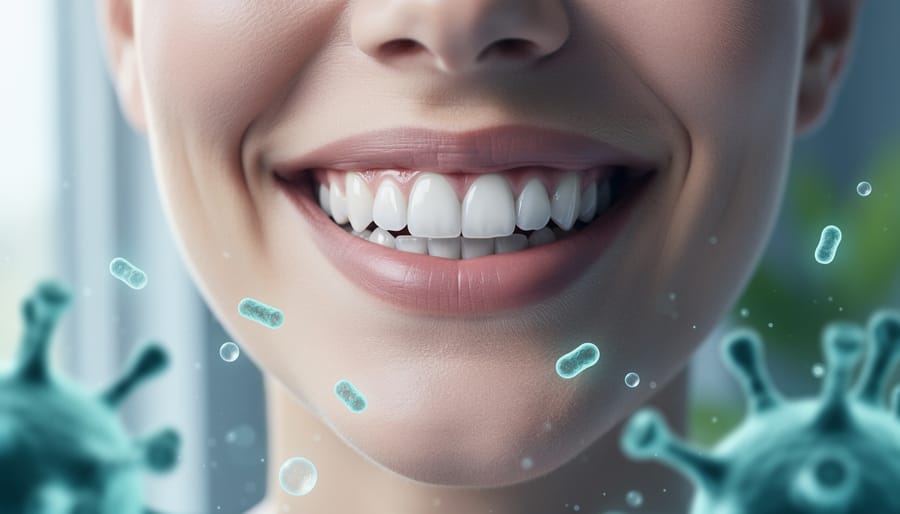
Your mouth hosts over 700 species of bacteria, fungi, and other microorganisms that form a complex ecosystem directly linked to your immune function, cardiovascular health, and even brain performance. When this oral microbiome falls out of balance, harmful bacteria can dominate, triggering inflammation that extends far beyond your gums into your bloodstream and vital organs.
Research shows that disruptions in your oral microbiome contribute to conditions ranging from heart disease and diabetes to cognitive decline and chronic inflammation. The protective bacteria in your mouth serve as your body’s first line of defense, preventing pathogens from entering your system while supporting proper digestion and nutrient absorption.
Understanding how to nurture this delicate microbial community empowers you to prevent cavities and gum disease while simultaneously reducing your risk for systemic health problems. Unlike conventional approaches that focus solely on eliminating all bacteria, supporting a healthy oral microbiome means cultivating the beneficial species that keep harmful ones in check.
The good news: simple, evidence-based lifestyle modifications can restore and maintain oral microbiome balance. From choosing the right foods that feed protective bacteria to avoiding products that destroy your mouth’s natural defenses, you have more control over your oral and overall health than you might realize.
This guide explores the science behind your oral microbiome and provides practical strategies to optimize it naturally, helping you build a foundation for lasting wellness that starts in your mouth and extends throughout your entire body.
What Makes an Oral Microbiome Healthy?
The Balance That Matters
Your mouth is home to a thriving ecosystem of hundreds of different bacterial species, and keeping it healthy isn’t about eliminating bacteria—it’s about maintaining the right balance. Think of your oral microbiome as a garden: you want a diverse mix of beneficial plants that naturally crowd out the weeds.
A healthy oral microbiome contains a rich variety of bacterial species that work together to protect your mouth. These beneficial bacteria create a protective barrier on your teeth and gums, produce substances that keep harmful bacteria in check, and help maintain a balanced pH level in your mouth. When your oral ecosystem is diverse and balanced, disease-causing bacteria simply can’t gain a foothold.
The problem starts when this balance gets disrupted. Factors like excessive sugar consumption, smoking, stress, or overuse of antibacterial mouthwashes can reduce bacterial diversity. When beneficial bacteria decline, harmful species like Streptococcus mutans (which causes cavities) and Porphyromonas gingivalis (linked to gum disease) can multiply unchecked.
Research shows that people with healthy, diverse oral microbiomes have significantly lower rates of tooth decay, gum disease, and even bad breath. This diversity also supports your immune system and may influence your risk for certain chronic diseases. The goal isn’t a sterile mouth—it’s a balanced, thriving community of microorganisms working in your favour.
Signs Your Oral Microbiome Is Thriving
Wondering if your oral microbiome is in good shape? Your body provides clear signals when the bacterial balance in your mouth is healthy. Fresh breath throughout the day is one of the most noticeable signs, as beneficial bacteria help control odour-causing microbes. You’ll also notice your gums appear pink and firm rather than red or swollen, and they won’t bleed when you brush or floss.
A thriving oral microbiome means fewer mouth infections like recurring canker sores or oral thrush. You should experience overall comfort in your mouth without persistent sensitivity, dry mouth, or unusual tastes. Your teeth will feel smooth and clean rather than fuzzy or coated, even between brushings.
Pay attention to how quickly plaque builds up too. While some buildup is normal, a healthy microbiome helps keep excessive accumulation in check. If you’re experiencing minimal dental issues between checkups and your dentist consistently reports good oral health, these are reassuring indicators that your mouth’s bacterial ecosystem is working well to protect you. These positive signs reflect not just good oral hygiene habits but a balanced microbial community supporting your overall wellness.
The Surprising Link Between Your Mouth and Your Body
Oral Health and Mental Wellness
Your oral microbiome influences more than just your teeth and gums—it plays a surprising role in your mental wellness too. The gut-brain-mouth axis is an interconnected system where bacteria in your mouth can affect your gut health, which in turn impacts brain function and mood. When harmful bacteria overgrow in your mouth, they trigger inflammation that travels through your bloodstream. This chronic inflammation has been linked to increased stress, anxiety, and even depression.
Beyond the biological connection, oral health significantly affects your confidence and social wellness. Bad breath, tooth decay, or gum disease can make you self-conscious about smiling or speaking, potentially leading to social withdrawal. Research shows that people with poor oral health often experience lower self-esteem and reduced quality of life. The good news? Supporting a healthy oral microbiome through proper brushing, flossing, and eating probiotic-rich foods can help break this cycle. Just as your mind affects your body, your oral health influences your mental state. Taking care of your mouth is truly an investment in your overall wellness and happiness.
Protection Against Chronic Diseases
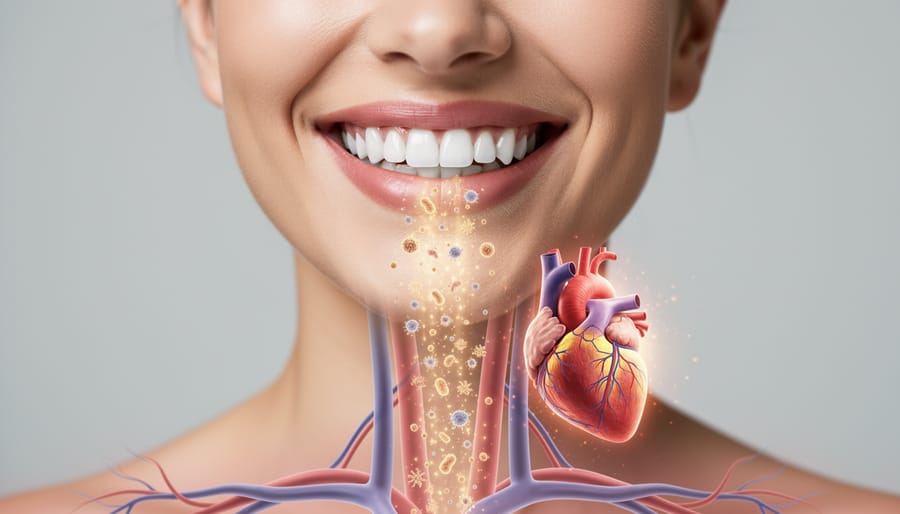
Your oral microbiome plays a surprisingly important role in chronic disease prevention. Research shows that harmful bacteria from your mouth can enter your bloodstream through inflamed gums, potentially affecting your heart and blood vessels. Studies have linked periodontal disease to increased risk of cardiovascular problems, with some research suggesting that people with gum disease are nearly twice as likely to develop heart disease.
The connection to diabetes is equally significant. Inflammation from an unhealthy oral microbiome can make it harder for your body to control blood sugar levels, while diabetes itself can worsen gum disease, creating a challenging cycle. Many Canadians with diabetes experience improved blood sugar control when they prioritize their oral health.
Beyond these conditions, an imbalanced oral microbiome contributes to systemic inflammation throughout your body. This chronic inflammation is linked to arthritis, respiratory conditions, and other inflammatory diseases. The good news is that maintaining a healthy balance of oral bacteria through proper dental care and lifestyle choices can support your body’s natural defenses and reduce your risk of developing these serious health conditions.
Your Fitness Performance Starts in Your Mouth
Your oral health does more than keep your smile bright—it directly influences your fitness performance. When harmful bacteria dominate your mouth, they can trigger systemic inflammation that reduces your body’s ability to absorb essential nutrients like protein, iron, and B vitamins. This means even a perfect diet might not fuel your workouts effectively if your oral microbiome is imbalanced.
Research shows that oral inflammation can decrease energy levels and slow post-exercise recovery. The bacteria in your mouth communicate with your gut microbiome, affecting digestion and nutrient uptake throughout your entire system. Poor oral health also increases oxidative stress, which can impair muscle repair after training sessions.
Supporting your oral microbiome through proper brushing, reducing sugar intake, and eating probiotic-rich foods helps optimize nutrient absorption and energy production. When your mouth bacteria are balanced, your body can better utilize the fuel you provide it, helping you perform stronger and recover faster.
What Disrupts Your Oral Microbiome
Diet and Nutrition Factors
Your daily food and beverage choices significantly influence the balance of bacteria in your mouth. Excessive sugar consumption feeds harmful bacteria that produce acids, eroding tooth enamel and disrupting microbial harmony. Tim Hortons’ Double Double, a Canadian favourite, contains about 6 teaspoons of sugar per medium cup, creating an ideal environment for cavity-causing bacteria. Processed foods with refined carbohydrates break down quickly into sugars, similarly affecting your oral microbiome.
Acidic beverages like pop, sports drinks, and even some fruit juices lower mouth pH, weakening enamel and allowing harmful bacteria to thrive. While moderate alcohol consumption may be part of social gatherings, excessive intake dries out your mouth by reducing saliva production. Since saliva naturally cleanses teeth and neutralizes acids, this creates conditions where problematic bacteria multiply. Just as nutrition affects mental health, your dietary patterns shape your oral ecosystem.
Instead, focus on whole foods like vegetables, lean proteins, and dairy products. Cheese, particularly aged cheddar produced in Quebec and Ontario, helps neutralize mouth acids while providing calcium that strengthens teeth and supports beneficial bacteria.
Oral Care Products That Do More Harm Than Good
While maintaining good oral hygiene is important, some common products can actually harm your mouth’s beneficial bacteria. Alcohol-based mouthwashes are particularly problematic, as they kill both harmful and helpful bacteria indiscriminately. Research shows that frequent use of these harsh rinses can significantly reduce bacterial diversity in your mouth, which may lead to imbalances that affect your overall health.
Toothpastes containing triclosan and other strong antibacterial agents can have similar effects. While these ingredients were designed to fight plaque, they don’t distinguish between good and bad bacteria. This disruption can actually make your mouth more vulnerable to harmful microbes over time.
Instead of reaching for products that promise to eliminate 99.9% of bacteria, consider gentler alternatives. Fluoride toothpaste without harsh antibacterial additives, alcohol-free mouthwashes, or natural rinses with ingredients like xylitol can clean your teeth effectively while preserving your beneficial oral bacteria. If you’re using prescription mouthwash for a specific condition, talk with your dentist about the shortest effective duration to minimize disruption to your oral microbiome.
Lifestyle and Environmental Stressors
Your daily habits and environment significantly influence your oral microbiome’s balance. Chronic stress elevates cortisol levels, which can alter bacterial composition and reduce beneficial species in your mouth. This stress response also often leads to teeth grinding and decreased saliva production, creating conditions where harmful bacteria thrive.
Smoking is one of the most damaging factors for oral microbiome health. It reduces oxygen levels in your mouth, promoting harmful anaerobic bacteria while suppressing beneficial microbes. Even years after quitting, the microbiome may show lasting changes.
Certain medications, particularly antibiotics and those causing dry mouth, disrupt bacterial balance. Saliva naturally cleanses your mouth and contains antimicrobial compounds, so reduced flow from medications, aging, or dehydration allows problematic bacteria to multiply. If you’re experiencing persistent dry mouth, speak with your healthcare provider about potential solutions like saliva substitutes or medication adjustments to support your oral ecosystem’s health.
Practical Steps to Support Your Oral Microbiome
Nutrition That Feeds Good Bacteria
Feeding your mouth the right nutrients creates an environment where beneficial bacteria thrive. Think of it as creating a garden where good bacteria can flourish while crowding out harmful species.
Probiotic-rich fermented foods introduce beneficial bacteria directly into your mouth. Canadian-friendly options include plain yogurt (look for brands with live active cultures like Liberté or Astro), kefir, sauerkraut, and kimchi. When eating yogurt, swish it around your mouth briefly before swallowing to maximize contact with oral tissues.
Prebiotic foods feed the good bacteria already in your mouth. Fiber-rich vegetables like apples, carrots, celery, and leafy greens require chewing, which stimulates saliva production while providing nutrients for beneficial microbes. Canadian-grown options like Ontario apples, Quebec cabbage, and BC blueberries are excellent choices available at local markets.
Specific nutrients support oral microbiome health. Vitamin D, which many Canadians lack during winter months, helps regulate immune responses in your mouth. Wild-caught salmon, fortified dairy products, and supplements can help maintain adequate levels. Omega-3 fatty acids from fish, flaxseeds, and walnuts reduce inflammation and support healthy gum tissue.
Polyphenol-rich foods like green tea, dark berries, and dark chocolate (70% cacao or higher) have antimicrobial properties that selectively inhibit harmful bacteria while supporting beneficial species.
Avoid excessive sugar and highly processed foods, which feed harmful bacteria and disrupt the delicate microbial balance. Instead, choose whole foods that nourish both you and your oral microbiome.

Smarter Oral Hygiene Practices
Supporting your oral microbiome starts with rethinking how you clean your mouth. The goal isn’t to eliminate all bacteria, but to maintain a balanced community of beneficial microbes while removing harmful buildup.
Choose gentle, microbiome-friendly products. Look for toothpastes without harsh antibacterial agents like triclosan, which can disrupt your microbial balance. Fluoride toothpastes remain effective for cavity prevention while being gentler on beneficial bacteria. Consider hydroxyapatite toothpastes as an alternative that supports remineralization without aggressive antimicrobial action.
Brush with care using a soft-bristled toothbrush and gentle circular motions for two minutes twice daily. Aggressive scrubbing damages gum tissue and can disturb the protective biofilm your mouth needs. Electric toothbrushes with pressure sensors help prevent over-brushing while ensuring thorough cleaning.
Don’t neglect your tongue, where beneficial bacteria colonies thrive. Use a tongue scraper gently once daily to remove excess buildup without disrupting the healthy microbial layer. Work from back to front with light pressure.
Floss daily using a gentle sawing motion to guide the floss between teeth, then curve it around each tooth in a C-shape. This removes food particles and plaque while preserving the delicate gum tissue that houses beneficial bacteria.
Avoid harsh alcohol-based mouthwashes that indiscriminately kill both harmful and beneficial bacteria. If you use mouthwash, choose alcohol-free options or rinse with plain water after meals.
These mindful practices maintain cleanliness while respecting the complex ecosystem that protects your oral and overall health.
Lifestyle Habits That Make a Difference
Your daily habits significantly influence your oral microbiome’s health beyond brushing and flossing. Staying well-hydrated throughout the day helps maintain saliva production, which naturally cleanses your mouth and provides essential minerals to beneficial bacteria. Aim for at least eight glasses of water daily to support this protective mechanism.
Chronic stress impacts your immune system and can disrupt the delicate balance of oral bacteria. Implementing stress management techniques like deep breathing, meditation, or regular physical activity helps maintain a healthier oral environment. Quality sleep is equally important, as your body repairs and regenerates tissues during rest, including those in your mouth.
Tobacco use dramatically alters your oral microbiome, reducing beneficial bacteria while promoting harmful species linked to gum disease and oral cancer. If you smoke or use tobacco products, quitting is one of the most powerful steps you can take for your oral and overall health. These lifestyle adjustments work together to create an environment where healthy bacteria thrive, supporting not just your mouth but your entire body’s wellness.
When to Seek Professional Guidance
While maintaining your oral microbiome is largely within your control, certain situations warrant professional consultation. Schedule a dental visit if you experience persistent bad breath despite good hygiene, bleeding gums, loose teeth, chronic dry mouth, or recurring oral infections. These symptoms may indicate microbiome imbalance requiring targeted intervention.
When seeking dental care, look for professionals who embrace a holistic health approach. Holistic or biological dentists consider your overall health when treating oral conditions, understanding the mouth-body connection. They typically minimize toxic materials, use biocompatible substances, and employ gentler cleaning techniques that preserve beneficial bacteria while removing harmful plaque.
Don’t hesitate to advocate for microbiome-friendly treatments. Ask your dentist about alternatives to antibacterial mouthwashes, which can disrupt bacterial balance. Inquire whether they recommend probiotic supplements following antibiotic treatment or dental procedures. Request fluoride-free options if you prefer, and discuss ozone therapy or laser treatments as gentler alternatives to traditional approaches.
If you have chronic health conditions like diabetes, autoimmune disorders, or heart disease, inform both your dentist and physician about your oral health status. These conditions significantly interact with oral microbiome health, and coordinated care between providers ensures comprehensive treatment.
Canadian healthcare providers are increasingly recognizing the importance of oral microbiome health. By asking informed questions and expressing your interest in preservation-focused care, you help advance this important shift in dental practice while protecting your wellness.
Your journey toward a healthy oral microbiome doesn’t require drastic changes or expensive treatments. The evidence is clear: simple, sustainable lifestyle adjustments can make a meaningful difference in balancing the bacterial communities in your mouth, which in turn supports your overall health and wellness.
Remember that your oral health is intimately connected to every aspect of your wellbeing. A balanced oral microbiome contributes to reduced inflammation throughout your body, supports digestive health, may influence your mental clarity, and helps protect against chronic diseases. By nurturing the beneficial bacteria in your mouth, you’re investing in your whole-body health.
The strategies we’ve explored—from choosing the right foods and practicing gentle oral hygiene to managing stress and staying hydrated—are all within your control. These aren’t temporary fixes but rather sustainable habits that fit naturally into daily life. Research consistently shows that small, consistent actions create lasting change.
You don’t need to implement everything at once. Start where you feel most comfortable. Perhaps you’ll swap your harsh mouthwash for a gentler alternative, add more fermented foods to your meals, or simply drink an extra glass of water each day. Each positive choice supports your oral microbiome and moves you closer to better health.
Take one small step today. Your mouth—and your body—will thank you for it. What will your first change be?