

Recognize the symptoms early: fever, cough, and difficulty breathing warrant immediate contact with your healthcare provider to discuss antiviral eligibility within the critical five-day window when these medications work best.
Request a prescription promptly if you test positive for COVID-19 and fall into high-risk categories, including being over 60, having underlying health conditions like diabetes or heart disease, or being immunocompromised. These antivirals—primarily Paxlovid and remdesivir in Canada—can reduce hospitalization risk by up to 89% when started early.
Complete the full treatment course exactly as prescribed, even if symptoms improve after a day or two. Stopping early allows the virus to rebound and potentially develop resistance, making future treatments less effective for you and others in your community.
Inform your doctor about all medications and supplements you take before starting antivirals, as Paxlovid particularly interacts with numerous common drugs, including some blood thinners, cholesterol medications, and immune suppressants.
COVID-19 antivirals represent a significant advancement in pandemic management, yet their effectiveness depends entirely on appropriate use. These prescription medications work by interfering with viral replication, preventing the virus from multiplying in your body during early infection stages. However, their power comes with responsibility. Antiviral stewardship—using these medications judiciously and correctly—protects both individual health and public health by preventing drug-resistant viral strains from emerging.
Understanding who needs antivirals, when to take them, and how to use them properly ensures these life-saving tools remain effective for current and future patients. This guide provides evidence-based information about COVID-19 antivirals available in Canada, helping you make informed decisions about treatment while supporting broader efforts to maintain their effectiveness through responsible use.
What Are COVID-19 Antivirals and How Do They Work?
The Main Antivirals Available in Canada
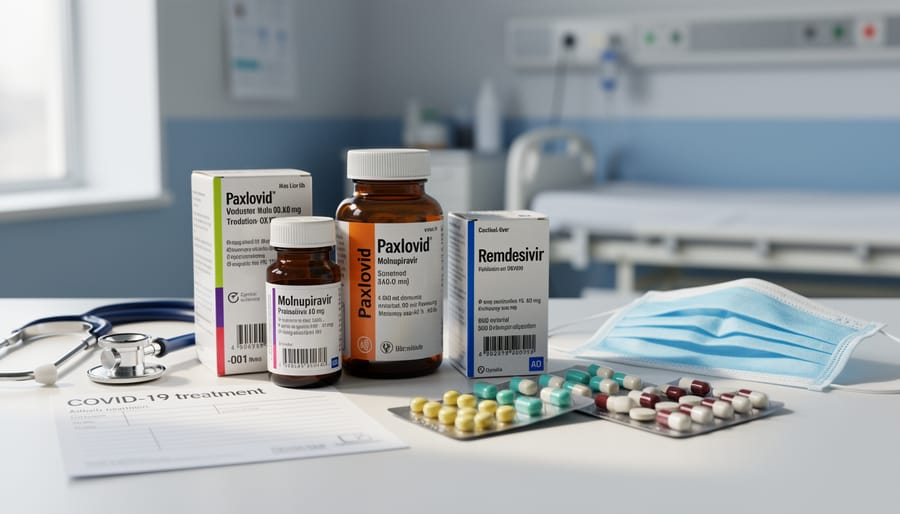
Canada has three primary antivirals approved for treating COVID-19, each working differently to fight the virus. Paxlovid (nirmatrelvir and ritonavir) is the most commonly prescribed option. It works by blocking an enzyme the virus needs to multiply inside your cells. Think of it as jamming the virus’s copying machine before it can spread.
Remdesivir (brand name Veklury) takes a different approach. This medication is given through an IV infusion and disrupts the virus’s ability to replicate its genetic material. It’s typically reserved for hospitalized patients or those at high risk of severe illness.
The third option, molnupiravir (Lagevrio), introduces errors into the virus’s genetic code, preventing it from making functional copies of itself. These latest COVID-19 treatments are most effective when started within the first few days of symptoms appearing.
Your healthcare provider will determine which antiviral is most appropriate based on your health status, medications, and individual risk factors. Each comes with specific eligibility criteria to ensure they’re used where they’ll provide the greatest benefit.
Who Should Take COVID-19 Antivirals?
COVID-19 antivirals are important COVID-19 treatment options, but they’re not for everyone. These medications work best for people at higher risk of developing severe illness from COVID-19.
You may be eligible for antiviral treatment if you test positive for COVID-19 and fall into one of these higher-risk categories: adults 60 years and older, people with weakened immune systems, individuals with chronic health conditions like diabetes, heart disease, lung disease, or kidney disease, and those who are pregnant. People with obesity or who haven’t received COVID-19 vaccination may also qualify.
Timing is absolutely critical when it comes to antivirals. These medications must be started within five to seven days of symptom onset to be effective, with earlier treatment generally producing better results. The sooner you begin treatment after testing positive, the better these medications can prevent the virus from multiplying in your body.
If you test positive for COVID-19 and belong to a high-risk group, contact your healthcare provider immediately to discuss whether antiviral treatment is right for you. Your doctor will consider your specific health situation, current medications, and potential drug interactions before prescribing an antiviral.
Not everyone with COVID-19 needs antivirals. People at low risk of severe disease can typically manage their symptoms at home with rest, fluids, and over-the-counter medications. Your healthcare provider can help determine the most appropriate approach for your individual circumstances.
The Growing Concern: Antiviral Resistance
How Viruses Become Resistant to Medications
Think of viruses like photocopiers that sometimes make imperfect copies. When COVID-19 replicates inside your body, small copying errors occasionally occur. These errors, called mutations, create slightly different versions of the virus. Most mutations don’t matter, but some might accidentally help the virus survive against antiviral medications.
Here’s where it gets interesting. When antivirals are used frequently or not taken as prescribed, they create what scientists call “selection pressure.” Imagine a garden where you spray weed killer inconsistently. The hardiest weeds survive and multiply, eventually dominating your garden. Similarly, when antivirals don’t completely eliminate the virus, any resistant versions that survived can multiply and spread to others.
This is why understanding how your body fights COVID-19 matters alongside medication use. Your immune system works together with antivirals to clear the infection completely.
Resistance develops faster when medications are overused in people who don’t truly need them, when treatment courses aren’t completed, or when the same antiviral is used repeatedly across large populations. It’s not about individual blame but rather recognizing that each prescription decision has broader implications.
The good news? By using antivirals appropriately, only when medically necessary and exactly as prescribed, we can slow resistance development and keep these life-saving medications effective for those who need them most. Your careful use today protects treatment options for everyone tomorrow.

Why Resistance Threatens Future Treatment Options
When COVID-19 antivirals lose their effectiveness due to resistance, the consequences extend far beyond individual treatment failures. Vulnerable populations—including older adults, immunocompromised individuals, and those with underlying health conditions—face the greatest risk. These groups depend most heavily on antivirals to prevent severe illness, hospitalization, and death. Without effective treatment options, they become increasingly susceptible to serious outcomes, including Long COVID complications.
The threat to future pandemic preparedness is equally concerning. Developing new antivirals requires years of research and substantial financial investment. If current medications become ineffective through misuse or overuse, we may find ourselves without reliable treatment tools when new variants emerge or during future health crises. This creates a dangerous gap in our public health defenses.
Healthcare systems also face mounting pressure when first-line treatments fail. Patients experiencing treatment-resistant infections require longer hospital stays, more intensive care, and alternative therapies that may be less effective or carry greater side effects. This strain affects everyone’s access to healthcare services.
The good news is that resistance remains largely preventable through responsible use. By completing full treatment courses, using antivirals only when medically necessary, and following healthcare provider guidance, Canadians can help preserve these life-saving medications for those who need them most. Protecting antiviral effectiveness today safeguards treatment options for future generations and strengthens our collective resilience against emerging health threats.
What Is Antiviral Stewardship?
The Balance Between Access and Protection
Healthcare systems across Canada face the challenge of making COVID-19 antivirals accessible to those who need them most while preventing misuse that could lead to drug resistance. The solution lies in a thoughtful approach that prioritizes patient safety without creating unnecessary hurdles.
Most provinces have implemented assessment protocols where healthcare providers evaluate your risk factors, symptom severity, and medical history before prescribing antivirals. This doesn’t mean jumping through hoops—it means ensuring you receive the right treatment at the right time. Many clinics now offer virtual consultations, making it easier to get assessed quickly from home.
Pharmacists play an increasingly important role in this balance. In some regions, they can prescribe antivirals directly after screening, reducing wait times while maintaining safety standards. This expanded access has been particularly helpful for people in rural areas or those with limited mobility.
The key is open communication with your healthcare provider. If you test positive and have risk factors like diabetes, heart disease, or weakened immunity, reach out promptly. Treatment works best when started within five days of symptoms. By seeking care early and following prescribed guidelines, you help protect both your health and the effectiveness of these medications for everyone.
Canada’s Approach to Antiviral Stewardship
Canada has implemented a thoughtful approach to COVID-19 antiviral stewardship to ensure these medications reach patients who need them most while preventing misuse. Health Canada oversees the approval and monitoring of antivirals like Paxlovid and remdesivir, working closely with provincial and territorial health authorities to establish consistent prescribing guidelines.
The Canadian framework prioritizes individuals at highest risk of severe illness, including older adults, those with compromised immune systems, and people with underlying health conditions. Healthcare providers across the country follow evidence-based protocols that help them identify eligible patients quickly and prescribe appropriate treatments within the critical early window after symptom onset.
Provincial prescription monitoring systems track antiviral use patterns, helping identify potential overuse or gaps in access. These systems also support healthcare providers in making informed decisions by flagging potential drug interactions and ensuring patients receive the safest, most effective treatment option for their specific situation.
Public Health Agency of Canada regularly updates guidelines based on emerging research and real-world evidence. This adaptive approach allows Canada’s healthcare system to respond to new virus variants and evolving treatment data while maintaining responsible medication use. By balancing accessibility with stewardship principles, Canada aims to preserve the effectiveness of these valuable treatments for current and future needs.
How Canadians Can Support Responsible Antiviral Use

Working With Your Healthcare Provider
Open communication with your healthcare provider is essential when considering COVID-19 antiviral treatment. Start the conversation as soon as you test positive or develop symptoms, since these medications work best when started within the first few days of illness.
Ask your provider specific questions about your eligibility: “Am I at high risk for severe COVID-19?” and “Would an antiviral medication benefit me?” Share your complete medical history, including current medications and supplements, as some antivirals can interact with other treatments. If you’re pregnant, breastfeeding, or have kidney or liver concerns, mention these important factors.
Discuss the different antiviral options available in Canada and which might suit your situation best. Ask about potential side effects, how to take the medication properly, and what symptoms should prompt you to seek additional care. Inquire whether your prescription requires special authorization or if cost coverage applies through your provincial health plan or private insurance.
Don’t hesitate to ask why an antiviral might not be recommended for you if that’s the case. Understanding that these medications are reserved for those at highest risk helps support responsible use and prevents resistance development. Your provider can also advise on supportive care measures and monitoring strategies that keep you safe during recovery.
Taking Antivirals Correctly If Prescribed
If your healthcare provider prescribes a COVID-19 antiviral, following the instructions carefully is essential for the medication to work effectively. Take the full course exactly as directed, even if you start feeling better after a few days. Stopping early can allow the virus to rebound and may contribute to antiviral resistance, making these medications less effective for you and others in the future.
Timing matters significantly with antivirals. Most COVID-19 treatments work best when started within the first few days of symptoms, so take each dose at the scheduled times without skipping. Set phone reminders if needed to stay on track.
Pay attention to how you feel while taking the medication. Common side effects may include changes in taste, digestive upset, or mild headaches. While these are usually manageable, contact your healthcare provider if you experience severe reactions, allergic symptoms, or if your COVID-19 symptoms worsen despite treatment.
Store your medication properly and keep a list of all other medications or supplements you’re taking, as some antivirals can interact with other treatments. Your pharmacist can answer questions about potential interactions and provide guidance on taking your antiviral safely alongside other medications you may need.
Prevention as Your First Line of Defense
The most effective way to manage COVID-19 antivirals is to reduce the need for them in the first place. Staying current with COVID-19 vaccination and boosters significantly lowers your risk of severe illness that would require antiviral treatment. Vaccines prime your immune system to fight the virus more effectively, meaning fewer people progress to the stage where antivirals become necessary.
Beyond vaccination, combining preventive strategies creates multiple layers of protection. Practicing good hand hygiene, improving indoor ventilation, and wearing masks in crowded settings during high transmission periods all contribute to reducing infection rates. When fewer people get infected, there’s less pressure on our antiviral supply and reduced opportunity for resistance to develop.
This preventive approach supports responsible antiviral stewardship by reserving these medications for those who truly need them. Think of it as protecting a valuable community resource. By taking proactive steps to avoid infection, you’re not only safeguarding your own health but also helping ensure antivirals remain effective and available for high-risk individuals who depend on them most.

The Future of COVID-19 Treatment in Canada
New Treatments on the Horizon
Researchers worldwide are actively developing next-generation COVID-19 antivirals to strengthen our treatment options. These emerging therapies aim to be more effective, have fewer side effects, and work against resistant viral strains. Scientists are exploring combination therapies that use multiple antivirals together, similar to successful approaches used for HIV treatment. This strategy may reduce the likelihood of resistance developing and improve outcomes for high-risk patients.
Several promising compounds are currently in clinical trials, including medications that target different parts of the virus’s life cycle. Some focus on blocking viral entry into cells, while others prevent the virus from replicating once inside. Canadian researchers are contributing to this global effort, working on treatments that could be easier to administer and more widely accessible.
Health Canada continues to monitor these developments closely, ensuring that new antivirals meet rigorous safety and effectiveness standards before approval. As these treatments advance through testing phases, they offer hope for better management of COVID-19, particularly for vulnerable populations. The goal is to have multiple treatment options available, allowing healthcare providers to tailor therapy to individual patient needs while maintaining responsible use to prevent resistance.
How Canada Monitors Resistance Trends
Canada has established robust systems to track how well COVID-19 antivirals continue to work against emerging virus variants. Health Canada and the Public Health Agency of Canada work together to monitor antiviral resistance through national laboratory networks that regularly test virus samples from across the country.
These surveillance systems collect data from hospitals, clinics, and testing sites to identify any changes in how the virus responds to treatment. Scientists analyze genetic sequences of the virus to detect mutations that might reduce antiviral effectiveness. This information gets shared with healthcare providers and helps inform when treatment guidelines need updating.
When resistance patterns emerge, public health officials can quickly adjust recommendations about which antivirals to prescribe and for whom. The data also helps researchers understand whether resistance develops more often with certain medications or in specific patient groups.
This ongoing monitoring ensures that your healthcare provider has access to the most current information when deciding on treatment options. It also supports the development of new antivirals if existing ones become less effective. By tracking these trends nationally, Canada can respond proactively to protect treatment effectiveness for everyone who needs it.
Protecting the effectiveness of COVID-19 antivirals is a responsibility we all share. These medications remain valuable tools for those at higher risk of severe illness, but they work best when used appropriately and as prescribed. Remember that antivirals are not suitable for everyone—they’re specifically designed for people who test positive for COVID-19 and face increased risk due to age, underlying health conditions, or compromised immune systems.
The good news is that Canada has made significant progress in preparing for future health challenges. Our healthcare system continues to monitor antiviral resistance patterns and update treatment guidelines based on the latest evidence. By staying informed about when antivirals are appropriate, completing full treatment courses when prescribed, and focusing on prevention through vaccination and healthy lifestyle practices, you’re contributing to their long-term effectiveness.
Your proactive health measures matter. Maintaining a strong immune system through balanced nutrition, regular physical activity, adequate sleep, and stress management can help reduce your overall risk of severe illness. When you do become unwell, consulting with healthcare providers early ensures you receive the right treatment at the right time. Together, these thoughtful actions help preserve these important medications for those who need them most, both now and in the future.