

You’ve tried changing your health habits before. Perhaps you committed to morning workouts that lasted two weeks, started meal planning that fizzled by Thursday, or promised yourself you’d manage stress better—until the next crisis hit. You’re not lacking willpower. You’re missing the right strategy.
Health behavior change fails not because you’re weak, but because you’re fighting against how your brain actually works. Your neural pathways have spent years—sometimes decades—reinforcing current habits. Every time you reach for comfort food when stressed or skip exercise when tired, you’re traveling down well-worn mental highways. Creating new habits means building entirely new roads in your brain, and that requires understanding the science behind sustainable change.
The encouraging news: research shows that lasting transformation doesn’t demand perfection or massive overnight overhauls. Small, strategic shifts in how you approach physical activity, nutrition, and mental wellness create compound effects across all dimensions of your health. When you improve sleep quality, you naturally make better food choices. When you move your body regularly, anxiety often decreases. These interconnections mean you’re never just changing one behavior—you’re potentially triggering positive ripples throughout your entire wellbeing.
This article reveals why previous attempts haven’t stuck and provides evidence-based frameworks designed specifically for Canadians navigating real-world challenges: long winters, demanding schedules, and competing priorities. You’ll discover compassionate, practical strategies that acknowledge setbacks while building genuine, lasting change.
The Real Reason Your Health Goals Keep Failing
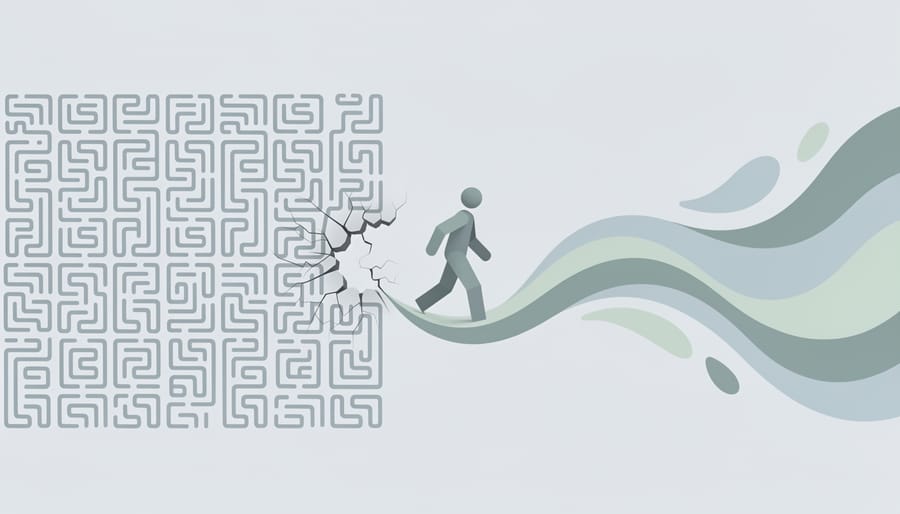
The Willpower Myth That’s Holding You Back
Here’s a truth that might surprise you: lasting health changes don’t actually rely on willpower. Research shows that willpower is a limited resource that depletes throughout the day—a concept known as decision fatigue. Every choice you make, from what to wear to whether to check your phone, drains this mental energy reserve.
Trying to “muscle through” with pure determination explains why your morning resolve to eat healthier often crumbles by evening. Your brain simply runs out of fuel for making difficult decisions. Studies from Canadian health researchers confirm that people who successfully maintain behavior changes don’t rely on superior self-control—they rely on smarter strategies.
The real key is environmental design. Instead of constantly resisting temptation, successful people arrange their surroundings to make healthy choices automatic. They keep running shoes by the door, pre-cut vegetables at eye level in the fridge, and their phone chargers outside the bedroom for better sleep.
This approach removes the need for repeated decision-making. When healthy options become the path of least resistance, you’re working with your brain’s natural tendencies rather than against them. It’s not about having more willpower—it’s about needing less of it by building supportive systems around yourself.
Why Your Brain Resists Change
Your brain is designed to protect you from uncertainty, and that includes resisting new behaviors. When you perform a familiar action—like reaching for your usual snack or skipping the gym—your brain operates on autopilot through neural pathways strengthened by repetition. These pathways require less energy and feel comfortable, which is why habits become so powerful over time.
The neuroscience behind this is fascinating. Your brain’s reward system releases dopamine when you experience pleasure, but it’s wired to prioritize immediate gratification over future benefits. That cookie in your hand triggers an instant dopamine response, while the abstract idea of better health months from now doesn’t carry the same neurological weight. This isn’t a character flaw—it’s basic human biology that helped our ancestors survive.
Additionally, your prefrontal cortex, responsible for decision-making and self-control, has limited capacity. When you’re stressed or tired, this region becomes depleted, making it harder to resist temptation or stick with new routines. This explains why willpower alone rarely works for lasting change.
Understanding these mechanisms isn’t about making excuses—it’s about recognizing that successful behavior change requires working with your brain’s natural tendencies, not against them. When you know what you’re up against, you can design smarter strategies that align with how your mind actually functions.
The Science Behind Behavior Change That Actually Works
How Long Does It Really Take to Form a Habit?
You’ve likely heard that it takes 21 days to form a habit, but research tells a different story. This popular myth originated from a 1960s observation by a plastic surgeon, not from scientific study. The reality is more nuanced and, frankly, more encouraging once you understand what’s actually happening.
A landmark 2009 study published in the European Journal of Social Psychology found that habit formation actually takes an average of 66 days, with a wide range from 18 to 254 days depending on the person and the behavior. This research, conducted by Dr. Phillippa Lally and her team at University College London, tracked participants as they adopted new health behaviors and measured when actions became automatic.
Several factors influence how quickly your new health behavior becomes a habit. Simpler behaviors, like drinking a glass of water each morning, typically become automatic faster than complex ones, such as preparing healthy meals or completing a 30-minute workout. Consistency matters more than perfection—missing a single day doesn’t derail your progress, though frequent interruptions will slow habit formation.
Your environment plays a significant role too. Creating supportive conditions, like keeping running shoes by your bed or pre-cutting vegetables, reduces friction and speeds up the process. Individual factors like stress levels, existing routines, and personal motivation also affect your timeline.
The good news? You don’t need to wait for the habit to fully form before experiencing benefits. Research shows you’ll start feeling the positive effects of your new behavior well before it becomes automatic, which helps maintain your motivation throughout the journey.

The Power of Tiny Changes
When it comes to changing health behaviors, most people think they need dramatic overhauls—joining an expensive gym, following restrictive diets, or committing to hour-long meditation sessions. The reality? Research shows that small changes create big gains over time.
Micro-habits are tiny, sustainable actions that take less than two minutes to complete. They work because they bypass the brain’s resistance to change and build new neural pathways gradually. Instead of aiming to exercise for 60 minutes daily, start with two push-ups after brushing your teeth. Rather than eliminating all processed foods overnight, add one serving of vegetables to your lunch.
In nutrition, a micro-habit might be drinking one glass of water before your morning coffee or placing a fruit bowl in plain sight. For fitness, it could mean taking the stairs for just one floor or doing desk stretches during work breaks. Mental health micro-habits include writing down one thing you’re grateful for or taking three deep breaths when stress rises.
The key is consistency over intensity. These tiny actions compound over weeks and months, creating lasting change without overwhelming your willpower. Canadian health experts emphasize that sustainable progress comes from manageable steps that fit seamlessly into your existing routine, making success inevitable rather than dependent on motivation alone.
Building Your Integrated Health Behavior Change Plan
Start With Your ‘Why’: Finding Your Core Motivation
Before diving into specific health behaviors, take time to uncover the deeper reasons driving your desire for change. Surface goals like “lose weight” or “exercise more” often lack staying power during challenging moments. Instead, dig deeper by asking yourself: What will this change allow me to do that I can’t do now? How will I feel differently? What matters most to me about my health?
For example, rather than simply wanting to “eat better,” your core motivation might be having energy to play with your grandchildren or managing anxiety through stable blood sugar levels. A Canadian who wants to “get fit” might discover their true why is enjoying hiking in our beautiful national parks without breathlessness or setting a positive example for their children.
Reflection questions to explore:
What health concerns keep you awake at night? How would your daily life improve with this change? What values does this behavior align with—family connection, independence, mental clarity, or vitality? Who else benefits when you prioritize your health?
Write down your answers. Research shows that connecting behavior change to personal values and meaningful outcomes significantly increases long-term success. Your why becomes your anchor when motivation wanes, helping you reconnect with purpose rather than relying solely on willpower.
The One Behavior That Creates a Ripple Effect
Not all health changes carry equal weight. Research shows that certain “keystone habits” act as powerful catalysts, creating a ripple effect that naturally leads to improvements across multiple areas of your life. These foundational behaviors—like regular exercise, consistent sleep schedules, or mindful eating—have a unique ability to trigger positive changes you weren’t even consciously working toward.
When you commit to one keystone habit, it often automatically influences your other daily habits. For example, Canadians who start exercising regularly often find themselves naturally choosing healthier foods, sleeping better, and experiencing improved mood—without making separate resolutions for each area. This happens because keystone habits build confidence and create momentum, changing how you see yourself and what feels possible.
The key is identifying which single behavior will create the most meaningful domino effect for your unique situation. Rather than overwhelming yourself with multiple changes at once, focus your energy on establishing one foundational habit. This evidence-based approach acknowledges that sustainable transformation happens through strategic focus, not willpower alone, making lasting health behavior change more achievable and less frustrating.

Design Your Environment for Success
Your surroundings significantly influence your daily choices, often without you realizing it. By intentionally designing your environment, you can make healthy behaviors easier and less desirable ones harder to pursue.
Start in your kitchen by placing nutritious foods at eye level in your fridge and pantry, while moving less healthy options to harder-to-reach spots or removing them entirely. Prep fruits and vegetables in advance so they’re grab-and-go ready. Keep a water bottle visible on your desk or counter as a constant reminder to stay hydrated.
For physical activity, lay out your workout clothes the night before or keep resistance bands near your television. Create a designated space for movement, even if it’s just a yoga mat in the corner of your bedroom.
Social environment matters too. Share your health goals with supportive friends and family who can encourage your efforts. Consider joining community programs or walking groups to surround yourself with like-minded individuals.
Remove temptations and friction points. If evening snacking is a challenge, establish a kitchen closing time. If scrolling prevents sleep, charge your phone outside your bedroom. Small environmental tweaks create powerful momentum toward lasting change.
Practical Strategies for Canadian Health Priorities
Nutrition Behavior Changes That Fit Your Life
Improving your eating habits doesn’t require following restrictive meal plans or eliminating entire food groups. Research shows that sustainable nutrition changes come from building practical habits that work with your daily routine, not against it.
Start with simple meal planning strategies that reduce decision fatigue. Dedicate 15 minutes weekly to outline meals using Canada’s Food Guide as a framework. Batch-prep vegetables on Sundays or keep frozen options available for busy evenings. This preparation removes barriers when you’re tired or stressed.
Practice mindful eating by slowing down during meals and noticing hunger and fullness cues. Put your fork down between bites, eliminate distractions like screens, and check in with your body’s signals. This awareness helps prevent overeating without feeling deprived.
Navigate Canadian food environments strategically. When grocery shopping, focus on the store’s perimeter where fresh foods are located. Read Nutrition Facts tables to compare products rather than relying on front-of-package claims. At restaurants, review menus online beforehand to make intentional choices without pressure.
Consider nutrition strategies without restrictive dieting that emphasize adding nutrient-dense foods rather than eliminating favorites. Small, consistent changes like adding vegetables to existing meals or choosing whole grains create lasting improvements without the all-or-nothing mentality that often leads to giving up entirely.
Making Movement a Non-Negotiable Part of Your Day
The key to sustainable fitness isn’t finding more time—it’s making movement work within your current life. Start by identifying your biggest barriers. For many Canadians, winter weather tops the list. Instead of abandoning outdoor activities during cold months, invest in proper layering and traction footwear, or explore indoor alternatives like mall walking, community centre programs, or online workout classes.
Time constraints require creative solutions. Break exercise into smaller chunks throughout your day—a 10-minute walk at lunch, stretching during TV commercials, or taking stairs whenever possible. Research shows that accumulated activity throughout the day provides similar health benefits to single workout sessions.
To build consistency, attach movement to existing habits. If you always have morning coffee, do squats while it brews. Schedule workouts like appointments in your calendar, treating them with the same importance as medical visits.
Combat motivation fluctuations by preparing for them in advance. Lay out workout clothes the night before, pack your gym bag, or arrange walking dates with friends. Social accountability significantly increases adherence. When motivation wanes, remember that even five minutes of movement counts. Progress isn’t about perfection—it’s about showing up consistently, adjusting your approach when needed, and recognizing that sustainable change happens gradually through small, repeated actions.
Mental Health Habits That Build Resilience
Building mental resilience requires consistent daily practices that strengthen your emotional foundation. Research shows that small, regular habits create lasting change more effectively than sporadic intense efforts.
Start with foundational sleep hygiene practices. Aim for 7-9 hours nightly by maintaining consistent bedtimes, limiting screen time before bed, and creating a cool, dark sleep environment. Quality sleep directly impacts stress regulation and decision-making abilities.
Stress management becomes sustainable when you integrate simple techniques throughout your day. Try the 4-7-8 breathing method: inhale for 4 counts, hold for 7, exhale for 8. This activates your parasympathetic nervous system, reducing cortisol levels within minutes. Schedule brief movement breaks every hour to prevent stress accumulation.
Emotional regulation improves through mind-body practices like progressive muscle relaxation or mindful walking. Even five minutes of focused breathing can reset your nervous system during challenging moments.
Build your support network intentionally. Regular connection with friends, family, or support groups provides emotional resources when resilience feels depleted. Consider journaling to process emotions and identify patterns in your stress responses, creating awareness that enables healthier coping strategies over time.
Overcoming Setbacks Without Losing Momentum

The Self-Compassion Advantage
When you slip up on your health goals, does your inner voice sound more like a supportive friend or a harsh critic? Research shows that self-criticism actually sabotages behavior change by triggering stress responses that deplete willpower and increase the likelihood of giving up entirely. When we beat ourselves up after eating an unplanned dessert or missing a workout, our brain interprets this as a threat, releasing cortisol that can drive us toward comfort-seeking behaviours—often the very habits we’re trying to change.
Self-compassion offers a scientifically proven alternative. Studies demonstrate that people who respond to setbacks with kindness rather than criticism show greater persistence, lower stress levels, and more successful long-term behaviour change. This doesn’t mean lowering standards; it means treating yourself with the same understanding you’d offer a good friend facing similar challenges.
Try these practical self-talk strategies: Replace “I’m so weak for eating that” with “I’m human, and one meal doesn’t define my progress.” Instead of “I failed again,” say “This is difficult, and I’m learning what works for me.” Acknowledge the challenge while maintaining your commitment: “This is hard right now, and I’m choosing to keep going.” This compassionate approach keeps your nervous system calm, preserves motivation, and builds the resilience needed for sustainable change.
When to Adjust Your Approach
Recognizing when your approach isn’t working is a sign of self-awareness, not failure. If you’ve been consistently implementing a strategy for 3-4 weeks without seeing any progress or positive feelings, it’s time to reassess. Watch for warning signs like dreading your new routine, feeling physically exhausted rather than energized, or finding yourself making excuses more often than following through.
Start troubleshooting by asking yourself honest questions: Is this goal truly important to me, or am I pursuing it for someone else? Is the change too large or unrealistic given my current circumstances? Am I lacking specific skills or resources needed for success? Sometimes the goal is right, but the timing or method needs adjustment.
Consider scaling back rather than abandoning your efforts entirely. If daily gym sessions feel overwhelming, try three times weekly instead. If meal prepping for the whole week seems impossible, start with preparing just lunches. You might also need to address underlying barriers like poor sleep, high stress, or lack of social support before tackling other changes.
Remember that adaptation is part of the process, not evidence of weakness. Successful behavior change requires flexibility and willingness to experiment until you find what genuinely works for your unique life and preferences.
Measuring Progress Beyond the Scale
When you’re working toward better health, the number on the scale tells only a fraction of the story. While weight can be one indicator of progress, focusing exclusively on pounds lost can be discouraging and may cause you to overlook the meaningful changes happening in your body and life.
Consider tracking how you feel throughout the day. Are you waking up with more energy? Can you climb stairs without getting winded? These improvements in physical capacity and stamina are valuable signs that your body is getting stronger, even if the scale hasn’t moved much. Many Canadians report feeling more energized within just two to three weeks of implementing consistent health behaviors, long before significant weight changes occur.
Your mood and mental clarity are equally important markers. Research shows that regular physical activity and improved nutrition can reduce symptoms of anxiety and depression, enhance focus, and improve sleep quality. Keep a simple journal noting your energy levels, sleep patterns, and overall mood. You might be surprised to discover positive shifts you hadn’t consciously recognized.
Consistency itself deserves celebration. If you’ve maintained your new walking routine for three weeks, or you’re choosing water over sugary drinks most days, that’s genuine progress. Behavior change is about building sustainable habits, not achieving perfection.
Quality of life improvements matter tremendously. Can you play with your children or grandchildren more easily? Do you feel more confident in social situations? Are you managing stress more effectively? These changes reflect real improvements in your wellbeing that no scale can measure.
Remember, sustainable health behavior change is a journey of building a healthier, more vibrant life. By recognizing progress in multiple dimensions, you’ll stay motivated and appreciate the full scope of your transformation.
Changing your health behaviors is a journey, not a destination. It’s important to remember that sustainable change happens gradually, through consistent small steps rather than dramatic overnight transformations. The research is clear: people who approach behavior change with patience and self-compassion are far more likely to succeed in the long run than those who pursue perfection.
If you’ve struggled with health changes in the past, you’re not alone. Most Canadians face setbacks along the way, and that’s completely normal. What matters isn’t avoiding mistakes entirely but learning to view them as valuable information rather than personal failures. Each attempt teaches you something about what works for your unique circumstances, preferences, and lifestyle.
As you move forward, focus on progress rather than perfection. Celebrate the days you follow through on your intentions, and approach the challenging days with curiosity instead of judgment. Small wins compound over time into meaningful transformations that actually last.
Now it’s time to take action. Choose just one strategy from this article that resonates with you. Maybe it’s setting a specific implementation intention, finding an accountability partner, or redesigning your environment to support healthier choices. Write it down, decide when you’ll start, and commit to trying it for two weeks. Remember, you don’t need to change everything at once. Start small, stay consistent, and trust the process. Your healthier future begins with the decision you make today.