
A women’s health check is a comprehensive medical appointment designed to assess your overall health, screen for potential issues, and prevent future problems before they develop. These proactive visits go beyond treating illness—they focus on maintaining wellness through personalized screenings, physical examinations, and open conversations about your unique health concerns.
During a typical women’s health check, your healthcare provider evaluates vital signs, conducts age-appropriate cancer screenings like Pap tests and mammograms, checks reproductive health, assesses bone density and cardiovascular health, and discusses mental wellbeing. The appointment creates a safe space to address questions about menstruation, contraception, menopause, sexual health, or any symptoms you’ve noticed.
Regular health checks become increasingly important as you age, with recommended frequency varying based on your life stage and risk factors. Women in their 20s and 30s typically need checks every one to three years, while those over 40 benefit from annual appointments due to increased screening needs.
These preventive visits empower you to take control of your health by catching conditions like high blood pressure, diabetes, or cervical changes early when they’re most treatable. Understanding what to expect helps reduce anxiety and ensures you get the most from each appointment.
What Is a Women’s Health Check?
A women’s health check is a comprehensive preventive medical appointment designed specifically to address the unique health needs of women throughout their lifespan. Unlike a standard physical exam that focuses on immediate concerns or symptoms, a women’s health check takes a proactive, whole-person approach to identifying potential health risks before they become serious problems.
What sets this type of appointment apart is its focus on sex-specific screening and prevention. Women face distinct health challenges including reproductive health issues, hormonal changes, pregnancy-related conditions, and a higher risk for certain diseases like osteoporosis and autoimmune disorders. A women’s health check addresses these particular needs through targeted screenings, examinations, and discussions tailored to your age, medical history, and risk factors.
These appointments typically combine physical examinations, laboratory tests, and important conversations about your overall wellbeing. Your healthcare provider will assess not just your physical health, but also mental health, lifestyle factors, family history, and preventive care needs. This might include breast and pelvic examinations, Pap tests for cervical cancer screening, blood pressure checks, cholesterol testing, and discussions about contraception, menopause, or bone health depending on your life stage.
The goal is simple: catch potential problems early when they’re most treatable, and give you evidence-based guidance to maintain optimal health. Regular women’s health checks empower you to take control of your wellbeing through informed decision-making and preventive care, ultimately reducing your risk of chronic diseases and supporting long-term quality of life.
Why Women’s Health Checks Matter
Regular women’s health checks are a powerful tool for protecting your long-term wellness. These appointments help identify potential health concerns before they develop into serious conditions, giving you the best chance for successful treatment and positive outcomes.
Early detection saves lives. Many conditions affecting women, including cervical cancer, breast cancer, high blood pressure, and type 2 diabetes, often have no symptoms in their early stages. Through essential health screenings performed during routine check-ups, healthcare providers can spot warning signs and intervene when treatment is most effective.
Prevention is just as important as detection. Your health check provides an opportunity to discuss lifestyle factors that influence your wellbeing, from nutrition and physical activity to stress management and sleep quality. Your healthcare provider can offer personalized recommendations to reduce your risk of developing chronic diseases and help you achieve your fitness goals.
These appointments also create a comprehensive picture of your health over time. Regular visits allow your healthcare provider to track changes in your body, monitor existing conditions, and adjust treatment plans as needed. This continuity of care is particularly valuable during different life stages, from reproductive years through menopause and beyond.
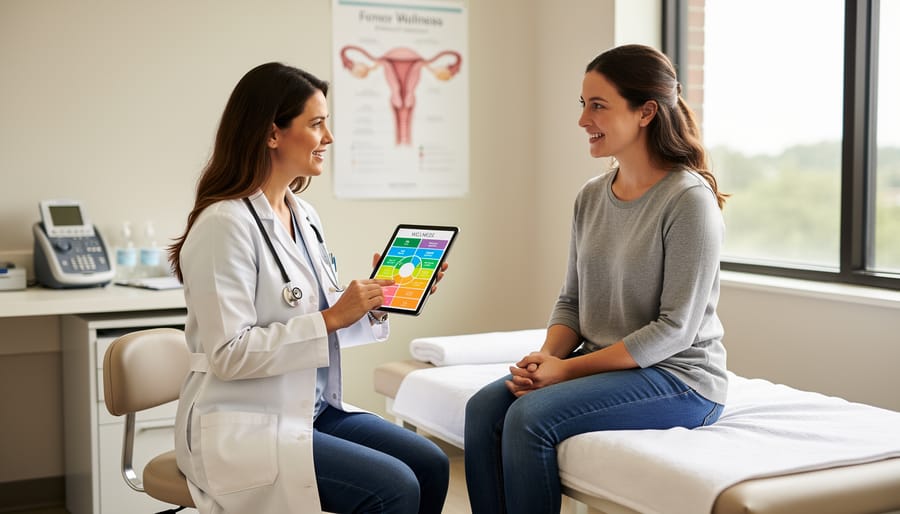
Women’s health checks empower you to take control of your wellness. They provide a dedicated time to ask questions, address concerns, and build a partnership with your healthcare provider focused on keeping you healthy for years to come.
What to Expect During Your Women’s Health Check
Medical History Review
During your women’s health check, your healthcare provider will ask several important questions to build a complete picture of your health. This conversation helps identify potential risks and personalize your care.
You’ll be asked about your family medical history, including whether close relatives have experienced conditions like heart disease, diabetes, breast cancer, ovarian cancer, or osteoporosis. This information helps assess your risk for hereditary conditions.
Questions about your menstrual cycle are standard, including when your periods started, their regularity, flow, and any associated symptoms like cramping or mood changes. If applicable, your provider will ask about pregnancies, contraception use, and menopause-related changes.
Lifestyle questions cover your diet, physical activity levels, alcohol consumption, smoking habits, and sleep patterns. These factors significantly impact your overall health and disease prevention.
Your provider will also review past health concerns, surgeries, medications, allergies, and any current symptoms you’re experiencing. Mental health questions, including stress levels, mood changes, and anxiety, are equally important.
Being honest and thorough in your responses ensures your healthcare provider can offer the most appropriate screening tests, preventive care recommendations, and support for your unique health needs.
Physical Examination
The physical examination is a foundational component of your women’s health check, providing your healthcare provider with important baseline information about your overall health. During this portion of your appointment, your healthcare provider will perform several straightforward assessments to screen for potential health concerns.
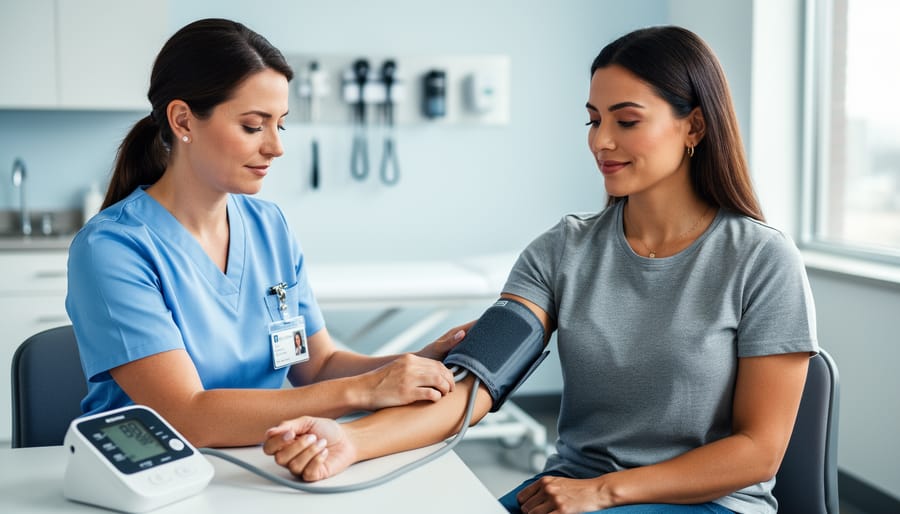
Your visit typically begins with measurements of your vital signs, including blood pressure, heart rate, and temperature. Your healthcare provider will also record your height and weight to calculate your body mass index (BMI), which helps assess general health risks. These measurements create a valuable record that can be tracked over time to identify any concerning changes.
The examination continues with a check of your heart and lungs using a stethoscope. Your provider listens for irregular heartbeats or unusual breathing sounds that might indicate underlying conditions. They may also examine your abdomen by gently pressing different areas to check for any abnormalities or tenderness.
Depending on your age, health history, and concerns, your provider might include additional checks such as examining your thyroid gland, checking lymph nodes, or assessing your skin for unusual changes. These assessments are generally quick and non-invasive, designed to catch potential issues early when they’re most treatable. Your healthcare provider will explain each step and answer any questions you have throughout the examination.

Women-Specific Screenings
Women-specific screenings are essential preventive care measures that help detect potential health issues early. These typically include clinical breast exams, pelvic exams, and Pap tests, each serving a distinct purpose in protecting your health.
A clinical breast exam involves your healthcare provider checking for lumps or unusual changes in breast tissue. Women should discuss the appropriate frequency with their doctor based on age and family history. Self-examination awareness is also encouraged to help you notice any changes between appointments.
Pelvic exams allow your doctor to assess reproductive organs for abnormalities, infections, or other concerns. These may include checking the vulva, vagina, cervix, uterus, and ovaries. The frequency depends on your age, symptoms, and medical history.
Pap tests screen for cervical cancer by collecting cells from the cervix. Canadian guidelines recommend Pap tests every three years for women aged 25 to 69 who have been sexually active. Some provinces also offer HPV testing, which can be done alongside or instead of Pap tests for certain age groups.
Your screening schedule may vary based on personal risk factors, including family history, previous abnormal results, or conditions that affect reproductive health. Regular screenings can help balance your hormones and maintain overall wellness. Discuss your individual needs with your healthcare provider to create a personalized screening plan.
Laboratory Tests and Additional Screenings
Laboratory tests form a crucial component of women’s health checks, providing valuable information about your overall wellness. Common blood work includes a complete blood count to check for anemia, which affects many Canadian women, and blood glucose testing to screen for diabetes or prediabetes. Cholesterol panels assess your heart disease risk by measuring HDL, LDL, and triglyceride levels.
Your healthcare provider may recommend thyroid function tests, as thyroid disorders are more common in women than men. Vitamin D screening is particularly relevant for Canadians due to limited sun exposure during winter months. Depending on your age and risk factors, bone density testing may be suggested, typically starting around menopause to assess osteoporosis risk.
Additional age-appropriate screenings might include kidney and liver function tests, iron level checks, and urinalysis. Your doctor will determine which tests are necessary based on your personal and family health history, age, and any symptoms you’re experiencing.
When Should You Schedule a Women’s Health Check?
The timing of your women’s health checks depends on your age, medical history, and risk factors. Following evidence-based guidelines helps ensure you receive appropriate preventive care at each life stage.
For women in their 20s and 30s, scheduling a health check every one to three years is generally recommended if you’re healthy and have no significant concerns. These visits should include blood pressure screening, Pap tests starting at age 25 (every three years if results are normal), and discussions about contraception, sexual health, and lifestyle habits. If you have chronic conditions, a family history of certain diseases, or specific risk factors, you’ll need more frequent monitoring.
Women aged 40 to 49 should consider annual health checks. This decade often brings increased screening recommendations, including baseline mammograms for breast cancer detection. The Canadian Task Force on Preventive Health Care suggests discussing mammography with your healthcare provider to determine the right schedule based on your individual risk factors. Regular cholesterol checks and diabetes screening become increasingly important during this stage.
After age 50, annual women’s health checks are typically advised. Mammography screening is recommended every two to three years until age 74. Colonoscopy for colorectal cancer screening usually begins at 50, though recommendations may vary based on family history. Bone density testing for osteoporosis screening should be discussed, particularly if you’re approaching or experiencing menopause.
Regardless of age, schedule a health check sooner if you experience new symptoms, changes in your menstrual cycle, unusual pain, or other concerns. Your healthcare provider can create a personalized screening schedule based on your unique health profile and family history, ensuring you receive the right care at the right time.
How to Prepare for Your Appointment
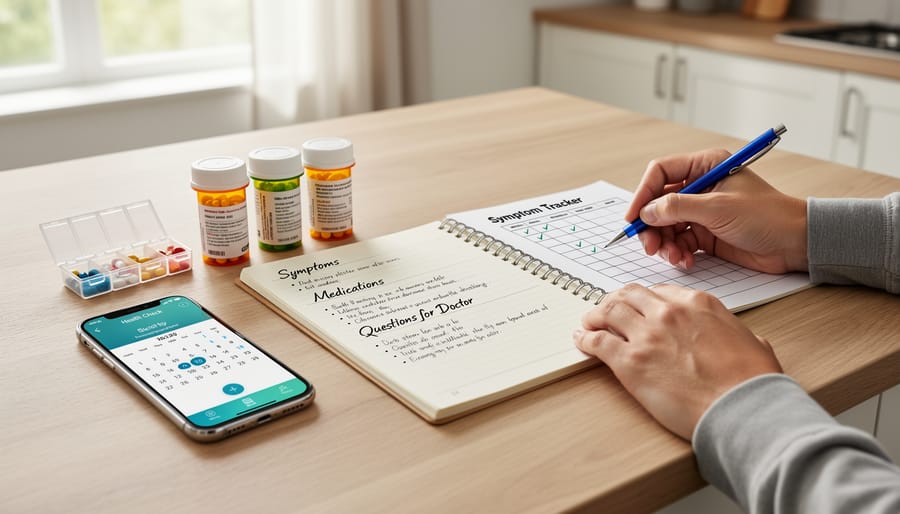
Preparing well for your women’s health check helps ensure you receive comprehensive care and address all your concerns. Start by gathering relevant information about your medical history, including any chronic conditions, medications you’re taking, and family health history, particularly regarding cancer, heart disease, and diabetes.
Make a list of any symptoms or health concerns you’ve noticed, even if they seem minor. Track details like when symptoms occur, their frequency, and what makes them better or worse. This information helps your healthcare provider make accurate assessments and recommendations.
Bring a list of all medications, supplements, and vitamins you currently take, including dosages. If you have previous test results or medical records from other providers, bring copies along. Remember to bring your health card and any insurance information.
Write down questions you want to ask before your appointment. Common topics include screening recommendations for your age, contraception options, menopause management, or lifestyle modifications for specific health goals. Implementing women’s health strategies often begins with these conversations.
Consider scheduling your appointment when you’re not menstruating, as this can affect certain tests like Pap smears. Wear comfortable, easily removable clothing to make physical examinations simpler.
Finally, be honest and open during your appointment. Your healthcare provider needs accurate information about your lifestyle, sexual health, and mental wellbeing to provide the best care possible. Everything you discuss remains confidential, so don’t hesitate to address any concerns.
Accessing Women’s Health Checks in Canada
Most women’s health checks are covered under provincial and territorial health insurance plans when provided by a family doctor or nurse practitioner. Preventive screenings like Pap tests, blood pressure checks, and certain blood work are typically included at no cost. However, coverage for additional tests may vary by province.
To find a healthcare provider, start by contacting your provincial health line or searching online directories through your provincial College of Physicians and Surgeons. Community health centres often accept patients without a family doctor and provide comprehensive women’s health services. Walk-in clinics can also perform basic health checks, though continuity of care is best with a regular provider.
Women facing barriers to care have several options. Many communities offer sexual health clinics with free or low-cost services, including reproductive health screenings. Mobile health units and outreach programs serve rural and remote areas. For those with language barriers, many clinics provide interpreter services at no charge. Indigenous women can access culturally appropriate care through Indigenous health centres and nursing stations. If cost is a concern, community health centres operate on a sliding fee scale based on income, ensuring everyone can access essential preventive care regardless of financial circumstances.
Taking charge of your wellness starts with a single, empowering step: scheduling your women’s health check. These appointments aren’t just routine medical visits—they’re an investment in your long-term health and vitality. By prioritizing preventive care, you’re giving yourself the gift of early detection, personalized health guidance, and peace of mind. Remember, self-care isn’t selfish; it’s essential. Whether you’re due for your annual screening or haven’t had a check-up in years, now is the perfect time to reclaim your health. Connect with your healthcare provider today to book your appointment. Your future self will thank you for making your health a priority.