

Wearable technology has transformed healthcare monitoring from occasional doctor’s visits into continuous, real-time health tracking you can access from your wrist, chest, or clothing. These smart devices now detect irregular heartbeats, monitor blood sugar levels without finger pricks, track sleep quality, measure stress responses, and even predict potential health crises before symptoms appear.
The healthcare wearables market offers solutions ranging from $50 fitness trackers to sophisticated medical-grade devices prescribed by physicians. Smartwatches like the Apple Watch and Fitbit can detect atrial fibrillation and alert emergency contacts during falls. Continuous glucose monitors stick to your arm and sync data directly to your smartphone, eliminating painful daily testing for diabetes management. Specialized chest straps and patches monitor heart rate variability to assess stress levels and recovery needs, while smart rings track body temperature changes that may indicate illness or hormonal shifts.
Understanding which device matches your specific health goals requires examining accuracy ratings, battery life, data privacy policies, and whether the technology integrates with your existing healthcare providers. Medical-grade wearables typically require prescriptions and insurance pre-authorization, while consumer devices offer immediate access but may lack clinical validation.
This guide examines proven wearable technologies currently helping Canadians monitor chronic conditions, improve mental wellness, and take preventive action before minor issues become serious health concerns. You’ll discover which devices deliver reliable data, how to interpret the information they provide, and when to share wearable insights with your healthcare team.
What Makes Wearable Technology Effective for Mental Health?
Wearable technology works for mental health by continuously monitoring physical signs that reflect your emotional state. These devices track key indicators like heart rate variability (HRV), sleep quality, activity levels, and skin temperature—all of which have direct connections to mental wellness.
Heart rate variability is particularly important. It measures the variation in time between heartbeats, and research shows that higher HRV typically indicates better stress resilience and emotional regulation. When you’re anxious or overwhelmed, your HRV decreases. Wearables detect these changes in real-time, helping you recognize stress before it becomes overwhelming.
Sleep tracking provides another crucial piece of the puzzle. Your device monitors sleep stages, wake times, and overall sleep quality. Poor sleep patterns often signal or worsen mental health challenges like depression and anxiety. By identifying disrupted sleep early, you can take action to improve your rest and, consequently, your mental wellness.
These devices also measure physical activity and sedentary time. Studies consistently show that regular movement supports mental health by releasing mood-boosting endorphins and reducing stress hormones. Your wearable reminds you to move and tracks whether you’re meeting activity goals that support emotional wellbeing.
Many wearables now include stress-detection features using sensors that measure skin conductance and body temperature. When stress levels rise, these devices can prompt you to pause and practice breathing exercises or mindfulness techniques.
The effectiveness of wearables lies in their ability to provide objective data about your body’s stress response. Rather than wondering why you feel anxious, you gain concrete insights into patterns and triggers. This information empowers you to make informed decisions about lifestyle changes, seek support when needed, and track improvements over time.

Smartwatches That Monitor Stress and Anxiety
Heart Rate Variability Monitoring
Heart rate variability, or HRV, measures the time intervals between your heartbeats. While it might seem ideal for your heart to beat like a metronome, a healthy heart actually shows natural variation in these intervals. Higher HRV typically indicates better stress resilience and emotional regulation, while lower HRV often signals that your body is under stress or recovering from illness.
Modern smartwatches like the Apple Watch, Fitbit Sense, and Garmin devices use optical sensors to track HRV throughout the day and during sleep. These devices analyze the data to provide insights about your stress levels, recovery status, and overall autonomic nervous system function. For example, if your HRV drops significantly, your watch might suggest taking a breathing exercise or rest day from intense exercise.
Many Canadians find HRV monitoring particularly helpful for managing workplace stress and improving sleep quality. The key is establishing your personal baseline over several weeks, then watching for meaningful changes rather than obsessing over daily numbers. Research shows that consistently low HRV readings can prompt valuable conversations with healthcare providers about stress management strategies and lifestyle modifications that support better mental and physical health.
Guided Breathing and Mindfulness Features
Modern wearables have transformed stress management by providing immediate support when you need it most. These devices offer guided breathing exercises that prompt you through calming techniques, typically using vibrations or visual cues on your wrist. When your device detects elevated heart rate or stress indicators, it can automatically suggest a brief breathing session to help restore balance.
Research shows that structured breathing patterns activate your body’s natural relaxation response, lowering cortisol levels and reducing anxiety symptoms. Wearables make these techniques accessible anywhere—during a tense meeting, before a medical appointment, or when managing daily overwhelm.
Many devices also include mindfulness reminders throughout your day, encouraging brief mental check-ins that build long-term resilience. These features work best when used consistently, helping you develop healthy stress-management habits over time.
Canadian users particularly benefit during long winters when seasonal mood changes are common. The real-time feedback helps you recognize stress patterns and respond proactively, rather than waiting until symptoms become severe. While these tools complement professional mental health support, they provide valuable immediate assistance for managing everyday anxiety and building emotional wellness skills.
Specialized Wearables for Anxiety and Panic Disorders
Haptic Vibration Therapy Devices
Haptic vibration therapy devices use gentle, rhythmic vibrations to help calm your nervous system and reduce anxiety symptoms. These wearable gadgets typically rest against your wrist, chest, or palm, delivering patterns of vibration that can slow your heart rate and activate your body’s natural relaxation response.
The science behind these devices is rooted in how our nervous system processes touch. Gentle vibrations stimulate pressure receptors in your skin, which send signals to your brain that can interrupt the stress cycle. Research published in the Journal of Clinical Psychology shows that specific vibration patterns can increase parasympathetic nervous system activity, the part of your nervous system responsible for the “rest and digest” response.
Popular examples include the Apollo Neuro, worn on your wrist or ankle, and the Touchpoint Solution, which uses bilateral stimulation with two small devices. Many users report feeling calmer within minutes of use, though individual experiences vary.
These devices work best as part of a comprehensive anxiety management plan. They’re most effective when used during stressful moments or as part of your daily relaxation routine. While haptic therapy shows promise, it’s important to discuss any new wellness tool with your healthcare provider, especially if you’re managing diagnosed anxiety or taking medication. Most devices are available without a prescription and range from $150 to $400, making them an accessible option for many Canadians exploring drug-free anxiety support.
Neurofeedback Headbands
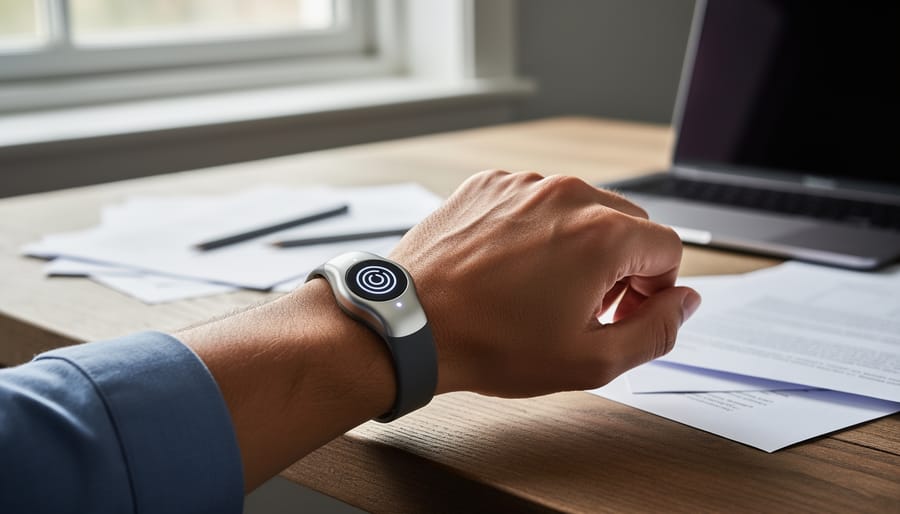
Neurofeedback headbands represent an innovative approach to managing stress and improving mental wellness through real-time brain activity monitoring. These wearable devices use electroencephalography (EEG) sensors to detect your brain waves during meditation sessions, providing immediate audio feedback to help guide your practice.
Popular devices like Muse and NeuroSky headbands work by measuring electrical activity in your brain and translating it into sounds through a connected smartphone app. When your mind wanders, you’ll hear stormy weather sounds; when you’re calm and focused, you’ll hear peaceful nature sounds like gentle waves or birdsong. This instant feedback helps you recognize when you’ve achieved a meditative state and teaches you to maintain it more consistently.
Research suggests that regular use of neurofeedback headbands can help reduce anxiety, improve focus, and enhance overall stress management. A 2019 study found that users who practiced with meditation headbands for eight weeks showed significant improvements in their ability to achieve relaxed mental states compared to those who meditated without feedback.
These devices are particularly helpful for beginners who find traditional meditation challenging, as they provide concrete guidance rather than leaving you to wonder if you’re doing it correctly. Most headbands cost between 200 and 400 dollars and pair with free or subscription-based apps that track your progress over time, making meditation more accessible and measurable for everyday Canadians seeking better mental health.
Sleep Tracking Wearables and Mental Wellness
Understanding Your Sleep Data
Modern wearable devices track several key sleep stages that offer valuable insights into your mental wellness. Understanding these metrics can help you identify patterns that affect your mood, focus, and overall mental health.
REM (rapid eye movement) sleep is when your brain processes emotions and consolidates memories. If your wearable shows consistently low REM sleep—typically less than 20% of your total sleep time—you might notice increased anxiety, difficulty concentrating, or emotional sensitivity. Most adults need about 90-120 minutes of REM sleep nightly.
Deep sleep is your body’s restoration phase, crucial for physical recovery and emotional regulation. Adults generally need 1-2 hours per night. Insufficient deep sleep often correlates with increased stress sensitivity and reduced ability to manage daily challenges.
Sleep debt accumulates when you regularly get less sleep than your body needs. Your wearable calculates this by comparing your actual sleep to recommended amounts (typically 7-9 hours for adults). Even moderate sleep debt can significantly impact mental health, affecting mood stability and decision-making abilities.
When reviewing your sleep data, look for trends over weeks rather than individual nights. Consistent patterns of poor sleep quality warrant discussion with your healthcare provider, who can help determine if underlying issues need addressing and recommend evidence-based strategies for improvement.
Sleep Improvement Through Wearable Insights
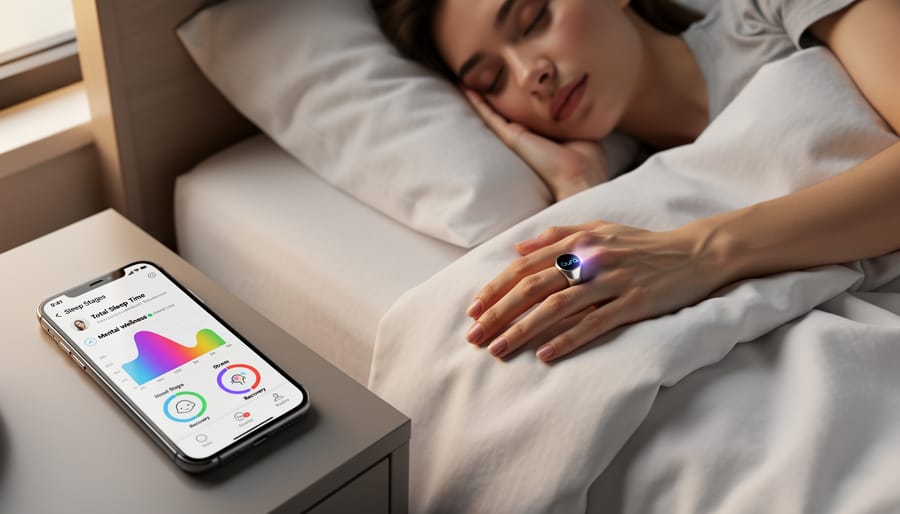
Sleep tracking wearables provide detailed insights into your sleep patterns, including time spent in different sleep stages, disruptions throughout the night, and overall sleep quality scores. Devices like Fitbit, Apple Watch, and Oura Ring monitor heart rate variability, body temperature, and movement to paint a comprehensive picture of your nightly rest.
For Canadians struggling with sleep issues or mental health challenges, this data offers actionable guidance for improvement. You might discover that late-night screen time correlates with lighter sleep, or that evening exercise disrupts your rest patterns. Many users find that adjusting their bedroom temperature by just a few degrees, based on wearable feedback, significantly enhances sleep quality.
Research shows that consistent, quality sleep directly impacts mental health, reducing symptoms of anxiety and depression while improving emotional regulation. By reviewing weekly sleep trends on your device app, you can identify patterns and make targeted lifestyle changes—whether that means establishing a consistent bedtime routine, limiting caffeine intake, or creating a darker sleep environment.
Start by tracking your baseline sleep for two weeks without making changes. Then implement one adjustment at a time, monitoring how your sleep metrics respond. This evidence-based approach helps you understand what truly works for your unique sleep needs.
Wearables for Depression Monitoring and Management
Depression affects millions of Canadians, and emerging wearable technology is offering new ways to monitor and manage symptoms before they become overwhelming. These devices work by tracking objective markers that often change when depression symptoms intensify, including physical activity levels, sleep patterns, and social engagement.
Recent research from the University of Toronto has shown that wearables equipped with motion sensors can detect changes in movement patterns that correlate with depressive episodes. For example, decreased step counts, reduced movement variety, and changes in walking speed may signal worsening symptoms. Devices like the Fitbit and Apple Watch track these activity metrics continuously, providing data that individuals can share with their healthcare providers to inform treatment decisions.
Sleep disruption is a hallmark of depression, and circadian rhythm monitoring has proven particularly valuable. Specialized wearables such as the Oura Ring track sleep stages, heart rate variability, and body temperature throughout the night. Studies published in the Journal of Medical Internet Research indicate that irregular sleep-wake cycles detected by these devices can predict mood episodes up to several days in advance, allowing for early intervention.
Some innovative devices go further by measuring social interaction patterns through smartphone connectivity. These wearables can detect reduced social contact, a common warning sign of depression, by monitoring call frequency and text message patterns without accessing content, thereby maintaining privacy.
The eMoods app, paired with compatible wearables, helps users log mood symptoms alongside physiological data, creating a comprehensive picture for both individuals and clinicians. This integrated approach has shown promise in helping people recognize their unique depression triggers and patterns.
While these technologies show great potential, they work best as complementary tools alongside professional mental health care, not as replacements. If you’re considering wearables for depression monitoring, discuss options with your healthcare provider to ensure they align with your overall treatment plan.
How Canadian Healthcare Providers Are Using Wearable Data
Canadian healthcare providers are increasingly incorporating wearable technology into their mental health practices, creating more personalized and responsive treatment approaches. This integration represents a significant shift in how care is delivered across the country.
In teletherapy sessions, many Canadian therapists now ask patients to share data from smartwatches and fitness trackers. This information helps clinicians identify patterns between physical symptoms and mental health challenges. For example, a therapist in Ontario might notice that a patient’s anxiety symptoms correlate with poor sleep quality detected by their wearable device, allowing for more targeted interventions.
Remote patient monitoring programs have expanded significantly since 2020. Several mental health clinics in British Columbia and Alberta use wearable data to track patients between appointments. Healthcare providers receive alerts when devices detect concerning patterns, such as extended periods of inactivity or significant heart rate variability changes that might indicate distress. This allows for timely check-ins and prevents potential crises.
Treatment plans are becoming more data-informed as clinicians incorporate wearable insights. A psychiatrist might adjust medication timing based on sleep data, or a psychologist could recommend specific relaxation techniques when stress markers appear elevated. These digital mental health tools complement traditional therapeutic approaches rather than replacing them.
Community health centres in Toronto and Montreal have piloted programs combining cognitive behavioural therapy with wearable technology. Participants learn to recognize their physiological stress responses through real-time device feedback, developing better coping strategies.
While adoption continues to grow, healthcare providers emphasize that wearable data serves as one piece of a comprehensive treatment approach. The technology enhances clinical judgment but doesn’t replace the therapeutic relationship or professional expertise essential to effective mental health care.
Privacy and Data Security Considerations
When using wearable health technology, protecting your personal health information is essential. These devices collect sensitive data about your physical and mental well-being, making privacy safeguards a top priority.
In Canada, the Personal Information Protection and Electronic Documents Act (PIPEDA) sets standards for how private sector organizations handle personal information. When choosing a wearable device, look for manufacturers that clearly explain their data practices and comply with Canadian privacy laws. Review privacy policies to understand how your health data will be stored, used, and shared.
Before purchasing a wearable device, verify that the company uses encryption to protect data during transmission and storage. Check whether your information stays on your device, gets stored on Canadian servers, or transfers internationally. Companies should obtain your explicit consent before sharing health data with third parties, including insurance companies or research organizations.
To protect your sensitive mental health information, enable all available security features like password protection, two-factor authentication, and automatic screen locks. Regularly update your device’s software to maintain the latest security patches. Be cautious about connecting devices to public Wi-Fi networks, and review app permissions to ensure they only access necessary information.
Consider whether you’re comfortable with cloud storage or prefer devices that keep data locally. Read user reviews focusing on privacy experiences, and check if the manufacturer has experienced past data breaches. If you’re working with a healthcare provider, discuss which devices they recommend and how they’ll access your data securely. Taking these steps helps you benefit from wearable technology while maintaining control over your personal health information.
Choosing the Right Wearable for Your Mental Health Needs
Selecting the right mental health wearable requires thoughtful consideration of your personal needs and circumstances. Before making a purchase, ask yourself these key questions to ensure you choose a device that truly supports your wellness journey.
Start by clarifying your specific mental health goals. Are you looking to manage stress, improve sleep quality, track mood patterns, or monitor anxiety symptoms? Different devices excel at different functions. For example, some focus primarily on stress detection through heart rate variability, while others offer comprehensive sleep analysis or mood tracking features.
Budget is an important consideration for most Canadians. Mental health wearables range from affordable fitness trackers under $100 to specialized devices costing several hundred dollars. Remember that higher prices don’t always guarantee better results for your specific needs. Consider whether the device requires a subscription service for full functionality, as these ongoing costs can add up over time.
Evaluate how the device fits your lifestyle. Will you wear it comfortably throughout the day and night? Does it require frequent charging that might disrupt your routine? Consider whether you prefer a wristband, ring, or clip-on design based on your daily activities and comfort preferences.
Data privacy matters, especially with sensitive mental health information. Research the manufacturer’s privacy policies and understand how your health data will be stored, used, and protected. Canadian privacy laws provide some protection, but it’s wise to choose companies with transparent, strong privacy practices.
Finally, think about compatibility with your existing technology. Ensure the wearable works with your smartphone operating system and integrates with any health apps you currently use. Some devices offer better data sharing capabilities with healthcare providers, which can be valuable if you’re working with a mental health professional.
Consider starting with a more affordable option to test whether wearable technology fits your wellness routine before investing in premium devices.
Wearable technology is transforming mental health care by making monitoring and support more accessible than ever before. From stress-tracking smartwatches to specialized devices for anxiety and PTSD, these tools offer valuable insights into your mental wellbeing and can help you recognize patterns in your emotional health. However, it’s essential to remember that wearables are complementary tools designed to enhance—not replace—professional mental health support. Think of them as helpful companions on your wellness journey, providing data and gentle reminders while your healthcare provider offers the expertise and personalized care you need.
If you’re considering mental health wearables, discuss your options with your doctor or mental health professional first. They can help you choose appropriate devices and interpret the data meaningfully. For Canadians seeking mental health resources, contact the Canada Suicide Prevention Service at 1-833-456-4566, Kids Help Phone at 1-800-668-6868, or visit Wellness Together Canada online for free support services. With the right combination of technology, professional guidance, and self-care, wearable devices can be powerful allies in maintaining and improving your mental health.