
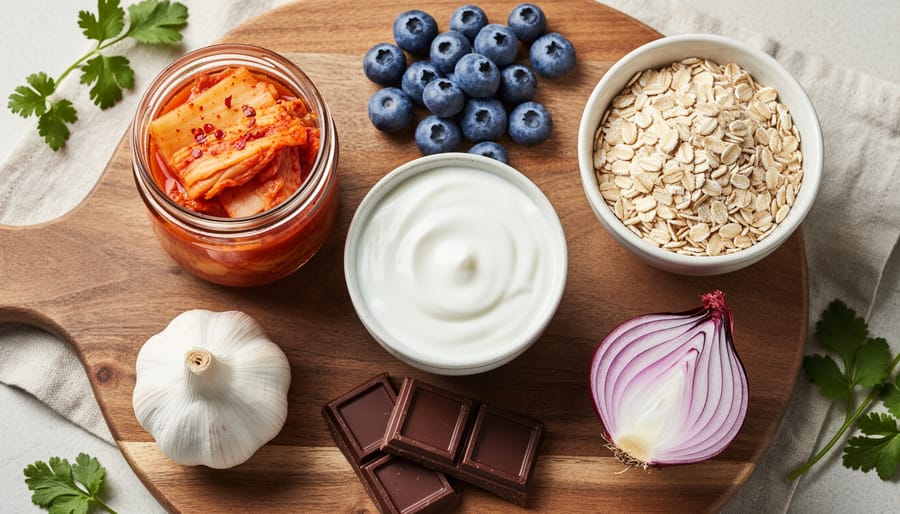
Your gut houses trillions of bacteria that influence everything from digestion and immunity to mental clarity and chronic disease risk. When this delicate ecosystem falls out of balance—often due to processed foods, stress, and antibiotics—you may experience bloating, fatigue, weakened immunity, and even mood changes. The solution lies in what you eat daily.
Certain foods act as fuel for beneficial gut bacteria, helping them thrive and crowd out harmful strains. These foods contain specific compounds like prebiotics, probiotics, and polyphenols that strengthen your intestinal lining, reduce inflammation, and support the production of short-chain fatty acids—molecules that protect against conditions like inflammatory bowel disease, type 2 diabetes, and depression.
The seven foods outlined in this article represent your most powerful dietary tools for gut health. Each has been validated by research and provides unique benefits: some deliver live beneficial bacteria, others feed existing good bacteria, and several reduce gut inflammation. You don’t need to overhaul your entire diet overnight. Start by incorporating one or two of these foods this week, then gradually add more as they become habits.
Whether you’re managing digestive discomfort, supporting your immune system, or taking preventive steps against chronic disease, these evidence-based food choices offer a practical starting point. Small, consistent changes to your plate can create measurable improvements in how you feel within weeks.
Why Your Gut Microbiome Matters More Than You Think
Your gut is home to trillions of microorganisms—collectively called the gut microbiome—that do far more than just help you digest food. These tiny allies play a surprisingly powerful role in your overall health, influencing everything from your energy levels to your mood.
When your gut microbiome is balanced and diverse, it supports strong digestion by breaking down nutrients your body couldn’t otherwise absorb. This means you get more value from the foods you eat. But the benefits extend well beyond your digestive tract.
Research shows that approximately 70% of your immune system resides in your gut. A healthy microbiome helps train your immune cells to distinguish between harmful invaders and harmless substances, reducing inflammation and helping protect against illness. Understanding how diet shapes gut microbiome is essential for supporting this immune function.
Perhaps most fascinating is the gut-brain connection. Your gut produces neurotransmitters like serotonin—the same chemical that regulates mood and sleep. When your microbiome is out of balance, it can affect your mental well-being, contributing to anxiety, stress, and low mood. The connection between gut health and mental wellness is increasingly recognized by health experts.
Your gut health also influences chronic disease risk. An imbalanced microbiome has been linked to conditions like type 2 diabetes, heart disease, and obesity. By nourishing your gut with the right foods, you’re investing in food choices and disease prevention that can protect your health for years to come.
The good news? You have significant control over your gut health through what you eat daily.
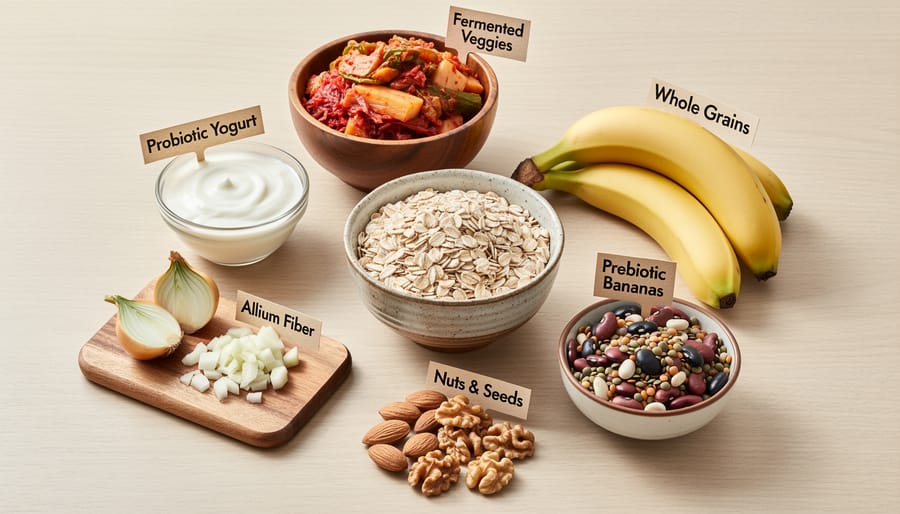
The 7 Gut-Healing Foods You Should Eat Regularly
1. Yogurt and Kefir: Probiotic Powerhouses
Yogurt and kefir are excellent sources of probiotics—beneficial bacteria that support your digestive system and overall health. These live cultures help maintain a balanced gut microbiome, which plays a crucial role in digestion, immune function, and even mental wellbeing.
When shopping for yogurt in Canada, look for products labeled “contains active cultures” or “live bacterial cultures.” Greek yogurt and traditional plain yogurt both offer probiotic benefits, but avoid varieties with excessive added sugars, as sugar can actually harm your gut bacteria. Aim for products with at least 1 billion CFU (colony-forming units) per serving and multiple bacterial strains like Lactobacillus and Bifidobacterium.
Kefir, a fermented milk drink, typically contains more diverse probiotic strains than yogurt, making it particularly powerful for gut health. You’ll find kefir in most Canadian grocery stores near the yogurt section.
For practical incorporation, enjoy a bowl of plain yogurt with fresh berries and nuts for breakfast, or drink a glass of kefir as a snack. Start with small portions if you’re new to fermented foods, gradually increasing to allow your digestive system to adjust comfortably.
2. Fermented Vegetables: Sauerkraut and Kimchi
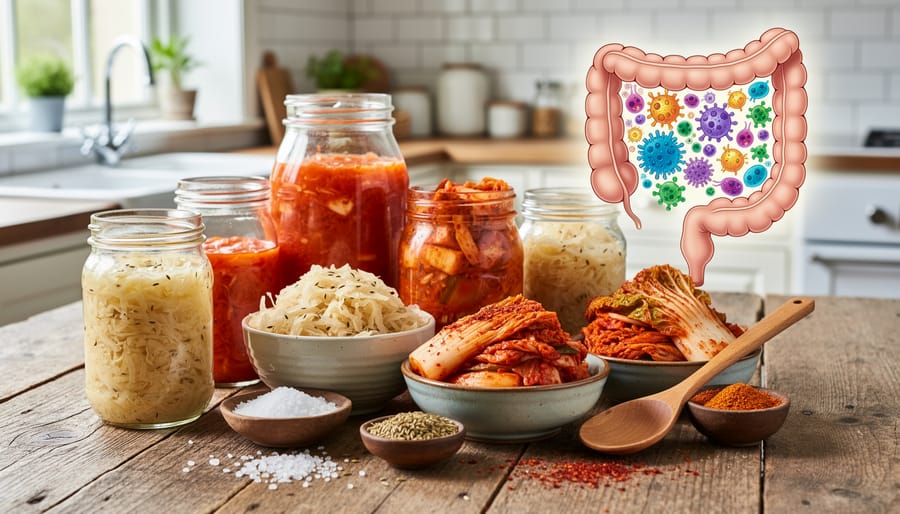
Sauerkraut and kimchi are powerhouse fermented vegetables packed with beneficial bacteria that fermented foods support gut health by introducing live probiotics directly into your digestive system. These traditional preservation methods create environments where beneficial lactobacillus bacteria thrive, helping to balance your gut microbiome and support digestion.
Beyond probiotics, both sauerkraut and kimchi provide excellent fiber content, feeding the good bacteria already living in your gut. This combination of probiotics and prebiotics makes them particularly effective for maintaining digestive wellness.
Canadian meals offer simple opportunities to include these fermented favorites. Add sauerkraut as a tangy topping to your morning eggs or alongside grilled perogies for a probiotic boost. Kimchi works beautifully in grain bowls, stir-fries, or as a zesty side to roasted salmon. Start with small portions, about one to two tablespoons daily, allowing your digestive system to adjust gradually.
When shopping, choose refrigerated varieties labeled as containing live cultures. Shelf-stable versions have typically been heat-treated, which eliminates the beneficial bacteria. Look for products from local Canadian producers at farmers markets or health food stores for the freshest options.
3. Whole Grains: Fuel for Good Bacteria
Whole grains are powerhouses for gut health because they’re packed with prebiotic fiber—the type of fiber that feeds your beneficial gut bacteria. When these good bacteria digest prebiotic fiber, they produce short-chain fatty acids that support your intestinal lining and reduce inflammation throughout your body.
Canadian-grown options like oats and barley are particularly beneficial. Oats contain beta-glucan, a special type of soluble fiber that helps maintain healthy cholesterol levels while nourishing your microbiome. Barley offers both soluble and insoluble fiber, supporting digestive regularity and feeding diverse bacterial populations.
Getting more whole grains into your diet is simpler than you might think. Start your morning with a bowl of steel-cut oats topped with berries and ground flaxseed. Swap white rice for pot barley in soups and stews. Choose whole grain bread for sandwiches, and try quinoa or bulgur as side dishes. Even popcorn counts as a whole grain snack when air-popped.
Aim to make at least half your grain choices whole grains. This practical approach gives your gut bacteria the diverse fuel they need to thrive, supporting your digestive health and overall wellness.
4. Legumes: Beans, Lentils, and Chickpeas
Legumes like beans, lentils, and chickpeas are nutritional powerhouses for your gut microbiome. They’re packed with both soluble and insoluble fiber, which feeds beneficial gut bacteria and promotes regular bowel movements. What makes legumes especially valuable is their resistant starch—a type of carbohydrate that resists digestion in the small intestine and reaches your colon intact, where it becomes food for your good bacteria.
Research shows that people who regularly eat legumes have more diverse gut bacteria, which is linked to better overall health and reduced inflammation. A half-cup serving provides 6-8 grams of fiber, helping you reach the recommended 25-38 grams daily.
If legumes cause digestive discomfort, start small with just a few tablespoons and gradually increase your intake over several weeks. This gives your gut bacteria time to adjust. Canned varieties work just as well as dried—simply rinse them thoroughly to reduce sodium. Try adding chickpeas to salads, blending white beans into soups for creaminess, or using lentils as a ground meat substitute in tacos and pasta sauces. These simple swaps make it easy to support your gut health without complicated meal planning.

5. Bananas: The Convenient Prebiotic
Bananas are one of nature’s most convenient prebiotics, especially when you choose them slightly green. At this stage, bananas contain higher amounts of resistant starch, a unique type of carbohydrate that resists digestion in your small intestine and travels intact to your colon. Once there, it becomes food for your beneficial gut bacteria, helping them thrive and multiply.
As bananas ripen and turn yellow, much of this resistant starch converts to regular sugar, which is why slightly green bananas are the better choice for gut health. The resistant starch in these bananas has been shown to support the growth of helpful bacteria like Bifidobacteria, which play important roles in digestion and immune function.
Beyond their prebiotic benefits, bananas are rich in potassium, vitamin B6, and fiber. They’re also incredibly practical—portable, budget-friendly, and available year-round in Canadian grocery stores. Try adding sliced slightly green bananas to your morning oatmeal, blending them into smoothies, or simply enjoying one as a quick snack. Even if you prefer sweeter, riper bananas, you’ll still get dietary fiber that supports digestive health, though the prebiotic effect will be reduced.
6. Garlic and Onions: Everyday Gut Supporters
Garlic and onions are kitchen staples that do double duty for your digestive system. These aromatic vegetables contain prebiotic compounds called fructooligosaccharides (FOS) and inulin, which act as food for beneficial gut bacteria. When your good bacteria feast on these prebiotics, they produce short-chain fatty acids that support your intestinal lining and reduce inflammation throughout your body.
Both garlic and onions contain sulfur compounds and antioxidants that provide additional anti-inflammatory benefits, which can be particularly helpful for Canadians managing conditions like inflammatory bowel disease or looking to prevent chronic illness. Research shows these vegetables may also support immune function and cardiovascular health.
To maximize their gut-health benefits, try incorporating them into your daily meals. Add raw garlic to salad dressings or hummus for the most potent prebiotic effect, though cooked versions still offer substantial benefits. Sauté onions as a base for soups, stews, and stir-fries, or caramelize them to bring out their natural sweetness. If raw garlic or onions cause digestive discomfort, start with smaller cooked portions and gradually increase as your gut adapts to the prebiotic fiber.
7. Leafy Greens: The Unsung Heroes
Leafy greens like spinach, kale, Swiss chard, and arugula deserve recognition as gut health champions. These vegetables contain unique types of fiber, including insoluble fiber and special compounds called sulfoquinovose (SQ), which specifically nourish beneficial bacteria in your colon. Research shows that leafy greens help cultivate a diverse community of gut microbes, which is essential for strong digestive health and immune function.
What makes leafy greens particularly powerful is their combination of fiber and nutrients. The insoluble fiber acts like a broom, sweeping through your digestive tract and promoting regular bowel movements. Meanwhile, beneficial bacteria break down the SQ and other plant compounds, producing short-chain fatty acids that reduce inflammation and strengthen your gut lining.
Start by adding a handful of fresh spinach to your morning smoothie or enjoying a side salad with lunch. Sautéed kale with garlic makes an excellent dinner accompaniment. Aim for at least one to two cups of leafy greens daily. If you’re new to eating greens, begin with milder options like spinach or butter lettuce before progressing to more robust varieties like kale or collards.
How to Start Adding These Foods to Your Daily Routine
Starting your journey toward better gut health doesn’t require a complete dietary overhaul. Begin by adding one or two gut-friendly foods each week, allowing your digestive system to adjust gradually. This gentle approach makes transforming your eating habits more sustainable and less overwhelming.
For breakfast, mix plain yogurt with fresh berries and a tablespoon of ground flaxseed. This simple combination delivers probiotics, fiber, and omega-3 fatty acids. If you’re new to fermented foods, start with small portions of yogurt or kefir before exploring kimchi or sauerkraut.
Smart shopping doesn’t mean breaking the bank. Frozen berries offer excellent nutritional value at a lower cost than fresh options and last longer in your freezer. Buy whole oats in bulk rather than individual packets, and look for store-brand yogurt with live active cultures. Many Canadian grocery stores now carry affordable fermented vegetables in their refrigerated sections.
Build gut-friendly meals around foods you already enjoy. Add sauerkraut to your sandwich, toss beans into soups and salads, or blend leafy greens into smoothies. Keep it simple: a dinner plate with grilled salmon, roasted sweet potato, and steamed broccoli checks multiple gut-health boxes.
If cost is a concern, prioritize versatile staples like dried beans, oats, and frozen vegetables. These items provide excellent gut benefits without premium price tags. Canned beans are perfectly acceptable alternatives to dried varieties and require less preparation time.
For those hesitant about fermented foods, remember that even a tablespoon of sauerkraut or a small serving of yogurt contributes beneficial bacteria. You can gradually increase portions as your palate adjusts. Keep a variety of gut-healthy foods on hand so you always have convenient options available. Preparation is key: wash and chop vegetables on weekends, cook batches of beans, or portion yogurt into grab-and-go containers. These small steps make consistent healthy choices significantly easier throughout your busy week.
What to Avoid for Better Gut Health
While focusing on nourishing foods for your gut is important, it’s equally helpful to understand which choices might work against your efforts. Think of this as fine-tuning your approach rather than restricting yourself.
Highly processed foods often contain additives and preservatives that can disrupt the balance of beneficial bacteria in your digestive system. These foods typically offer minimal nutritional value while potentially triggering inflammation. When possible, choose whole food alternatives that provide both nutrients and natural fiber to feed your gut microbiome.
Excessive sugar intake can promote the growth of harmful bacteria while crowding out beneficial strains. This doesn’t mean you need to eliminate all sweet treats, but being mindful of your overall sugar consumption supports a healthier gut environment. Consider naturally sweet options like fruit when cravings strike.
Some artificial sweeteners may also affect gut bacteria composition, though research is ongoing. If you notice digestive discomfort after consuming products with artificial sweeteners, your body might be signaling that whole food choices work better for you.
Remember, building better gut health isn’t about perfection. Small, consistent changes matter more than strict elimination. If you occasionally enjoy processed foods, balance them with plenty of fiber-rich vegetables, fermented foods, and whole grains throughout your week. Your gut microbiome is remarkably resilient and responds positively to gradual improvements in your eating patterns.
Improving your gut health doesn’t require a complete dietary overhaul. Small, consistent changes can make a meaningful difference in how you feel, both physically and mentally. A healthier gut supports better digestion, strengthens your immune system, and may even help prevent chronic diseases while supporting your mental wellness. The connection between what you eat and how you feel is powerful, and these seven foods offer an accessible starting point.
Remember, building a healthier gut takes time. You won’t see dramatic changes overnight, but with patience and consistency, you’ll likely notice improvements in your energy, mood, and overall well-being within a few weeks. Start simple—choose just one or two foods from this list to incorporate into your daily routine. Whether it’s adding yogurt to your breakfast or swapping regular bread for sourdough, these small steps add up. Your gut, and your whole body, will thank you for the effort.