
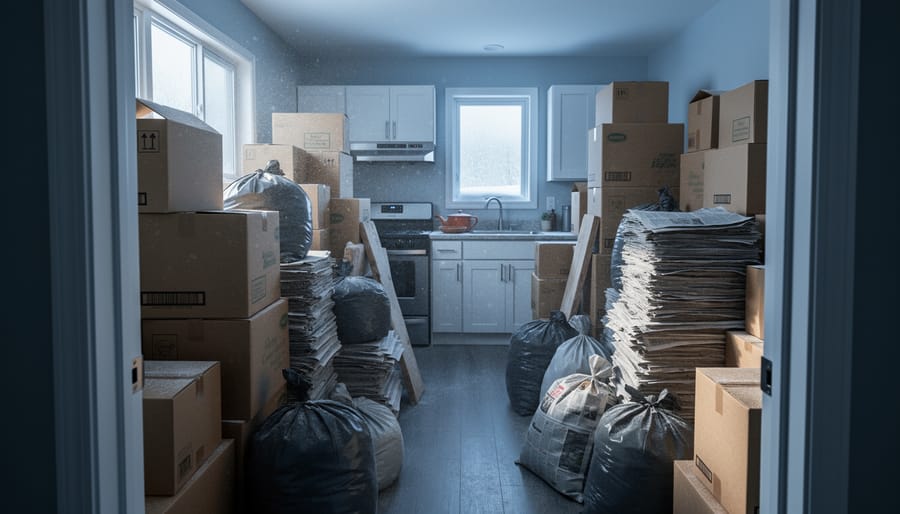
Hoarding is often misunderstood as simple messiness, but the health risks are far more serious than a crowded closet or a cluttered desk. Hoarding disorder affects people in cities and small communities across Ontario, changing how they live, relate to others, and access basic daily needs.
Too many items in the home can turn familiar rooms into mazes of belongings that quietly threaten health, safety, and overall well-being. Recognizing hoarding as a public health issue is an important step toward helping families find support and build safer, healthier living spaces.
Understanding Hoarding Disorder
Hoarding disorder is a mental health condition where a person struggles to discard or part with possessions, regardless of their actual value. This difficulty stems from distress, fear of loss, or beliefs that objects may be needed in the future.
It often starts small. People collect and save items that seem harmless at first. Over time, those items grow into overwhelming piles of clothing, papers, broken furniture, expired food, and random objects picked up from the street or dumpsters.
What begins as preparedness slowly creates conditions that pose serious risks.
Hoarding isn’t laziness or poor organization skills. It’s a complex condition that often coexists with anxiety, depression, or past trauma. Without support, people feel trapped, unable to break the cycle or regain control of their homes.
How Cluttered Living Spaces Affect Health and Well-Being
As clutter increases, living spaces lose their original purpose. Beds disappear under belongings. Shelves overflow. Rooms meant for rest become storage areas.
The daily impact includes:
- Difficulty sleeping, relaxing, or cooking healthy meals
- Friends and family stop visiting, increasing isolation
- Too much shame to let support workers access the home
- Blocked doors and windows that restrict movement
When these barriers pile up, quality of life declines rapidly.
Health Risks of Hoarding in the Home
The health risks go beyond inconvenience. When there are too many items, the environment becomes genuinely dangerous.
Fire Hazards
Piles of paper, cardboard, and fabric turn homes into tinderboxes. A single spark from an outlet or stove can ignite quickly, and blocked exits make escape nearly impossible.
Falls and Injuries
Cluttered floors, stacked boxes, and unstable piles create constant tripping hazards. This poses special risks for older adults whose balance and strength have changed.
Emergency responders often struggle to reach people quickly when pathways are blocked.
Respiratory Problems
Dust, mold, and poor ventilation take a toll on breathing. Moisture trapped under items creates ideal conditions for mold growth, which triggers asthma and other respiratory issues.
Unsanitary Conditions
Spoiled food, pests, and animal waste accumulate over time. Rodents and insects nest in the clutter and spread disease. People may develop skin problems, infections, and other health complications.
Mental Health Decline
Constant stress and anxiety about the condition of the home create a vicious cycle. The shame and fear of judgment make the problem worse.
In severe situations, hoarding leads to injury, hospitalization, or death. These outcomes are rare but highlight how serious the risks become without intervention.
Emotional Impact on Relationships and Daily Life
The effects of hoarding extend far beyond the physical home. People living in hoarded spaces describe constant stress and overwhelming fear of judgment. They can’t invite friends, neighbors, or support workers into their homes.
Family members feel torn. They want their loved one to be safe, but conversations about clutter quickly turn into arguments.
Adult children dealing with a parent’s hoarding often experience complicated emotions during and after cleanup. Relief at seeing the floor again. Grief over discarded items that represented memories.
These emotional challenges show why hoarding isn’t simply about being messy. It affects identity, trust, and how people connect with the world around them.
Safe Intervention, Treatment, and Trauma-Informed Cleanup
Support for hoarding disorder requires a combination of mental health treatment, practical resources, and patient communication. Healthcare providers discuss how clutter poses risks while respecting that many items hold deep meaning.
Effective interventions include:
- Focusing on safety and achievable goals
- Developing new behaviors around acquiring items
- Using step-by-step strategies to sort through belongings
- Connecting people with local services for safe removal
Cleanup isn’t just about throwing things away. It’s about supporting people so they don’t feel punished, shamed, or suddenly at risk of losing their housing.
Professional teams that specialize in hoarding cleanup work closely with healthcare providers, social workers, and clients to plan the pace of work. This collaboration protects both emotional and physical well-being throughout the process. Trained teams across Southern Ontario handle sensitive cleanup and junk removal with safety, dignity, and environmental responsibility.
Restoring Healthy Living Spaces and Planning for the Future
When clutter is reduced and hazards are removed, people often describe feeling lighter, calmer, and more hopeful. Clear floors, visible tabletops, and safe pathways help residents feel comfortable in their own homes again.
Maintaining healthy living spaces requires:
- Regular check-ins with support workers or friends
- Simple routines for sorting mail and purchases
- Learning to remove items that no longer serve a purpose
- Setting limits on acquiring new objects
Cleanup and remediation can also lower costs for communities since fewer emergency calls, hospital visits, or housing crises occur.
People can move toward more positive futures with the right mix of professional help, family support, and self-compassion.
Getting Help
If you or someone you know is concerned that clutter has become harmful, contact a healthcare provider, mental health professional, or local information line.
Early intervention protects families and communities and creates safer, more stable homes where people can rest, prepare food, and rebuild daily life with greater confidence.