

Life in a dynamic city like Calgary presents a unique mix of opportunity and pressure. We navigate demanding careers, personal relationships, and the rapid pace of modern life, all while facing economic shifts and personal struggles. It’s no surprise that many feel the strain. In fact, a recent report from The City of Calgary found that nearly one-third of Calgarians rate their mental health as fair or poor. In this environment, developing inner strength isn’t a luxury; it’s essential for well-being.
Navigating Life’s Challenges: The Need for Emotional Well-being
Every individual encounters stress, setbacks, and unexpected challenges. From managing anxiety about the future to coping with the weight of past trauma or depression, these experiences are a universal part of the human condition. The key differentiator in how we handle these struggles lies in our emotional resilience—our ability to adapt and thrive amidst adversity. Without it, stress can become chronic, impacting our mental health, relationships, and overall quality of life.
What is Emotional Resilience? Defining Your Capacity to Thrive
Emotional resilience in Calgary is the psychological capacity to cope with stress and hardship. It’s not about avoiding difficult emotions or pretending problems don’t exist. Instead, it’s about navigating them effectively, learning from the experience, and moving forward with confidence and a renewed sense of purpose. It is the inner toolkit that allows you to bend without breaking, transforming obstacles into opportunities for growth.
Calgary Counselling: Your Partner in Cultivating Resilience
Building this resilience is a journey, and you don’t have to walk it alone. Professional counselling provides a structured, supportive environment to develop the skills and perspectives necessary for lasting well-being. Calgary Counselling acts as a dedicated partner, offering expert guidance to help you understand your unique challenges and build a solid foundation of inner strength, one pillar at a time.
Understanding Emotional Resilience: More Than Just Bouncing Back
The concept of resilience is often simplified to “bouncing back” from difficulty. While this is part of it, true emotional resilience is a more profound and proactive process. It involves not just recovery but also adaptation and growth. It’s about developing a durable sense of self that can withstand life’s storms and even find strength in them.
Defining Emotional Resilience: Adaptability, Growth, and Inner Strength
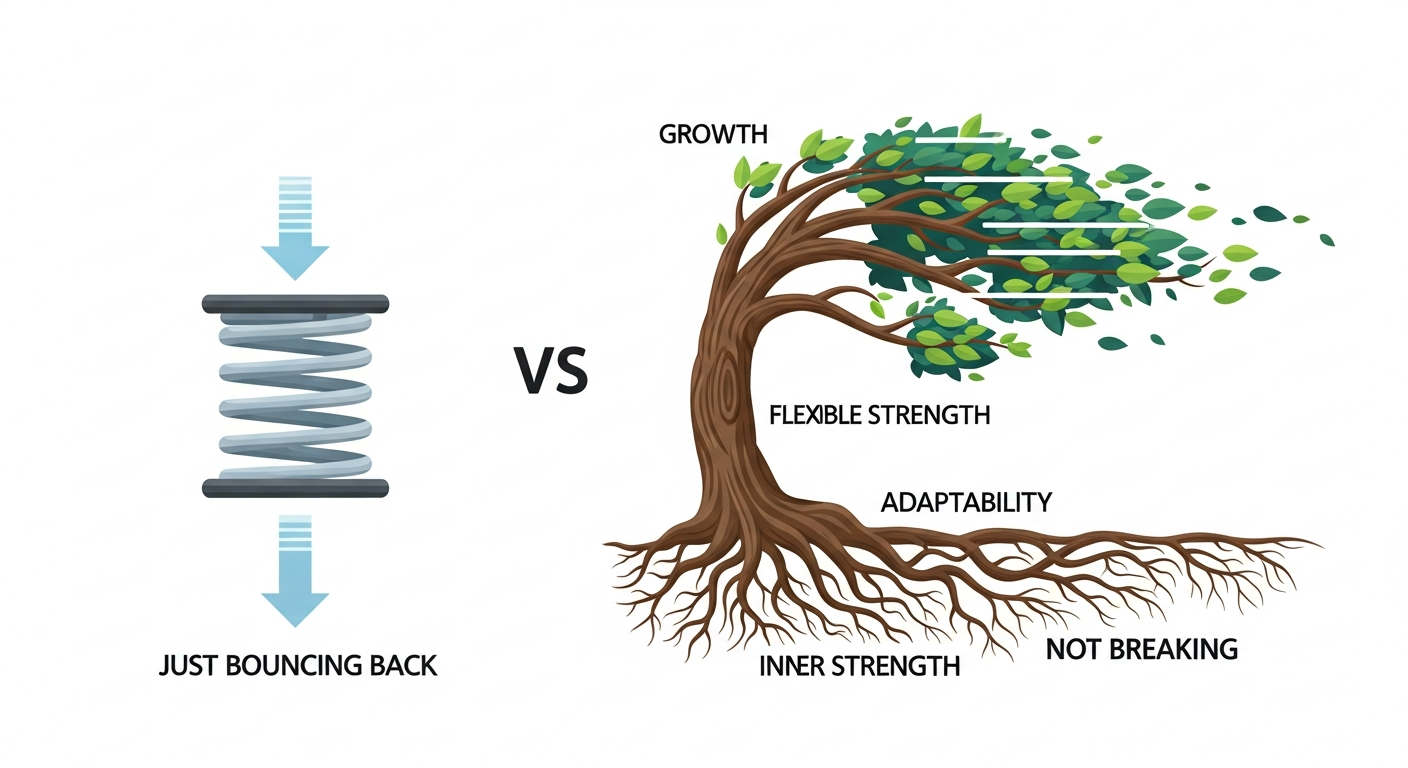 True emotional resilience involves more than just bouncing back; it’s a dynamic process of adapting, growing, and drawing on inner strength.
At its core, emotional resilience is a dynamic combination of skills and mindsets. It is the adaptability to adjust your course when faced with unforeseen changes. It is the inner strength to manage intense emotions without being overwhelmed. And most importantly, it is the capacity for growth—the ability to integrate challenging experiences into your life story in a way that makes you wiser and more capable than before. This process builds confidence and reinforces your ability to handle future struggles.
The Stakes: Why Resilience is Crucial for Mental Health and Well-being
The connection between resilience and mental health is undeniable. A lack of resilience can make individuals more vulnerable to conditions like anxiety and depression. The prevalence of these challenges is significant; a 2023 Statistics Canada survey revealed that 18.3% of Canadians aged 15 and older met the criteria for a mood, anxiety, or substance use disorder. Conversely, building this capacity has a powerful protective effect. Research confirms this link, with studies showing that 60% of people who develop resilience report fewer mental health issues. It is a fundamental component of sustainable well-being.
The Unique Context of Calgary: Navigating Local Stressors and Opportunities for Growth
Living in Calgary offers incredible benefits, from access to nature to a vibrant economy. However, it also comes with unique stressors, such as economic volatility and a fast-paced work culture that can contribute to burnout. People with high emotional resilience are better equipped for this environment, with one study showing they work 94% better and feel 42% happier at their jobs. Calgary Counselling understands this local context, helping clients build skills that are directly applicable to navigating the specific challenges and opportunities of life in this city.
Pillar 1: Self-Awareness – The Foundation of Inner Strength
The journey to resilience begins with looking inward. Self-awareness is the bedrock upon which all other pillars are built. Without understanding your internal landscape—your thoughts, emotions, and behaviours—it’s impossible to effectively manage your responses to the external world.
What is Self-Awareness? Recognizing Your Emotions, Thoughts, and Patterns
Self-awareness is the conscious knowledge of your own character, feelings, motives, and desires. It means paying attention to your emotional state without judgment and recognizing the recurring thought patterns that shape your perspective. It’s about asking “Why do I feel this way?” and “What triggered this reaction?” This honest self-inquiry is the first step toward gaining control over your well-being.
Why Self-Awareness Matters: Identifying Stressors, Triggers, and Mindsets
A lack of self-awareness means you are often reacting on autopilot, driven by unexamined emotions and habits. By cultivating it, you begin to identify the specific situations, people, or thoughts that trigger stress or anxiety. You can see how a pessimistic mindset might be contributing to feelings of depression. This clarity is empowering; it shifts you from being a passenger in your emotional life to being the driver.
How Calgary Counselling Cultivates Self-Awareness:
Therapy provides a safe and reflective space to develop this crucial skill. A therapist acts as a guide, helping you explore your inner world through targeted questions and evidence-based techniques. This process often involves:
- Guided Exploration: Talking through experiences to uncover underlying beliefs and emotional patterns.
- Mindfulness Practices: Learning to observe your thoughts and feelings in the present moment without getting caught up in them.
- Journaling Prompts: Using writing to track moods, identify triggers, and gain clarity on your internal processes.
Pillar 2: Self-Regulation – Mastering Your Emotional Landscape
Once you can identify your emotions, the next step is learning to manage them effectively. Self-regulation is the ability to control your emotional responses, impulses, and behaviours in the face of stress or temptation. It’s the difference between reacting impulsively and responding thoughtfully.
What is Self-Regulation? Managing Impulses, Stress, and Emotional Responses
Self-regulation involves a set of skills that allow you to stay calm under pressure, think clearly when you’re upset, and steer your behaviour in a productive direction. This doesn’t mean suppressing your emotions; it means processing them constructively. It’s about creating a pause between a trigger and your reaction, giving you the space to choose a healthier response.
Why Self-Regulation Matters: Preventing Burnout and Cultivating Calm Within the Storm
In a high-pressure environment, poor self-regulation can lead directly to chronic stress and burnout. When you’re constantly overwhelmed by your emotions, your mental and physical resources become depleted. Mastering self-regulation helps you conserve that energy. It allows you to navigate conflict, meet deadlines, and handle personal crises with a greater sense of stability and calm, protecting your overall mental health.
How Calgary Counselling Teaches Self-Regulation Techniques:
Counselling equips you with a practical toolkit for managing your emotions. Therapists introduce proven strategies tailored to your specific needs, such as:
- Cognitive Behavioural Therapy (CBT): Identifying and challenging negative thought patterns that fuel distressing emotions.
- Stress-Reduction Techniques: Learning tangible skills like deep-breathing exercises and progressive muscle relaxation to calm your nervous system in moments of high anxiety.
- Emotional Processing: Developing a vocabulary for your feelings and learning healthy ways to express them, preventing them from becoming overwhelming.
Pillar 3: Optimism & Growth Mindset – Cultivating Hope in the Face of Adversity
Your perspective shapes your reality. The third pillar of resilience is about cultivating an outlook that acknowledges challenges while maintaining a belief in your ability to overcome them. This involves fostering both optimism and a growth mindset.
What are Optimism and a Growth Mindset? Embracing Hope and Learning from Challenges
Optimism is the general expectation that good things will happen and that you have control over positive outcomes in your life. A growth mindset, a concept developed by psychologist Carol Dweck, is the belief that your abilities and intelligence can be developed through dedication and hard work. Together, they create a powerful perspective: challenges are not permanent roadblocks but temporary and valuable learning opportunities.
Why a Positive Outlook Matters: Fueling Confidence, Self-Esteem, and Purpose
This mindset is crucial for perseverance. When you view setbacks as chances to learn, failure loses its sting. This fuels greater self-esteem and confidence in your ability to handle whatever comes your way. It helps you find meaning and purpose even in difficult circumstances, which is a powerful motivator for pushing through adversity instead of giving up.
How Calgary Counselling Fosters an Optimistic Perspective:
A therapist can help you fundamentally shift your perspective away from ingrained negativity or self-doubt. This isn’t about ignoring problems but about reframing them. Counselling helps by:
- Challenging Core Beliefs: Working to identify and modify deep-seated negative beliefs about yourself and the world.
- Practicing Gratitude: Introducing simple, effective exercises to shift focus toward positive aspects of your life, rewiring your brain for optimism.
- Goal Setting: Collaborating to set and achieve small, meaningful goals, which builds a track record of success and reinforces your sense of agency.
Pillar 4: Strong Social Connections – The Power of Belonging and Support
Humans are social creatures. We are not meant to navigate life’s struggles in isolation. The fourth pillar of resilience is the strength we draw from our relationships and communities. A robust support system is a critical buffer against stress and a vital source of encouragement.
What Constitutes Strong Social Connections? The Importance of Supportive Relationships
Strong social connections are about quality, not quantity. They are the relationships—with family, friends, or colleagues—where you feel seen, heard, and valued. These are the people you can turn to for practical help, emotional support, and an honest perspective. These connections form a vital part of your personal support system, reminding you that you are not alone.
Why Social Support Matters: Combating Isolation and Enhancing Mental Well-being
Strong social bonds provide a sense of belonging that counteracts loneliness. Sharing your burdens with a trusted friend can lessen their weight, while celebrating successes with your support team can amplify joy. This network reinforces your sense of worth and provides the encouragement needed to persevere through tough times.
How Calgary Counselling Strengthens Social Bonds:
Therapy can be instrumental in helping you build and maintain a healthy support network. A counsellor can work with you on:
- Improving Communication Skills: Learning how to express your needs clearly and listen empathetically, fostering deeper, more authentic connections.
- Navigating Relationship Dynamics: Exploring patterns in your relationships and developing strategies to create healthier, more supportive interactions within your family and social systems.
- Building Confidence for Connection: For those who struggle with social anxiety, therapy provides a safe place to build the confidence needed to form new relationships and engage with their communities.
Pillar 5: Adaptability & Problem-Solving – Navigating Life’s Unpredictability
Life is inherently unpredictable. The final pillar of resilience is the ability to remain flexible in your thinking and proactive in your actions when faced with change or unexpected problems. This combination of adaptability and effective problem-solving allows you to navigate uncertainty with competence and confidence.
What are Adaptability and Problem-Solving Skills? Flexibility in the Face of Change
Adaptability is the mental flexibility to adjust to new conditions. Problem-solving is the process of identifying challenges, generating potential solutions, and implementing the most effective one. A resilient person doesn’t freeze when a plan fails; they pivot. They see a problem not as a dead end but as a puzzle to be solved.
Why Adaptability Matters: Turning Life’s Struggles into Opportunities for Growth
A rigid approach to life leads to frustration and stress when things don’t go as planned. Adaptability allows you to gracefully handle disruptions, from a career change to a personal loss. When you pair this flexibility with strong problem-solving skills, you transform from a victim of circumstance into an active agent in your own life. Every solved problem builds confidence and reinforces your belief in your own capabilities.
How Calgary Counselling Enhances Adaptability and Problem-Solving:
Counselling provides a structured environment to hone these critical life skills. Therapists empower clients by:
- Breaking Down Problems: Guiding you through a process of deconstructing overwhelming issues into smaller, manageable steps.
- Brainstorming Solutions: Facilitating creative thinking to explore multiple options and perspectives you may not have considered.
- Role-Playing Scenarios: Practicing how to handle difficult conversations or situations in a safe setting, building your confidence to apply these skills in the real world.
Beyond the Pillars: Calgary Counselling’s Holistic Approach to Your Well-being
Building emotional resilience is about more than just learning individual techniques; it’s about integrating these five pillars into a cohesive whole. Calgary Counselling adopts a holistic approach that recognizes the interconnectedness of your mental, emotional, and social well-being. Our experienced team of therapists works collaboratively to provide comprehensive support that addresses your unique needs.
This includes creating a safe environment to process underlying issues, such as trauma, which can act as a significant barrier to resilience. We understand that you exist within larger systems—family, work, and community—and our therapeutic strategies are designed to help you thrive within that environment. Recognizing the widespread need for support, as highlighted by a 2023 Calgary Counselling Centre report where 73% of Alberta screening participants were recommended for further evaluation, our mission is to provide accessible, expert care. We are not just a service; we are a dedicated support system committed to empowering your journey toward lasting well-being.
Conclusion
Emotional resilience is the key to navigating the complexities of modern life with strength, confidence, and grace. By developing the five essential pillars—Self-Awareness, Self-Regulation, Optimism & Growth Mindset, Strong Social Connections, and Adaptability & Problem-Solving—you build a powerful internal foundation for lasting mental health. This is not an abstract goal but an achievable outcome built through intentional practice and dedicated support.
You have the capacity to grow stronger through your struggles, and you don’t have to build this resilience alone. The professional therapists at Calgary Counselling are here to guide you, providing the tools, strategies, and unwavering support needed to master your emotional landscape. Taking the first step to seek support is a proactive investment in your well-being. Connect with Calgary Counselling today to begin your journey toward a more resilient and empowered life.