

Understand how your daily activities—from getting dressed to volunteering—directly impact your physical health, mental wellbeing, and ability to live independently. Occupational therapy organizes human activity into nine distinct occupation categories that form the foundation of meaningful, healthy living.
Recognize that activities of daily living like bathing, eating, and toileting are essential self-care tasks that maintain your dignity and independence. Instrumental activities of daily living, including meal preparation, medication management, and housework, allow you to function effectively in your home and community.
Explore how rest and sleep occupations regulate your energy levels and cognitive function, while education encompasses formal learning activities that keep your mind sharp throughout life. Work activities—whether paid employment, volunteer roles, or job searching—provide purpose and social connection that research links to improved mental health outcomes.
Consider play as a vital occupation for stress relief and creativity, not just for children but adults too. Social participation strengthens relationships and reduces isolation, a significant health risk for Canadians. Leisure pursuits like hobbies and sports contribute to cardiovascular fitness and chronic disease prevention.
The ninth occupation, health management, involves activities that maintain and improve your wellbeing, from attending medical appointments to following exercise programs. Understanding these occupational therapy benefits empowers you to identify areas where support might enhance your quality of life and address specific health challenges through structured, meaningful activity.
What Are Occupations in Occupational Therapy?
In occupational therapy, the term “occupations” means something quite different from what you might expect. Rather than referring to jobs or careers, occupations in this context describe all the meaningful daily activities that fill your life and give it purpose. These are the things you need to do, want to do, and are expected to do each day—from brushing your teeth in the morning to participating in your favorite hobbies or caring for family members.
Occupational therapists take a holistic approach to health and well-being, recognizing that what you do every day directly impacts your physical health, mental wellness, and overall quality of life. This perspective goes beyond treating symptoms or isolated health concerns. Instead, it considers how all aspects of your daily activities work together to support your health goals, whether you’re working to prevent chronic diseases, manage stress, or maintain your independence as you age.
To better understand and organize these countless daily activities, occupational therapy professionals use a framework of nine distinct categories. These categories encompass everything you might do from the moment you wake up until you go to sleep. They include essential self-care tasks, household responsibilities, work activities, social connections, leisure pursuits, and more.
This comprehensive framework helps occupational therapists assess which activities might be challenging for you and develop personalized strategies to help you participate fully in life. For Canadians seeking to improve their health and wellness, understanding these nine occupations offers valuable insight into how your daily routines and activities contribute to preventing illness, enhancing fitness, and supporting mental health. By examining each category, you can identify opportunities to make positive changes that align with your health goals and lifestyle preferences.
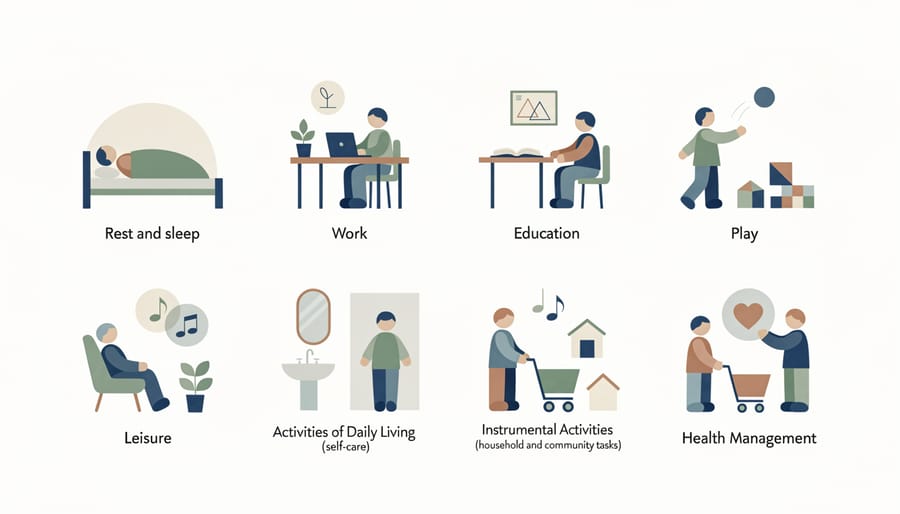
The 9 Occupations That Shape Your Well-being
Activities of Daily Living (ADLs)
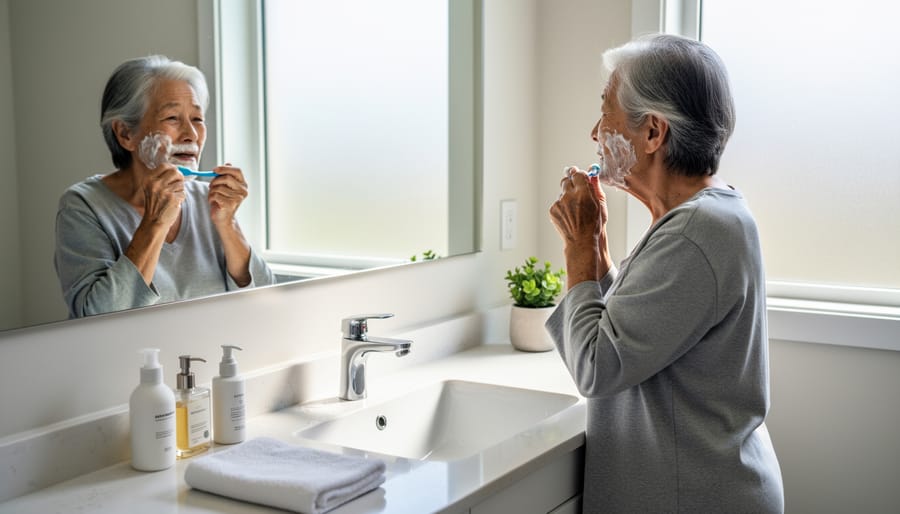
Activities of Daily Living, or ADLs, form the foundation of occupational therapy practice. These essential self-care tasks include bathing, dressing, eating, toileting, grooming, and personal hygiene. While they may seem routine, your ability to perform ADLs independently directly impacts your physical health, mental well-being, and sense of dignity.
Maintaining independence in these activities becomes especially important as we age or manage health conditions. Research shows that difficulties with ADLs can lead to decreased self-esteem, social isolation, and increased dependence on caregivers. Conversely, preserving these abilities supports autonomy, confidence, and quality of life.
Occupational therapists assess your current abilities and develop personalized strategies to help you maintain or regain independence. This might include recommending adaptive equipment like grab bars in the bathroom, teaching energy conservation techniques, or modifying your environment for safer access.
You can support your ADL abilities by staying physically active to maintain strength and flexibility, practicing good posture, and addressing any emerging difficulties early. Simple modifications can make significant differences: organizing your closet for easier access, using non-slip mats in the shower, or choosing clothing with manageable fasteners.
Remember, seeking support for ADL challenges is a proactive step toward maintaining your independence, not a sign of weakness. Early intervention from an occupational therapist can prevent complications and help you continue living life on your own terms.
Instrumental Activities of Daily Living (IADLs)
Instrumental Activities of Daily Living represent more complex tasks essential for independent living in your community. These activities require higher-level thinking skills and planning abilities compared to basic self-care tasks.
IADLs include meal planning and preparation, managing finances and paying bills, shopping for groceries and household items, managing medications safely, maintaining your home through cleaning and minor repairs, using transportation, doing laundry, and using communication devices like phones or computers.
For Canadian adults and seniors, maintaining these skills directly impacts your ability to live independently at home. Research shows that difficulties with IADLs often indicate declining cognitive health or early signs of conditions requiring support. Occupational therapists assess your ability to perform these tasks and provide strategies to maintain independence longer.
When cognitive changes occur due to aging, stroke, or conditions like dementia, occupational therapists can introduce adaptive techniques, memory aids, and environmental modifications. They might recommend medication organizers, simplified meal preparation methods, or automated bill payment systems to support your safety and autonomy.
Practicing IADLs regularly helps maintain cognitive function through problem-solving and planning. Even if you currently manage these tasks easily, staying engaged with activities like cooking new recipes or learning digital banking keeps your mind sharp and prepares you for healthy aging. Early intervention from occupational therapy services helps you maintain these crucial skills that support your quality of life and community participation.
Rest and Sleep
Rest and sleep are fundamental occupations that directly impact every aspect of your health. Quality sleep supports immune function, helps prevent chronic diseases like diabetes and heart disease, and plays a crucial role in mental health by regulating mood and reducing anxiety. For those engaged in fitness activities, sleep is when your body repairs muscles and consolidates the physical gains from exercise.
Sleep hygiene refers to the habits and environmental factors that promote consistent, restorative sleep. Occupational therapists recognize that poor sleep patterns can cascade into difficulties with other daily occupations, from concentration at work to emotional regulation in relationships.
Evidence-based strategies for better rest include maintaining a consistent sleep schedule, even on weekends, to regulate your body’s internal clock. Create a bedroom environment that supports sleep by keeping it cool, dark, and quiet. Limit screen time at least one hour before bed, as blue light from devices disrupts melatonin production. Avoid caffeine after early afternoon and limit alcohol, which fragments sleep quality despite initially making you drowsy.
Incorporating relaxation practices like gentle stretching, deep breathing, or meditation before bed signals your body to transition into rest mode. If you struggle with chronic sleep issues affecting your daily functioning, consulting an occupational therapist can help identify barriers and develop personalized strategies to improve this essential occupation.

Work
Work encompasses all the activities we engage in to be productive and contribute to society, whether through paid employment, unpaid caregiving, volunteering, or education. Occupational therapists recognize that meaningful work profoundly impacts our physical health, mental well-being, and sense of purpose.
For Canadians in the workforce, occupational therapy addresses numerous challenges. OTs help individuals return to work after injury or illness, modify job tasks to prevent strain, and develop strategies for managing chronic conditions in the workplace. They also support job seekers by building interview skills, improving time management, and addressing barriers to employment.
A key focus area is promoting work-life balance and workplace mental health. OTs collaborate with employers to create ergonomic workstations, implement stress-reduction programs, and foster inclusive environments that accommodate diverse abilities. They recognize that sustainable work patterns prevent burnout and support long-term wellness.
Unpaid work, including caregiving and household management, receives equal attention. Occupational therapists help caregivers develop energy conservation techniques and self-care routines to maintain their own health while supporting others.
Practical tips include setting boundaries around work hours, taking regular movement breaks, and ensuring your work aligns with your values and abilities for lasting career satisfaction and overall health.
Education
Education encompasses all the ways we learn and grow throughout our lives, from formal classroom settings to self-directed skill development. This occupation includes attending school, completing professional training, participating in workshops, reading, practicing new hobbies, and engaging in meaningful discussions. Occupational therapists recognize education as essential for cognitive health and mental well-being, regardless of age or ability.
Engaging in educational activities provides powerful mental stimulation that helps maintain brain health and may reduce the risk of cognitive decline. Learning new skills creates neural pathways, keeping your mind sharp and adaptable. Whether you’re mastering a new language, taking an online course, or learning to play an instrument, these activities support personal growth and confidence.
For individuals recovering from injury or managing chronic conditions, occupational therapists can identify educational approaches that accommodate physical or cognitive challenges. They might suggest adaptive technologies, modified learning environments, or paced schedules that make education accessible and enjoyable.
The beauty of education as an occupation is its flexibility. It doesn’t require expensive programs or formal settings. Reading library books, watching educational documentaries, joining community groups, or practicing puzzles all count as valuable educational activities. By prioritizing lifelong learning, you’re investing in both your mental health and overall quality of life while maintaining meaningful engagement with the world around you.
Play
Play isn’t just for children—it’s a vital occupation that benefits people of all ages. Occupational therapists recognize that engaging in playful, enjoyable activities serves important purposes for both physical and mental wellness. For children, play supports development of motor skills, creativity, and social abilities. For adults, incorporating play into daily life acts as a powerful stress reduction tool and contributes to improved mental health.
Research shows that playful activities trigger the release of endorphins, our body’s natural mood boosters, while lowering cortisol levels associated with stress. Whether it’s playing board games with family, engaging in recreational sports, pursuing hobbies like painting or gardening, or simply spending time with pets, these enjoyable pursuits provide essential balance in our busy lives.
Occupational therapists may recommend specific play-based activities tailored to individual needs, helping people rediscover joy while simultaneously working toward health goals. This approach is particularly valuable for managing chronic conditions, preventing burnout, and maintaining cognitive function as we age. By prioritizing play, Canadians can enhance their overall quality of life while supporting both mental and physical wellness in an evidence-based, sustainable way.
Leisure
Leisure encompasses all the enjoyable activities you choose to do during your free time, from gardening and painting to playing sports or reading a good book. For Canadians, leisure activities play a crucial role in overall health and well-being, going far beyond simple entertainment.
Engaging in meaningful leisure activities supports mental health by reducing stress, providing opportunities for relaxation, and fostering a sense of accomplishment. Whether you’re joining a community book club, practicing photography, or playing recreational hockey, these activities offer essential breaks from work and daily responsibilities. Research shows that Canadians who regularly participate in leisure pursuits report higher life satisfaction and better emotional well-being.
Leisure also strengthens social connections. Group activities like team sports, crafting circles, or volunteering create opportunities to build friendships and combat social isolation, which is increasingly recognized as a health risk factor. Even solitary hobbies can provide mental restoration that enhances your ability to connect with others.
Occupational therapists help individuals rediscover or maintain leisure activities, particularly after injury, illness, or life transitions. They might suggest adaptive equipment for hobbies, recommend new activities that match your abilities and interests, or help you balance leisure time with other responsibilities. Making time for activities you genuinely enjoy isn’t selfish—it’s an essential component of a healthy, balanced life that contributes to chronic disease prevention and overall wellness.
Social Participation
Social participation encompasses all the ways you connect with others—from spending time with family and friends to engaging in community activities and maintaining meaningful relationships. This occupation is fundamental to your overall well-being and plays a significant role in both mental and physical health.
Strong social connections can help prevent loneliness and isolation, which are linked to increased risks of depression, anxiety, and even chronic diseases like heart disease. Regular social engagement keeps your mind active, provides emotional support during challenging times, and gives you a sense of belonging and purpose.
Occupational therapists assess how physical limitations, mental health challenges, or life transitions might be affecting your ability to participate socially. They can help you develop strategies to maintain friendships, join community groups, or reconnect with activities you enjoy. This might include finding accessible ways to volunteer, adapting how you communicate with loved ones, or building confidence in social settings.
Simple practical tips include scheduling regular phone calls with friends, joining a local club or faith community, participating in neighbourhood activities, or volunteering for causes you care about. Even small interactions, like chatting with neighbours or attending community events, contribute to your social well-being. Remember, quality matters more than quantity—a few meaningful connections can provide tremendous health benefits and enhance your quality of life.

Health Management
Health management encompasses all the activities that support your physical and mental well-being, from tracking blood pressure to attending physiotherapy appointments. This occupation area focuses on how you maintain wellness, prevent illness, and actively participate in your healthcare journey.
For many Canadians, managing chronic conditions like diabetes, arthritis, or heart disease requires daily attention to specific health routines. This includes taking medications as prescribed, monitoring symptoms, following specialized diets, and attending regular medical appointments. Occupational therapists help individuals develop systems and strategies to successfully maintain these health practices, ensuring they fit seamlessly into daily life rather than feeling overwhelming.
Fitness routines form another crucial component, whether that means structured exercise programs, gentle stretching, or simply incorporating more movement throughout your day. The key is finding activities that match your abilities and health goals while remaining sustainable long-term.
Nutrition practices extend beyond meal planning to include grocery shopping with health considerations in mind, preparing foods that support your wellness goals, and understanding how dietary choices affect your overall health. This might involve learning to read food labels, adapting recipes to meet dietary restrictions, or establishing regular eating patterns.
When barriers arise in health management—whether physical limitations, cognitive challenges, or environmental obstacles—occupational therapy provides practical solutions. Therapists might recommend adaptive equipment, create visual medication reminders, or teach energy conservation techniques that make maintaining health routines more achievable and less exhausting.
How Balancing These 9 Occupations Improves Your Health
Just as a well-balanced diet nourishes your body, engaging meaningfully across all nine occupations nourishes your overall wellbeing. When you maintain harmony among activities of daily living, work, play, rest, social participation, education, leisure, and sleep, you create a foundation for lasting health.
Research consistently shows that occupational balance directly impacts both mental and physical health. When one occupation dominates your life—perhaps spending excessive hours at work while neglecting social connections or rest—your body and mind experience strain. Studies indicate that people with poor occupational balance face higher risks of burnout, anxiety, depression, and chronic diseases like cardiovascular conditions and diabetes.
Conversely, engaging holistically across all occupations provides protective health benefits. Regular social participation strengthens immune function and reduces mortality risk by up to 50 percent, according to Canadian health research. Adequate sleep improves cognitive function and metabolic health, while meaningful leisure activities lower stress hormones and blood pressure. Even basic self-care routines support physical independence and mental clarity as you age.
The interconnection between these occupations means that improving one area often enhances others. When you prioritize quality sleep, you have more energy for physical activity and social engagement. When you set occupational wellness goals that honor rest and play alongside productivity, you build resilience against illness.
Think of occupational balance as your personal health ecosystem. Each occupation plays a vital role, and neglecting any one area creates ripple effects throughout your wellbeing. By consciously distributing your time and energy across meaningful activities—whether that’s preparing nutritious meals, connecting with friends, pursuing hobbies, or simply resting—you actively prevent disease and cultivate lifelong vitality. The key is recognizing that balance looks different for everyone and may shift across life stages.
Practical Steps to Optimize Your Daily Occupations
Start by reflecting on your current daily balance. Ask yourself: Do I feel rushed through most activities? Am I neglecting self-care, social connections, or hobbies? Does my daily routine support my physical and mental health? These questions can reveal gaps in your occupational balance.
To improve your daily occupations, try scheduling rest periods between demanding activities, just as you would important appointments. Build regular movement into your routine, whether through active transportation, stretching breaks, or recreational activities that bring you joy. Prioritize sleep by establishing consistent bedtimes and creating calming evening routines that signal your body it’s time to rest.
Consider meal planning on weekends to reduce weekday stress and ensure nutritious eating. Set boundaries around work hours to protect time for leisure and social connections. Even small adjustments, like putting your phone away during meals or dedicating 15 minutes daily to a meaningful hobby, can significantly impact your well-being.
If you’re experiencing persistent difficulty managing daily activities, feeling overwhelmed by routine tasks, recovering from injury or illness, or noticing your occupational imbalance is affecting your mental health or relationships, it may be time to consult an occupational therapist. These regulated health professionals can provide personalized strategies to help you achieve sustainable, meaningful occupational balance tailored to your unique circumstances and goals.
Understanding the nine occupations of occupational therapy offers a valuable framework for evaluating your own daily life and overall well-being. These occupations—activities of daily living, instrumental activities of daily living, rest and sleep, work, education, play, leisure, social participation, and health management—form the foundation of a balanced, healthy lifestyle. When one or more areas become neglected or overwhelming, it can impact your physical health, mental wellness, and ability to manage or prevent chronic diseases.
Take a moment to reflect on your own occupational balance. Are you getting enough restorative sleep? Do you make time for leisure activities that bring you joy? Are you managing your health proactively through regular check-ups and healthy habits? This honest self-assessment is the first step toward positive change.
The good news is that meaningful improvements don’t require dramatic overhauls. Small, intentional adjustments can create significant ripple effects across your health. Perhaps it’s setting a consistent bedtime to improve sleep quality, scheduling regular social activities to combat isolation, or dedicating fifteen minutes daily to a hobby you love. These manageable changes can enhance your fitness levels, support mental health, and reduce your risk of chronic disease.
Remember, achieving perfect balance isn’t realistic or necessary. Life naturally shifts between seasons and demands. What matters is recognizing when imbalance occurs and taking supportive action to restore harmony. By paying attention to all nine occupations, you’re investing in a healthier, more fulfilling life—one small, sustainable change at a time.