
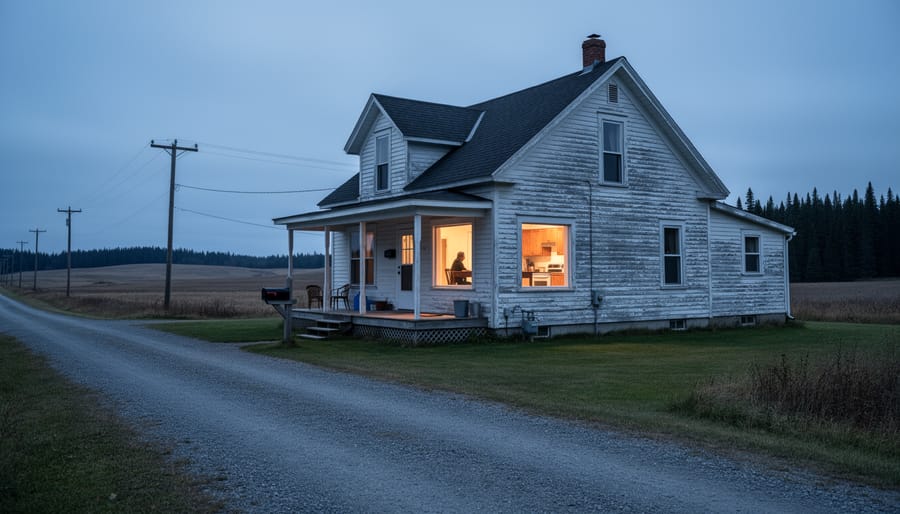
Secure housing forms the foundation of your physical and mental health, yet thousands of rural Canadians face mounting challenges keeping a stable roof over their heads. Rural housing stability assistance programs provide critical financial support and resources to prevent homelessness, reduce housing cost burdens, and create the secure environment your body needs to thrive.
When housing instability disrupts your life, the health consequences extend far beyond missing a rent payment. Chronic stress from potential eviction elevates cortisol levels, weakening your immune system and increasing risks for heart disease, diabetes, and depression. Families experiencing housing insecurity report higher rates of anxiety, sleep disorders, and difficulty maintaining consistent healthcare routines, including medication adherence and preventive screenings.
These assistance programs address multiple barriers simultaneously: emergency rental aid prevents immediate displacement, utility assistance ensures you maintain heating and cooling essential for health, and housing counseling connects you with long-term solutions. For rural residents facing limited rental options, geographic isolation, and lower average incomes than urban counterparts, these targeted supports become lifelines rather than temporary fixes.
Understanding how to access rural housing stability programs empowers you to protect both your shelter and your wellness. The connection between stable housing and improved health outcomes is extensively documented—residents with secure housing demonstrate better nutrition, increased physical activity, improved medication management, and significantly lower emergency room visits. Your home should support your health goals, not undermine them.
The Hidden Health Crisis in Rural Canadian Communities
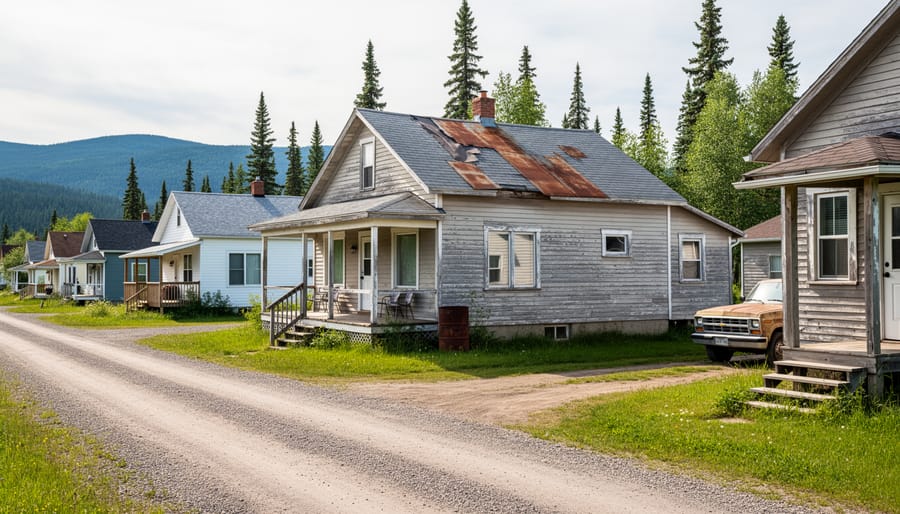
Why Rural Housing Instability Hits Harder
Rural communities face distinct housing challenges that create a domino effect on health and wellbeing. Unlike urban centers, rural areas typically have limited housing stock, meaning fewer options exist when families need to relocate or find affordable accommodation. This scarcity drives up costs and forces residents to remain in unsuitable living situations longer than they should.
Aging infrastructure compounds these difficulties. Many rural homes were built decades ago without modern updates, creating safety concerns and higher maintenance costs. Outdated heating systems, inadequate insulation, and deteriorating foundations not only strain budgets but also contribute to respiratory issues, stress, and reduced quality of life.
Income challenges hit rural residents particularly hard. While the cost of living may seem lower, employment opportunities often pay less than urban jobs, and work can be seasonal or unpredictable. This financial instability makes it difficult to maintain consistent housing payments, especially when unexpected expenses arise.
Geographic isolation from support services creates another significant barrier. Rural Canadians may live hours from social services, housing assistance offices, and community resources. This distance makes accessing help time-consuming and expensive, particularly for those without reliable transportation. When housing instability strikes, the lack of nearby support networks can quickly escalate a manageable situation into a crisis affecting mental health and physical wellbeing.
These combined factors mean rural housing instability carries greater consequences. Understanding these unique challenges helps explain why targeted assistance programs are essential for supporting rural community health.
The Ripple Effect on Community Health
When one family loses stable housing in a rural community, the effects extend far beyond their front door. Housing instability creates a domino effect that weakens community cohesion and disrupts the social fabric that rural areas depend upon.
Unstable housing situations often force families to move frequently, breaking down established community support networks that are essential for collective well-being. In smaller communities where everyone knows each other, this instability creates gaps in volunteer organizations, school participation, and local events. Children experiencing housing insecurity may struggle academically and socially, affecting classroom dynamics and peer relationships.
The stress of housing instability also impacts community mental health. When neighbours witness families struggling with potential homelessness, it creates collective anxiety and reduces the sense of security that makes rural communities thrive. Local healthcare systems face increased pressure from mental health crises, emergency visits, and preventable chronic conditions linked to housing stress.
By stabilizing individual households, assistance programs strengthen the entire community’s resilience, creating environments where preventive health practices, social connections, and collective wellness can flourish.
What Rural Housing Stability Assistance Programs Actually Do
Types of Support Available
Rural housing stability programs offer several types of assistance designed to help Canadians maintain safe, healthy living conditions. Understanding these options empowers you to choose the support that best fits your situation and health needs.
Financial aid programs provide direct rental assistance or mortgage payment support for eligible households facing temporary hardship. This immediate relief reduces stress and prevents the health consequences associated with housing insecurity, including anxiety and sleep disruption. Many programs offer monthly subsidies calculated based on your income and family size, ensuring affordability without compromising your ability to purchase nutritious food or maintain wellness routines.
Repair and rehabilitation programs address critical home maintenance issues that directly impact your health. These initiatives cover essential fixes like roof repairs, plumbing improvements, and heating system replacements. By eliminating mold, improving ventilation, and ensuring proper temperature control, these upgrades reduce respiratory problems and create environments conducive to physical activity and mental wellness.
Energy efficiency upgrade programs help lower utility costs while improving indoor air quality and comfort. Insulation improvements, window replacements, and efficient heating installations make homes healthier year-round. Lower energy bills free up resources for health-promoting activities like gym memberships or fresh produce.
Transitional housing support assists individuals and families moving from unstable situations into permanent homes. These programs often include case management services that connect you with health resources, employment support, and community wellness programs. This comprehensive approach recognizes that housing stability forms the foundation for achieving your broader health and fitness goals, creating lasting positive change in rural communities.
Who Qualifies for Assistance
Rural housing stability assistance programs serve Canadians who face financial challenges in maintaining safe, adequate housing in rural communities. Understanding who qualifies helps you determine if this support could benefit your household and overall wellbeing.
Income thresholds vary by province and household size, but generally, families earning below the median income for their region may qualify. Most programs use a calculation where housing costs exceed 30 percent of your gross household income. Single adults, couples, families with children, and seniors all may be eligible based on their specific circumstances.
Priority consideration often goes to vulnerable populations who face additional barriers to housing stability. This includes seniors living on fixed incomes, individuals with disabilities, Indigenous peoples, single parents, and those experiencing mental health challenges. These groups frequently face compounding stressors that affect both housing security and physical health outcomes.
Documentation requirements typically include proof of income through tax returns or pay stubs, confirmation of rural residency, and rental agreements or mortgage statements. Some programs also consider assets and debts when determining eligibility.
Special provisions exist for emergency situations such as unexpected job loss, medical crises, or family transitions. These circumstances can quickly destabilize housing, which research shows directly impacts stress levels, sleep quality, and ability to maintain healthy routines.
If you’re uncertain about your eligibility, contact your provincial housing authority or local rural service organization. Many offer free assessments to help you navigate the application process. Remember, securing stable housing creates the foundation for better mental health, consistent access to nutritious food, and maintaining regular physical activity.
The Direct Health Benefits of Stable Housing
Mental Health Improvements You Can Expect
Securing stable housing through a rural housing stability assistance program creates profound mental health improvements that extend far beyond simply having a roof over your head. Research consistently shows that housing security directly reduces symptoms of anxiety and depression, with participants in housing assistance programs reporting significant emotional relief within the first three months of support.
One of the most immediate benefits is improved sleep quality. When you’re not worried about losing your home or managing housing-related financial stress, your body’s stress response system can finally relax. This means lower cortisol levels throughout the day and night, allowing for deeper, more restorative sleep cycles. Quality sleep then creates a positive cascade effect, improving mood regulation and cognitive function.
The enhanced sense of security and control that comes with housing stability cannot be overstated. Knowing where you’ll be living next month allows you to make future plans, maintain consistent healthcare appointments, and build supportive community connections. This predictability reduces the constant state of hypervigilance that housing insecurity creates.
Studies have documented measurable decreases in stress hormones among individuals who transition from unstable to stable housing situations. Lower stress hormone levels reduce inflammation in the body, support immune function, and create the mental space needed to focus on other wellness goals like nutrition and physical activity. This foundation of stability makes it possible to truly invest in your overall health and well-being.
Physical Health Gains
Stable housing creates the foundation for maintaining physical health in ways many people don’t immediately recognize. When you have consistent shelter, you gain reliable access to proper food storage and preparation facilities, making it easier to maintain nutritious eating habits that prevent conditions like diabetes and heart disease. A stable kitchen means you can plan meals, store fresh produce safely, and prepare balanced dishes rather than relying on expensive convenience foods.
Regular medication routines become significantly easier when you have a permanent address. You can establish relationships with local pharmacies, store medications properly at controlled temperatures, and maintain consistent schedules for taking prescriptions—essential for managing chronic conditions effectively.
Housing stability also protects you from environmental hazards common in temporary or substandard living situations. Secure homes reduce exposure to mold, extreme temperatures, pest infestations, and poor air quality that can trigger respiratory problems, allergies, and other health issues. Research shows that people in stable housing experience fewer emergency room visits and hospitalizations.
For rural Canadians specifically, having a permanent address means better access to healthcare services, including preventive screenings and regular check-ups that catch health problems early. This preventive approach reduces your risk of developing serious chronic diseases and supports long-term wellness goals.
Strengthened Social Connections
Secure housing creates the foundation for meaningful social connections in rural communities. When you’re not worried about where you’ll sleep next month, you can invest time and energy in building relationships with neighbors, joining community groups, and participating in local events. This stability allows you to establish roots, become a recognized member of your community, and develop the trust-based relationships that are especially vital in smaller rural settings.
Housing stability directly supports your mental health by reducing isolation and loneliness. With a permanent address, you can more easily access community centers, faith-based organizations, recreational programs, and volunteer opportunities. These connections provide emotional support during challenging times and create a sense of belonging that protects against depression and anxiety. Rural communities often have strong social networks, and stable housing ensures you can fully participate in these supportive systems that promote overall wellness and resilience.
How to Access Housing Assistance in Your Rural Community
Start Here: Finding Your Provincial Program
Finding the right provincial program starts with identifying your province’s housing authority. Each province manages rural housing assistance differently, so understanding your local system is essential for accessing support that can improve both your living conditions and overall health.
Begin by visiting your provincial government’s housing website. Search for terms like “rural housing assistance” or “affordable housing programs” along with your province name. Provincial housing authorities maintain current information about eligibility requirements, application processes, and program availability in your area.
Key differences exist between provinces. Some offer direct rental subsidies, while others provide rent supplements or coordinate with local housing providers. British Columbia, Ontario, and Quebec have distinct programs tailored to their rural communities, whereas Atlantic provinces may share certain resources. Northern territories often have specialized programs addressing unique climate and accessibility challenges.
Contact your local municipal office or rural service center if online resources feel overwhelming. Staff can guide you toward appropriate programs and explain regional variations. Many communities also have housing navigators who provide free, personalized assistance.
Remember, securing stable housing through these programs creates a foundation for better health outcomes, reducing stress and enabling you to focus on preventive care, nutrition, and maintaining an active lifestyle.

What to Prepare Before You Apply
Gathering your documents ahead of time makes the application process smoother and less stressful. Start by collecting proof of income, such as recent pay stubs, tax returns, or benefit statements. You’ll need identification for all household members, including driver’s licenses, birth certificates, or permanent resident cards. Prepare documentation showing your current housing situation, like rental agreements or eviction notices if applicable.
Gather recent utility bills and bank statements to demonstrate your financial circumstances. If you’re experiencing health challenges affecting your housing stability, consider obtaining a letter from your healthcare provider explaining how stable housing would support your wellbeing and recovery. Create copies of everything before submitting, keeping originals for your records.
Contact your local rural services office beforehand to confirm their specific requirements, as documentation needs may vary by region. Having organized, complete paperwork reduces application delays and allows you to focus your energy on maintaining your health during this transition period.
Getting Support Through the Process
Navigating housing assistance applications can feel overwhelming, but you don’t have to manage it alone. Many community organizations across rural Canada specialize in helping residents access housing stability programs. Local housing authorities can guide you through eligibility requirements and paperwork, while rural service offices often provide free application assistance.
Non-profit organizations focused on housing advocacy offer valuable support, including document preparation, form completion, and follow-up communication with program administrators. These services are particularly helpful if you’re unfamiliar with government processes or facing language barriers.
Consider connecting with community health resources that understand the link between stable housing and wellness. Social workers, community health nurses, and patient navigators can often connect you with housing support while addressing related health concerns.
Many municipalities also maintain online directories of available assistance programs and local advocates. Don’t hesitate to reach out—these professionals exist specifically to help community members like you secure stable housing and improve overall wellbeing.
Building Your Health Back When Housing Is Secure

Creating Healthy Routines at Home
Once you’ve secured stable housing through rural assistance programs, you have a valuable opportunity to establish healthy routines that support your overall wellbeing. Your stable home becomes the foundation for positive lifestyle changes that can significantly improve both your physical and mental health.
Start by creating a consistent sleep schedule. Aim to go to bed and wake up at the same time each day, even on weekends. This regularity helps regulate your body’s internal clock, improving sleep quality and energy levels. Keep your bedroom cool, dark, and quiet to promote restful sleep.
Meal planning becomes much easier when you have a stable kitchen and food storage. Set aside time each week to plan nutritious meals and create a shopping list. Batch cooking on weekends can save time and ensure you have healthy options available during busy weekdays. Focus on incorporating vegetables, whole grains, and lean proteins into your diet while working within your budget.
Establish a regular exercise routine that fits your environment and fitness level. This doesn’t require expensive equipment—walking around your rural community, doing bodyweight exercises at home, or following online workout videos are all effective options. Start with just 15-20 minutes daily and gradually increase as you build the habit.
Finally, dedicate time to stress reduction practices. Simple activities like deep breathing exercises, journaling, gardening, or enjoying nature can significantly reduce stress levels. Creating a designated quiet space in your home for these activities reinforces the importance of mental health in your daily routine.
Reconnecting With Your Community
Stable housing provides a foundation for rebuilding meaningful community connections that support your overall wellness. Start by exploring local community centers, libraries, and faith-based organizations that offer social programs and support groups. Many rural communities have informal networks through farmers’ markets, volunteer fire departments, or seasonal events that welcome newcomers and returning residents.
Consider connecting with community health resources available in your area. Rural health clinics often provide preventive care, mental health counseling, and chronic disease management programs at reduced costs. Mobile health units and telehealth services can bridge gaps when specialists aren’t nearby. Don’t hesitate to ask your housing assistance coordinator about healthcare navigator programs that help rural residents access services.
Building social connections takes time but significantly impacts mental health and physical wellbeing. Joining walking groups, community gardens, or recreation programs helps establish routine while meeting neighbors who understand rural living. These connections create support systems that enhance housing stability, providing practical help during challenges and reducing isolation that can affect your health outcomes.
Secure housing serves as a fundamental building block for your overall health and wellness, not simply a roof over your head. When you have stable housing, you create the foundation needed to pursue healthier eating habits, maintain regular exercise routines, manage stress effectively, and prevent chronic health conditions. The evidence consistently shows that housing stability directly impacts your physical and mental wellbeing in measurable ways.
If you’re currently facing housing challenges in a rural community, reaching out for support is a positive step toward improving your health. Rural housing stability assistance programs exist specifically to help Canadians like you access safe, affordable housing. These programs recognize that without housing security, it becomes significantly harder to focus on preventive health measures, attend medical appointments, or maintain the consistency needed for long-term wellness goals.
Remember that seeking assistance demonstrates strength and self-care, not weakness. Your housing situation affects every aspect of your health journey, from sleep quality to stress levels to your ability to prepare nutritious meals. By addressing housing insecurity now, you’re investing in your long-term health outcomes and creating the stable environment necessary for you and your family to thrive.