
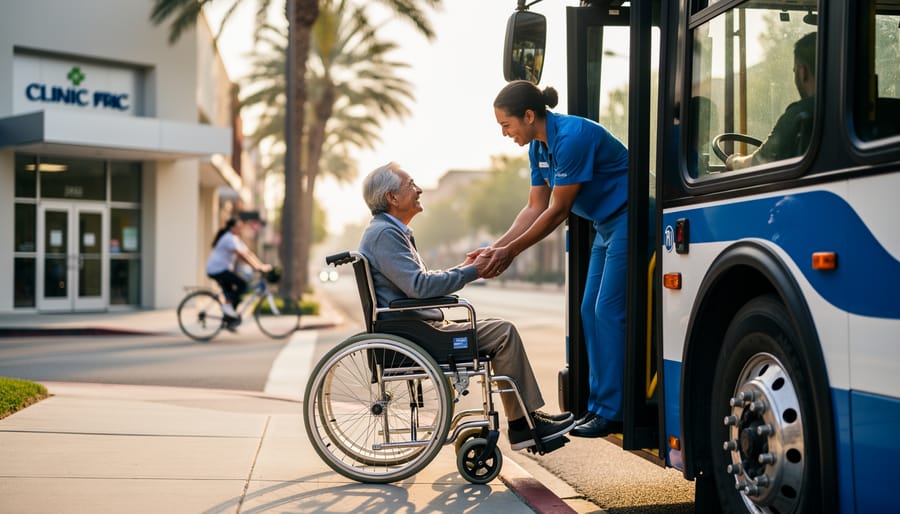
Transportation access directly impacts your ability to maintain regular medical appointments, reach healthy food sources, and participate in physical activities—three pillars essential for preventing chronic diseases and supporting mental wellness. In Orange County, California, specialized ACCESS services demonstrate how reliable transportation eliminates health barriers for individuals with disabilities and mobility limitations, offering insights applicable to communities across Canada.
Research shows that people without dependable transportation are 30% less likely to attend preventive health screenings and miss twice as many medical appointments compared to those with reliable access. This gap contributes to delayed diagnoses, unmanaged chronic conditions, and increased healthcare costs. Beyond medical visits, transportation determines whether you can reach farmers markets for fresh produce, access fitness facilities for regular exercise, or participate in community wellness programs that combat social isolation.
Understanding how comprehensive transportation systems function provides a framework for advocating similar services in your community. When transportation barriers disappear, health outcomes improve measurably: better medication adherence, reduced emergency room visits, enhanced mental health through social connection, and increased participation in preventive care. Examining Orange County’s model reveals practical strategies that Canadian municipalities can adapt, ensuring transportation never becomes an obstacle to achieving your health and wellness goals.
The Real Health Cost of Limited Transportation Access
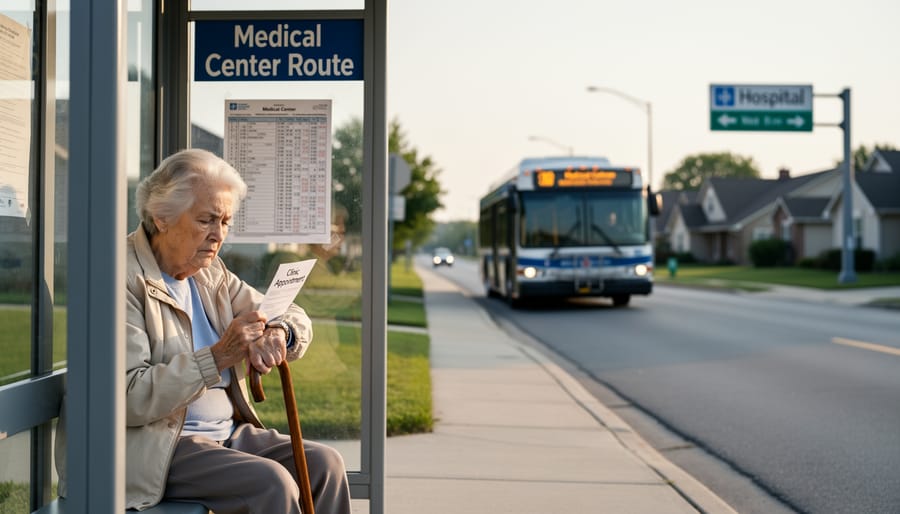
Missing Medical Appointments: A Silent Health Crisis
Transportation barriers create a domino effect on healthcare outcomes, leading to a silent crisis many communities face. Research shows that individuals without reliable transportation are three times more likely to miss or delay medical care compared to those with access. This pattern results in preventable health complications and increased healthcare costs over time.
When people miss routine appointments, healthcare providers cannot monitor chronic conditions like diabetes, heart disease, or high blood pressure effectively. Blood pressure checks, medication adjustments, and early warning signs of complications go undetected. Studies indicate that patients who miss appointments due to transportation issues experience worse disease management and higher rates of emergency room visits.
The impact extends beyond physical health. Mental health appointments often require consistent, long-term attendance for effective treatment. Transportation obstacles lead to gaps in therapy sessions and medication management, compromising recovery and stability.
Preventive care suffers most dramatically. Cancer screenings, annual check-ups, and immunizations require advance planning and reliable travel. When transportation becomes a barrier, people postpone these essential services, leading to delayed diagnoses and more advanced disease stages at detection. Healthcare systems worldwide recognize transportation access as a social determinant of health, requiring community-based solutions to ensure everyone can access timely medical care regardless of location.
Food Deserts and Transportation Gaps
Limited transportation access creates significant barriers to obtaining nutritious food, particularly affecting individuals in underserved areas. When residents cannot easily reach grocery stores with fresh produce, they often rely on convenience stores offering primarily processed foods high in sodium, sugar, and unhealthy fats. This pattern directly contributes to diet-related health conditions including type 2 diabetes, cardiovascular disease, and obesity.
In Orange County, California, neighborhoods with poor transit connectivity show higher rates of these chronic conditions, a pattern mirrored in Canadian communities facing similar challenges. Research indicates that individuals without reliable transportation are 32% less likely to consume the recommended daily servings of fruits and vegetables. The physical act of traveling long distances while carrying groceries also poses challenges for older adults and people with mobility limitations.
Effective solutions include mobile produce markets, subsidized rideshare programs for grocery trips, and community nutrition programs that deliver fresh food to transportation-limited areas. Communities can also advocate for improved public transit routes connecting residential areas to supermarkets. By addressing these transportation gaps, we create opportunities for healthier eating patterns and reduce preventable chronic disease burden.
Mental Health and Mobility: The Connection You Can’t Ignore
Social Isolation and Depression Risks
Limited transportation access creates a silent health crisis by severing vital social ties. Research consistently shows that individuals without reliable transportation experience significantly higher rates of depression and anxiety compared to those with regular mobility options. When people cannot easily visit friends, attend community events, or participate in social activities, they become increasingly isolated from the networks that protect mental health.
Studies examining transportation barriers reveal concerning patterns. Seniors and individuals with disabilities face the greatest risks, as limited mobility compounds existing vulnerabilities. Missing family gatherings, religious services, or volunteer opportunities gradually erodes the meaningful social connections and health experts identify as crucial protective factors against depression.
The mental health impact extends beyond loneliness. Transportation-dependent individuals often cancel medical appointments, skip support group meetings, and withdraw from recreational activities that provide stress relief and joy. This withdrawal creates a downward spiral where isolation reinforces depression, which further reduces motivation to seek transportation solutions.
Evidence from Orange County’s transportation programs demonstrates that accessible transit services significantly improve mental wellness outcomes. Participants report decreased depression symptoms, enhanced life satisfaction, and renewed engagement with their communities. These findings underscore a vital truth: mobility is not merely convenience but a fundamental determinant of psychological well-being.
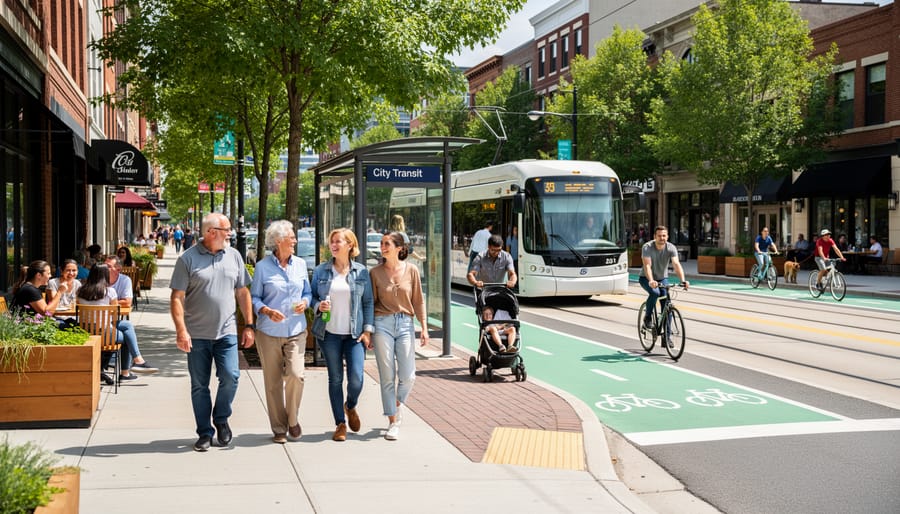
The Stress of Being Stranded
The psychological toll of unreliable transportation extends far beyond occasional inconvenience. Research consistently shows that individuals without dependable access to transportation experience elevated levels of chronic stress and anxiety that can significantly impact their mental health over time.
When you cannot rely on getting where you need to go, every aspect of daily life becomes a source of worry. Will you make it to your medical appointment? Can you get to work on time? How will you pick up groceries or essential medications? This constant uncertainty activates your body’s stress response repeatedly throughout the day, keeping cortisol levels elevated and contributing to anxiety disorders and depression.
The mental health impact is particularly pronounced when transportation barriers prevent access to healthcare services, including mental health support. This creates a challenging cycle where the stress of being stranded makes mental health care more necessary, yet harder to obtain. Studies have found that people with transportation challenges are more likely to postpone or skip medical appointments, leading to untreated conditions that further compound stress levels.
The isolation that comes with limited mobility also plays a significant role. Social connections are fundamental to mental wellness, but without reliable transportation, maintaining relationships and participating in community activities becomes difficult. This social isolation can deepen feelings of loneliness and contribute to long-term mental health challenges that affect overall quality of life.
Physical Activity and Transportation: An Unexpected Link
When Car-Dependency Means Less Movement
When communities are built around cars rather than people, residents often move less throughout their day. Research consistently shows that car-dependent areas like many Orange County neighborhoods correlate with lower daily step counts and reduced physical activity compared to walkable, transit-friendly communities. The simple act of walking to a bus stop, navigating a transit station, or strolling to nearby shops adds meaningful movement to your routine.
In contrast, driving from your garage directly to another parking spot eliminates these natural opportunities for activity. Studies indicate that people living in car-dependent areas walk approximately 30% less than those in transit-rich neighborhoods. This reduction matters significantly for your health, as even small amounts of daily walking contribute to cardiovascular health, weight management, and mental well-being.
While Orange County’s infrastructure differs from many Canadian communities, the principle remains universal: transportation design directly influences how much you move each day. Communities prioritizing public transit and walkability naturally encourage residents to incorporate more physical activity into their everyday lives.
Access to Exercise and Recreation Spaces
Transportation barriers significantly impact physical fitness by limiting access to recreational spaces. In Orange County, California, many residents without reliable transportation struggle to reach gyms, hiking trails, and community parks, leading to decreased physical activity levels. Studies show that individuals living more than a mile from fitness facilities are 40% less likely to exercise regularly.
This challenge extends beyond California, affecting Canadian communities where winter weather compounds transportation difficulties. Limited transit routes to recreational areas force many people to choose between costly rideshare services or skipping workouts entirely. The health consequences include increased risk of obesity, cardiovascular disease, and mental health concerns.
Practical solutions include exploring local walking trails near your home, utilizing community recreation centers accessible by public transit, and considering virtual fitness options when transportation proves challenging. Many municipalities now offer discounted transit passes specifically for accessing recreational facilities, making regular physical activity more achievable for everyone.
What Orange County Is Doing (And What Other Communities Can Learn)
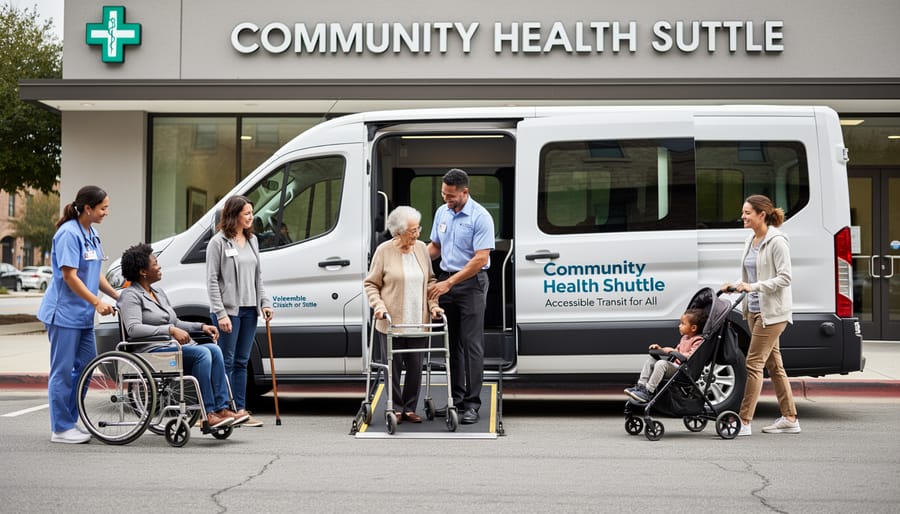
Community Transit Solutions That Work
Orange County has developed several effective transportation programs that directly support health and wellness, offering valuable lessons for Canadian communities. Their medical transportation services ensure patients can attend crucial appointments, reducing missed treatments and improving health outcomes for individuals managing chronic conditions like diabetes and heart disease.
The county’s senior mobility programs demonstrate how targeted transportation solutions enhance quality of life for older adults. These services help seniors access grocery stores for nutritious foods, reach fitness centers and community programs, and maintain social connections that are vital for mental health. Similar to community health programs across Canada, these initiatives recognize that mobility is foundational to overall wellness.
Community shuttle programs have proven particularly successful in connecting underserved neighborhoods to healthcare facilities, farmers’ markets, and recreation centers. These shuttles operate on predictable schedules, making it easier for residents to plan healthy activities and maintain consistent medical care.
For Canadian readers, these Orange County examples highlight practical approaches that many provinces are adapting. The key success factors include partnerships between health providers and transit authorities, dedicated funding streams, and community input in route planning to ensure services meet actual needs.
Policy Changes Supporting Health Equity
Transportation planning that centers health equity can transform community wellness outcomes. Orange County’s evolving approach demonstrates how prioritizing medical access in transit systems creates measurable health improvements. When local governments invest in routes connecting underserved neighborhoods to healthcare facilities, chronic disease management improves significantly. Studies show that patients with reliable transportation are 30% more likely to attend preventive care appointments and maintain consistent treatment schedules.
Progressive policies include mandating health impact assessments before major transportation decisions, ensuring that vulnerable populations aren’t left behind. Orange County has explored partnerships between transit authorities and healthcare providers, creating subsidized travel programs for seniors and individuals with mobility challenges. These initiatives reduce emergency room visits while improving medication adherence and follow-up care rates.
Canadian communities can learn from these policy frameworks by advocating for similar health-centered transportation planning. Evidence shows that when cities prioritize accessible routes to medical facilities, farmers’ markets, and recreational spaces, overall population health metrics improve. Municipal leaders who recognize transportation as a social determinant of health can implement targeted policies that reduce health disparities, lower healthcare costs, and create more equitable wellness opportunities for all residents, regardless of income or physical ability.
Practical Steps to Overcome Transportation Barriers
If you’re experiencing transportation challenges that affect your ability to access healthcare, nutritious food, or fitness opportunities, there are several practical strategies you can implement today. These evidence-based approaches have helped countless individuals maintain their health despite transportation limitations.
Start by exploring telehealth services, which have expanded significantly in recent years. Many healthcare providers now offer virtual appointments for routine check-ups, mental health counseling, and chronic disease management. Contact your family doctor to inquire about video or phone consultations, which can reduce your need for in-person visits while still providing quality care. Telehealth is particularly valuable for medication reviews, nutrition counseling, and mental health support.
Investigate community transportation programs available in your area. Many regions offer specialized services for seniors, individuals with disabilities, or those with medical needs. Contact your local public health department, community centers, or social services agency to learn about subsidized transportation options, volunteer driver programs, or medical ride services. Some organizations provide free or low-cost transportation specifically for healthcare appointments.
Consider ride-sharing arrangements with neighbors, friends, or family members. Creating a reliable network of support can help you maintain regular healthcare visits and access healthy food sources. Community bulletin boards, faith-based organizations, and neighborhood groups often facilitate these connections.
Explore delivery options for essential health-supporting services. Many pharmacies now offer prescription delivery, while grocery stores provide online ordering with home delivery for fresh produce and healthy foods. Some fitness instructors offer virtual classes that you can attend from home, eliminating transportation needs entirely while maintaining your physical activity routine.
Advocate for better transportation infrastructure in your community. Connect with local health advocates, patient organizations, or community groups working to improve access to care. Share your experiences with local representatives and healthcare organizations to help them understand the real-world impact of transportation barriers on community health.
Finally, work with your healthcare team to develop a comprehensive care plan that acknowledges your transportation limitations. They may be able to coordinate multiple appointments on the same day, arrange home health services, or connect you with additional community resources. Being transparent about your challenges allows providers to support you more effectively and ensure your health needs remain a priority.
Transportation access isn’t just about getting from point A to point B—it’s fundamentally a health equity issue that shapes community wellness outcomes. The Orange County example demonstrates how reliable transportation services directly influence physical activity levels, mental health support access, nutritious food availability, and preventive healthcare utilization. As you reflect on your own community, consider how transportation barriers might be affecting your neighbors’ ability to maintain healthy lifestyles. Are grocery stores accessible without a car? Can residents easily reach fitness facilities or medical appointments? These questions matter because adequate transportation is essential infrastructure for health, not a luxury. Communities thrive when everyone can access the resources needed for wellbeing. Advocate for transportation solutions in your area, support initiatives that connect people to health services, and recognize that improving mobility is improving public health. When we prioritize accessible transportation, we create healthier, more equitable communities for everyone.