
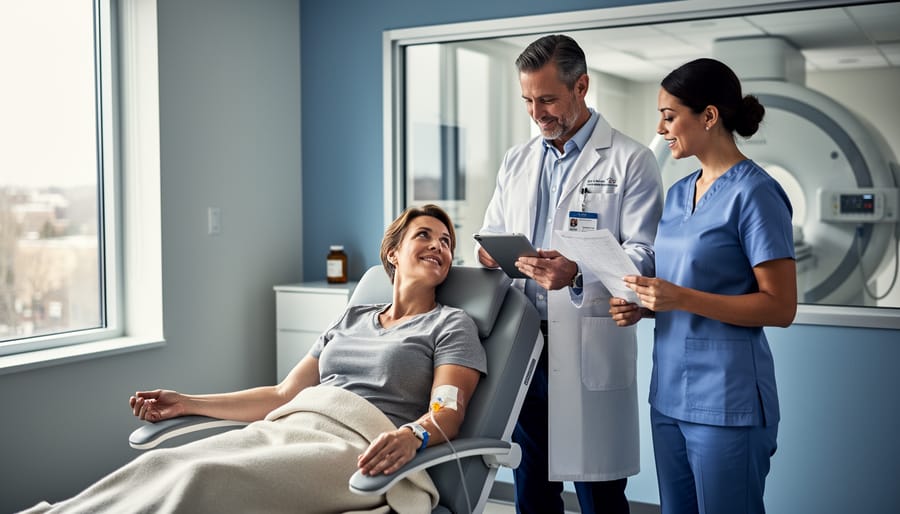
Recognize that oncologic drugs—medications designed to fight cancer—work best as part of a comprehensive treatment plan that includes surgery, radiation, and supportive care tailored to your specific cancer type and stage. Ask your oncology team to explain which category of cancer medication you’ll receive, whether chemotherapy that kills rapidly dividing cells, targeted therapy that attacks specific cancer markers, immunotherapy that strengthens your immune system’s cancer-fighting ability, or hormone therapy that blocks cancer-fueling hormones.
Document all medications, dosages, and schedules in a treatment journal, noting side effects as they occur so your healthcare team can adjust your plan or provide supportive medications that manage nausea, fatigue, or pain. Request a clear explanation of how each drug works in your body, making understanding medical terminology a priority so you can actively participate in treatment decisions and recognize warning signs that require immediate medical attention.
Oncologic drugs represent one of medicine’s most powerful tools against cancer, but their effectiveness depends heavily on how well you support your body throughout treatment. The multimodal approach—combining different treatment types—has dramatically improved survival rates across many cancer types because it attacks cancer cells through multiple mechanisms simultaneously while minimizing the chance that cancer develops resistance to any single treatment.
Your role extends beyond simply taking medications as prescribed. Nutrition choices, physical activity levels, stress management techniques, and sleep quality all influence how well your body tolerates treatment and recovers between cycles. Building a support network of family, friends, and healthcare professionals creates the foundation for navigating this challenging journey with resilience and hope. Understanding your treatment plan empowers you to advocate for yourself, ask informed questions, and make lifestyle adjustments that complement your medical care.
What Are Oncologic Drugs and How Do They Fight Cancer?
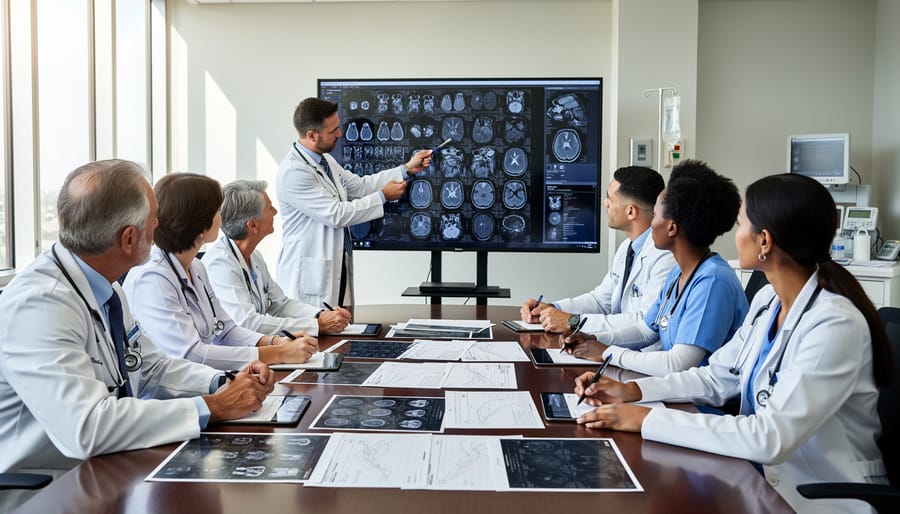
The Main Types of Cancer Drugs Available in Canada
Cancer treatment in Canada has evolved significantly, and understanding the main types of oncologic drugs can help you feel more informed and empowered during your healthcare journey. These medications are often combined as part of comprehensive treatment approaches to target cancer from multiple angles.
Chemotherapy remains one of the most common cancer treatments. These powerful medications work by destroying rapidly dividing cells throughout your body. While chemotherapy effectively targets cancer cells, it can also affect other fast-growing cells like those in your hair follicles and digestive system, which explains some of the side effects you may have heard about.
Targeted therapy represents a more precise approach. These drugs zero in on specific characteristics of cancer cells, such as particular proteins or genes that help tumors grow. By focusing on these unique features, targeted therapies can attack cancer cells while causing less damage to healthy tissue compared to traditional chemotherapy.
Immunotherapy takes a different route by empowering your own immune system to recognize and fight cancer. These medications help remove the “invisibility cloak” that cancer cells often use to hide from your immune defenses, allowing your body to mount a stronger natural response against the disease.
Hormone therapy is particularly important for cancers that grow in response to hormones, such as certain breast and prostate cancers. These drugs either block hormone production or prevent hormones from attaching to cancer cells, effectively starving the tumor of the fuel it needs to grow.
Your oncology team will recommend specific drugs based on your cancer type, stage, overall health, and individual circumstances. Many patients receive combinations of these medications to maximize effectiveness, and ongoing research continues to improve outcomes and reduce side effects for Canadians facing cancer diagnoses.
Why Your Doctor Combines Multiple Treatment Approaches
The Power of Treatment Combinations
Cancer treatment often works best when different medications are used together, much like how a team works more effectively than individuals alone. This approach, called combination therapy, allows doctors to attack cancer cells through multiple pathways simultaneously, making it harder for the disease to resist treatment.
Think of cancer cells as having several different locks protecting them. Using just one drug is like having a key to only one lock. Combination therapy gives your medical team multiple keys, increasing the chances of success. For example, one drug might stop cancer cells from dividing while another prevents them from forming new blood vessels to feed tumors. Together, they create a more powerful effect than either could achieve alone.
Common combinations include pairing chemotherapy drugs with targeted therapies or immunotherapy medications. For breast cancer, doctors might combine trastuzumab (which targets specific proteins on cancer cells) with chemotherapy drugs like paclitaxel. In lung cancer, immunotherapy drugs are often paired with chemotherapy to boost the body’s natural defense system while directly attacking tumor cells.
Timing plays a crucial role in these multimodal approaches. Some drugs work better when given before surgery to shrink tumors, while others are more effective afterward to eliminate remaining cancer cells. Your healthcare team carefully schedules each medication to maximize benefits and minimize side effects. Sequential timing allows your body to recover between treatments, while concurrent timing might deliver a stronger punch when needed.
Understanding why your treatment plan includes multiple medications can help you feel more confident and engaged in your care. Don’t hesitate to ask your oncologist about the specific combinations prescribed for you and how each medication contributes to your overall treatment strategy.
Personalized Medicine: Matching Drugs to Your Cancer
Cancer treatment has evolved significantly in recent years, moving away from a one-size-fits-all approach to more personalized strategies. Today, doctors can use advanced testing methods to match specific medications to your unique cancer profile, making treatment more effective and often reducing unnecessary side effects.
Before starting treatment, your healthcare team may recommend testing your tumor’s genetic makeup through genetic testing and biomarker analysis. These tests examine the molecular characteristics of your cancer cells, identifying specific mutations, proteins, or genes that drive cancer growth. Think of it as creating a detailed blueprint of your cancer that helps doctors select drugs most likely to work for you.
Biomarkers are measurable substances in your body that indicate how your cancer might respond to certain treatments. For example, some breast cancers produce excess HER2 protein, making them responsive to drugs like trastuzumab that specifically target this protein. Similarly, lung cancers with specific gene changes may respond better to targeted therapies designed for those mutations.
This personalized approach offers several advantages. First, it increases the likelihood of treatment success by matching you with drugs proven effective for your cancer type. Second, it helps avoid medications unlikely to work, sparing you from unnecessary side effects. Third, it can identify clinical trials testing new drugs specifically designed for cancers with your tumor’s characteristics.
Your oncology team will discuss which tests are appropriate for your situation and explain what the results mean for your treatment options. This collaborative approach ensures you receive the most targeted, effective therapy available while minimizing trial-and-error in your cancer care journey.

What to Expect During Oncologic Drug Treatment
Managing Side Effects and Maintaining Quality of Life
Cancer medications work hard to fight cancer cells, but they can sometimes affect healthy cells too, leading to side effects. Understanding what to expect and knowing how to respond can help you maintain the best possible quality of life during treatment.
Common side effects vary depending on the specific drugs used but often include fatigue, nausea, changes in appetite, hair loss, and increased susceptibility to infections. Some people experience mouth sores, changes in taste, or skin sensitivity. The good news is that managing side effects has improved significantly, and your healthcare team has many tools to help you feel more comfortable.
Communication is essential. Tell your oncology team about any side effects you experience, no matter how minor they seem. They can often adjust medications, suggest supportive therapies, or provide prescriptions that minimize discomfort. For example, anti-nausea medications have become highly effective, and many patients find they can prevent or greatly reduce this common concern.
Practical strategies can make a real difference in your daily comfort. Eating smaller, frequent meals may help with nausea and maintain energy levels. Staying hydrated is crucial, especially if you experience vomiting or diarrhea. Gentle physical activity, even short walks, can reduce fatigue and improve mood, though it’s important to listen to your body and rest when needed.
Protect yourself from infections by washing hands frequently, avoiding crowds during flu season, and reporting any fever to your healthcare team immediately. If hair loss occurs, some people find comfort in preparing ahead with wigs, scarves, or hats, while others embrace the change.
Don’t overlook your emotional wellbeing. Cancer treatment affects your whole person, not just your body. Connecting with support groups, speaking with counselors experienced in cancer care, or simply talking with trusted friends and family can provide meaningful comfort.
Remember that side effects are usually temporary. Most resolve after treatment ends, and your body has remarkable healing abilities. You’re not expected to manage everything alone. Your healthcare team, including nurses, pharmacists, dietitians, and social workers, exists specifically to support you through this journey. Reaching out for help is a sign of strength, not weakness.
Supporting Your Body During Cancer Treatment
Nutrition Strategies That Support Treatment
Proper nutrition plays a vital role in supporting your body during cancer treatment. While oncologic drugs work to fight cancer cells, eating well helps maintain your strength, manage side effects, and keep your immune system functioning optimally.
Focus on protein-rich foods to preserve muscle mass and support healing. Good sources include lean meats, fish, eggs, legumes, Greek yogurt, and nuts. Aim to include protein at every meal, especially if you’re experiencing weight loss or fatigue. Small, frequent meals throughout the day can be easier to manage than three large ones, particularly when dealing with nausea or reduced appetite.
Hydration is equally important. Cancer treatments can increase fluid needs, so drink water consistently throughout the day. If plain water feels unappealing, try herbal teas, broths, or water infused with fruit. Aim for at least eight glasses daily, or more if recommended by your healthcare team.
Colorful fruits and vegetables provide essential vitamins, minerals, and antioxidants that support immune function. Choose what you can tolerate, and don’t worry about eating perfectly. Cooked vegetables may be gentler on your digestive system than raw ones during treatment.
Managing specific side effects through food choices can significantly improve your comfort. For nausea, try ginger tea, bland crackers, or cold foods. If experiencing mouth sores, softer foods like smoothies, mashed potatoes, and oatmeal are gentler options. When dealing with diarrhea, focus on easily digestible foods and avoid high-fiber or greasy items temporarily.
Consider working with a registered dietitian who specializes in oncology nutrition. They can create personalized eating plans that address your specific treatment regimen, side effects, and nutritional needs. Remember, maintaining adequate nutrition isn’t about following rigid rules—it’s about nourishing your body in ways that feel manageable and supportive during this challenging time.

Safe Physical Activity During Treatment
Staying physically active during cancer treatment may feel challenging, but gentle exercise can actually improve your treatment outcomes, boost energy levels, and support your mental wellbeing. Research shows that appropriate physical activity helps reduce fatigue, maintains muscle strength, improves mood, and may even enhance how your body responds to oncologic drugs.
The key is finding the right balance for your current treatment phase. During active chemotherapy or radiation, focus on light activities like short walks, gentle stretching, or chair-based exercises. Even 10-15 minutes of movement daily can make a meaningful difference. Listen to your body and rest when needed—some days will naturally require more recovery time than others.
As you progress through treatment, you can gradually increase activity intensity with your healthcare team’s guidance. Low-impact options like swimming, yoga, tai chi, or stationary cycling are often well-tolerated and provide both physical and stress-relief benefits. Strength training with light weights or resistance bands helps maintain muscle mass, which is particularly important during treatment.
Before starting any exercise program, always consult your oncology team, especially if you’re experiencing side effects like low blood counts, bone pain, or neuropathy. They can provide personalized recommendations based on your specific treatment plan and current health status.
Working with a certified cancer exercise specialist can help you develop a safe, effective routine tailored to your needs. Remember, any movement counts—taking stairs slowly, gardening, or playing gently with grandchildren all contribute to your overall activity level and recovery journey.

Protecting Your Mental Health Through the Journey
Cancer treatment affects more than just your body—it can take a significant emotional toll on you and your loved ones. Feelings of anxiety, fear, sadness, or uncertainty are completely normal responses to diagnosis and treatment. Recognizing these emotions and seeking support is an essential part of your healing journey.
Managing stress during treatment starts with acknowledging that you don’t have to face this alone. Many Canadian cancer patients benefit from evidence-based mental health support, including counselling and therapy specifically designed for cancer patients. These services can help you process difficult emotions and develop healthy coping strategies.
Simple daily practices can also make a meaningful difference. Mindfulness exercises, even just five minutes of focused breathing, can help calm racing thoughts. Gentle physical activity, when your treatment allows, releases mood-boosting endorphins. Staying connected with friends and family, whether through visits, calls, or video chats, provides crucial emotional support.
Canadian cancer patients have access to numerous mental health resources. The Canadian Cancer Society offers a toll-free support line staffed by trained professionals who understand your journey. Many cancer centres provide free counselling services, support groups, and peer-matching programs where you can connect with others who truly understand what you’re experiencing.
Don’t hesitate to speak openly with your healthcare team about how you’re feeling emotionally. They can refer you to appropriate mental health professionals, adjust your treatment plan if needed, and ensure you receive comprehensive care. Remember, protecting your mental health isn’t a luxury during cancer treatment—it’s a vital component of your overall wellness and recovery.
Understanding oncologic drugs and multimodal cancer treatment can feel overwhelming, but you don’t have to navigate this journey alone. The field of cancer care has made remarkable advances in recent years, with newer therapies offering improved outcomes and better quality of life for many patients. Today’s treatment approaches are increasingly personalized, considering your unique cancer characteristics, overall health, and personal preferences.
Remember that you are an active partner in your care. Open, honest communication with your healthcare team is essential. Don’t hesitate to ask questions about your medications, share concerns about side effects, or discuss how treatment fits with your lifestyle. Your doctors, nurses, and pharmacists are there to support you every step of the way.
Taking care of your overall wellness through good nutrition, appropriate physical activity when possible, and attention to your mental health can complement your medical treatment. Many cancer centres across Canada offer support services, including counselling, nutrition guidance, and peer support groups. Reaching out for help is a sign of strength, not weakness. With the right information, support system, and medical care, you can face your cancer treatment with confidence and hope.