
Understand that biofield energy healing refers to therapeutic techniques based on the concept that energy fields surround and penetrate the human body, which practitioners claim can be manipulated to promote health and well-being. While this practice falls under integrative health practices, recognize that scientific evidence supporting its effectiveness remains limited and contested within mainstream medical communities.
Approach biofield therapies—including Reiki, therapeutic touch, and healing touch—with informed curiosity rather than unquestioned acceptance. Research shows some patients report reduced stress and improved relaxation after sessions, though experts attribute these benefits primarily to the placebo effect and the therapeutic relationship rather than actual energy manipulation. Studies examining biofield healing have produced mixed results, with most well-designed clinical trials finding no significant measurable effects beyond conventional care.
Consider safety as a primary factor when exploring these options. Biofield energy healing is generally considered low-risk since practitioners typically work with light touch or hands hovering above the body. However, understand that these therapies should never replace proven medical treatments for serious conditions. Use biofield healing only as a complementary approach alongside conventional care, not as a substitute.
Consult your healthcare provider before trying any biofield therapy, especially if you have chronic conditions or are undergoing medical treatment. Qualified practitioners should clearly explain their methods, respect your boundaries, and encourage you to maintain regular medical care. This evidence-based perspective helps you make informed decisions about whether biofield energy healing aligns with your personal wellness goals.
What Is Biofield Energy Healing?
Common Types of Biofield Therapies
Several biofield therapies are practiced in Canada and worldwide, each with distinct approaches but sharing the common belief that energy fields surround and penetrate the human body. Understanding what happens during these sessions can help you decide if exploring these practices aligns with your wellness goals.
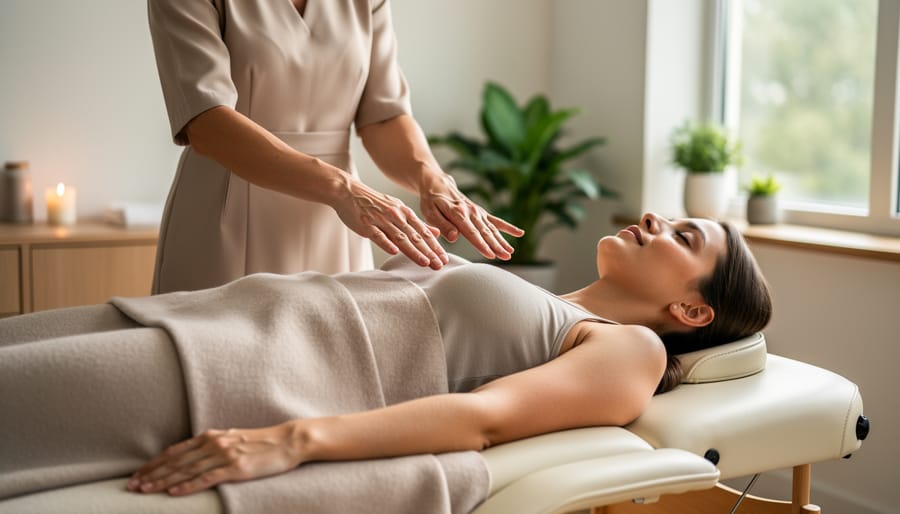
Reiki is a Japanese technique where practitioners place their hands lightly on or just above your body in specific positions. During a typical 60 to 90-minute session, you remain fully clothed while lying on a treatment table. Practitioners believe they are channeling universal energy to promote relaxation and balance.
Therapeutic Touch was developed by nurses in the 1970s and involves practitioners moving their hands a few inches above your body without direct physical contact. Sessions usually last 20 to 30 minutes and are sometimes offered in hospital settings. Practitioners assess what they perceive as energy imbalances and attempt to smooth or redirect energy flow.
Healing Touch is similar to Therapeutic Touch but incorporates a wider variety of techniques. Practitioners use gentle hand movements both on and above the body. Sessions typically last 45 to 60 minutes and focus on supporting your body’s natural healing processes.
Qigong combines movement, breathing exercises, and meditation. Unlike other biofield therapies where you remain still, Qigong involves you actively participating in slow, flowing movements and focused breathing. Sessions can be individual or group-based and may last 30 to 60 minutes.
All these practices emphasize creating a calm, supportive environment. Practitioners typically begin by discussing your health goals and concerns. While these therapies are generally considered safe and non-invasive, they should complement rather than replace conventional medical care.
The Science Behind Biofield Energy Healing
What Research Shows
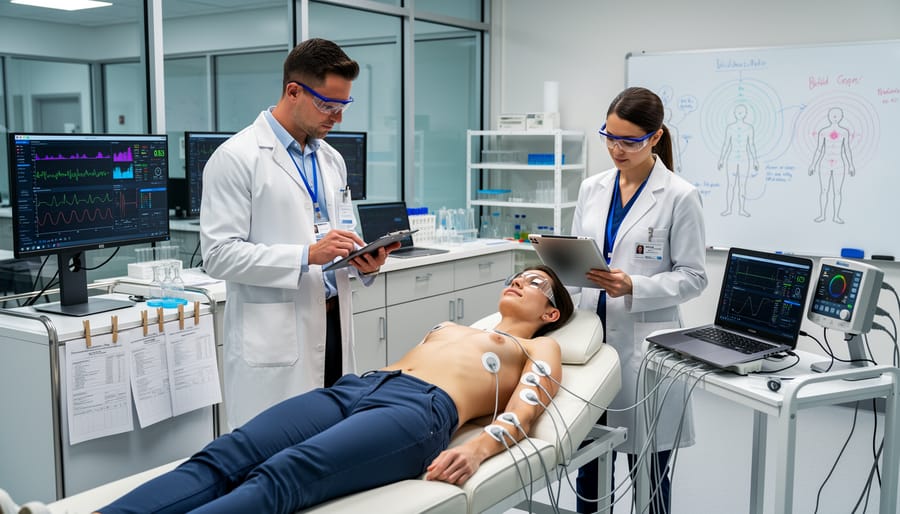
Research into biofield energy healing remains an emerging area of scientific study, with a growing but still limited body of peer-reviewed evidence. While some studies show promising results, it’s important to understand both the findings and the limitations of current research.
Several studies have examined Reiki, one of the most studied forms of biofield therapy. A 2015 review published in the Journal of Evidence-Based Complementary and Alternative Medicine found that Reiki showed potential benefits for reducing pain and anxiety in various populations. Research conducted at hospitals in the United States has suggested that patients receiving Reiki alongside conventional care reported improvements in relaxation and perceived stress levels.
Studies on Therapeutic Touch have shown mixed but interesting results. Some research indicates it may help with pain management and promote relaxation, particularly in clinical settings. A study published in Pain Management Nursing found that patients who received Therapeutic Touch reported decreased pain intensity compared to control groups.
However, researchers emphasize several important limitations. Many studies have small sample sizes, making it difficult to draw broad conclusions. The challenge of creating proper control groups for energy healing research means that some positive effects might be attributed to placebo responses or the therapeutic relationship itself, rather than the specific technique. This doesn’t diminish the value of feeling better, but it does affect how we understand the mechanism.
Research gaps remain significant. Scientists still don’t fully understand how biofield therapies might work from a biological standpoint, and larger, well-designed studies are needed to confirm preliminary findings. The National Center for Complementary and Integrative Health continues to fund research in this area to better understand potential benefits and mechanisms.
What’s clear is that many people report feeling more relaxed and experiencing reduced stress after sessions. Whether these benefits come from specific energy manipulation, the power of human connection, or other factors, the subjective improvements in wellbeing deserve consideration as part of a comprehensive approach to health.
The Placebo Effect and Mind-Body Connection
When people report feeling better after biofield energy healing sessions, the placebo effect and relaxation response may play important roles in their experience. Rather than dismissing these effects as “not real,” it’s helpful to understand that they represent genuine healing mechanisms within our bodies.
The placebo effect occurs when our expectations and beliefs trigger actual physiological changes. Research shows that when we believe a treatment will help us, our brains can release natural pain-relieving chemicals, reduce stress hormones, and improve immune function. This demonstrates the powerful mind-body connection that influences our health outcomes.
During biofield healing sessions, several factors may contribute to positive experiences. The calm, supportive environment promotes deep relaxation, which naturally reduces cortisol levels and activates the parasympathetic nervous system. The focused attention from a caring practitioner can enhance feelings of being heard and supported, which has therapeutic value. Taking dedicated time for self-care and healing intentions may also reduce anxiety and create space for the body’s natural healing processes.
Importantly, experiencing relief through these mechanisms doesn’t make your symptoms less real or your improvement less valid. The reduction in pain, anxiety, or stress is genuine and can contribute to overall wellbeing. Many healthcare experts recognize that healing involves multiple factors, including our mental state, beliefs, and the therapeutic relationship itself.
Understanding these elements helps us appreciate the full picture of how biofield therapies might work, without diminishing the real benefits that many Canadians report experiencing.
Potential Benefits and What to Expect

Who Might Consider Biofield Therapies
Biofield therapies attract a diverse range of people seeking support for various health concerns. Individuals living with chronic pain conditions often explore these approaches as part of their natural pain management strategy, particularly when conventional treatments provide limited relief or cause unwanted side effects.
Cancer patients frequently incorporate biofield therapies into their care plans as complementary support alongside conventional treatment. These individuals may seek help managing treatment-related side effects, reducing anxiety, or supporting overall well-being during their cancer journey. It’s essential to understand that biofield therapies do not replace cancer treatment but may offer additional comfort when used appropriately.
People experiencing high stress levels, anxiety, or burnout also turn to these practices. Those dealing with sleep difficulties, ongoing fatigue, or general wellness concerns sometimes find value in exploring biofield approaches.
Importantly, biofield therapies should always complement, never replace, conventional medical care. If you’re considering these therapies, discuss them openly with your healthcare provider, especially if you’re managing serious health conditions or taking medications. A qualified practitioner will encourage you to maintain regular medical care and work collaboratively with your healthcare team.
These therapies may appeal to anyone curious about integrative approaches to wellness, provided they maintain realistic expectations and prioritize evidence-based medical treatment for diagnosed conditions.
Important Safety Considerations

Finding Qualified Practitioners in Canada
Locating a reputable biofield energy healing practitioner in Canada requires careful research and consideration. Unlike regulated healthcare professions, biofield therapies currently have no unified regulatory body across Canada, making it essential to approach practitioner selection thoughtfully.
Start by seeking referrals from trusted sources, including your primary healthcare provider, integrative health clinics, or wellness centres with established reputations. Many qualified practitioners are members of professional associations such as the Canadian Complementary Medicine Association or specific modality organizations like Reiki Canada or the Therapeutic Touch Network of Ontario. While membership doesn’t guarantee quality, it often indicates commitment to continuing education and ethical standards.
When evaluating potential practitioners, ask about their training background, including where they studied, how many hours of instruction they completed, and whether they maintain ongoing education. Inquire about their experience level, typical treatment approach, and whether they work collaboratively with conventional healthcare providers. Reputable practitioners should willingly answer these questions and provide clear information about what to expect during sessions.
Look for practitioners who maintain appropriate professional boundaries, provide transparent pricing, and never promise miraculous cures or pressure you to discontinue conventional medical treatments. Be cautious of anyone claiming to diagnose medical conditions without proper credentials or suggesting you avoid evidence-based therapies.
Red flags include practitioners who discourage you from consulting physicians, make unrealistic promises about outcomes, charge excessive fees upfront, or create feelings of dependency. Quality practitioners recognize biofield therapy as complementary to, not a replacement for, conventional medical care.
Consider scheduling an initial consultation to assess comfort level and compatibility before committing to treatment. Trust your instincts—if something feels concerning, it’s perfectly acceptable to seek alternative practitioners. Your wellbeing should always remain the priority in any healthcare decision.
Integrating Biofield Therapies Into Your Wellness Routine
If you’re considering biofield energy healing, the key to success lies in thoughtful integration rather than replacement of existing healthcare practices. Always discuss these therapies with your primary healthcare provider before beginning, especially if you’re managing chronic conditions or taking medications. Many Canadian physicians are becoming more open to complementary approaches when used alongside evidence-based treatments.
Start by choosing qualified practitioners who are transparent about their training and limitations. Look for therapists who belong to recognized professional associations and who encourage you to maintain conventional medical care. Consider beginning with a single session to assess whether the practice feels right for you before committing to a series of treatments.
A holistic wellness approach means addressing multiple aspects of your health simultaneously. Biofield therapies may complement your existing routine rather than serving as a standalone solution. For example, if you’re exploring Reiki for stress management, continue your regular exercise program, maintain a nutritious diet, and practice evidence-based stress reduction techniques like mindfulness meditation or cognitive behavioral strategies.
Track your experiences in a wellness journal, noting any changes in symptoms, energy levels, or overall wellbeing. This documentation helps you and your healthcare providers evaluate whether these therapies provide meaningful benefits for you personally.
Remember that biofield therapies should enhance, not replace, proven treatments for serious health conditions. They work best when integrated into a comprehensive wellness plan that includes proper nutrition, regular physical activity, adequate sleep, and mental health support. Set realistic expectations—these practices may support relaxation and stress reduction, but they’re not cures for medical conditions.
Finally, budget appropriately, as many biofield therapies aren’t covered by Canadian provincial health plans. Some private insurance plans may offer limited coverage for certain modalities, so check your benefits before beginning treatment.
Biofield energy healing represents an intriguing complementary approach that some Canadians are exploring alongside their conventional medical care. While the scientific evidence remains limited and emerging, ongoing research continues to investigate how these practices might support overall wellness. It’s essential to understand that biofield therapies should never replace proven medical treatments, particularly for serious health conditions.
If you’re considering biofield energy healing, the most important step is having an open conversation with your healthcare provider. They can help you evaluate whether these practices might safely complement your current treatment plan and monitor for any potential interactions or concerns. This collaborative approach ensures you’re making decisions that truly support your health goals.
Remember that maintaining your regular medical appointments, prescribed medications, and recommended screenings remains the foundation of good health. Biofield practices, if you choose to explore them, work best as part of a comprehensive wellness strategy that includes evidence-based lifestyle habits like balanced nutrition, regular physical activity, adequate sleep, and stress management.
Staying informed through reliable, evidence-based sources empowers you to navigate the expanding world of complementary therapies with confidence. As research continues to evolve, we’ll gain clearer understanding of how these practices might fit into modern healthcare. Whatever path you choose, prioritize approaches that respect both traditional wisdom and scientific inquiry, always keeping your wellbeing at the center of every decision.