
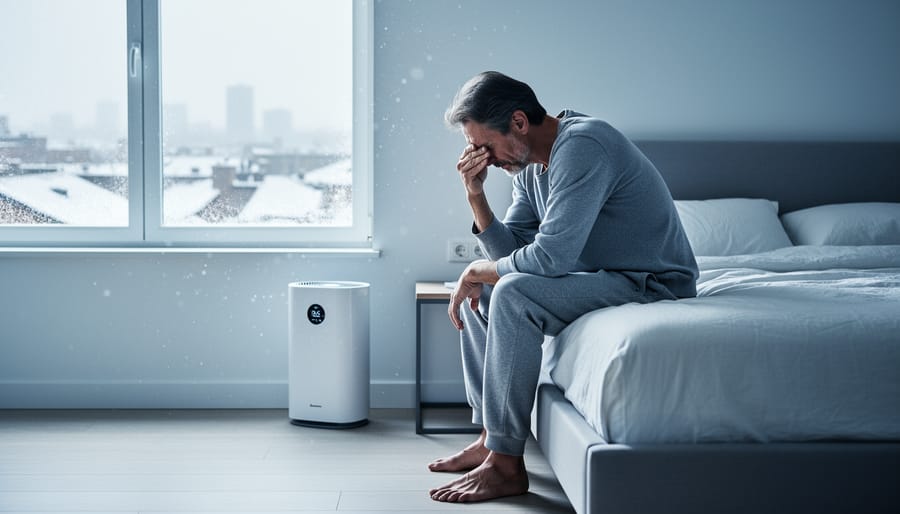
Feeling exhausted despite getting enough sleep? Poor air quality might be sabotaging your energy levels without you realizing it. When you breathe polluted air—whether from outdoor smog, wildfire smoke, or indoor contaminants like mold and volatile organic compounds—your body works overtime to compensate for reduced oxygen delivery to your cells. This triggers a cascade of physiological responses: your heart pumps harder, your brain receives less oxygen, and your sleep cycles become disrupted, leaving you perpetually drained.
The connection between air quality and fatigue is backed by substantial research. Pollutants like particulate matter and carbon dioxide interfere with your body’s ability to reach deep, restorative sleep stages. Meanwhile, poor ventilation in Canadian homes during winter months compounds the problem, trapping allergens and chemicals that inflame your respiratory system and tax your immune response.
Understanding this relationship empowers you to take control. The good news? You don’t need expensive equipment or drastic lifestyle changes to breathe easier and reclaim your energy. From simple ventilation adjustments to strategic air purification, evidence-based solutions can dramatically improve how you feel daily. This guide reveals exactly how polluted air steals your vitality and provides practical, expert-validated strategies tailored for Canadian living conditions to help you breathe better and feel energized again.
The Air Quality-Fatigue Connection: What Canadian Research Shows

How Pollutants Enter Your Body and Trigger Tiredness
When you breathe polluted air, harmful particles and chemicals enter your respiratory system and quickly begin affecting your body’s energy levels. Understanding this process can help you recognize why poor air quality leaves you feeling exhausted.
The most direct impact occurs when pollutants reduce oxygen delivery to your cells. Fine particulate matter (PM2.5) and other airborne contaminants can penetrate deep into your lungs, interfering with the normal exchange of oxygen and carbon dioxide. This means less oxygen reaches your bloodstream, and consequently, your organs and muscles receive insufficient oxygen to function optimally. When your cells are deprived of oxygen, you naturally feel tired and sluggish.
Beyond oxygen reduction, air pollutants trigger inflammatory responses throughout your body. When pollutants enter your airways, your immune system recognizes them as threats and releases inflammatory chemicals to combat them. This inflammation doesn’t stay localized in your lungs. It can spread systemically, affecting your brain and other organs. Chronic inflammation requires significant energy to maintain, draining your body’s resources and contributing to persistent fatigue.
Perhaps most importantly, pollutants disrupt cellular energy production in your mitochondria, the powerhouses of your cells. Toxic particles interfere with the biochemical processes that convert nutrients into usable energy. This disruption means your cells produce less ATP, the molecule that fuels virtually every function in your body. When cellular energy production declines, fatigue becomes inevitable, often affecting proper sleep hygiene and overall vitality.
The Canadian Context: Seasonal Air Quality Challenges
Canadians face unique air quality challenges that can significantly impact energy levels throughout the year. Wildfire season, occurring primarily from May to September, has become increasingly severe, with smoke traveling across provinces and creating hazardous conditions even in areas far from active fires. These fine particulate matter (PM2.5) events can persist for weeks, contributing to widespread fatigue and respiratory symptoms.
Winter months bring their own concerns, as home heating systems and wood-burning stoves increase indoor and outdoor pollution levels. Temperature inversions common in Canadian winters trap pollutants close to ground level, particularly affecting valley communities and urban areas. This extended exposure to elevated pollution during already darker, colder months can compound feelings of tiredness and lethargy.
Major urban centres like Toronto, Montreal, and Vancouver experience higher baseline pollution levels from traffic emissions and industrial activity. Rush hour commutes expose many Canadians to concentrated pollutants in enclosed vehicles. Understanding these seasonal and regional patterns helps you recognize when air quality might be affecting your energy levels and take appropriate protective measures, such as monitoring local air quality indices and adjusting outdoor activities accordingly.
How Bad Air Quality Destroys Your Sleep Performance
Disrupted Sleep Cycles and Reduced REM Sleep
Poor air quality doesn’t just affect you while you’re awake—it continues disrupting your body’s recovery systems throughout the night. Air pollutants like fine particulate matter and nitrogen dioxide can significantly interfere with your sleep architecture, preventing you from cycling properly through the essential sleep stages your body needs.
Research shows that exposure to air pollution reduces the amount of time spent in REM (rapid eye movement) sleep, the phase where your brain processes emotions and consolidates memories. When pollutants enter your airways during sleep, they trigger low-grade inflammation in your respiratory system, causing micro-arousals that fragment your sleep cycles. You might not fully wake up, but your body never settles into the deeper, restorative sleep phases.
Deep sleep is particularly vulnerable to air quality disruptions. During this stage, your body repairs tissues, strengthens your immune system, and recharges energy stores. When pollutants compromise this process, you wake up feeling unrested despite spending adequate hours in bed. Studies have found that people living in areas with higher pollution levels experience up to 60% more sleep disturbances than those breathing cleaner air, directly contributing to daytime fatigue and reduced cognitive function.
Breathing Problems That Wake You Up
Poor air quality doesn’t just make breathing uncomfortable during the day—it can actively disrupt your sleep at night. When you’re exposed to pollutants, allergens, and irritants, your airways can become inflamed and congested, making it harder to breathe easily while lying down. This respiratory irritation often triggers nighttime coughing, wheezing, or the feeling that you can’t get enough air, pulling you out of deep, restorative sleep cycles.
For Canadians dealing with wildfire smoke, winter indoor heating, or seasonal allergens, these breathing disruptions become even more common. Your body responds to airway inflammation by producing excess mucus, leading to nasal congestion that forces mouth breathing—a less efficient way to get oxygen that can dry out your throat and worsen sleep quality.
If you already experience sleep apnea, poor air quality can make the condition significantly worse. Airborne particles irritate the upper airways, increasing swelling that narrows breathing passages even further. This creates a cycle where fragmented sleep from breathing problems leads to next-day exhaustion, making you feel tired despite spending adequate time in bed.
The good news is that improving your indoor air quality through proper ventilation, air purifiers with HEPA filters, and maintaining optimal humidity levels can reduce these nighttime breathing interruptions and help you wake up feeling more refreshed.
The Temperature and Humidity Factor
Poor ventilation doesn’t just trap pollutants—it also disrupts the temperature and humidity conditions your body needs for restorative sleep. When air can’t circulate properly, rooms become stuffy and warm, making it harder for your core body temperature to drop the 1-2 degrees necessary for deep sleep. This temperature regulation is essential for feeling refreshed and energized.
Stagnant air also affects moisture levels in your bedroom. Poorly ventilated spaces often become too humid, creating an uncomfortable sleeping environment that leads to restless nights and morning fatigue. Conversely, heated indoor air in Canadian winters can become excessively dry without proper air exchange, irritating your respiratory system and disrupting sleep quality.
Maintaining optimal humidity levels between 30-50% requires adequate ventilation. When air quality is poor due to insufficient fresh air circulation, you’re likely also dealing with suboptimal temperature and humidity—a triple threat to your energy levels. Improving ventilation addresses all three factors simultaneously, helping you wake up feeling more rested and reducing that persistent tiredness you’ve been experiencing.
Signs Your Fatigue Is Linked to Air Quality
Physical Symptoms to Watch For
Poor air quality affects your body in measurable ways. Recognizing these physical symptoms can help you identify whether indoor air is contributing to your fatigue.
Watch for morning headaches that seem to improve once you leave home. These often signal overnight exposure to pollutants while you sleep. You might also notice a persistently dry or scratchy throat, particularly after waking, along with red, itchy, or watery eyes throughout the day.
Brain fog is another common indicator. If you struggle with concentration, memory, or decision-making primarily when indoors, air quality could be the culprit. Pay attention to your energy patterns as well. Do you feel significantly more alert and energized when spending time outdoors? Does your fatigue intensify during specific activities like cooking or using cleaning products?
These symptoms often develop gradually, making them easy to dismiss. However, tracking when and where they occur can reveal important patterns linking your indoor environment to your declining energy levels.
When Symptoms Appear: Timing Patterns
Understanding when your fatigue spikes can reveal important connections to air quality patterns. Many Canadians notice increased tiredness during wildfire season, typically between May and September, when smoke particles travel across provinces. Winter months present another challenge as home heating systems circulate indoor pollutants and sealed windows trap stale air, often leaving you feeling sluggish by mid-afternoon.
Track your energy levels against local air quality index reports to identify patterns. Rush hour exposure to traffic emissions, particularly if you commute during peak times, may contribute to late-morning or evening exhaustion. Industrial areas often experience higher pollution on weekdays, which could explain why you feel more energized on weekends despite similar sleep schedules.
Keep a simple log noting your fatigue levels alongside daily air quality readings for two weeks. This helps distinguish between air quality-related tiredness and other factors like sleep debt or dietary habits. If you consistently feel drained during poor air quality days, you’ve identified a clear trigger worth addressing with targeted solutions.
Expert-Validated Solutions to Improve Your Air Quality and Energy Levels

Immediate Actions for Better Bedroom Air
You can improve your bedroom air quality tonight with these evidence-based strategies that require minimal effort but deliver meaningful results.
Start by opening windows strategically. Cross-ventilation works best—open windows on opposite sides of your home for 10-15 minutes in the morning and evening when outdoor air quality is typically better. Check your local air quality index before ventilating; avoid opening windows when outdoor pollution levels are high, during rush hour traffic, or when wildfires affect your region.
Remove common pollutant sources from your sleeping space. This includes scented candles, air fresheners, and aerosol sprays that release volatile organic compounds. Store cleaning products elsewhere, and keep shoes outside the bedroom to prevent tracking in outdoor pollutants. If you use personal care products before bed, choose fragrance-free options when possible.
Position your bed away from direct airflow from heating vents or returns, which can circulate dust and allergens while you sleep. Keep your bed at least six inches from walls to promote air circulation and reduce moisture buildup that encourages mold growth.
During Canadian winters, brief ventilation sessions are still beneficial despite the cold. Even five minutes of fresh air exchange can significantly reduce indoor pollutant concentrations without substantially affecting your heating costs. These simple changes create an immediate foundation for better sleep quality and reduced fatigue.
Air Purification That Actually Works
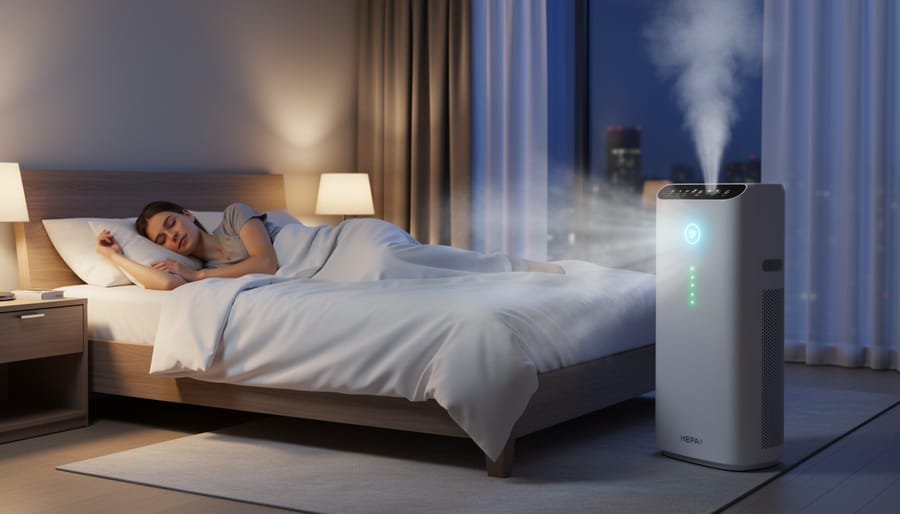
Choosing the right air purifier can significantly reduce fatigue caused by poor indoor air quality. HEPA filters remain the gold standard, capturing 99.97% of particles as small as 0.3 microns, including allergens, dust, and pollutants that interfere with sleep and energy levels.
For Canadian bedrooms, proper sizing is essential. Calculate your room’s square footage and choose a purifier rated for at least 1.5 times that area to ensure adequate air circulation. A typical 120-square-foot bedroom requires a unit rated for 180 square feet. Look for models with a Clean Air Delivery Rate (CADR) of at least 100 for bedrooms.
Maintenance directly impacts effectiveness. Replace HEPA filters every 6-12 months, depending on usage and air quality. Pre-filters should be vacuumed monthly and replaced every 3 months. Set calendar reminders to stay on track, as dirty filters reduce efficiency and may worsen air quality.
Cost-effective options exist for every budget. Entry-level HEPA purifiers start around $150-200 and work well for single rooms. Mid-range models ($300-500) offer quieter operation and smart features. Consider purchasing during Canadian retailers’ seasonal sales, typically Boxing Day and Black Friday, for significant savings. Energy Star certified models minimize electricity costs, typically adding only $20-40 annually to your hydro bill.
Position your purifier away from walls and furniture to maximize airflow, and run it continuously on low settings for consistent air quality improvement.
Lifestyle Changes to Support Better Air and Sleep
Improving your indoor air quality doesn’t require expensive renovations. Start with maintaining indoor humidity between 30-50% using a hygrometer to monitor levels—particularly important during Canada’s dry winter months when heating systems reduce moisture. While houseplants add aesthetic value, research shows most don’t significantly filter air pollutants in typical room sizes, so don’t rely on them as your primary solution.
Establish a regular cleaning routine to reduce dust, allergens, and pollutants. Vacuum with HEPA filters twice weekly, wash bedding in hot water every one to two weeks, and dust surfaces with damp cloths to trap particles rather than dispersing them. Choose tightly-woven, hypoallergenic bedding materials that resist dust mites and wash easily.
Seasonal adjustments matter in Canada’s varied climate. During wildfire season, keep windows closed and use air purifiers. In winter, crack a window briefly for fresh air exchange even when it’s cold. Spring and fall offer ideal opportunities for natural ventilation. These steps work alongside bedroom environment optimization strategies to create conditions that support restorative sleep and reduce fatigue.
When to Check Your Air Quality and Seek Professional Help
Staying informed about your local air quality helps you make better decisions about your daily activities and protect your health. In Canada, the Air Quality Health Index (AQHI) provides real-time readings on a scale from 1 to 10+, with higher numbers indicating greater health risks. You can check the AQHI through Environment Canada’s website, the WeatherCAN app, or local weather services.
Several air quality monitoring devices are available for home use in Canada, ranging from basic models that measure particulate matter to comprehensive systems tracking multiple pollutants. These devices can help you identify indoor air quality issues that might be contributing to your fatigue.
When interpreting the AQHI, readings between 1-3 indicate low risk for most people, 4-6 suggest moderate risk (especially for sensitive individuals), and 7+ signals high risk requiring protective measures. If you notice your fatigue worsens on days with poor air quality readings, this connection is worth discussing with your healthcare provider.
You should seek medical consultation if your tiredness persists despite improving air quality, interferes with daily activities, or accompanies other symptoms like persistent headaches, dizziness, chest pain, or shortness of breath. Fatigue can stem from numerous causes including sleep disorders, anemia, thyroid issues, or chronic conditions that require proper diagnosis.
Your doctor can help determine whether air quality is the primary factor or if other underlying health issues need attention. Keeping a symptom diary noting air quality levels, sleep patterns, and energy levels can provide valuable information for your healthcare provider.
The good news is that air quality is a factor you can control when managing fatigue and improving your energy levels. Unlike many contributors to tiredness, improving the air you breathe doesn’t require drastic lifestyle changes or expensive interventions. Start with one simple adjustment, whether that’s opening windows for better ventilation, adding an indoor plant, or investing in an air purifier for your bedroom. Monitor how you feel over the next two to three weeks, paying attention to your sleep quality, morning alertness, and daytime energy.
Remember that better air quality supports more than just your energy levels. Cleaner air reduces your risk of respiratory issues, supports cardiovascular health, and enhances cognitive function. By taking control of your indoor environment, you’re investing in your overall wellness and disease prevention. Small changes can lead to meaningful improvements in how you feel each day. If fatigue persists despite addressing air quality, consult with your healthcare provider to rule out other underlying conditions. Your journey to better energy starts with the air you breathe, and that first step is entirely within your reach.