
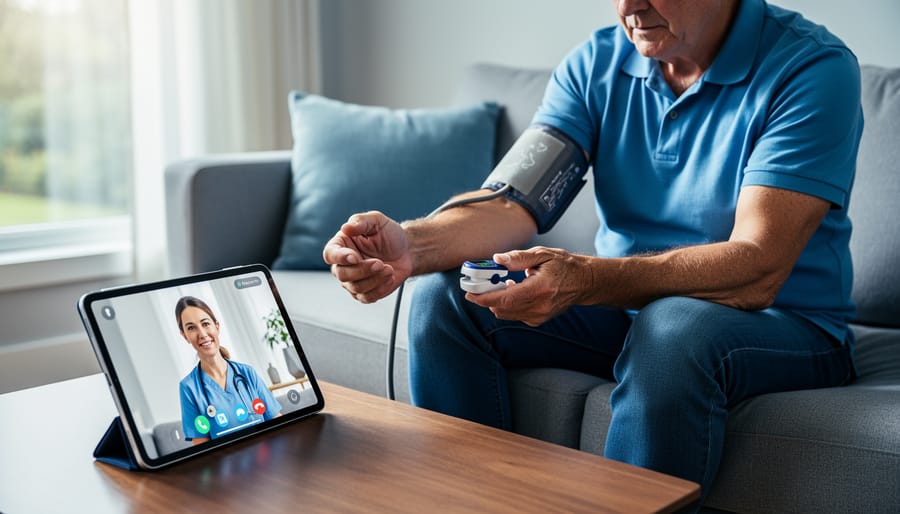
Patient remote monitoring systems allow you to receive hospital-quality care from the comfort of your home using connected devices that track your vital signs and health metrics in real-time. These technologies transmit data like blood pressure, heart rate, oxygen levels, and glucose readings directly to your healthcare team, enabling them to detect problems early and adjust treatment plans without requiring in-person visits.
Canadian healthcare providers increasingly offer remote monitoring as an alternative to prolonged hospital stays or frequent clinic appointments, particularly for managing chronic conditions like diabetes, heart disease, and respiratory illnesses. The technology works through simple devices—blood pressure cuffs, pulse oximeters, weight scales, and smartphone apps—that you use at home while nurses and doctors monitor your readings remotely and contact you when intervention is needed.
Remote monitoring benefits both your health outcomes and quality of life by reducing hospital readmissions, catching complications before they become emergencies, and eliminating travel time to appointments. Research shows patients using these systems experience faster recovery times, better disease management, and increased confidence in self-care while maintaining close connection to medical professionals.
This approach transforms traditional healthcare delivery by bringing clinical oversight into your daily routine without disrupting it. Whether you’re recovering from surgery, managing a chronic condition, or transitioning from hospital to home, remote monitoring provides continuous support while preserving your independence and comfort in familiar surroundings.
What Is a Patient Remote Monitoring System?
Patient remote monitoring systems are healthcare technologies that allow medical teams to track your health information from the comfort of your home. Instead of making frequent trips to the hospital or clinic, you use simple devices to measure vital signs and share this data with your healthcare providers in real-time.
These systems typically consist of three main components working together. First, there are monitoring devices that collect your health information. Second, a communication platform transmits this data to your healthcare team. Third, healthcare professionals review your readings and respond when needed, whether that means adjusting medications, providing guidance, or arranging in-person care.
The devices used in remote monitoring are designed to be user-friendly and non-invasive. Common tools include digital blood pressure cuffs that automatically record and send your readings, pulse oximeters that clip onto your finger to measure oxygen levels in your blood, and blood glucose monitors for tracking blood sugar levels. Many Canadians also use wearable health devices like smartwatches or fitness trackers that continuously monitor heart rate and activity levels.
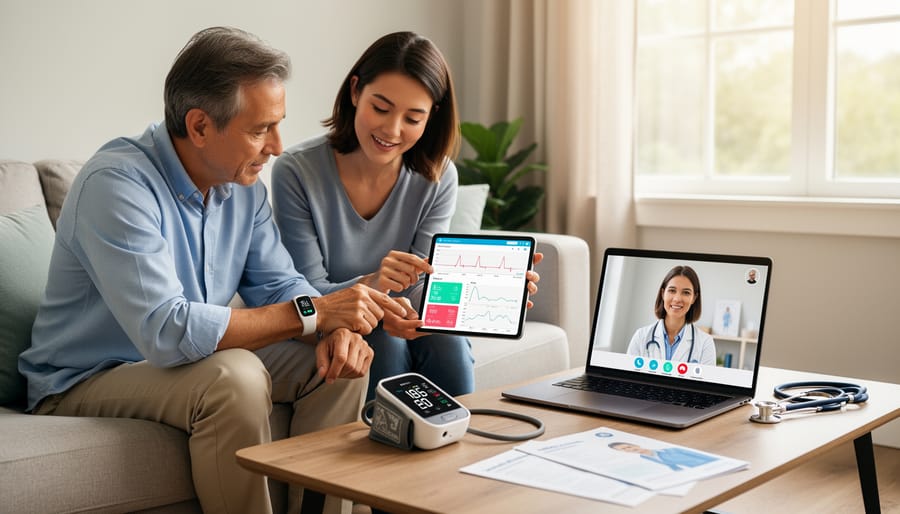
Smartphone apps play a central role by connecting all these devices together. You can view your health trends, receive reminders to take measurements, and communicate directly with your care team through secure messaging. Some systems include tablet devices with video capabilities, allowing virtual check-ins with nurses or doctors.
The technology works seamlessly in the background. When you take a measurement, the device automatically sends it to a secure cloud platform where your healthcare team can access it. If a reading falls outside your normal range, the system can alert your care team immediately, enabling quick intervention before small issues become serious problems.
This approach to healthcare brings clinical-grade monitoring directly into your daily routine, making it easier to manage chronic conditions or recover safely at home.
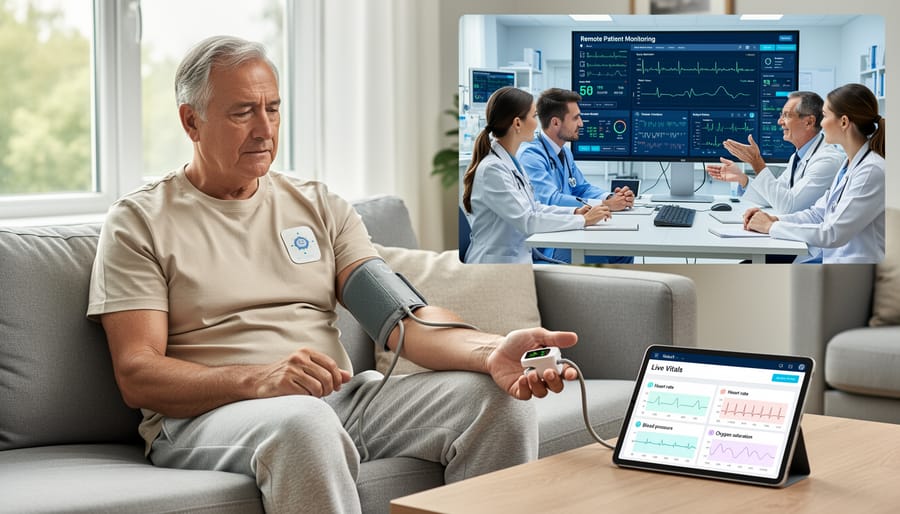
Hospital-at-Home: Bringing Medical Care to Your Living Room
Who Qualifies for Hospital-at-Home Programs
Hospital-at-home programs offer a valuable alternative to traditional hospital stays, but they’re not suitable for everyone. Understanding who qualifies can help you determine if this option might work for you or a loved one.
Medical professionals typically consider patients with specific conditions as good candidates for home monitoring. Those recovering from certain surgeries, such as hip or knee replacements, often qualify when their condition is stable and predictable. Individuals managing chronic diseases like heart failure, chronic obstructive pulmonary disease (COPD), or diabetes may also be eligible, particularly when their symptoms are being controlled but require regular monitoring. Respiratory conditions that need oxygen therapy or breathing treatments can often be managed effectively at home with proper equipment and oversight.
Your medical stability plays a crucial role in determining eligibility. You’ll generally need to be past the critical phase of your illness or recovery, with vital signs that are reasonably stable. The program works best when healthcare providers can predict your expected recovery trajectory and intervene quickly if complications arise.
Your home environment matters too. You’ll need a safe, clean space with reliable electricity for medical equipment and strong internet connectivity for video consultations and data transmission. Having a family member or caregiver available to assist with daily tasks often strengthens your candidacy, though some programs accommodate people living alone.
Not everyone qualifies for hospital-at-home care. Those requiring intensive monitoring, complex procedures, or immediate access to surgical facilities typically need traditional hospital settings. Your healthcare team will carefully assess your individual circumstances to determine the safest, most effective care setting for your specific needs.
How Your Healthcare Team Stays Connected
Your healthcare team maintains regular contact through your remote monitoring system, ensuring you’re never left wondering about your health status. Most programs include scheduled check-ins, typically ranging from daily to weekly depending on your condition and recovery stage. These connections happen through virtual healthcare consultations, secure messaging, or phone calls with nurses and doctors who review your transmitted data.
When your readings fall outside your personalized normal ranges, the system alerts your care team automatically. A nurse will typically contact you within hours to assess the situation, adjust your treatment plan, or provide guidance. For urgent concerns like dangerously high blood pressure or irregular heart rhythms, emergency protocols activate immediately, connecting you directly with medical professionals who can dispatch help if needed.
Between scheduled appointments, you can reach out to your care team through secure messaging platforms with questions or concerns. Many programs provide 24/7 access to nursing support, giving you peace of mind knowing help is always available. This continuous communication loop means potential problems get caught early, often before you’d even notice symptoms, allowing for prompt intervention and preventing hospital readmissions.
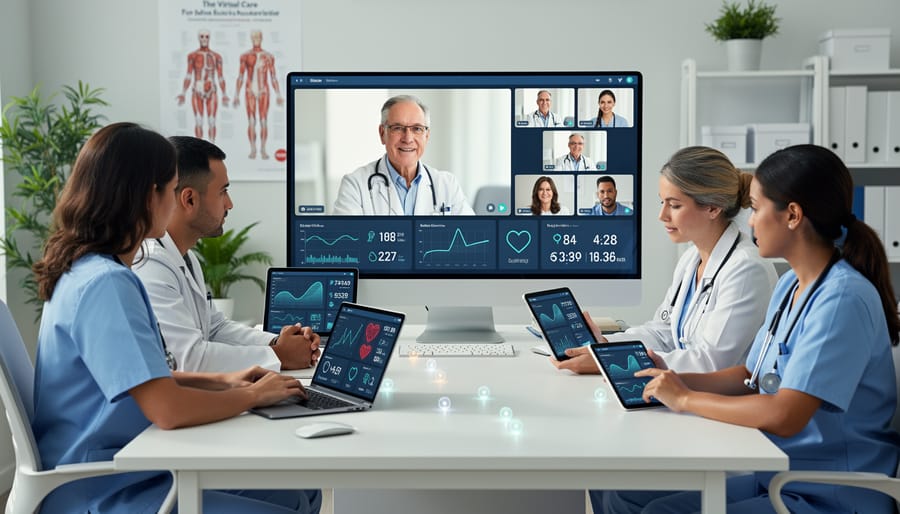
The Real Benefits for Canadian Patients and Families
Recovering in Comfort and Privacy
One of the most significant advantages of hospital-at-home programs is the comfort of recovering in your own space. Being surrounded by familiar belongings, sleeping in your own bed, and maintaining your regular routines can significantly improve both physical healing and emotional wellbeing.
Research shows that patients recovering at home often experience better sleep quality compared to hospital settings, where noise, lighting, and frequent interruptions can disrupt rest. Quality sleep is essential for healing and helps reduce stress and anxiety during recovery.
Having family members nearby provides invaluable emotional support that contributes to faster recovery. Your loved ones can participate actively in your care while still respecting your privacy and independence. This connection helps combat feelings of isolation that sometimes accompany hospital stays.
Home recovery also eliminates the risk of hospital-acquired infections, a serious concern in healthcare facilities. Your immune system doesn’t have to fight off additional challenges while focusing on healing from your primary condition.
Remote monitoring technology ensures you receive expert medical oversight while enjoying these benefits. Healthcare providers track your vital signs and progress digitally, intervening quickly if concerns arise. This combination of professional care and home comfort creates an ideal healing environment that supports both your physical recovery and mental health.
Better Health Outcomes Through Continuous Monitoring
Research consistently shows that continuous monitoring through remote patient monitoring systems leads to significantly better health outcomes compared to traditional periodic check-ups. Studies have found that patients using remote monitoring experience up to 38% fewer hospital readmissions, particularly for conditions like heart failure and chronic obstructive pulmonary disease (COPD).
The key advantage lies in early detection. When your vital signs are tracked daily rather than monthly, your healthcare team can spot concerning trends before they become serious complications. For instance, a gradual increase in blood pressure or weight gain in heart failure patients can trigger timely interventions, preventing emergency room visits.
For chronic disease management, continuous data provides a complete picture of your health patterns. This helps your care team adjust medications more precisely and identify which lifestyle factors truly impact your condition. Patients managing diabetes through remote monitoring have shown improved blood sugar control and fewer dangerous episodes.
Recovery after surgery or hospitalization also improves with continuous oversight. One Canadian study found that patients monitored at home recovered faster and reported feeling more confident in their healing process, knowing their medical team was watching their progress closely. This combination of early intervention and personalized care adjustments creates a powerful pathway to better long-term health outcomes.
Reducing Healthcare Costs and Wait Times
Remote patient monitoring systems are helping to address two significant challenges facing Canada’s healthcare system: rising costs and lengthy wait times. When patients can safely recover at home while being monitored by healthcare professionals, hospital beds become available for those requiring critical care. This shift means fewer people waiting in emergency rooms and shorter delays for essential surgeries and treatments.
The financial benefits extend to patients as well. Hospital stays can be expensive, with parking fees, meals for visiting family members, and time away from work adding up quickly. Recovering at home eliminates many of these costs while maintaining quality care. Studies have shown that remote monitoring programs can reduce hospital readmissions by up to 50 percent in some patient groups, preventing the physical and financial burden of repeated hospital visits.
For the healthcare system overall, remote monitoring represents a more efficient use of resources. Healthcare providers can monitor multiple patients simultaneously through digital platforms, allowing them to focus in-person care on those who need it most urgently. This approach doesn’t mean less attention to your health—rather, it means smarter allocation of healthcare resources that benefits everyone. By reducing unnecessary hospital admissions and enabling earlier discharge for stable patients, these systems create a more sustainable healthcare model that serves more Canadians effectively.
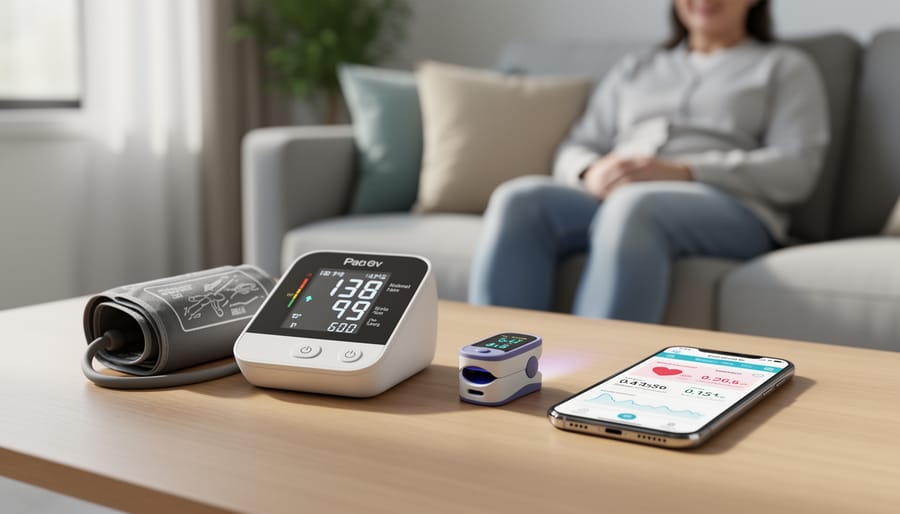
Common Devices and Technologies You Might Use
Wearable Monitors and Smart Devices
Modern wearable devices have evolved far beyond simple step counting to become sophisticated smart devices for health monitoring that healthcare providers trust for remote patient monitoring.
Smartwatches like the Apple Watch and Samsung Galaxy Watch now include medical-grade sensors that can detect irregular heart rhythms and measure blood oxygen levels. These features help identify potential health concerns early, allowing you to seek medical attention when needed.
Continuous glucose monitors (CGMs) such as the Dexcom G6 and FreeStyle Libre have transformed diabetes management. These small sensors attach to your skin and automatically track glucose levels throughout the day, sending real-time data to your smartphone and healthcare team without the need for frequent finger pricks.
Wearable ECG devices provide hospital-quality heart monitoring from home. Options like the AliveCor KardiaMobile and chest-worn patch monitors can detect atrial fibrillation and other cardiac irregularities, transmitting results directly to your doctor for review.
Fitness trackers adapted for medical use now monitor vital signs including heart rate variability, sleep patterns, and activity levels. This continuous data collection helps your healthcare team spot trends and adjust treatment plans based on your real-world patterns rather than isolated clinic visits.
Home Monitoring Equipment
Home monitoring equipment forms the foundation of remote patient monitoring, bringing hospital-quality health tracking into your living room. These user-friendly devices automatically collect and transmit your health data to your healthcare team, eliminating the need for manual recording or frequent clinic visits.
Common devices include digital blood pressure cuffs that measure your cardiovascular health, pulse oximeters that clip onto your finger to check oxygen levels, and Bluetooth-enabled weight scales that track changes that might signal fluid retention or other concerns. For individuals managing respiratory conditions, spirometers measure lung function by tracking how much air you can exhale.
These devices are designed for simplicity. Most connect wirelessly to a tablet or smartphone app provided by your healthcare program, automatically sending readings to your medical team. You’ll receive clear instructions on when and how often to take measurements, typically just once or twice daily.
The equipment is medical-grade and clinically validated, ensuring accuracy comparable to what you’d find in a doctor’s office. Healthcare providers in Canada often provide these devices at no cost through hospital-at-home programs or chronic disease management initiatives, making this technology accessible when medically necessary.
Apps and Digital Platforms
Modern patient remote monitoring relies on user-friendly smartphone apps and secure patient portals that make healthcare more accessible from home. These digital platforms connect you directly with your care team, allowing real-time communication without phone calls or office visits.
The apps work by collecting data from your monitoring devices—such as blood pressure cuffs, glucose meters, or pulse oximeters—and automatically transmitting readings to your healthcare providers. You simply take your measurements as instructed, and the information appears instantly in your medical team’s system. Many platforms use colour-coded alerts to help you quickly identify if readings fall outside your target range.
Beyond data collection, these tools offer practical support for managing your health. Built-in medication reminders help you stay on track with prescriptions, while symptom trackers let you log how you’re feeling each day. This detailed record helps your care team spot patterns and adjust treatment plans accordingly.
Patient portals also provide secure messaging features, enabling you to ask questions, report concerns, or receive guidance between appointments. Some platforms include educational resources tailored to your specific condition, empowering you with evidence-based information to make informed decisions about your care. This two-way communication strengthens the partnership between you and your healthcare providers while supporting your recovery at home.
What to Expect: Your Journey with Remote Monitoring
Getting Started and Device Setup
Getting started with remote patient monitoring is simpler than many people expect. Your healthcare team will schedule an initial appointment to introduce the equipment and explain how everything works. During this session, a nurse or technician will demonstrate each device, whether it’s a blood pressure cuff, pulse oximeter, or digital scale. They’ll walk you through step-by-step instructions and watch as you practice using the equipment yourself.
Before you leave, your care team will establish baseline measurements by recording your vital signs. These readings become your reference points, helping healthcare providers identify any concerning changes in the days ahead. You’ll receive clear written instructions to take home, along with contact information for technical support.
Most programs include follow-up calls within the first few days to ensure everything is working properly and answer any questions. Don’t hesitate to ask for additional training if needed. Healthcare teams understand that technology can feel overwhelming at first, and they’re committed to ensuring you feel confident and comfortable. Many Canadians find that after a few days of practice, monitoring becomes a quick, routine part of their daily schedule.
Daily Routine and Responsibilities
Your daily routine with remote monitoring is simpler than you might think. Most patients spend just 10-15 minutes each day collecting and transmitting their health data, usually first thing in the morning for consistency.
Typical daily tasks include measuring vital signs like blood pressure, heart rate, oxygen levels, and weight using devices provided by your healthcare team. You’ll use a connected blood pressure cuff, pulse oximeter, or digital scale that automatically sends readings to your monitoring system. Some patients also track symptoms like pain levels, shortness of breath, or medication side effects through a simple app or tablet interface.
The key to success is building monitoring into existing routines. Many Canadians find it easiest to check their vitals right after brushing their teeth or before breakfast. Keep your monitoring devices in one convenient spot, like your bathroom counter or bedside table, so everything’s within reach.
Healthcare providers typically review your data within 24 hours and will contact you if anything requires attention. Between scheduled check-ins, you can focus on your recovery or daily activities with peace of mind.
Practical tips for staying consistent include setting phone reminders, pairing monitoring with morning coffee, and keeping a simple logbook of how you’re feeling. Remember, these few minutes each day help your healthcare team provide better, more personalized care while you recover comfortably at home.
Addressing Common Concerns and Challenges
Technology Challenges for Non-Tech-Savvy Patients
If you’re worried about using technology, you’re not alone. Many patients successfully use remote monitoring systems, even without previous tech experience. Healthcare providers understand these concerns and offer straightforward solutions to help you feel comfortable.
Most remote monitoring devices are specifically designed for simplicity. Blood pressure cuffs, pulse oximeters, and weight scales typically have just one or two buttons and automatically send readings to your care team. You don’t need a smartphone or computer skills—many devices work independently with built-in cellular connections.
Your healthcare team provides hands-on training before you start, walking you through each step until you feel confident. They remain available by phone to answer questions anytime. Many Canadian programs also offer video tutorials and printed instruction guides with clear pictures.
Family members can help with setup and daily use, turning monitoring into a shared activity. Some programs arrange for home visits from nurses who can troubleshoot any issues in person.
Research shows that with proper support, age and technology experience don’t predict success with remote monitoring. What matters most is having accessible help when you need it, which Canadian healthcare providers consistently deliver.
Privacy and Data Security
Patient remote monitoring systems in Canada follow strict privacy standards to keep your health information safe. Your personal data is protected under federal legislation like the Personal Information Protection and Electronic Documents Act (PIPEDA) and provincial health privacy laws. Healthcare providers use encrypted transmission methods and secure cloud storage to safeguard your medical readings and personal details from unauthorized access.
When participating in remote monitoring programs, you have important rights regarding your information. You can access your health records, understand how your data is being used, and request corrections if needed. Healthcare teams only share your information with authorized care providers directly involved in your treatment. Protecting your health data remains a priority, and you maintain control over who sees your information throughout your care journey. Before starting any remote monitoring program, your healthcare team will explain their privacy practices and obtain your informed consent.
When You Still Need In-Person Care
Remote monitoring is a valuable tool, but it doesn’t replace all in-person medical care. Your healthcare team will determine when face-to-face visits are necessary based on your specific condition. Most systems include clear protocols that trigger alerts when your readings fall outside safe ranges—prompting your care team to recommend an urgent clinic visit or emergency care. You’ll typically need in-person appointments for physical examinations, certain diagnostic tests, medication adjustments that require observation, or when your symptoms change significantly. Emergency situations like severe chest pain, difficulty breathing, or sudden weakness always require immediate hospital care, regardless of your monitoring readings. The system works best as a complement to traditional care, helping catch concerns early while ensuring you receive appropriate in-person treatment when needed.
Accessing Remote Monitoring Programs in Canada
Talking to Your Doctor About Hospital-at-Home
If you’re interested in hospital-at-home care, start by having an open conversation with your family doctor or specialist. Ask whether you’re a suitable candidate based on your medical condition and recovery needs. Inquire about which healthcare providers operate remote monitoring programs in your area and what the referral process involves.
Prepare information about your home environment before your appointment. Consider whether you have reliable internet access, a quiet space for virtual consultations, and adequate support from family members or caregivers. Your doctor needs to know if you live alone or have someone available to assist with daily activities.
Important questions to ask include: What equipment will I need? How often will I be monitored? Who do I contact in an emergency? What happens if my condition changes? Request clear instructions about medication management, warning signs to watch for, and when to seek immediate medical attention.
Be honest about any concerns regarding technology use or comfort level with managing your care at home. Your healthcare team can provide training and support to ensure you feel confident participating in the program.
Provincial Programs and Availability
Remote patient monitoring availability varies significantly across Canadian provinces, with each region developing programs based on local healthcare needs and infrastructure. Ontario, British Columbia, and Alberta have established several hospital-at-home initiatives through major healthcare networks, while provinces like Saskatchewan and Manitoba are expanding their offerings. Quebec operates remote monitoring through regional health authorities, with programs concentrated in urban centers.
Access to these services depends on your location, healthcare provider, and medical condition. Urban Canadians typically have broader access to remote monitoring programs, though provincial governments are working to improve telemedicine access in rural areas. Your family doctor or hospital discharge planner can provide information about programs available in your community. Some provinces offer centralized referral systems, while others require direct enrollment through specific hospitals or primary care networks. Contact your local health authority to learn which remote monitoring options serve your area.
Patient remote monitoring systems represent a meaningful step forward in how Canadians receive healthcare—one that prioritizes your comfort, independence, and well-being without compromising safety or quality of care. These technologies bridge the gap between hospital expertise and the healing power of home, offering a compassionate approach that recognizes you as an active partner in your health journey.
The evidence is clear: remote monitoring can reduce hospital readmissions, catch health concerns early, and help you manage chronic conditions more effectively. But beyond the statistics, these systems offer something equally valuable—peace of mind. Knowing that healthcare professionals are monitoring your vital signs and ready to respond gives you the confidence to focus on what matters most: your recovery and quality of life.
As Canadian healthcare continues to evolve, remote monitoring programs are becoming increasingly accessible across provinces. While availability varies by region and health condition, the expansion of these services reflects a commitment to patient-centered care that meets you where you are.
If you’re interested in exploring remote monitoring options, start by having an open conversation with your healthcare provider. Ask whether programs are available for your specific health needs, what technology would be involved, and how the process works in your area. Your care team can help determine if remote monitoring aligns with your health goals and lifestyle.
The future of healthcare is increasingly connected, personalized, and focused on empowering you to take an active role in your wellness. Remote patient monitoring is helping make that future a reality today.