

Tossing and turning at 3 a.m. while your mind races isn’t just frustrating—it’s often your body signaling that estrogen levels are disrupting your natural sleep-wake cycle. Whether you’re navigating perimenopause, postpartum recovery, or irregular menstrual cycles, fluctuating estrogen directly impacts how quickly you fall asleep, how often you wake up, and whether you reach the deep, restorative sleep stages your body needs.
Estrogen influences sleep through multiple pathways in your brain and body. It helps regulate your core body temperature, which naturally drops before sleep, and supports the production of serotonin, a neurotransmitter your brain converts into melatonin, the hormone that signals bedtime. When estrogen levels decline or fluctuate dramatically—during the luteal phase of your cycle, throughout perimenopause, or after childbirth—these sleep-promoting mechanisms become less reliable. You might experience night sweats, racing thoughts, or frequent wakings that leave you exhausted.
Understanding this connection validates what you’re experiencing: your sleep problems aren’t “all in your head” or a personal failing. They’re a physiological response to hormonal shifts. More importantly, recognizing the estrogen-sleep relationship empowers you to take targeted action. From optimizing your sleep environment and adjusting your evening routine to exploring hormone therapy options and stress management techniques, evidence-based strategies can help you reclaim restful nights regardless of which life stage is affecting your estrogen levels.
How Estrogen Controls Your Sleep-Wake Cycle
Estrogen plays a powerful role in regulating your sleep-wake cycle, influencing multiple biological processes that determine how well you sleep each night. Understanding this connection can help explain why you might experience sleep changes during different phases of your menstrual cycle, pregnancy, or menopause.
One of estrogen’s primary effects on sleep involves body temperature regulation. This hormone helps control your core body temperature, which naturally needs to drop slightly for sleep to occur. When estrogen levels are optimal, your body can effectively manage this temperature shift. However, when estrogen fluctuates or declines, you may experience hot flashes or night sweats that disrupt this delicate process, making it harder to fall asleep or stay asleep throughout the night.
Estrogen also influences melatonin, often called the sleep hormone. Research shows that estrogen supports the production and effectiveness of melatonin, which signals to your brain that it’s time to wind down. When estrogen levels are balanced, melatonin production follows a healthy rhythm. When estrogen drops, melatonin production may become less efficient, throwing off your natural sleep-wake cycle.
The quality of your sleep is also affected by estrogen’s impact on REM sleep, the stage where dreaming occurs and your brain processes emotions and memories. Studies indicate that estrogen helps promote longer, more restorative REM sleep periods. Lower estrogen levels can reduce REM sleep duration, leaving you feeling less refreshed even after a full night in bed.
Additionally, estrogen interacts with neurotransmitters like serotonin and GABA, which promote relaxation and calmness. These connections help explain women’s unique sleep needs and why hormonal changes can significantly impact sleep quality. When estrogen levels shift, these neurotransmitter systems can become imbalanced, contributing to difficulty falling asleep, staying asleep, or achieving deep, restorative rest.
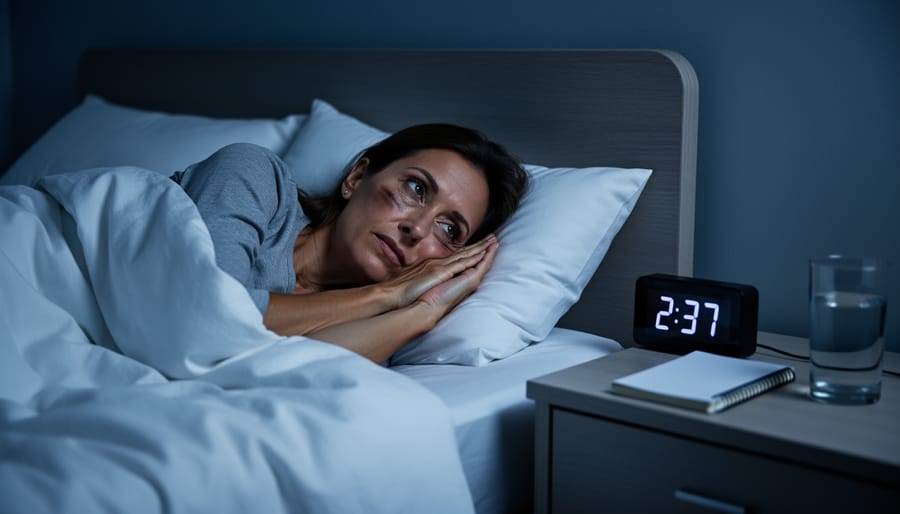
Sleep Disruption Across Hormonal Life Stages
Menstrual Cycle and Sleep Patterns
Your hormones shift constantly throughout your menstrual cycle, and these changes can significantly impact how well you sleep. Understanding this connection can help you anticipate and manage sleep disruptions.
During the first half of your cycle (follicular phase), estrogen levels gradually rise. This hormone generally supports good sleep quality by helping regulate your body temperature and promoting REM sleep, the stage associated with dreaming and memory consolidation.
After ovulation, progesterone takes center stage during the luteal phase. This hormone has a naturally sedating effect and slightly raises your body temperature. While progesterone can make you feel sleepier during the day, the temperature increase may actually make it harder to fall asleep at night, since your body needs to cool down for quality rest.
The week before your period often brings the most significant sleep challenges. As both estrogen and progesterone drop sharply, many women experience premenstrual insomnia, fragmented sleep, or vivid dreams. Research shows that your menstrual cycle affects sleep in measurable ways, with some studies indicating women may lose up to 30 minutes of sleep per night during this premenstrual phase.
During menstruation itself, some women find their sleep improves as hormones stabilize at lower levels, while others continue experiencing disruptions due to cramping or discomfort.
Tracking your cycle alongside your sleep patterns can help you identify your personal trends and prepare with appropriate strategies during vulnerable phases.
Pregnancy and Postpartum Sleep Challenges
Pregnancy triggers dramatic hormonal shifts that significantly impact sleep quality. Estrogen levels increase up to 100 times during pregnancy, peaking in the third trimester. While this surge supports fetal development, it also disrupts your normal sleep architecture by altering the balance between REM and deep sleep stages.
These estrogen fluctuations combine with other pregnancy-related sleep challenges including frequent urination, physical discomfort, leg cramps, and anxiety about childbirth. Many pregnant individuals experience increased wakefulness during the night, even when exhausted, as elevated estrogen levels keep the brain more alert.
The postpartum period brings an equally challenging transition. Estrogen levels plummet dramatically within 24 hours of delivery, dropping to pre-pregnancy levels or lower. This sudden decline, combined with the demands of newborn care and nighttime feedings, creates a perfect storm for sleep deprivation.
This hormonal crash affects more than just sleep quantity. Low postpartum estrogen contributes to mood changes, increased stress sensitivity, and difficulty falling back asleep between feedings. Understanding that these sleep struggles have a biological basis can help validate your experience during this demanding time.
While complete sleep restoration may not be immediately possible, recognizing the role of estrogen helps you approach this period with realistic expectations and seek appropriate support when needed.
Perimenopause and Menopause: The Perfect Storm
For many women, perimenopause and menopause create what experts call “the perfect storm” for sleep problems. During perimenopause, which typically begins in your 40s but can start earlier, estrogen levels don’t simply decline—they swing wildly from day to day. These unpredictable fluctuations can trigger night sweats and hot flashes that jolt you awake multiple times each night, leaving you exhausted and frustrated.
As you transition into menopause, estrogen levels drop significantly and remain low. This sustained decline affects your body’s temperature regulation system, making those nighttime heat episodes even more common. Research shows that up to 85% of women experience hot flashes during this time, with many reporting that sleep disruption is their most challenging symptom.
Beyond the obvious discomfort of waking up drenched in sweat, low estrogen levels directly impact your brain’s sleep-wake cycle. The hormone changes affect neurotransmitters like serotonin and GABA that help you fall asleep and stay asleep. This explains why even on nights without hot flashes, you might still struggle with insomnia or wake frequently.
The good news is that understanding this connection empowers you to take action. While hormonal changes are natural, their impact on your sleep doesn’t have to be permanent. From lifestyle adjustments to medical interventions, effective menopause sleep solutions exist to help you reclaim restful nights during this transition.
Hormone Therapy and Sleep
Hormone replacement therapy (HRT) and hormonal birth control can significantly influence your sleep quality, though effects vary from person to person. For many experiencing menopause-related sleep disruptions, HRT can restore estrogen levels and reduce night sweats and hot flashes, leading to more restful sleep. Research shows that estrogen therapy may help you fall asleep faster and spend more time in deep sleep stages.
However, hormonal treatments don’t work the same way for everyone. Some people experience initial sleep disturbances when starting HRT or birth control as their bodies adjust to new hormone levels. The type of hormone, dosage, and delivery method all play a role in how these treatments affect your rest.
If you’re considering hormone therapy for sleep issues, work closely with your healthcare provider to find the right approach for your situation. They can monitor your response and adjust treatment as needed. Keep in mind that hormone therapy is most effective when combined with good sleep hygiene practices and other lifestyle modifications that support quality rest.

Evidence-Based Strategies to Improve Estrogen-Related Sleep Issues
Nutrition Timing and Sleep-Supporting Foods
Strategic meal timing and choosing the right nutrients can significantly support both estrogen balance and sleep quality. Foods rich in phytoestrogens, plant compounds that gently mimic estrogen’s effects, may help stabilize hormonal fluctuations that disrupt sleep. Incorporate flaxseeds, sesame seeds, tofu, tempeh, and edamame into your daily routine. Canadian-grown chickpeas and lentils are excellent, affordable options readily available nationwide.
Magnesium plays a crucial role in sleep regulation and may help reduce hot flashes. Aim for 310-420 mg daily through pumpkin seeds, almonds, spinach, black beans, and whole grains like quinoa and brown rice. Many Canadians fall short of magnesium requirements, making these foods particularly important.
Tryptophan-rich foods support melatonin production for better sleep. Include turkey, chicken, eggs, dairy products, and fortified soy beverages in your diet. Combining these with complex carbohydrates, such as whole grain toast or oatmeal, enhances tryptophan absorption.
Timing matters too. Avoid large meals within three hours of bedtime, as digestion can interfere with sleep onset. If evening hunger strikes, choose a light snack combining protein and carbohydrates, like Greek yogurt with berries or whole grain crackers with almond butter.
Limit caffeine after 2 PM and reduce alcohol consumption, as both disrupt sleep architecture and can worsen hot flashes. Instead, try calming herbal teas like chamomile or passionflower in the evening. Stay hydrated throughout the day but taper fluid intake before bed to minimize nighttime bathroom trips that fragment sleep.

Temperature Regulation Techniques
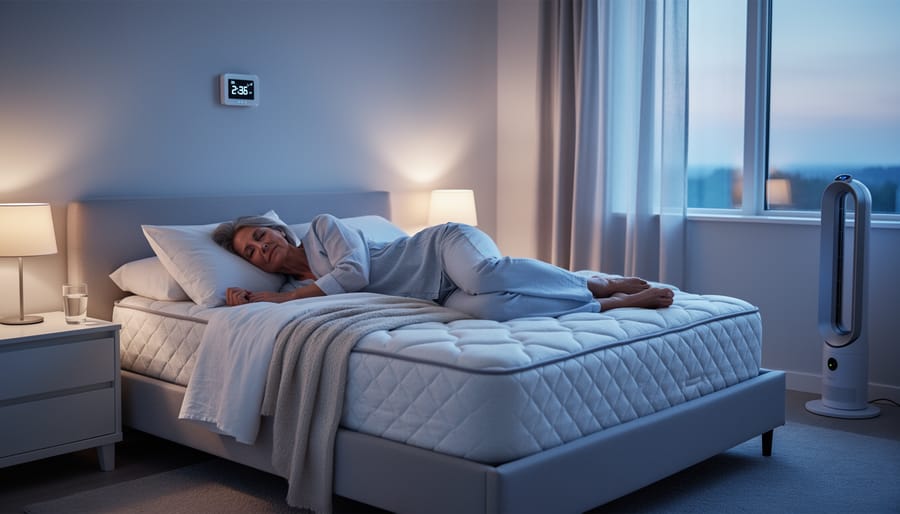
Managing nighttime temperature fluctuations caused by estrogen changes can significantly improve your sleep quality. Start by optimizing your bedroom environment: keep your room temperature between 15-19°C (60-67°F), which supports natural body temperature regulation during sleep. This cooler range works particularly well for Canadian climates and helps counteract hot flashes.
Invest in moisture-wicking, breathable bedding made from natural materials like bamboo or cotton. Consider a cooling mattress pad or pillow designed to dissipate heat throughout the night. Many Canadians find layering helpful: use lightweight, easily removable blankets instead of one heavy duvet, allowing you to adjust coverage quickly when temperature shifts occur.
Keep a small fan near your bedside for immediate relief during hot flashes. Dress in loose-fitting, breathable sleepwear, and keep an extra set nearby for quick changes if needed. Some people find cooling their pulse points before bed helpful – try running cool water over your wrists or placing a cold compress on your neck for a few minutes.
During colder months, maintain good air circulation while staying warm enough. A programmable thermostat can help maintain consistent temperatures overnight, preventing the room from becoming too warm as you sleep.
Exercise Timing for Hormonal Sleep Support
The timing of your exercise can significantly influence both estrogen regulation and sleep quality. Research suggests that morning or early afternoon workouts generally support better sleep, while intense evening exercise may interfere with falling asleep for some people.
For those experiencing perimenopause or menopause, moderate-intensity exercise performed in the morning can help stabilize estrogen fluctuations throughout the day and promote deeper sleep at night. Aim for activities like brisk walking, swimming, or cycling at least 4-6 hours before bedtime.
If evening is your only option for exercise, focus on gentler activities like yoga or stretching, which can actually support relaxation and sleep onset. These lower-intensity movements won’t overstimulate your system or raise core body temperature too close to bedtime.
Different life stages require adjusted approaches. Younger women with regular menstrual cycles may find they tolerate evening workouts better during the follicular phase when estrogen is rising. During the luteal phase, when progesterone dominates, earlier exercise often feels more comfortable and supports better rest.
Start with 20-30 minutes of moderate activity and monitor how different timing affects your sleep patterns. Keep a simple log noting your exercise schedule and sleep quality to identify your optimal workout window. Consistency matters more than perfection, so choose a sustainable time that fits your lifestyle.
Sleep Hygiene Tailored to Hormonal Needs
When estrogen levels fluctuate, standard sleep hygiene practices benefit from hormone-specific adjustments to maximize their effectiveness.
Light exposure becomes particularly important for hormonal balance. Morning sunlight within 30 minutes of waking helps regulate both circadian rhythms and hormone production. Aim for 10-15 minutes of natural light exposure to support healthy estrogen metabolism. In the evening, reduce blue light exposure at least two hours before bed by using warm-toned lighting and limiting screen time, as this supports melatonin production that may be disrupted by hormonal changes.
Temperature management requires special attention since estrogen affects thermoregulation. Keep your bedroom cool, between 16-19 degrees Celsius, and use breathable bedding materials like cotton or bamboo. Consider moisture-wicking sleepwear if you experience night sweats, and keep a fan nearby for quick cooling when needed.
Your evening routine should include stress-reduction techniques that specifically support hormonal balance. Gentle yoga, progressive muscle relaxation, or deep breathing exercises help lower cortisol levels that can interfere with estrogen’s sleep-promoting effects. Try a 10-minute wind-down practice focusing on slow, diaphragmatic breathing to activate your parasympathetic nervous system.
Timing matters for both meals and supplements. Finish eating at least three hours before bed to prevent digestive disruption, and avoid caffeine after 2 PM since hormonal fluctuations may increase sensitivity to stimulants. If you take hormone therapy or supplements, discuss optimal timing with your healthcare provider, as evening doses may affect sleep quality differently than morning administration.
When to Seek Professional Help
If you’ve been implementing sleep strategies for several weeks without improvement, or if your sleep disturbances significantly impact your daily functioning, it’s time to consult a healthcare provider. Persistent insomnia, night sweats that drench your bedding, or daytime fatigue that interferes with work or relationships warrant professional evaluation.
In Canada, start with your family physician or a nurse practitioner who can assess your symptoms and order appropriate tests. Come prepared with a sleep diary documenting your patterns over at least two weeks, including sleep quality, hot flashes, mood changes, and menstrual cycle information if applicable. This documentation helps your provider see the bigger picture and make informed decisions.
Don’t hesitate to request hormone testing if you suspect estrogen fluctuations are affecting your sleep. Standard blood tests can measure estrogen, progesterone, follicle-stimulating hormone (FSH), and thyroid function. While some providers may be hesitant to test if you’re not experiencing severe symptoms, you have the right to advocate for comprehensive evaluation, especially if sleep issues began coinciding with life stages like perimenopause or postpartum.
If your initial provider dismisses your concerns, seek a second opinion. Many women find support through menopause clinics or healthcare providers specializing in women’s health. In some provinces, you can also access naturopathic doctors or registered dietitians through extended health benefits who may offer complementary approaches.
Remember, quality sleep is essential for your overall health, and persistent problems deserve attention and proper treatment.
Understanding how estrogen influences your sleep is the first step toward better rest, and the good news is that hormone-related sleep issues are entirely manageable. Whether you’re navigating perimenopause, menopause, postpartum changes, or monthly cycle fluctuations, you now have evidence-based strategies to support your sleep health.
The key is to start small rather than trying to implement every suggestion at once. Choose one or two changes that feel most achievable for your current situation. Perhaps that means adjusting your bedroom temperature tonight, scheduling a conversation with your healthcare provider, or adding a short walk to your daily routine. Small, consistent changes often create the most sustainable improvements.
Remember that your experience is valid. Sleep disturbances connected to hormonal changes affect millions of Canadians, and seeking support is a sign of taking charge of your health, not weakness. If lifestyle adjustments alone aren’t providing relief, don’t hesitate to explore medical options with a qualified healthcare provider who can assess your individual needs.
Quality sleep is fundamental to your overall health, mental wellbeing, and daily functioning. By understanding the estrogen-sleep connection and taking proactive steps, you’re investing in better energy, mood, cognitive function, and long-term health. You deserve restful sleep, and with the right combination of strategies tailored to your situation, it’s within reach.