

Sleep disturbances affect up to 90% of people with bipolar disorder, making insomnia both a warning sign of mood episodes and a trigger that can worsen symptoms. If you’re lying awake at 3 AM wondering whether your sleeplessness means your mood is shifting, you’re experiencing one of the most challenging aspects of managing this condition.
The relationship between insomnia and bipolar disorder works in both directions. During manic or hypomanic episodes, you may need little sleep yet feel energized. During depressive episodes, you might sleep excessively or struggle with broken, unrefreshing sleep. Between episodes, chronic insomnia can destabilize your mood and increase the risk of relapse by up to 400%.
Track your sleep patterns alongside your mood for at least two weeks to identify your personal warning signs. Note when you fall asleep, wake times, nighttime awakenings, and how rested you feel. This information helps you and your healthcare provider spot patterns before a full episode develops.
Establish a consistent sleep-wake schedule, even on weekends, as irregular sleep times can trigger mood episodes. Your circadian rhythm plays a crucial role in mood regulation, and maintaining predictability helps stabilize both sleep and emotional well-being.
Address insomnia promptly with your treatment team rather than waiting to see if it resolves on its own. Early intervention with evidence-based treatments like cognitive behavioral therapy for insomnia, medication adjustments, or light therapy can prevent sleep problems from escalating into mood episodes. Understanding this connection empowers you to take protective action when sleep issues emerge.
The Complex Relationship Between Insomnia and Bipolar Disorder
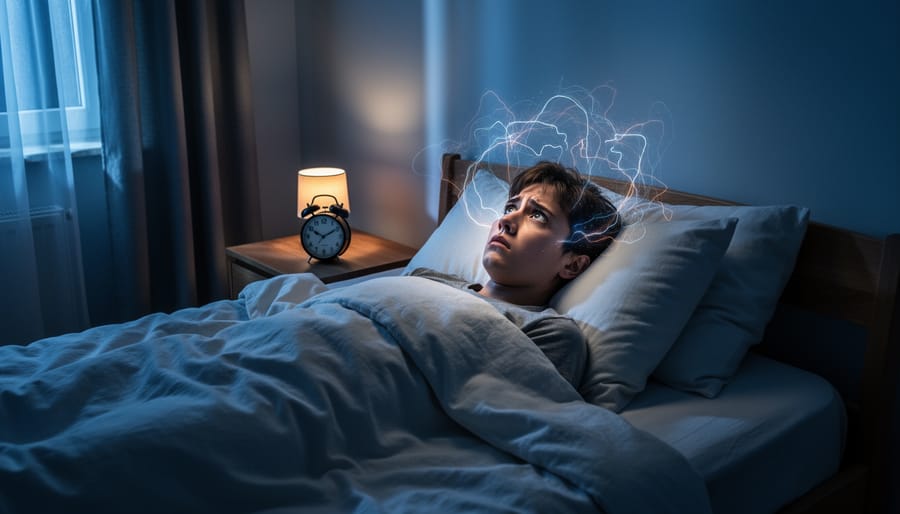
How Insomnia Differs in Bipolar Disorder
Insomnia in bipolar disorder has distinct characteristics that set it apart from regular sleep difficulties. Understanding these differences can help you recognize mood episodes earlier and seek appropriate support.
The most important distinction is between reduced need for sleep and inability to sleep. During manic or hypomanic episodes, people often experience a dramatically decreased need for sleep—feeling fully energized after just two or three hours. This differs from typical insomnia where you feel exhausted but cannot sleep. You might feel wired, highly productive, and not miss the sleep at all. In contrast, during depressive episodes, you may experience classic insomnia symptoms: lying awake despite feeling tired, with racing negative thoughts preventing rest.
Bipolar-related insomnia also follows phase-specific patterns. Sleep disturbances often emerge days or weeks before a mood episode becomes fully apparent, serving as an early warning sign. During mania, your internal clock may shift dramatically—suddenly staying up all night working on projects or socializing. Depression typically brings difficulty falling asleep, frequent nighttime awakenings, or early morning waking with inability to return to sleep.
The relationship between sleep disorders impact mental health is particularly complex in bipolar disorder because sleep loss can actually trigger mood episodes. Missing even one night of sleep might precipitate hypomania or mania in vulnerable individuals. This creates a challenging cycle where mood changes disrupt sleep, and poor sleep worsens mood instability. Recognizing these unique patterns helps you and your healthcare provider develop targeted strategies for better sleep and mood management.
Warning Signs You Shouldn’t Ignore
Recognizing early warning signs of a mood episode can help you take action before your symptoms become more severe. Pay attention to these sleep-related changes that may indicate an approaching episode:
Sleeping significantly less than usual (less than four hours) but still feeling energized or not tired could signal the start of a manic or hypomanic episode. This differs from regular insomnia where you’d typically feel exhausted from lack of sleep.
Sudden difficulty falling asleep when your sleep routine was previously stable, especially when accompanied by racing thoughts or increased activity levels, warrants attention.
Sleeping much more than normal (over 10 hours) combined with difficulty getting out of bed may indicate depression is developing.
A complete change in your sleep schedule, like suddenly becoming nocturnal or sleeping at irregular times, can precede mood shifts.
Waking frequently during the night with intense emotions, vivid dreams, or an urge to be productive suggests your mood may be shifting.
If you notice these patterns, contact your healthcare provider promptly. Early intervention, which might include adjusting medications or increasing therapy sessions, can often prevent a full mood episode from developing. Keep a simple sleep log noting your hours of sleep and energy levels to help identify these patterns and share with your treatment team.
What Happens in Your Brain: The Science Made Simple
Your Body’s Internal Clock and Mood Regulation
Your body operates on a 24-hour internal clock called the circadian rhythm, which regulates when you feel alert and when you feel sleepy. In bipolar disorder, this internal timekeeper often doesn’t work properly, creating a challenging cycle that affects both sleep and mood stability.
Research shows that people with bipolar disorder frequently have disrupted circadian rhythms even between mood episodes. This disruption affects the production of melatonin (your sleep hormone), cortisol (your stress hormone), and body temperature patterns throughout the day. When these biological rhythms fall out of sync, it becomes harder to fall asleep at appropriate times and maintain consistent energy levels.
The connection between body clock and mood regulation is particularly important in bipolar disorder. Disrupted sleep-wake cycles can trigger mood episodes, while mood episodes further disturb your circadian rhythms, creating a difficult loop to break. During manic phases, people often feel less need for sleep because their internal clock is essentially running too fast. During depressive episodes, the opposite occurs—the internal clock slows down, making it hard to wake up and feel energized.
Understanding this relationship helps explain why maintaining regular sleep-wake schedules is crucial for mood stability. Even small disruptions, like staying up late on weekends or irregular meal times, can throw off your circadian rhythm and potentially destabilize your mood. The good news is that strengthening your circadian rhythm through consistent routines can provide significant benefits for both sleep quality and emotional wellbeing.

The Chemical Connection
When you don’t get enough sleep, it creates a domino effect in your brain’s chemistry that directly impacts your mood stability. Understanding this connection can help you recognize why managing sleep is so crucial when living with bipolar disorder.
Your brain relies on chemical messengers called neurotransmitters to regulate everything from your emotions to your energy levels. Two key players are serotonin, which helps stabilize mood and promote feelings of wellbeing, and dopamine, which influences motivation, pleasure, and alertness. When sleep deprivation occurs, the delicate balance of these chemicals gets disrupted.
Research shows that missing even one night of sleep can significantly alter how your brain produces and processes these neurotransmitters. Serotonin levels often drop with poor sleep, which can trigger low mood and irritability. Meanwhile, dopamine activity can become erratic, sometimes spiking in ways that might contribute to manic symptoms or racing thoughts.
For people with bipolar disorder, this chemical disruption is particularly problematic. Your brain is already working harder to maintain mood stability, and sleep loss adds extra strain to this system. It’s like trying to balance on a tightrope while someone shakes the rope—the task becomes exponentially harder.
The good news is that this chemical connection works both ways. By prioritizing consistent, quality sleep, you give your brain the opportunity to restore proper neurotransmitter balance. This doesn’t happen overnight, but with sustained healthy sleep patterns, many people notice their moods becoming more predictable and manageable. Think of sleep as essential maintenance for your brain’s chemistry lab.
How Sleep Problems Differ Between Manic and Depressive Episodes
Sleep During Manic or Hypomanic Episodes
During manic or hypomanic episodes, people with bipolar disorder often experience a drastically reduced need for sleep. You might feel energized and productive after just two or three hours of rest, or sometimes feel like you don’t need sleep at all. Unlike typical insomnia where you feel tired but can’t sleep, during these episodes you genuinely feel alert and full of energy despite minimal rest.
Racing thoughts are a hallmark of nighttime experiences during mania. Your mind may jump rapidly between ideas, making it nearly impossible to settle down. You might feel compelled to start new projects at 3 a.m. or engage in activities like excessive cleaning, shopping, or creative work throughout the night.
Recognizing sleep changes as an early warning sign is crucial for managing bipolar disorder effectively. Many people notice their sleep decreasing several days before other manic symptoms become obvious. Keeping a sleep diary can help you and your healthcare provider identify patterns and intervene early.
If you notice you’re sleeping significantly less than usual but don’t feel tired, or if racing thoughts are keeping you awake multiple nights in a row, contact your mental health provider promptly. Early intervention during these sleep changes can sometimes prevent a full manic episode from developing, making sleep monitoring an essential part of your wellness strategy.
Sleep During Depressive Episodes
During depressive episodes, sleep problems take on a different character than manic-phase insomnia. Many people with bipolar depression experience difficulty falling asleep, lying awake for hours with racing negative thoughts or feelings of emptiness. This struggle to initiate sleep often stems from rumination, anxiety, and the general slowing of mental and physical processes that characterizes depression.
Early morning awakening is particularly common during depressive episodes. You might fall asleep at a reasonable hour but wake at 3 or 4 a.m., unable to return to sleep. These quiet early hours can feel especially challenging, as negative thoughts intensify in the darkness and silence.
Even when you do sleep through the night, depression-related insomnia often results in non-restorative sleep. You may spend adequate hours in bed but wake feeling exhausted, as though you haven’t rested at all. This happens because depression disrupts normal sleep architecture, reducing the amount of deep, restorative sleep you achieve.
Unlike the energized wakefulness of mania, depression-related insomnia feels heavy and draining. The desire to sleep is present, but the ability to achieve restful, continuous sleep remains frustratingly out of reach. Recognizing these patterns helps you and your healthcare provider distinguish between manic and depressive episodes, allowing for more targeted treatment approaches.
Evidence-Based Strategies to Manage Insomnia with Bipolar Disorder
Sleep Hygiene Essentials That Actually Work
Managing sleep when you have bipolar disorder requires more than standard advice. These sleep hygiene essentials are specifically tailored to address the unique challenges you face.
Consistency is your foundation. Going to bed and waking up at the same time every day, including weekends, helps stabilize your circadian rhythm and mood. This regularity is particularly important for people with bipolar disorder, as irregular sleep patterns can trigger mood episodes. Aim for 7-9 hours nightly, and work with your healthcare provider to determine what works best for you.
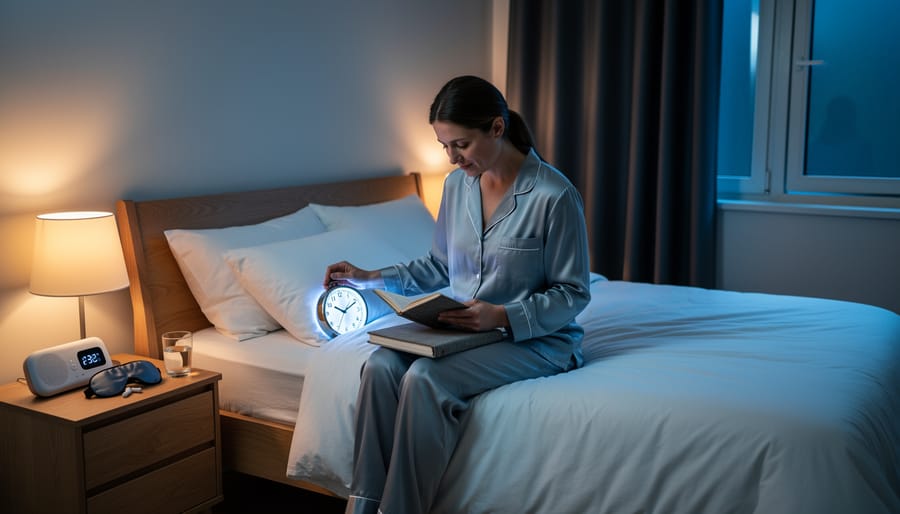
Create a sleep sanctuary by keeping your bedroom cool (around 18 degrees Celsius), dark, and quiet. Remove electronic devices at least one hour before bedtime, as blue light can interfere with melatonin production and disrupt your natural sleep-wake cycle. Consider blackout curtains and a white noise machine if needed.
Develop a calming pre-sleep routine that signals your body it’s time to wind down. This might include gentle stretching, reading, listening to soft music, or practicing relaxation breathing. Avoid stimulating activities, difficult conversations, or checking work emails in the evening.
Be mindful of substances that affect sleep. Limit caffeine after noon, avoid alcohol (which can worsen mood instability), and discuss any sleep concerns with your doctor before trying supplements or over-the-counter sleep aids, as some may interact with bipolar medications.
Medication Management and Your Sleep
Many medications used to manage bipolar disorder can significantly affect your sleep patterns, making it essential to work closely with your healthcare team. Mood stabilizers, antipsychotics, and antidepressants each interact with sleep differently. Some medications may cause drowsiness, while others can be activating and potentially worsen insomnia.
Timing your medication doses can make a substantial difference. If your medication causes drowsiness, taking it in the evening may help promote sleep. Conversely, activating medications are often better taken in the morning. Never adjust medication timing or dosages without consulting your prescriber, as changes can affect mood stability and potentially trigger episodes.
Be open with your doctor about sleep-related side effects. Sometimes switching medications or adjusting doses can resolve sleep issues while maintaining mood stability. Your healthcare provider can help you weigh the benefits of mood management against any sleep disruptions.
Canadian resources are available to support your medication journey. The Canadian Mental Health Association offers medication education resources, while Pharmacists across Canada can provide counseling about timing and side effects. Many provinces also offer mental health medication coverage through provincial drug plans, though eligibility varies by location. Check your provincial health ministry website for specific coverage details. Remember, finding the right medication balance takes time and patience, but working collaboratively with your healthcare team yields the best outcomes.
Cognitive Behavioral Therapy for Insomnia (CBT-I)
Cognitive Behavioral Therapy for Insomnia (CBT-I) is a structured, evidence-based treatment that addresses the thoughts and behaviors preventing restful sleep. Unlike medication, CBT-I teaches you lasting skills to improve sleep quality without adding concerns about mood destabilization.
For people with bipolar disorder, CBT-I is specifically adapted to work alongside your mood management plan. Research shows it effectively treats insomnia in bipolar disorder while maintaining mood stability when combined with appropriate medication. The therapy typically involves six to eight sessions with a trained therapist.
During CBT-I, you’ll learn techniques including sleep restriction (temporarily limiting time in bed to match actual sleep time), stimulus control (using your bed only for sleep), and cognitive strategies to manage racing thoughts. Your therapist will work carefully with your treatment team to ensure sleep changes don’t trigger mood episodes.
In Canada, CBT-I is available through various channels. Many psychologists and sleep clinics offer this specialized therapy, though availability varies by province. Some programs are covered through provincial health plans, while others require private payment or extended health benefits. Online CBT-I programs are increasingly available, offering convenient access across the country. Ask your family doctor or psychiatrist for referrals to qualified CBT-I practitioners experienced in treating bipolar disorder, ensuring your sleep treatment supports your overall mental health journey.
Light Therapy and Circadian Rhythm Regulation
Light exposure plays a powerful role in regulating your body’s internal clock, making it a valuable tool for managing bipolar-related sleep problems. Your circadian rhythm responds strongly to light, particularly blue wavelengths found in morning sunlight, which signals your brain to suppress melatonin and promote alertness.
For people with bipolar disorder, light therapy can help stabilize sleep-wake cycles and potentially reduce mood episode severity. A light therapy box that delivers 10,000 lux is typically recommended. The best time to use it is within 30 minutes of waking, for 20-30 minutes daily. Position the light box at arm’s length and slightly above eye level, with your eyes open but not staring directly at it.
Important safety considerations: Always consult your healthcare provider before starting light therapy, as it may trigger manic symptoms in some individuals with bipolar disorder. Your doctor might recommend starting with shorter sessions or lower light intensity. Monitor your mood carefully during the first few weeks, and report any signs of elevated mood, increased energy, or racing thoughts immediately.
Beyond light therapy, maximize natural light exposure by spending time outdoors during daylight hours and keeping curtains open during the day. In the evening, dim lights and limit screen time to support natural melatonin production.
Lifestyle Changes That Support Better Sleep
Nutrition and Sleep Quality
What you eat and when you eat it can significantly influence your sleep quality when managing bipolar disorder. Research shows that consistent meal timing helps regulate your body’s internal clock, so aim to eat at regular times each day and finish your last meal at least three hours before bedtime.
Certain foods naturally support better sleep by promoting melatonin and serotonin production. Include complex carbohydrates like whole grains, foods rich in tryptophan such as turkey, eggs, and dairy products, and magnesium-rich options including leafy greens, nuts, and seeds. Tart cherry juice has shown promise in studies as a natural source of melatonin.
Be mindful of substances that interfere with sleep. Caffeine can stay in your system for up to six hours, so avoid coffee, tea, and chocolate after early afternoon. While alcohol might make you feel drowsy initially, it disrupts sleep cycles and can trigger mood instability. Limit heavy, spicy, or high-sugar foods in the evening, as they can cause discomfort and energy spikes.
Stay hydrated throughout the day but reduce fluid intake two hours before bed to minimize nighttime bathroom trips. Small, consistent dietary changes can complement your treatment plan and improve both sleep and mood stability.
Exercise Timing and Intensity
Regular physical activity can significantly improve sleep quality for people with bipolar disorder, but timing matters. Exercise releases endorphins and helps regulate circadian rhythms, promoting deeper, more restorative sleep. However, vigorous workouts within three to four hours of bedtime may energize you too much, making it harder to fall asleep.
Aim for moderate-intensity activities like brisk walking, swimming, or cycling earlier in the day, ideally in the morning or early afternoon. Even 20-30 minutes of daily movement can make a meaningful difference. Gentle evening activities like yoga or stretching are generally safe and may actually help you wind down.
The Canadian Society for Exercise Physiology recommends at least 150 minutes of moderate to vigorous physical activity weekly for adults. ParticipACTION offers free resources and community programs across Canada to help you get started safely. Local recreation centres often provide affordable fitness options and group classes designed for various fitness levels. Before starting any new exercise routine, especially if you’re managing bipolar disorder, consult your healthcare provider to ensure your plan supports both your physical and mental health goals.
Stress Management Techniques
Managing stress is essential for both sleep quality and mood stability when living with bipolar disorder. Incorporating daily relaxation practices can help calm your nervous system and prepare your body for restful sleep.
Deep breathing exercises offer an accessible starting point. Try the 4-7-8 technique: inhale through your nose for four counts, hold for seven, and exhale slowly for eight. Practice this for five minutes before bed to activate your body’s relaxation response.
Mindfulness meditation, specifically meditation for insomnia, can be particularly effective. Even brief sessions help quiet racing thoughts common in bipolar disorder. Start with just two to five minutes daily, focusing on your breath or body sensations without judgment.
Progressive muscle relaxation is another evidence-based technique. Systematically tense and release muscle groups from your toes to your head, releasing physical tension that interferes with sleep.
Consistency matters more than duration. Choose one or two techniques that feel manageable and practice them at the same time each day, ideally as part of your bedtime routine.
When to Seek Professional Help

Red Flags That Require Immediate Attention
If you or someone you care for is experiencing bipolar disorder and insomnia, certain warning signs signal it’s time to seek immediate professional help. Contact your healthcare provider or crisis services right away if you notice several nights with little to no sleep combined with increased energy or racing thoughts, as this may indicate the start of a manic episode. Watch for extreme mood changes that seem out of proportion to life circumstances, especially when paired with sleep loss. Rapid speech, impulsive spending, risky behaviours, or grandiose thinking alongside insomnia require urgent attention.
Conversely, be alert if extended periods of sleeplessness lead to hopelessness, withdrawal from loved ones, or thoughts of self-harm. These signs suggest a depressive episode that needs immediate intervention. Confusion, hallucinations, or delusions occurring with severe sleep deprivation are psychiatric emergencies. If you’re experiencing suicidal thoughts, call 988 (Canada’s Suicide Crisis Helpline) immediately.
Remember that protecting your mental health and wellness means recognizing when professional support is essential. Early intervention during these critical moments can prevent full-blown mood episodes and keep you safe.
Finding the Right Support in Canada
Accessing appropriate care for insomnia and bipolar disorder is essential for effective management. In Canada, your family doctor is typically the first point of contact and can provide referrals to specialists when needed.
Most provinces offer mental health services through their public healthcare systems. Psychiatrists who specialize in mood disorders can adjust your medications and develop treatment plans that address both bipolar disorder and sleep issues. Sleep specialists or sleep clinics, available through referrals, can conduct sleep studies if conditions like sleep apnea are suspected.
Many provinces provide community mental health programs with counselors and therapists who offer cognitive behavioral therapy for insomnia (CBT-I), an evidence-based treatment particularly effective for people with bipolar disorder. These services are often covered under provincial health insurance.
Wait times for specialists can vary significantly across provinces. While waiting, consider asking your doctor about local support groups or online resources. Organizations like the Mood Disorders Society of Canada offer educational materials and peer support programs.
If you’re in crisis or experiencing severe symptoms, don’t hesitate to visit your nearest emergency department or call a local crisis line. Provincial mental health crisis services provide immediate support 24/7.
Remember, advocating for your health is important. Keep a sleep diary and symptom log to share with healthcare providers, helping them understand your specific challenges and develop personalized treatment strategies.
Managing insomnia is not just about getting better sleep—it’s a cornerstone of maintaining stability with bipolar disorder. The evidence is clear: when you address sleep problems effectively, you create a stronger foundation for managing mood episodes and improving your overall quality of life. This connection means that prioritizing sleep health deserves the same attention as medication adherence and therapy.
The good news is that improvement is absolutely possible. Research consistently shows that people with bipolar disorder who actively manage their sleep patterns experience fewer mood episodes, less severe symptoms, and better daily functioning. Whether through cognitive behavioral therapy for insomnia, light therapy, maintaining consistent sleep schedules, or medication adjustments, evidence-based strategies offer real hope for breaking the cycle of poor sleep and mood instability.
Taking a proactive approach to sleep management requires partnership with your healthcare team. Your doctor or psychiatrist can help you identify which interventions are most appropriate for your situation, monitor for potential medication interactions, and adjust your treatment plan as needed. Don’t hesitate to speak up about sleep difficulties—they’re not a minor concern but a vital sign that deserves attention.
Remember that progress may take time, and setbacks don’t mean failure. Small, consistent changes to your sleep habits can lead to meaningful improvements in both your sleep quality and mood stability. You have the power to influence your bipolar journey through the choices you make each day, and managing sleep is one of the most impactful steps you can take toward lasting wellness.