

Reduce your benzodiazepine dose by no more than 5-10% every two to four weeks to minimize withdrawal symptoms and give your nervous system time to adjust. This slow, gradual approach—supported by Canadian medical guidelines—significantly reduces the risk of severe reactions like seizures, anxiety rebounds, and sleep disturbances that can occur when stopping too quickly.
Work with your healthcare provider to create a personalized tapering schedule based on how long you’ve taken benzodiazepines, your current dose, and your individual health factors. Those who’ve used these medications for months or years typically need slower tapers, sometimes extending over 6-12 months or longer, while shorter-term users may taper more quickly.
Switch to a longer-acting benzodiazepine like diazepam if you’re currently taking a short-acting form such as lorazepam or alprazolam. Longer-acting medications provide more stable blood levels, making the tapering process smoother and withdrawal symptoms more manageable.
Track your symptoms daily using a simple journal or app to identify patterns and communicate effectively with your doctor. Note sleep quality, anxiety levels, physical symptoms, and mood changes—this information helps determine whether your tapering pace is appropriate or needs adjustment.
Expect temporary discomfort during the process, but distinguish between manageable withdrawal symptoms and signs requiring medical attention. Mild anxiety, sleep changes, and irritability are common, while severe confusion, hallucinations, or seizure activity require immediate emergency care.
Understanding Benzodiazepine Dependence
How Quickly Can Dependence Develop?
Benzodiazepine dependence can develop more quickly than many people realize. Research shows that physical dependence may begin within just 2-4 weeks of regular use, though this timeline varies significantly between individuals. Some people develop dependence after only a few weeks, while others may take several months.
Several factors influence how quickly dependence develops. Higher doses and more potent benzodiazepines like alprazolam or lorazepam tend to create dependence faster than longer-acting options. Your age, genetics, history of substance use, and overall health also play important roles. People with anxiety disorders may be particularly vulnerable because the medication provides such effective relief that the body adapts quickly to its presence.
Duration of use matters considerably. Taking benzodiazepines daily for longer than one month significantly increases dependence risk. Even at prescribed therapeutic doses, your brain chemistry begins adjusting to the medication’s presence, making it challenging to stop suddenly.
Understanding these timeframes isn’t meant to cause alarm if you’re currently taking benzodiazepines as prescribed. Rather, this knowledge empowers you to work proactively with your healthcare provider. If you’ve been using benzodiazepines regularly for several weeks or longer, a carefully planned tapering approach becomes essential for safely discontinuing use.
Common Benzodiazepines Used in Canada
Several benzodiazepines are commonly prescribed in Canada, each with unique properties that affect how tapering should be approached. Understanding these differences helps you and your healthcare provider create the safest tapering plan.
Lorazepam (Ativan) has a medium duration of action, typically lasting 10-20 hours. It’s often prescribed for anxiety and is processed directly by the liver, making it suitable for many individuals.
Alprazolam (Xanax) is short-acting, leaving your system within 6-12 hours. This brief duration can make withdrawal symptoms more intense and frequent, often requiring extra care during tapering.
Diazepam (Valium) is long-acting, remaining effective for 20-100 hours. Its gradual elimination makes it a preferred option for tapering protocols, as it provides more stable blood levels and gentler transitions.
Clonazepam (Rivotril) offers a medium-to-long duration of 18-50 hours and is commonly used for anxiety and seizure disorders.
Temazepam (Restoril) is a short-acting sleep medication that processes quickly through your body.
The key difference for tapering purposes is how long each medication stays active in your system. Longer-acting benzodiazepines generally allow for smoother, more comfortable tapers. Your doctor may sometimes switch you to a longer-acting option before beginning your taper to minimize discomfort and reduce withdrawal risks.
Why Tapering Matters: The Risks of Stopping Suddenly
Stopping benzodiazepines abruptly after regular use can be dangerous and, in some cases, life-threatening. Your body becomes accustomed to these medications over time, and suddenly removing them creates a serious shock to your nervous system. Understanding these risks helps explain why a gradual, medically supervised tapering approach is essential for your safety.
The most serious risk of stopping suddenly is seizures, which can occur even in people who have never had them before. Benzodiazepines work by calming brain activity, and when you stop abruptly, your brain can become overactive, potentially triggering seizures. This risk exists regardless of the original reason you started taking the medication.
Beyond seizures, cold-turkey withdrawal can cause severe psychological and physical symptoms. Many people experience intense anxiety that’s worse than what they felt before starting the medication, along with panic attacks, insomnia, and extreme agitation. Physical symptoms can include rapid heart rate, tremors, profuse sweating, muscle pain, and severe headaches. Some individuals also experience confusion, hallucinations, or a dangerous condition called delirium.
These withdrawal symptoms aren’t simply uncomfortable—they represent real changes in your brain chemistry that require time to stabilize. The duration and intensity of symptoms depend on factors like which benzodiazepine you’ve been taking, your dosage, and how long you’ve used it.
A gradual tapering approach, developed with your healthcare provider, allows your nervous system to adjust slowly and safely. This method significantly reduces the risk of severe withdrawal symptoms and gives you the best chance for successful discontinuation. Working with medical professionals throughout this process isn’t just recommended—it’s a medical necessity that protects your health and wellbeing.
Canadian Guidelines for Benzodiazepine Tapering
The General Tapering Timeline
Tapering off benzodiazepines is not a one-size-fits-all process, and the timeline varies significantly from person to person. However, healthcare providers typically follow some general principles to ensure safety and minimize withdrawal symptoms.
The most commonly recommended approach involves reducing your dose by 10-25% every one to two weeks. This gradual reduction gives your brain time to adjust to lower levels of the medication and helps prevent severe withdrawal symptoms. For example, if you’re taking 2 mg daily, your first reduction might be to 1.8 mg or 1.5 mg, depending on your individual circumstances.
It’s important to understand that slower is often safer when it comes to benzodiazepine tapering. Some individuals, particularly those who have been taking these medications for many years or at higher doses, may need to reduce even more gradually—sometimes by as little as 5% every two to four weeks. This extended timeline, while requiring more patience, significantly reduces the risk of uncomfortable withdrawal symptoms and increases your chances of success.
Your healthcare provider will create a personalized schedule based on several factors, including which benzodiazepine you’re taking, your dosage, how long you’ve been using it, your overall health, and any previous withdrawal experiences. The entire tapering process might take anywhere from several weeks to many months. Remember, there’s no award for finishing quickly—the goal is to taper safely and comfortably at a pace that works for you.
The Ashton Method
The Ashton Method, developed by Professor Heather Ashton at Newcastle University, is one of the most widely recognized and trusted approaches to tapering benzodiazepines. This protocol has helped countless individuals safely discontinue their medication over the past several decades.
The core principle of the Ashton Method involves a gradual, individualized reduction schedule that respects your body’s need to adjust slowly. One key strategy is switching from short-acting benzodiazepines (like lorazepam or alprazolam) to longer-acting ones, particularly diazepam. This switch makes the tapering process smoother because diazepam leaves your system more gradually, reducing the intensity of withdrawal symptoms between doses.
Why does this matter? Short-acting medications can cause more abrupt fluctuations in your system, leading to uncomfortable ups and downs. Diazepam’s longer half-life provides more stable blood levels, creating a gentler transition as you reduce your dose.
The method typically recommends reducing your dose by 5-10% every one to two weeks, though some people need a slower pace. Professor Ashton emphasized that there’s no fixed timeline—your tapering schedule should be tailored to how you’re feeling and responding to each reduction.
Many Canadian healthcare providers follow these principles when supporting patients through benzodiazepine discontinuation. The method’s flexibility allows your doctor to adjust the pace based on your unique circumstances, health history, and withdrawal symptoms. Remember, successful tapering is about moving at the right speed for you, not racing to the finish line.

Working With Your Healthcare Provider
Questions to Ask Your Doctor
Having an open conversation with your healthcare provider is essential for creating a safe, personalized tapering plan. Here are important questions to bring to your appointment:
What tapering schedule is right for me based on my dosage, duration of use, and health history? Understanding your specific timeline helps set realistic expectations.
How quickly can I reduce my dose, and what factors might slow down the process? Some people need slower tapers than others.
What withdrawal symptoms should I expect, and which ones require immediate medical attention? Knowing the difference between normal discomfort and serious reactions provides peace of mind.
Are there medications or supplements that can help manage withdrawal symptoms? Your doctor may suggest supportive treatments to ease the transition.
How often should we have follow-up appointments during tapering? Regular monitoring ensures your plan adjusts to your needs.
What should I do if I experience severe symptoms or feel unable to continue? Having a clear action plan reduces anxiety.
Are there mental health supports or counseling services you recommend? Emotional support often makes the process more manageable.
Should I inform my pharmacist about my tapering plan? Coordinating care among your healthcare team improves safety.
Write down your questions beforehand and take notes during your appointment to remember important details.
What to Expect During Your Taper
Understanding what to expect during your taper can help you feel more prepared and confident throughout the process. Every person’s experience is unique, but knowing the common patterns can reduce anxiety and help you distinguish normal tapering effects from concerns that need medical attention.
Most people experience some withdrawal symptoms during tapering, typically appearing within one to four days after reducing your dose. Common symptoms include increased anxiety, trouble sleeping, muscle tension, headaches, difficulty concentrating, and heightened sensitivity to light or sound. You might also notice irritability, restlessness, or changes in appetite. These symptoms often peak within the first week after a dose reduction and gradually improve over the following two to three weeks as your body adjusts.
The intensity of symptoms varies considerably based on factors like how long you’ve taken benzodiazepines, your current dose, and how quickly you’re tapering. Slower tapers generally produce milder symptoms that are easier to manage. Some people experience minimal discomfort, while others find the process more challenging. Both experiences are valid and normal.
Distinguishing between withdrawal symptoms and your original anxiety or insomnia returning can be tricky. Withdrawal symptoms tend to appear shortly after dose reductions and include physical sensations you may not have experienced before, such as tingling, sweating, or flu-like feelings. Original symptoms typically resurface more gradually and feel familiar. If you’re unsure, keep a symptom journal noting when symptoms appear and their characteristics. Share this information with your healthcare provider, who can help you interpret what you’re experiencing.
Remember that temporary discomfort during tapering doesn’t mean the process isn’t working. Your nervous system is readjusting after depending on the medication, which takes time. Most withdrawal symptoms are temporary and will resolve as your taper progresses. If symptoms become severe or unmanageable, contact your healthcare provider immediately. They can adjust your tapering schedule or provide additional support to ensure your safety and comfort throughout the process.
Strategies to Support Your Tapering Journey

Mental Health Support
Tapering off benzodiazepines can be emotionally challenging, but you don’t have to navigate this journey alone. Mental health support plays a crucial role in successful tapering and helps you manage anxiety, sleep difficulties, and emotional ups and downs that may arise during the process.
Consider working with a therapist experienced in anxiety management and substance reduction. Cognitive behavioural therapy (CBT) has proven particularly effective in addressing the underlying concerns that benzodiazepines were originally prescribed to treat. Many provinces offer psychotherapy through publicly funded mental health programs, though wait times vary.
Support groups provide valuable peer connection and shared experiences. The Benzodiazepine Information Coalition offers online resources specifically for Canadians, while local addiction services often facilitate tapering support groups. Your family doctor can refer you to community mental health services available in your area.
Mindfulness-based practices, relaxation techniques, and stress management skills can complement your tapering plan. Many communities offer free or low-cost programs through public health units or community centres.
If you’re experiencing severe anxiety or depression during tapering, don’t hesitate to reach out for immediate support. Mental health crisis lines operate 24/7 across Canada, and your healthcare provider can adjust your tapering schedule or provide additional interventions to ensure your safety and comfort throughout the process.
Nutrition and Sleep Strategies
During benzodiazepine tapering, what you eat and how you sleep can significantly influence your withdrawal experience. While nutrition and sleep hygiene won’t eliminate withdrawal symptoms entirely, they can help your body manage the transition more smoothly.
Focus on a balanced diet rich in whole foods, including plenty of vegetables, fruits, lean proteins, and whole grains. These provide essential nutrients that support your nervous system during this challenging time. Consider reducing caffeine and sugar, as both can worsen anxiety and sleep disturbances. Staying well-hydrated is equally important—aim for at least eight glasses of water daily to help your body process changes more effectively.
Sleep difficulties are common during tapering, but good sleep hygiene practices can help. Establish a consistent bedtime routine by going to bed and waking at the same time each day. Create a calm sleep environment: keep your bedroom cool, dark, and quiet. Avoid screens for at least an hour before bed, as blue light can interfere with natural sleep patterns.
Some people find magnesium-rich foods like leafy greens, nuts, and seeds helpful for relaxation. Herbal teas such as chamomile may also provide gentle support, though always discuss supplements with your healthcare provider first to avoid interactions with your current medications.

Gentle Exercise and Stress Management
During benzodiazepine tapering, your nervous system is recalibrating, making gentle exercise and stress management essential tools for your recovery. Physical activity can help reduce withdrawal symptoms, improve sleep quality, and boost mood—but the key word is gentle.
Start with low-impact activities like walking, stretching, or gentle yoga. Even 10-15 minutes of walking outdoors can support your nervous system without overwhelming it. Tai chi and qi gong are particularly beneficial, as they combine slow movement with breathing techniques that activate your body’s natural relaxation response. Swimming or water-based exercises offer joint-friendly options if you’re experiencing muscle tension.
Avoid high-intensity workouts during tapering, as they can temporarily increase anxiety symptoms. Listen to your body and rest when needed—some days will require more recovery than others.
For stress management, diaphragmatic breathing exercises can quickly calm your nervous system. Try breathing in for four counts, holding for four, and exhaling for six. Progressive muscle relaxation, where you systematically tense and release muscle groups, can reduce physical tension associated with withdrawal.
Mindfulness meditation, even for just five minutes daily, helps retrain your stress response. Many Canadians find guided meditation apps helpful for building consistency. Remember, these practices aren’t just temporary coping tools—they’re building long-term resilience as your body heals.
When to Slow Down or Pause Your Taper
Tapering is not a race, and your body will tell you when you need to slow down. Pay attention to warning signs that your taper may be progressing too quickly. If you experience worsening anxiety, panic attacks, severe insomnia, significant mood changes, tremors, confusion, or physical symptoms like increased heart rate or muscle tension that persist for more than a few days after a dose reduction, these are signals to pause or adjust your schedule.
When these symptoms arise, don’t view it as failure. Taking longer to taper is completely normal and often necessary for your nervous system to adapt. Consider holding at your current dose for several additional weeks until symptoms stabilize before making another reduction. Some people benefit from smaller dose decreases or longer intervals between cuts.
Communication with your healthcare provider is essential during this process. They can help you determine whether symptoms are temporary withdrawal effects that will pass or signs that your taper needs modification. Your provider may recommend slowing your schedule, temporarily increasing supportive medications, or adding therapies to manage symptoms.
Remember that everyone’s timeline is different. Some people complete their taper in months, while others need a year or longer. The goal is safe, sustainable progress that respects your individual response. Taking the time you need ultimately increases your chances of successful discontinuation and reduces the risk of severe withdrawal or the need to restart medication. Your wellbeing throughout the process matters more than speed.
Canadian Resources and Support
If you’re tapering off benzodiazepines in Canada, you don’t have to navigate this journey alone. Multiple resources across the country offer specialized support to help you through the process safely and successfully.
Start by connecting with your provincial mental health support services. Each province maintains dedicated helplines and programs. For immediate assistance, the Canada-wide Crisis Services Canada helpline (1-833-456-4566) provides 24/7 support, including connections to local resources. Many provinces also offer mental health crisis lines that can guide you to appropriate tapering support services.
The Canadian Mental Health Association (CMHA) branches across all provinces provide education, counseling, and community support programs. Contact your local CMHA office to inquire about benzodiazepine tapering programs or support groups in your area. Several CMHA locations offer specialized addiction and medication management services.
For professional medical guidance, your family doctor remains your primary resource. If you need specialized care, ask for referrals to addiction medicine specialists or psychiatrists experienced in benzodiazepine tapering. Many Canadian teaching hospitals and addiction treatment centers operate outpatient tapering programs with expert monitoring.
The Centre for Addiction and Mental Health (CAMH) in Toronto offers valuable online resources about benzodiazepine use and discontinuation, accessible to all Canadians regardless of location. Their website includes patient education materials developed by leading Canadian experts.
Provincial health authorities also maintain medication management clinics. For example, BC Mental Health and Substance Use Services and Alberta Health Services both offer specialized programs supporting safe medication reduction.
Remember, accessing these resources demonstrates strength and commitment to your health. These organizations understand the challenges of tapering and provide judgment-free, evidence-based support tailored to your individual needs.
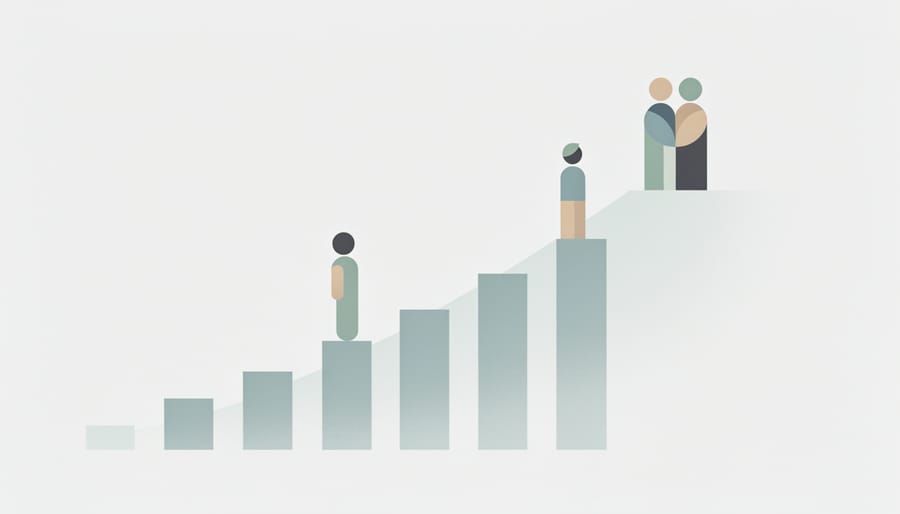
Tapering off benzodiazepines is a journey that requires patience, but it’s absolutely achievable with the right support and guidance. Thousands of Canadians have successfully discontinued these medications using gradual, carefully planned approaches. Remember that withdrawal symptoms, while uncomfortable, are temporary and manageable when you work closely with your healthcare provider.
You don’t have to navigate this process alone. Your doctor, pharmacist, and mental health professionals are valuable partners who can adjust your tapering schedule, provide symptom management strategies, and offer encouragement along the way. Many communities also offer support groups where you can connect with others who understand what you’re experiencing.
Everyone’s tapering timeline is different, and that’s perfectly normal. What matters most is moving forward at a pace that feels safe and sustainable for you. Be compassionate with yourself throughout this process, celebrate small victories, and don’t hesitate to reach out for help when you need it.
If you’re considering tapering off benzodiazepines, the best first step is having an honest conversation with your healthcare provider. Together, you can create a personalized plan that prioritizes your safety, addresses your concerns, and sets you up for long-term success.