
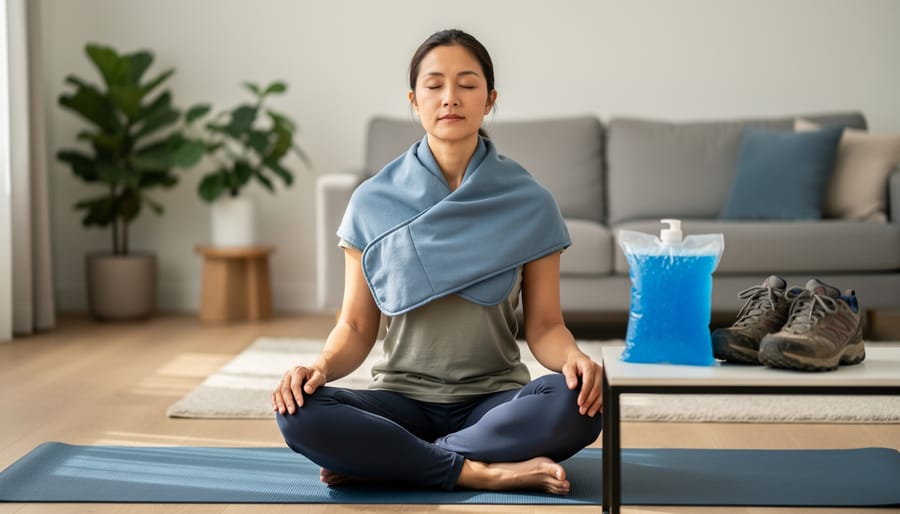
Apply heat or cold therapy directly to painful areas—a warm compress increases blood flow to soothe stiff joints and muscles, while ice packs reduce inflammation and numb acute pain within 15-20 minute sessions. Practice deep breathing exercises by inhaling slowly through your nose for four counts, holding for four, then exhaling for six counts to activate your body’s natural relaxation response and reduce pain perception. Engage in gentle movement like walking, swimming, or stretching for 20-30 minutes daily to release endorphins, your body’s natural pain relievers, while strengthening muscles that support painful areas.
Pain doesn’t always require a prescription. While medications serve important purposes, non-pharmacological approaches offer Canadians safe, effective alternatives that address pain’s physical and emotional dimensions without side effects or dependency risks. Research consistently demonstrates that combining multiple non-drug strategies often provides superior relief compared to relying solely on medications.
These evidence-based techniques work by interrupting pain signals, reducing inflammation, releasing natural pain-fighting chemicals, and retraining how your nervous system processes discomfort. Whether you’re managing arthritis, back pain, headaches, or recovering from injury, integrating these methods into your routine empowers you to take active control of your well-being. From physical therapies and mind-body practices to complementary approaches supported by Canadian healthcare providers, you’ll discover practical solutions tailored to your unique needs and preferences. The following guide provides clear, actionable strategies to help you build a personalized pain management toolkit that works alongside or instead of medication.
Understanding Pain and How Your Body Responds
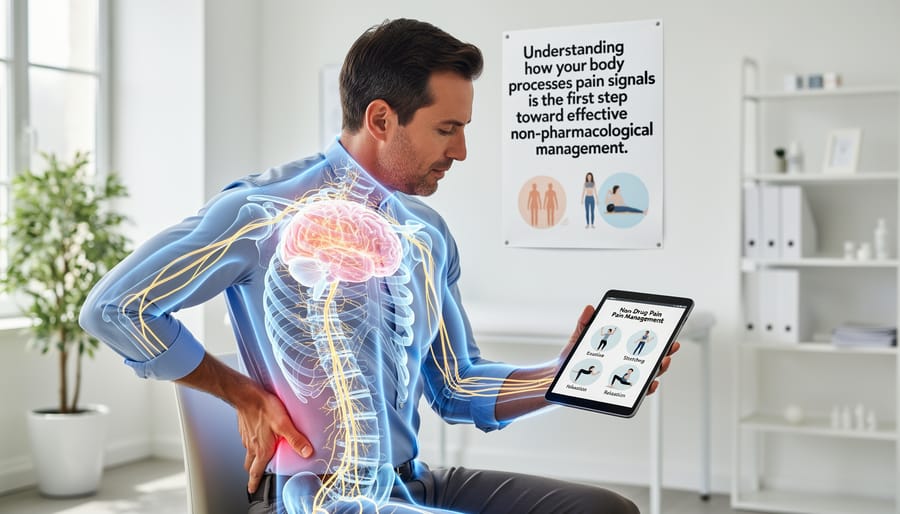
The Mind-Body Connection in Pain Management
Pain isn’t just a physical sensation—it’s a complex experience shaped by both body and mind. Research consistently shows that our thoughts, emotions, and stress levels directly influence how intensely we feel pain. When you’re anxious or stressed, your nervous system becomes more sensitive, amplifying pain signals. Conversely, positive emotions and relaxation can reduce pain perception by releasing natural pain-relieving chemicals in your body.
This mind-body connection explains why non-pharmacological approaches are so effective. Techniques that address mental health, like cognitive behavioural therapy, can literally change how your brain processes pain signals. Similarly, physical interventions such as exercise and massage don’t just treat sore muscles—they also improve mood and reduce stress hormones that intensify discomfort.
Understanding this relationship empowers you to take an active role in managing your pain. By combining physical therapies with psychological strategies, you’re addressing pain from multiple angles, often achieving better results than medication alone. This integrated approach recognizes that treating the whole person—not just the symptom—leads to more sustainable pain relief and improved overall wellbeing.
Physical Therapies That Reduce Pain

Movement and Exercise Therapy
Physical activity is one of the most effective ways to manage chronic pain, though it may seem counterintuitive when you’re hurting. Exercise works by releasing natural pain-relieving chemicals called endorphins, reducing inflammation, strengthening muscles that support painful areas, and improving your overall physical function.
Different types of movement benefit various pain conditions. Low-impact aerobic activities like walking, swimming, or cycling help with widespread pain conditions such as fibromyalgia by improving cardiovascular health without stressing joints. Strengthening exercises build muscle support around painful joints and the spine, particularly helpful for arthritis and back pain. Stretching and flexibility work, including gentle yoga, increases range of motion and reduces muscle tension that contributes to pain.
Starting safely is essential to avoid setbacks. Begin with just 5-10 minutes of gentle activity daily, gradually increasing duration and intensity over weeks. The “start low, go slow” approach prevents flare-ups that might discourage you from continuing. If you experience sharp pain or significant increased discomfort lasting more than two hours after exercise, you’ve likely done too much.
Consulting a physiotherapist or exercise professional experienced in pain management can provide personalized guidance. They’ll assess your specific condition and design a program that addresses your limitations while building strength and endurance. Many community centres across Canada offer adapted fitness programs specifically for people living with chronic pain.
Remember that some temporary discomfort when starting exercise is normal and different from harmful pain. Consistency matters more than intensity—regular gentle movement beats occasional vigorous activity for long-term pain relief.
Heat and Cold Applications
Heat and cold therapy are simple, accessible pain relief methods that work through different mechanisms. Cold therapy, or cryotherapy, reduces inflammation and numbs pain by constricting blood vessels. It’s most effective within the first 48-72 hours after an acute injury, such as sprains, strains, or post-exercise soreness. Apply ice packs wrapped in a thin towel for 15-20 minutes at a time, several times daily. Never apply ice directly to skin to avoid tissue damage.
Heat therapy increases blood flow, relaxes muscles, and reduces stiffness. It works best for chronic pain conditions like arthritis, muscle tension, and back pain. Use heating pads, warm baths, or heat wraps for 15-20 minutes. Heat is particularly helpful before stretching or physical activity to improve flexibility.
A helpful rule: use cold for new injuries and inflammation, heat for ongoing muscle pain and stiffness. Some conditions benefit from contrast therapy, alternating between heat and cold. Always check with a healthcare provider if you have diabetes, circulation problems, or reduced skin sensation, as these conditions increase risk of burns or frostbite. Both methods are cost-effective, have minimal side effects when used properly, and can be easily incorporated into your daily routine for ongoing pain management.
Massage and Manual Therapy
Therapeutic massage offers evidence-based pain relief by reducing muscle tension, improving circulation, and promoting relaxation. Studies show that regular massage can effectively manage chronic pain conditions like lower back pain, arthritis, and fibromyalgia. The gentle manipulation of soft tissues triggers the release of endorphins, your body’s natural pain relievers, while decreasing stress hormones like cortisol.
Consider seeking professional help from a registered massage therapist when experiencing persistent pain lasting more than a few weeks, pain that interferes with daily activities, or conditions requiring specialized techniques. In Canada, many insurance plans cover massage therapy when prescribed by a healthcare provider, making it an accessible option for pain management.
Between professional sessions, simple self-massage techniques can provide relief. For neck tension, use your fingertips to apply gentle circular pressure along the base of your skull. For foot pain, roll a tennis ball under your arch while seated. When addressing sore shoulders, use your opposite hand to knead the affected area with firm but comfortable pressure. Always move slowly and stop if you experience sharp or worsening pain. Combining self-massage with deep breathing enhances relaxation and pain relief, creating a practical tool you can use whenever discomfort arises.
Mind-Based Pain Management Techniques
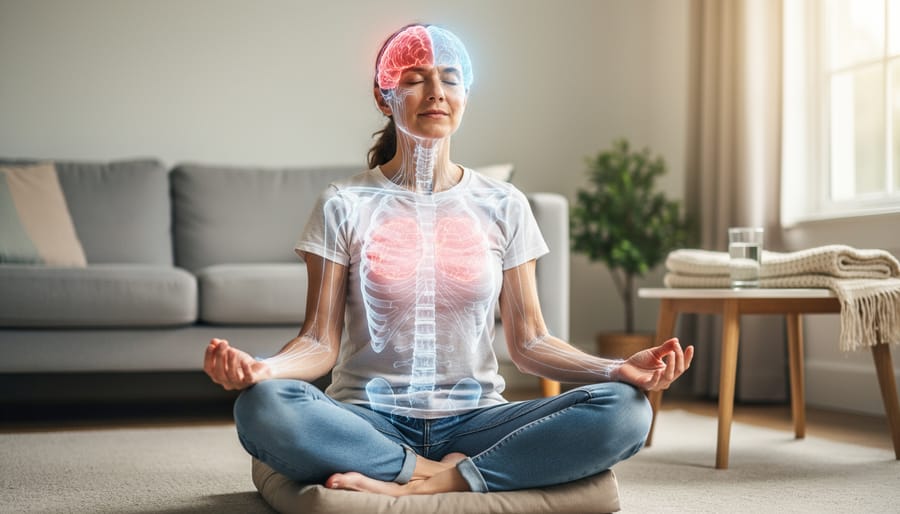
Mindfulness and Meditation
Mindfulness and meditation offer powerful tools for managing pain by changing how your brain processes pain signals. Research shows that regular mindfulness practice can reduce pain intensity by up to 30% and significantly improve quality of life for people with chronic conditions.
When you practice mindfulness, you learn to observe pain sensations without judgment or emotional reaction. This mental shift helps break the cycle where pain triggers stress, which then amplifies pain perception. Studies conducted at Canadian universities have demonstrated that mindfulness-based stress reduction programs help people experience less pain-related distress and disability.
Starting a mindfulness practice doesn’t require special equipment or extensive training. Begin with just five minutes daily of focused breathing: sit comfortably, close your eyes, and pay attention to each breath moving in and out of your body. When your mind wanders to pain or other thoughts, gently redirect your focus back to breathing without criticism.
Body scan meditation is particularly helpful for pain management. Lie down and systematically focus attention on each body part, from toes to head, observing sensations without trying to change them. Many Canadians find guided meditation apps helpful when starting out, as they provide structure and support. Consistency matters more than duration, so aim for daily practice even if brief, gradually building your skills over time.
Cognitive Behavioral Approaches
Cognitive Behavioral Therapy (CBT) offers powerful tools for managing pain by addressing the connection between thoughts, emotions, and physical sensations. Research shows that how we think about pain directly influences how much we suffer from it. When pain persists, it’s common to develop negative thought patterns like catastrophizing (“This will never get better”) or all-or-nothing thinking (“I can’t do anything because of this pain”). These thoughts can actually amplify pain signals and increase distress.
CBT techniques help you identify and challenge these unhelpful patterns. One practical approach is thought reframing: when you notice a negative thought about your pain, pause and ask yourself if there’s a more balanced perspective. For example, instead of “I’m completely helpless,” try “I’m learning new ways to manage this.” Another effective technique is pacing, where you break activities into manageable chunks rather than pushing through pain or avoiding activity entirely.
Mindfulness practices complement CBT by teaching you to observe pain sensations without judgment or fear. Rather than fighting against discomfort, you learn to acknowledge it while focusing on what you can still control and enjoy in your life. Many Canadians find that working with a psychologist trained in CBT for chronic pain provides personalized strategies and ongoing support. These approaches don’t eliminate pain, but they can significantly reduce suffering and improve your quality of life.
Breathing Exercises and Relaxation
Controlled breathing exercises offer a powerful, accessible way to manage pain by calming your nervous system and reducing stress hormones that can amplify discomfort. When practiced regularly, these techniques help interrupt the pain-stress cycle and promote natural pain relief.
Deep diaphragmatic breathing is particularly effective. Sit or lie comfortably, place one hand on your chest and the other on your belly. Breathe in slowly through your nose for a count of four, letting your belly rise while your chest remains relatively still. Hold briefly, then exhale slowly through your mouth for a count of six. This activates your body’s relaxation response and can significantly reduce pain perception within minutes.
The 4-7-8 technique is another evidence-based approach: inhale for four counts, hold for seven, and exhale for eight. This pattern helps reduce anxiety and muscle tension associated with chronic pain.
Box breathing, used by healthcare professionals in high-stress situations, involves equal counts of inhaling, holding, exhaling, and holding again, typically four counts each. This method provides structure and focus, distracting from pain while promoting physiological calm.
These breathing exercises work well alongside other stress relief techniques. Practice for five to ten minutes daily, gradually increasing duration as you become comfortable. Many Canadians find combining breathing exercises with gentle movement or meditation enhances their pain management results.
Complementary Therapies with Growing Evidence
Acupuncture and Acupressure
Acupuncture involves inserting thin needles at specific points on the body, while acupressure applies physical pressure to these same points. Research shows both techniques can effectively manage various pain conditions by stimulating the body’s natural pain-relieving mechanisms and promoting healing.
Current evidence strongly supports acupuncture for chronic low back pain, neck pain, osteoarthritis, and headaches including migraines. Studies indicate acupuncture may reduce pain intensity by 30-50% compared to no treatment. Acupressure shows promise for tension headaches, labor pain, and post-operative discomfort, though evidence is less robust than for acupuncture.
These techniques appear most effective for musculoskeletal conditions, tension-type headaches, and menstrual pain. Results typically require multiple sessions, with some people experiencing relief after 3-4 treatments while others need 8-12 sessions.
In Canada, look for registered acupuncturists through provincial regulatory bodies. Most provinces require practitioners to complete accredited training programs. Many extended health insurance plans cover acupuncture when performed by qualified practitioners. Physiotherapists and chiropractors may also offer these services as part of comprehensive treatment plans.
Before starting treatment, discuss your pain condition with your healthcare provider to ensure acupuncture or acupressure complements your overall pain management strategy. Keep a pain diary to track your progress objectively.
TENS Therapy and Neuromodulation
Transcutaneous Electrical Nerve Stimulation (TENS) therapy uses a small, battery-operated device to deliver mild electrical pulses through electrodes placed on your skin. These gentle currents work by interrupting pain signals before they reach your brain, following the “gate control theory” of pain management. The stimulation may also encourage your body to produce endorphins, natural pain-relieving chemicals.
TENS units are widely accessible across Canada. You can purchase them at pharmacies, medical supply stores, and online retailers, with prices typically ranging from $30 to $200. While some extended health insurance plans cover TENS units, checking your specific coverage is worthwhile. No prescription is required for purchase, though consulting a physiotherapist or healthcare provider first ensures proper electrode placement and settings for your condition.
Research shows TENS therapy can benefit people managing chronic pain conditions like arthritis, lower back pain, fibromyalgia, and nerve pain. It’s also used for acute pain from injuries or post-surgical recovery. The therapy is generally safe with minimal side effects, though it’s not recommended for people with pacemakers or during pregnancy without medical supervision.
Most users need 20-30 minute sessions, which can be repeated several times daily as needed, making TENS a convenient option for managing pain at home or work.
Other Emerging Approaches
Several other evidence-based approaches show promise for pain management. Yoga combines gentle movement, stretching, and breathing exercises, with research demonstrating effectiveness for chronic lower back pain and arthritis. Studies suggest regular practice can reduce pain intensity while improving flexibility and mood. Tai chi, a gentle martial art featuring slow, flowing movements, has proven particularly helpful for older adults managing arthritis and fibromyalgia, offering the added benefit of improved balance and reduced fall risk.
Biofeedback teaches you to control certain body responses like muscle tension and heart rate through real-time monitoring. Many pain clinics across Canada offer this technique, which works well for tension headaches and chronic pain conditions. Progressive muscle relaxation, where you systematically tense and release muscle groups, helps reduce overall tension and pain-related stress. These techniques are generally safe, can be learned relatively quickly, and integrate easily into daily routines, making them practical complements to other pain management strategies.
Nutrition and Lifestyle Factors in Pain Management

Anti-Inflammatory Foods and Pain
Certain foods contain natural compounds that can help reduce inflammation in your body, potentially easing chronic pain. Omega-3 fatty acids found in fatty fish like salmon, mackerel, and sardines have strong anti-inflammatory properties. Canadian-caught wild salmon is an excellent local option. Aim for two servings of fatty fish per week.
Colourful fruits and vegetables rich in antioxidants also combat inflammation. Berries, leafy greens, tomatoes, and cherries are particularly beneficial. Canadian blueberries and Saskatchewan-grown lentils are affordable, nutrient-dense choices available year-round, either fresh or frozen.
Whole grains like oats and quinoa, along with nuts such as walnuts and almonds, provide fiber and healthy fats that support reduced inflammation. Turmeric and ginger add both flavour and anti-inflammatory benefits to meals.
For practical meal ideas, try a breakfast of oatmeal topped with walnuts and berries, a lunch salad with mixed greens, grilled salmon, and olive oil dressing, or a dinner of baked fish with roasted vegetables and quinoa.
While these foods support overall wellness and may help manage pain, they work best as part of a balanced diet combined with other pain management strategies. Results vary between individuals, so monitor how different foods affect your symptoms and consult a healthcare provider or registered dietitian for personalized guidance.
Sleep, Stress, and Pain Relief
Sleep quality, stress levels, and pain intensity are deeply interconnected in a cycle that can either worsen or improve your overall well-being. Poor sleep amplifies pain perception, making discomfort feel more intense, while chronic pain disrupts restorative sleep. Similarly, elevated stress triggers muscle tension and inflammation, heightening pain sensitivity and interfering with sleep patterns.
Breaking this cycle requires addressing all three components simultaneously. Establishing consistent sleep schedules, creating a dark and cool bedroom environment, and limiting screen time before bed can significantly improve sleep quality. Research shows that even modest improvements in sleep duration and quality can reduce pain intensity by up to 30 percent.
Implementing holistic stress management techniques such as deep breathing exercises, progressive muscle relaxation, or mindfulness meditation helps calm your nervous system and reduce pain-related tension. Just 10-15 minutes of daily practice can lower cortisol levels and decrease pain perception.
Consider keeping a sleep and pain journal to identify patterns and triggers. This practical tool helps you recognize which activities, foods, or stressors worsen your symptoms, empowering you to make informed lifestyle adjustments that support better sleep, reduced stress, and effective pain management.
Building Your Personal Pain Management Plan
Starting Safely and Setting Realistic Expectations
Starting non-pharmacological pain management requires patience and a thoughtful approach. Begin by selecting one or two techniques that appeal to you and fit your lifestyle, rather than trying everything at once. For example, if you’re drawn to physical approaches, you might start with gentle stretching or a short daily walk. Keep a simple pain journal to track what you try and how you feel afterward.
Results vary depending on the technique and your individual circumstances. Some methods like heat therapy or deep breathing may provide immediate relief, while others like physiotherapy or mindfulness meditation typically require four to eight weeks of consistent practice before noticeable improvements occur. Setting realistic expectations helps maintain motivation during this adjustment period.
Watch for warning signs that require medical attention: pain that suddenly worsens, new numbness or tingling, difficulty controlling your bladder or bowels, unexplained fever, or pain following an injury. If a technique causes increased pain or discomfort beyond mild muscle soreness, stop and consult your healthcare provider.
Consider working with qualified professionals such as physiotherapists, chiropractors, or registered massage therapists who can ensure you’re using techniques correctly and safely. Many extended health insurance plans in Canada cover these services. Remember, non-pharmacological approaches work best when combined with appropriate medical care and lifestyle modifications tailored to your specific needs.
Accessing Resources in Canada
Many Canadians can access non-pharmacological pain management through various coverage options and community resources. Provincial health insurance plans typically cover physiotherapy and some massage therapy when referred by a physician, though coverage limits vary by province. Extended health benefits through employers often include acupuncture, chiropractic care, and psychological services for pain management.
To find qualified practitioners, check professional regulatory colleges in your province, which maintain directories of licensed professionals. Organizations like the Canadian Physiotherapy Association and the Canadian Pain Society offer searchable databases of certified practitioners specializing in pain management.
For those seeking affordable options, community health centres across Canada frequently provide sliding-scale fees based on income. Many physiotherapy and psychology training clinics attached to universities offer supervised treatments at reduced rates. Public libraries often host free programs including gentle exercise classes, meditation workshops, and chronic pain support groups. Some provinces also provide chronic pain self-management programs at no cost through health authorities. Additionally, numerous evidence-based apps and online resources offer guided relaxation exercises, mindfulness training, and pain tracking tools free of charge, making these techniques accessible to everyone regardless of budget constraints.
Taking control of your pain doesn’t mean you have to rely solely on medications. As you’ve learned, numerous evidence-based non-pharmacological approaches can provide meaningful relief, from physical therapies and exercise to mindfulness practices and complementary treatments. The key is finding the right combination that works for your unique situation.
Remember that you don’t have to navigate this journey alone. Working closely with your healthcare provider is essential to developing a safe, effective pain management plan tailored to your needs. Be open about what you’re experiencing and which techniques you’d like to try. Many Canadian healthcare professionals are increasingly supportive of integrative approaches that combine conventional and complementary therapies.
Start small by choosing one or two techniques that resonate with you, and give them time to work. Pain management is often a gradual process, and what works may evolve over time. Whether you’re dealing with acute discomfort or chronic pain, effective relief without medications or with reduced medication use is achievable for many Canadians. Your commitment to exploring these options is an important step toward improved well-being and a better quality of life.