

Combine deliberate breathing with slow, intentional movement to activate your body’s natural relaxation response within minutes. Start with simple practices like tai chi or walking meditation, focusing on each breath and physical sensation rather than rushing toward a destination or workout goal.
Ground yourself in the present moment by scanning your body from head to toe during movement, noticing areas of tension and consciously releasing them with each exhale. This mind-body connection reduces cortisol levels while improving balance, flexibility, and cardiovascular health—benefits supported by research from Health Canada showing that mindful movement practices lower rates of anxiety, depression, and chronic inflammation.
Practice five to ten minutes daily rather than attempting hour-long sessions. Consistency matters more than duration, and brief regular practice rewires neural pathways that support stress management and emotional regulation. Choose movements that feel natural to your current fitness level, whether that’s gentle stretching, yoga flows, or mindful walking through your neighborhood.
Create a distraction-free environment by turning off devices and selecting a quiet space where you can move without interruption. This dedicated time signals to your nervous system that you’re prioritizing restoration, triggering the parasympathetic response that counteracts chronic stress patterns common in modern Canadian lifestyles.
Track improvements in sleep quality, pain levels, and mood rather than calories burned or distance covered. Zen mindful movement offers profound health benefits that extend beyond traditional fitness metrics, supporting chronic disease prevention through stress reduction, improved immune function, and enhanced mental clarity that carries into daily activities and decision-making.
What Is Zen Mindful Movement?
The Core Principles
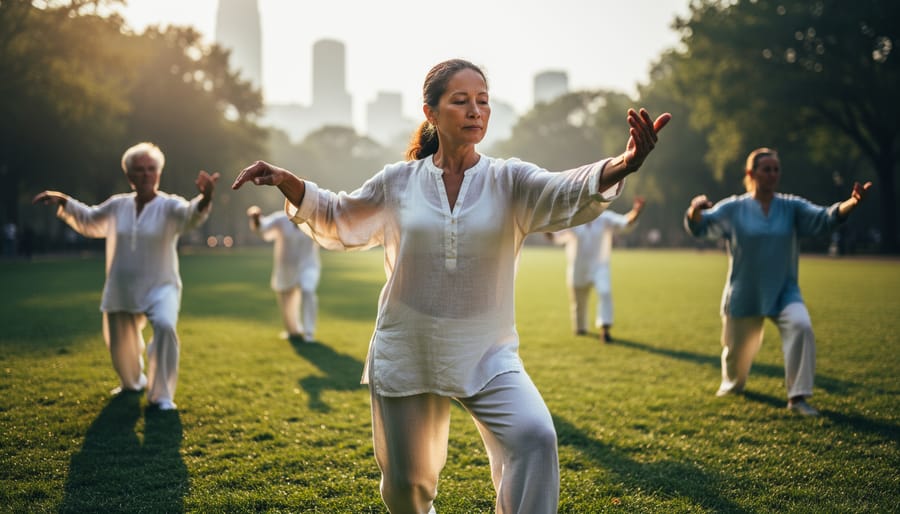
Zen mindful practice rests on four interconnected elements that work together to create a complete mind-body experience. The foundation starts with breath coordination, where you synchronize your breathing with each movement. This rhythmic breathing helps calm your nervous system and anchors your attention to the present moment.
Mental presence forms the second principle, requiring you to focus fully on what you’re doing right now rather than worrying about past or future concerns. This focused awareness reduces stress and enhances the benefits of your practice.
Slow, deliberate movements characterize the third element. Unlike rushed exercise, zen mindful activities emphasize quality over speed, allowing you to move with intention and control. This measured pace prevents injury while building strength and flexibility.
Body awareness completes these mindful movement principles. By tuning into physical sensations, muscle engagement, and your body’s position in space, you develop a deeper connection with yourself. Together, these four principles create a practice that supports both mental clarity and physical wellbeing, making zen mindful movement an accessible path toward better health for Canadians at any fitness level.
How It Differs from Traditional Exercise
Traditional exercise typically focuses on measurable outcomes like calories burned, muscle gain, or improved cardiovascular endurance. The emphasis is often on pushing limits, tracking performance metrics, and achieving specific fitness goals. While these approaches offer valuable benefits, they can sometimes disconnect you from your body’s signals and create a competitive mindset.
Zen mindful movement takes a different approach. Rather than prioritizing speed or intensity, it emphasizes present-moment awareness and the quality of each movement. You’re encouraged to notice how your body feels, observe your breath, and move with intention rather than rushing through repetitions. There’s no need to compare yourself to others or meet predetermined targets.
This practice welcomes all fitness levels and abilities. You won’t find rigid rules about how far to stretch or how long to hold a pose. Instead, you learn to respect your body’s current capacity and make adjustments that feel right for you. The goal isn’t perfection or exhaustion—it’s cultivating a deeper connection between your mind and body while supporting both physical and mental wellbeing. This gentler approach can be particularly beneficial for Canadians managing chronic conditions or seeking sustainable, lifelong movement practices.
The Mental Health Benefits of Zen Mindful Movement
Stress Reduction and Anxiety Relief
Stress affects nearly one-quarter of Canadians daily, according to Statistics Canada, making effective stress management essential for our wellbeing. Zen mindful movement offers a natural, accessible solution by directly targeting your body’s stress response system.
When you engage in mindful movement practices, you activate your parasympathetic nervous system—often called the “rest and digest” system. This activation signals your body to shift away from the fight-or-flight stress response, creating immediate feelings of calm and relaxation. Research shows that consistent practice reduces cortisol, your primary stress hormone, helping to break the cycle of chronic stress that contributes to numerous health conditions.
The mental health benefits extend beyond temporary relief. Regular practitioners report improved emotional regulation, better sleep quality, and enhanced resilience when facing daily challenges. The gentle, flowing movements combined with focused breathing create a meditation-in-motion experience that quiets racing thoughts and promotes inner peace.
Unlike high-intensity workouts that can temporarily elevate cortisol, zen mindful movement provides stress relief without adding physical strain, making it suitable for anyone seeking to manage anxiety naturally and effectively.
Improved Focus and Mental Clarity
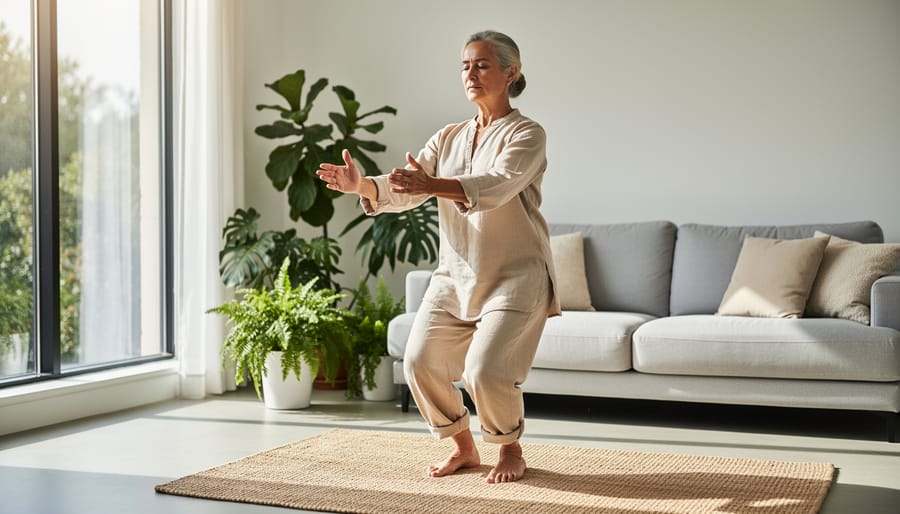
One of the most valuable benefits of zen mindful movement is its positive impact on your brain function. Regular practice helps train your mind to stay present, which naturally strengthens your ability to concentrate on tasks throughout your day. Many Canadians report experiencing less mental fog and finding it easier to tackle complex problems after incorporating these practices into their routines.
Research shows that mindful movement practices can actually change how your brain processes information. When you focus on coordinating breath with movement, you’re essentially giving your brain a workout in sustained attention. This skill transfers to other areas of your life, from work projects to important conversations with loved ones.
The practice also creates space between your thoughts and reactions, leading to more thoughtful decision-making. Instead of responding impulsively to stressful situations, you develop the ability to pause and choose your response. This mental clarity proves especially helpful when managing health goals or navigating daily challenges.
Even short sessions of 10-15 minutes can produce noticeable improvements in focus. The key is consistency rather than duration. As you continue practicing, you’ll likely find that the mental benefits extend well beyond your practice time, supporting better cognitive function throughout your entire day.
Better Sleep Quality
If you struggle with falling asleep or staying asleep through the night, zen mindful movement may offer a natural solution. Research shows that approximately one in three Canadians experiences sleep problems, with many turning to medication for relief. However, regular mindful movement practice provides a drug-free alternative that addresses the root causes of poor sleep.
The slow, deliberate movements combined with focused breathing help activate your parasympathetic nervous system, which signals your body to relax and prepare for rest. This process naturally reduces cortisol levels and calms racing thoughts that often interfere with sleep. Studies indicate that people who practice mindful movement exercises regularly fall asleep faster and experience fewer nighttime awakenings.
The benefits extend beyond just falling asleep. Mindful movement helps establish a healthy sleep-wake cycle by regulating your circadian rhythm. When practiced in the evening, these gentle exercises create an effective wind-down routine that transitions your body from daytime activity to nighttime rest. Many practitioners report feeling more refreshed upon waking and experiencing improved energy levels throughout the day. For best results, aim to practice for 15 to 20 minutes approximately two hours before bedtime, allowing your body temperature and heart rate to naturally settle into sleep-ready levels.
Physical Health Benefits You Can Feel
Cardiovascular Health and Blood Pressure
Gentle, mindful movement practices offer significant benefits for your heart without the demands of high-intensity exercise. Research shows that regular low-impact activities like tai chi and mindful walking can lower systolic blood pressure by 5-10 mmHg, comparable to some medications. These practices work by activating your parasympathetic nervous system, which helps blood vessels relax and improves circulation throughout your body.
The sustained, flowing movements enhance cardiovascular function by strengthening your heart’s efficiency rather than stressing it. Studies from Canadian health institutions demonstrate that participants practicing mindful movement for 12 weeks experienced improved arterial flexibility and reduced resting heart rates. The breathing techniques integrated into these practices further support heart health by optimizing oxygen delivery to tissues.
This makes zen mindful movement particularly valuable if you’re managing hypertension, recovering from cardiac events, or simply want to protect your heart health as you age. The gentle approach allows you to build cardiovascular strength safely and sustainably.
Balance, Flexibility, and Fall Prevention
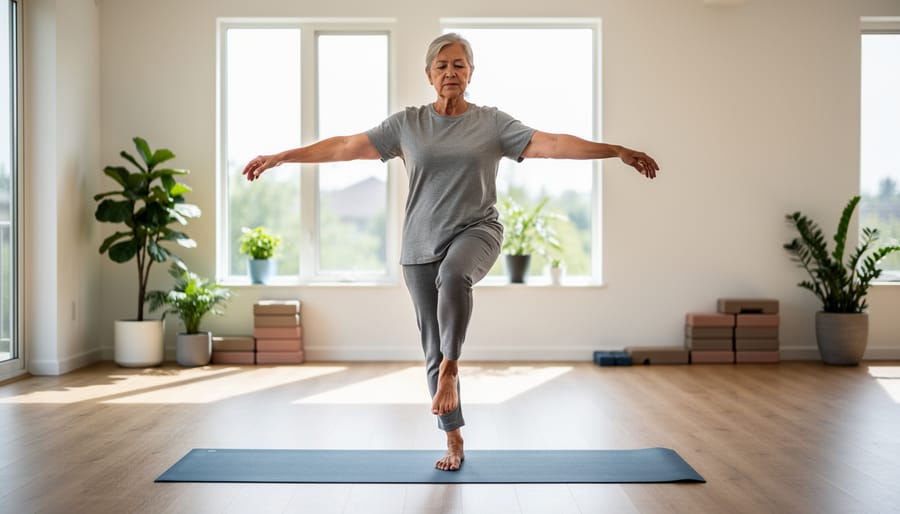
For aging Canadians, zen mindful movement offers significant protection against falls and mobility challenges. Regular practice strengthens proprioception—your body’s awareness of its position in space—which naturally declines with age. Research shows that mindful movement practices can reduce fall risk by up to 43% in older adults through improved balance and coordination.
The gentle, deliberate movements increase flexibility in joints and muscles, helping maintain range of motion that’s essential for daily activities. Unlike high-impact exercises, zen mindful movement allows you to build stability at your own pace while respecting your body’s limitations.
Canadian healthcare providers increasingly recommend these practices as preventive care. Just 15-20 minutes daily can enhance muscle strength in your legs and core, the key areas for maintaining independence. The combination of focused breathing and slow, controlled movements also helps you respond more effectively to unexpected balance challenges, giving you greater confidence in your everyday movements.
Chronic Pain Management
For Canadians living with chronic pain conditions like arthritis, back pain, or fibromyalgia, zen mindful movement offers a gentle yet effective approach to pain management. Research shows that combining slow, deliberate movements with focused awareness can reduce pain intensity while improving physical function.
The practice works by strengthening muscles that support painful joints and regions without causing additional strain. Unlike high-impact exercise, zen mindful movements are performed slowly and within your comfortable range of motion, making them safe for sensitive areas. This gradual strengthening helps stabilize joints and reduce inflammation over time.
The mind-body connection central to this practice also changes how your brain processes pain signals. By directing attention to breath and movement rather than discomfort, you can reduce the emotional distress associated with chronic pain. Studies indicate that regular practitioners experience improved pain tolerance and reduced reliance on pain medication.
Starting with just 10 minutes daily, you can build a sustainable practice that supports long-term pain management while maintaining mobility and independence.
Immune System Support
Mindful movement practices offer powerful support for your immune system by reducing chronic stress and lowering inflammation throughout your body. Research shows that stress reduction techniques can decrease cortisol levels, a hormone that suppresses immune function when elevated over time. Regular practice helps activate your parasympathetic nervous system, creating the relaxed state your body needs for optimal immune response.
Studies demonstrate that mindful movement practices can reduce inflammatory markers in the blood, which play a role in many chronic diseases including heart disease, diabetes, and arthritis. Even short daily sessions of 10-15 minutes can make a measurable difference. The gentle, flowing movements combined with focused breathing increase circulation, helping immune cells travel more efficiently throughout your body to fight off infections and repair damage.
For Canadians concerned about preventing illness, especially during cold and flu season, incorporating these practices into your routine provides a natural, evidence-based way to strengthen your defenses while simultaneously reducing stress and improving overall wellbeing.
Getting Started: Practical Tips for Canadians
Simple Practices You Can Try Today
Ready to experience zen mindful movement right now? These beginner-friendly practices require no special equipment and can be done in just a few minutes. Start with whichever feels most comfortable for you.
Begin with mindful walking, a perfect way to connect movement and awareness. Choose a quiet space, either indoors or outdoors. Walk slowly, noticing how your feet contact the ground with each step. Feel your weight shift from heel to toe. Keep your gaze soft and focused a few feet ahead. Breathe naturally and complete this practice for five minutes. This simple exercise combines the outdoor exercise benefits with mindfulness when practiced outside.
Next, try basic breath-movement coordination. Stand comfortably with feet hip-width apart. As you inhale slowly through your nose, raise your arms out to the sides and up overhead. Exhale through your mouth while lowering your arms back down. Match your breath length to your movement speed. Repeat for five to eight cycles. This practice helps synchronize your breath with physical motion, a cornerstone of zen mindful movement.
Finally, practice gentle neck and shoulder stretches with awareness. Sit upright and slowly tilt your head toward your right shoulder. Hold for three breaths, noticing any sensations without judgment. Return to center and repeat on the left side. Roll your shoulders backward five times, maintaining focus on the movement itself rather than any distractions.
Finding Classes and Resources in Canada
Finding qualified zen mindful movement instruction in Canada is accessible regardless of your location or budget. Many community centers, yoga studios, and wellness facilities across major cities like Toronto, Vancouver, and Montreal offer tai chi, qigong, and mindful yoga classes. Contact your local recreation department to inquire about affordable group sessions, which often cost between $5-15 per class.
For rural residents or those preferring home practice, numerous online platforms provide quality instruction. Apps like Insight Timer and Calm offer free guided meditations and movement sessions. YouTube channels featuring certified instructors can guide you through basic practices at no cost.
When selecting an instructor, look for proper certification from recognized organizations such as the Canadian Yoga Alliance or tai chi associations. Many practitioners now offer virtual classes, expanding access across provinces.
Libraries throughout Canada provide free access to instructional books and DVDs on mindful movement practices. Provincial health authorities sometimes sponsor wellness programs that include these practices, particularly for seniors and individuals managing chronic conditions. Check with your healthcare provider about covered or subsidized options through extended health benefits.
Making It a Sustainable Habit
Building a lasting zen mindful practice doesn’t require dramatic life changes. Research shows that starting with just 5-10 minutes daily is more effective than sporadic longer sessions. Choose a time that fits naturally into your routine, whether that’s morning stretches before coffee or gentle movement during lunch breaks.
Track your progress in a simple way that feels supportive rather than judgmental. A check mark on your calendar or brief notes about how you felt can provide motivation without pressure. Remember that missing a day doesn’t mean failure—consistency matters more than perfection.
Consider pairing your practice with an existing habit, like doing mindful breathing after brushing your teeth. This technique, called habit stacking, helps cement new behaviours. As the practice becomes more comfortable, you can gradually increase duration. The key is making zen mindful movement accessible and sustainable for your unique lifestyle, allowing the benefits to naturally unfold over time.
Integrating Zen Mindful Movement into Your Wellness Routine
Pairing with Nutrition for Maximum Benefits
Combining zen mindful movement with thoughtful nutrition enhances the benefits of both practices. Mindful eating involves bringing the same present-moment awareness to your meals that you cultivate during movement practice. This means savoring each bite, noticing flavors and textures, and recognizing your body’s hunger and fullness signals.
For optimal results, practice zen mindful movement on a light stomach. Wait at least one to two hours after a substantial meal to allow for comfortable digestion. If you need energy beforehand, choose a small, easily digestible snack like a banana or handful of nuts about 30 minutes prior.
Hydration plays an essential role in your practice. Drink water throughout the day, aiming for adequate intake before your session. Keep water nearby during practice for small sips as needed, especially in warmer environments. Proper hydration supports concentration, physical performance, and recovery.
After your practice, replenish with water and consider a balanced snack combining protein and carbohydrates to support muscle recovery and sustained energy levels.
Complementing Your Existing Fitness Program
Mindful movement works beautifully alongside your existing fitness routine rather than replacing it. Think of it as a valuable complement to more vigorous activities. Incorporate 10-15 minutes of mindful movement as a warm-up before strength training or cardio to prepare your body and mind for exercise. Alternatively, use it as a cool-down to gradually lower your heart rate while improving flexibility.
Mindful movement also excels as recovery workouts between intense training days. These gentler sessions support muscle recovery while keeping you active and reducing injury risk.
Many Canadians wonder if mindful movement provides enough exercise on its own. While it offers significant stress reduction and flexibility benefits, combining it with moderate aerobic activity and strength training creates a well-rounded fitness program. The Canadian Physical Activity Guidelines recommend 150 minutes of moderate to vigorous activity weekly, and mindful movement can count toward this goal while addressing often-overlooked aspects of wellness like body awareness and mental clarity.
The beauty of zen mindful movement lies in its accessibility. You don’t need expensive equipment, a gym membership, or hours of free time to experience its transformative benefits. Whether you’re managing a chronic condition, looking to reduce stress, or simply wanting to feel more connected to your body, this practice offers a gentle yet powerful pathway to better health.
Starting your journey doesn’t require perfection. Begin with just five minutes of mindful breathing or gentle stretching. Pay attention to how your body feels as you move. Notice your thoughts without judgment. These small moments of awareness create the foundation for lasting change. Consistency matters more than intensity—practicing for a few minutes daily delivers better results than occasional longer sessions.
The dual benefits of zen mindful movement make it uniquely valuable for Canadian health priorities. Research shows it effectively reduces symptoms of anxiety and depression while simultaneously improving flexibility, balance, and cardiovascular health. You’re not choosing between mental wellness and physical fitness; you’re nurturing both together.
Remember that every expert practitioner once took their first uncertain breath, their first awkward movement. What matters is that you begin. By incorporating zen mindful movement into your routine, you’re taking meaningful control of your wellbeing. You’re investing in a healthier, more balanced future—one mindful breath and movement at a time. Your journey toward better mental and physical health starts whenever you’re ready to take that first step.