

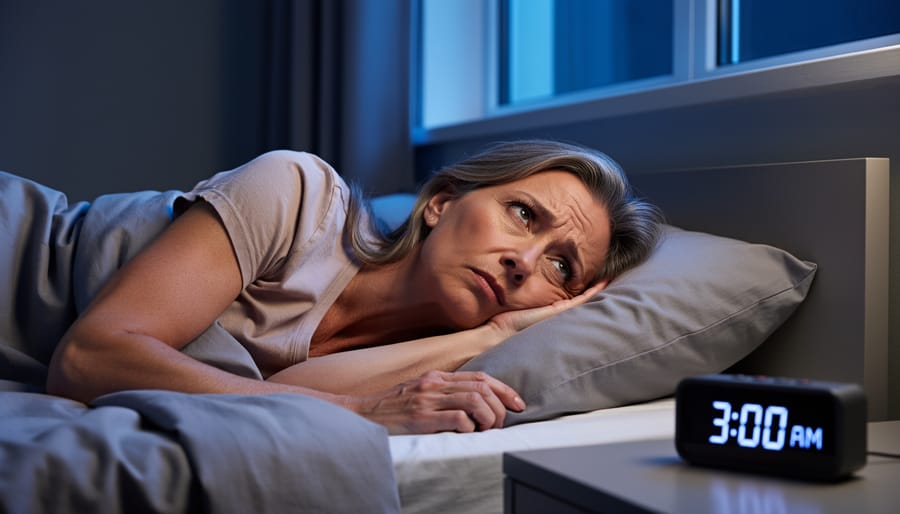
You’re waking up at 3 a.m. drenched in sweat, staring at the ceiling while your mind races. Your once-reliable sleep pattern has become unpredictable, leaving you exhausted and frustrated. If this sounds familiar, you’re not imagining things—and you’re definitely not alone.
Sleep disruptions affect up to 60% of women during perimenopause, the transitional phase before menopause that typically begins in your 40s. Fluctuating estrogen and progesterone levels directly interfere with your body’s temperature regulation and sleep-wake cycles, creating a perfect storm for insomnia, night sweats, and frequent wakings. These aren’t minor inconveniences—poor sleep during perimenopause increases your risk for mood disorders, weight gain, and cardiovascular issues.
The good news? Understanding what’s happening in your body is the first step toward reclaiming your rest. While hormonal changes are beyond your immediate control, specific evidence-based strategies can significantly improve your sleep quality. From adjusting your bedroom environment and timing your meals differently to incorporating targeted movement and stress-reduction techniques, you have more power than you might think.
This guide explains exactly why perimenopause hijacks your sleep, helps you identify which symptoms require professional attention, and provides practical, research-backed solutions you can start implementing tonight. You deserve to wake up feeling refreshed—not defeated—and with the right approach, restorative sleep is absolutely within reach.
What’s Actually Happening to Your Sleep During Perimenopause
Your body is going through significant hormonal shifts during perimenopause, and these changes directly affect your ability to sleep well. Understanding what’s happening can help you recognize that your sleep struggles aren’t just in your head—they’re a natural biological response to this transition.
Estrogen and progesterone are the two key hormones behind your sleep troubles. Estrogen helps regulate your body temperature and supports deeper sleep stages, while progesterone has natural calming properties that promote restful sleep. During perimenopause, which typically begins in your 40s but can start earlier, these hormone levels don’t just drop—they fluctuate wildly and unpredictably. One night your estrogen might be relatively normal, the next it could plummet, creating an erratic pattern that your body struggles to adapt to.
These fluctuations explain why you might experience intense night sweats one evening and sleep relatively well the next. The unpredictability sets perimenopause apart from regular sleep issues or even menopause sleep disruptions, where hormone levels are consistently low but stable.
When estrogen drops, your brain’s temperature regulation system becomes oversensitive, triggering hot flashes and night sweats that jolt you awake. Lower progesterone levels mean less of that natural sleep-promoting effect, making it harder to fall asleep initially and stay asleep throughout the night. These hormonal swings can also affect your production of melatonin, the hormone that signals to your body when it’s time to sleep.
Research shows that up to 60 percent of women in perimenopause experience sleep disturbances. This isn’t a minor inconvenience—it’s a significant biological change affecting millions of Canadians. The good news is that understanding these mechanisms is the first step toward finding effective solutions that work with your body’s changes rather than against them.
The Most Common Sleep Problems You’ll Face
Night Sweats and Hot Flashes That Interrupt Sleep
Hot flashes and night sweats, known medically as vasomotor symptoms, are among the most disruptive sleep challenges during perimenopause. These sudden waves of intense heat typically last between 30 seconds to 10 minutes and affect up to 80% of people going through this transition.
During a hot flash, your body temperature regulation system becomes temporarily unstable due to fluctuating estrogen levels. You might wake up drenched in sweat, needing to change your sleepwear or bedding. This doesn’t just interrupt your sleep once—many people experience multiple episodes throughout the night.
The impact goes beyond simply waking up. Night sweats fragment your sleep architecture, reducing the time you spend in deep, restorative sleep stages. This disruption can leave you feeling exhausted even after spending adequate hours in bed.
If you’re experiencing these symptoms, you’re not alone, and this is a normal part of perimenopause for many Canadians. The good news is that vasomotor symptoms are temporary and typically improve after menopause. Understanding what’s happening in your body is the first step toward finding effective strategies to manage them and reclaim your rest.

The 3 AM Wake-Up Pattern
If you find yourself wide awake at 3 AM, staring at the ceiling, you’re experiencing one of the most common perimenopause sleep complaints. This frustrating pattern affects many women during the transition and has a clear hormonal explanation.
During perimenopause, fluctuating estrogen and progesterone levels disrupt your body’s natural cortisol rhythm. Progesterone has a calming effect on your nervous system, so when levels drop, you’re more vulnerable to nighttime waking. Meanwhile, cortisol, your stress hormone, may spike at inappropriate times during the night instead of following its normal pattern of rising gradually toward morning.
Hot flashes and night sweats often trigger these middle-of-the-night wake-ups, but even women without temperature changes report this pattern. Your body may simply have difficulty maintaining deep sleep stages throughout the entire night.
The challenge isn’t just waking up—it’s the racing thoughts and difficulty falling back asleep. Once awake, many women experience heightened anxiety or worry, making it nearly impossible to drift off again. This creates a frustrating cycle where concern about sleep itself becomes another barrier to rest.
Understanding that this pattern stems from hormonal changes, not personal failure, is the first step toward finding solutions that work.
Restless Legs and Other Movement Issues
During perimenopause, many women notice uncomfortable sensations in their legs that worsen at night. Restless leg syndrome (RLS) becomes more common during this transition, causing an irresistible urge to move your legs, often described as crawling, tingling, or aching feelings. These sensations typically intensify when you’re trying to fall asleep, making it difficult to settle down for the night.
You might also experience periodic limb movements—involuntary jerking or twitching of your legs during sleep that can wake you repeatedly throughout the night, even if you don’t remember these disruptions in the morning.
Research suggests that declining iron levels and hormonal fluctuations during perimenopause contribute to these movement issues. If you’re experiencing these symptoms, talk to your healthcare provider about checking your iron and ferritin levels. Simple interventions like iron supplementation (when deficient), regular leg stretches before bed, moderate daily exercise, and avoiding caffeine in the evening can often provide relief and help you reclaim restful sleep.
Sleep Apnea Risk That Nobody Talks About
During perimenopause, declining progesterone levels relax the muscles in your throat, increasing your risk of obstructive sleep apnea. This condition causes brief pauses in breathing throughout the night, leaving you exhausted despite spending adequate time in bed. Many healthcare providers don’t connect sleep apnea with perimenopause, so it’s frequently missed.
Women often dismiss symptoms like loud snoring, gasping for air, or morning headaches as normal aging. However, untreated sleep apnea raises your risk of high blood pressure, heart disease, and stroke. If you’re experiencing persistent fatigue, morning headaches, or your partner notices interrupted breathing patterns during sleep, talk to your doctor about a sleep study. Effective treatments including CPAP therapy and lifestyle modifications can dramatically improve your sleep quality and protect your long-term health.
How Poor Sleep Affects Everything Else
Poor sleep during perimenopause doesn’t just leave you feeling tired—it creates a ripple effect that touches nearly every aspect of your health and wellbeing. Understanding these connections helps explain why prioritizing sleep is so crucial during this transition.
When you’re not sleeping well, your mood takes a significant hit. The relationship between hormone balance and sleep means that disrupted rest can worsen irritability, anxiety, and feelings of being overwhelmed—symptoms that many women already experience during perimenopause. Sleep deprivation also affects the brain’s emotional regulation centers, making it harder to cope with daily stressors.
Cognitive function suffers too. Many women report “brain fog” during perimenopause, but poor sleep makes concentration, memory, and decision-making even more challenging. You might find yourself forgetting names, losing your train of thought, or struggling to focus on tasks that once came easily.
Weight management becomes more difficult when sleep is compromised. Sleep loss disrupts the hormones that control hunger and fullness, often leading to increased cravings for sugary and high-carbohydrate foods. Combined with fatigue that reduces your motivation to exercise, this can contribute to unwanted weight gain.
Your cardiovascular health is also at stake. Chronic sleep disruption is linked to increased blood pressure, inflammation, and higher risk of heart disease—concerns that become more important as women approach menopause when cardiovascular risk naturally increases.
The good news? Addressing sleep problems can create positive ripple effects throughout your life. Improving your sleep quality often leads to better mood stability, clearer thinking, easier weight management, and reduced health risks. This is why tackling sleep disruption deserves your attention and effort.
Evidence-Based Strategies That Actually Work
Temperature Control for Your Bedroom (and Body)
Night sweats can disrupt your sleep significantly during perimenopause, but strategic temperature management makes a real difference. Understanding body temperature regulation helps you create an optimal sleep environment.
Keep your bedroom cool, ideally between 15-19°C (60-67°F). This temperature range supports your body’s natural cooling process during sleep. Use a fan to circulate air and consider a cooling pillow or mattress pad designed to disperse heat.
Choose breathable, moisture-wicking bedding made from natural fabrics like cotton, bamboo, or linen. These materials allow air circulation and help evaporate moisture quickly. Avoid synthetic fabrics that trap heat against your skin.
Layer your bedding strategically so you can adjust throughout the night. Start with lightweight sheets and add layers you can easily remove during hot flashes. Keep an extra set of pajamas nearby for quick changes if night sweats occur.
Place a glass of cold water on your nightstand and keep a small towel handy. These simple preparations minimize sleep disruption when temperature fluctuations strike, helping you return to sleep more quickly.

Timing Your Exercise and Food Intake
When you exercise and what you eat can significantly affect your sleep quality during perimenopause. Research suggests finishing moderate to vigorous exercise at least three to four hours before bedtime, as physical activity raises your core body temperature and releases energizing hormones. However, gentle movement like stretching or restorative yoga in the evening may actually promote relaxation.
Nutrition timing matters too. Avoid large meals within three hours of bedtime, as digestion can interfere with sleep. Be particularly mindful of caffeine, which can stay in your system for up to eight hours. Consider limiting intake after 2 p.m. if you’re sensitive. Alcohol may help you fall asleep initially but disrupts sleep cycles later in the night and can worsen night sweats.
Foods that support better sleep include complex carbohydrates, lean proteins, and those rich in magnesium like leafy greens, nuts, and seeds. Some women find that eating small, balanced meals throughout the day helps stabilize blood sugar levels, reducing nighttime waking. If you need an evening snack, choose something light like a banana with almond butter or a small bowl of whole-grain cereal with milk, which contain sleep-supporting nutrients like tryptophan and magnesium.
Creating a Wind-Down Routine That Matches Your Hormones
A consistent wind-down routine 60-90 minutes before bed helps signal your body it’s time to rest. Start by dimming lights throughout your home, as darkness triggers melatonin production that fluctuating estrogen may be disrupting. Lower your thermostat to 16-19°C since night sweats often interfere with sleep during perimenopause.
Practice deep breathing exercises or gentle stretching to activate your parasympathetic nervous system and reduce cortisol levels. Try the 4-7-8 technique: inhale for four counts, hold for seven, exhale for eight. Progressive muscle relaxation, where you tense and release muscle groups sequentially, also promotes hormonal balance.
Avoid screens 30 minutes before bed, as blue light suppresses melatonin. Instead, read a physical book, listen to calming music, or journal about worries to clear your mind. Consider expert-backed solutions like magnesium supplements (300-400mg) taken with dinner, which support both sleep quality and hormone regulation during this transition.
The Truth About Alcohol, Caffeine, and Your Changing Body
During perimenopause, your body’s changing hormone levels can significantly alter how you process alcohol and caffeine. As estrogen fluctuates, many women find their tolerance decreases, meaning even small amounts can disrupt sleep more than before.
Alcohol may initially make you feel drowsy, but it interferes with deep sleep and can trigger night sweats and hot flashes. Consider limiting intake to one drink and avoiding alcohol at least three hours before bedtime.
Caffeine sensitivity often increases during perimenopause. That afternoon coffee you once enjoyed without issue might now keep you awake past midnight. Your body may take longer to metabolize caffeine, extending its effects.
Try cutting off caffeine consumption by early afternoon, ideally before 2 PM. If you’re particularly sensitive, consider switching to decaf or herbal teas earlier in the day. Pay attention to hidden caffeine sources like chocolate, some medications, and energy drinks.
These adjustments aren’t about deprivation but rather working with your changing body to support better sleep quality.
When to Talk to Your Healthcare Provider
If you’re experiencing sleep disruptions during perimenopause, you don’t have to tough it out alone. Knowing when to seek medical help can make a significant difference in your quality of life.
Consider booking an appointment with your healthcare provider if sleep problems persist for more than a few weeks, or if they’re affecting your daily functioning, work performance, or mental health. You should also reach out if you’re experiencing severe night sweats that completely drench your sheets, symptoms of depression or anxiety, or if you suspect a sleep disorder like sleep apnea.
When you visit your doctor, come prepared. Keep a sleep diary for at least two weeks beforehand, noting when you go to bed, wake up, experience night sweats, and how you feel during the day. Share all your symptoms, even if they seem unrelated, including changes in your menstrual cycle, mood shifts, or physical discomfort.
In Canada, several treatment options are available. Hormone replacement therapy (HRT) can be effective for managing sleep-disrupting symptoms like night sweats and hot flashes. Your doctor will assess whether HRT is appropriate based on your personal and family medical history. Other options include non-hormonal medications, cognitive behavioral therapy for insomnia, or treatments targeting specific symptoms.
Important questions to ask your healthcare provider include: What’s causing my sleep problems? Are my symptoms typical for perimenopause? What are the benefits and risks of HRT for my situation? What non-hormonal options exist? Should I see a sleep specialist? How long before I might see improvement?
Remember, you know your body best. If your concerns aren’t being taken seriously, don’t hesitate to seek a second opinion. Advocating for yourself is an important part of getting the care you deserve.

Perimenopause sleep changes can feel overwhelming, but remember that this phase is temporary. Your body is adjusting to significant hormonal shifts, and these disruptions won’t last forever. What you’re experiencing is completely normal, and you’re not alone in this journey.
The good news is that you have real options for improving your sleep quality. Start with the basics: keep your bedroom cool, maintain consistent sleep and wake times, and limit caffeine and alcohol in the evening. Regular physical activity and stress management techniques like deep breathing or meditation can make a meaningful difference. Don’t hesitate to track your symptoms and discuss them openly with your healthcare provider. Whether you need guidance on lifestyle adjustments, cognitive behavioral therapy for insomnia, or hormone therapy options, professional support is available and effective.
You deserve restful sleep and the energy to enjoy your life fully. By understanding what’s happening in your body and taking proactive steps, you can regain control over your nights and wake up feeling more like yourself again. Be patient and compassionate with yourself as you navigate this transition.