

Understand that electromagnetic fields (EMFs) are invisible areas of energy produced by everything from power lines and cell phones to household appliances and Wi-Fi routers. While you encounter these fields constantly in daily life, the question of whether they pose genuine health risks remains one of the most researched yet misunderstood environmental health risks today.
Recognize that EMFs fall into two categories: ionizing radiation (like X-rays) that can damage DNA, and non-ionizing radiation (like radio waves) that carries less energy. Most everyday exposures come from non-ionizing sources, which Health Canada and international bodies currently consider safe at typical exposure levels. However, ongoing research continues to examine potential long-term effects, particularly regarding cell phone use and childhood leukemia links to high-voltage power lines.
Evaluate your personal exposure by identifying major EMF sources in your environment, understanding that strength decreases rapidly with distance from the source. Scientific evidence shows no consistent proof that low-level EMF exposure from common devices causes serious health problems, though some individuals report sensitivity symptoms like headaches or fatigue. Canadian safety guidelines, established by the Royal Society of Canada and Health Canada, set exposure limits well below levels shown to cause biological effects in laboratory studies.
Apply practical precautions if concerned: maintain reasonable distance from high-EMF sources, use hands-free options for phones, and ensure proper electrical wiring in your home. This evidence-based approach balances legitimate safety awareness with scientific reality, helping you make informed decisions without unnecessary anxiety.
What Are Electromagnetic Fields and Where Do You Encounter Them?
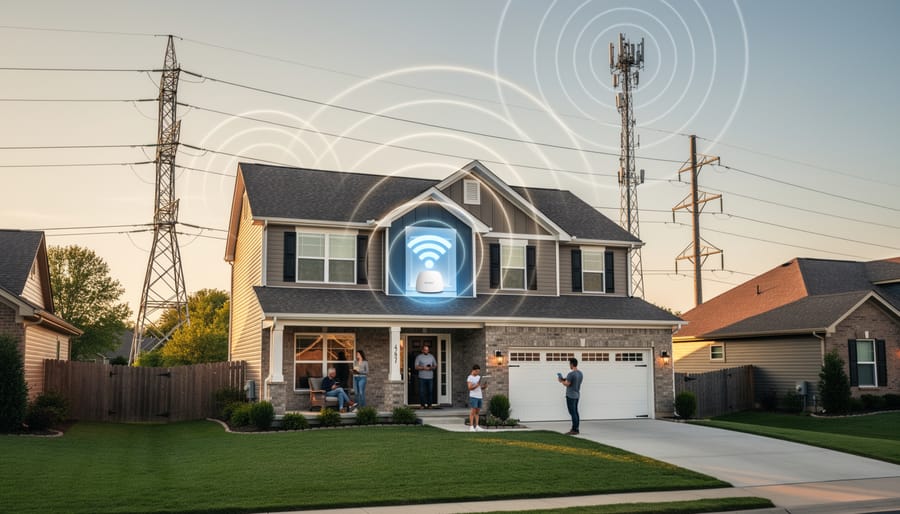
Low-Frequency EMFs in Your Home
Low-frequency electromagnetic fields, often called ELFs, are created by electrical current flowing through power lines, household wiring, and appliances. In Canada, these sources are commonly referred to as part of our hydro infrastructure. When electricity travels from generating stations through transmission lines to your home, it produces both electric and magnetic fields at 60 hertz, the standard frequency for North American power systems.
Inside your home, ELF exposure comes primarily from everyday items like refrigerators, microwaves, hair dryers, and electric heating systems. The strength of these fields decreases rapidly with distance from the source. Your proximity to outdoor sources matters too—homes located near high-voltage transmission towers or electrical substations may experience slightly higher background levels of ELF exposure.
Health Canada monitors these fields and sets safety guidelines based on international research. Current evidence shows that typical household exposure levels fall well below established safety thresholds. The magnetic fields from most appliances drop to background levels within one to two meters. While some studies have explored potential health connections, particularly regarding childhood leukemia and power line proximity, the overall scientific evidence remains inconclusive. Canadian safety standards provide a substantial margin of protection for the general public, ensuring that exposure from normal electrical infrastructure and home appliances stays within internationally accepted limits.
Radiofrequency EMFs and Wireless Technology
Radiofrequency EMFs represent a distinct category of electromagnetic exposure compared to the low-frequency fields from power lines and household wiring. These higher-frequency waves transmit information wirelessly through devices we use daily—cell phones, WiFi routers, Bluetooth speakers, and cellular towers. While electrical fields from appliances stay relatively constant, radiofrequency EMFs pulse and vary based on data transmission.
The key difference lies in how these waves interact with our bodies. Radiofrequency EMFs can penetrate tissue slightly, which is why regulatory bodies like Health Canada’s Safety Code 6 set limits on exposure levels. Current research shows that typical exposures from wireless devices fall well below these safety thresholds.
Cell phones emit the strongest radiofrequency signals when held against your head during calls, though intensity drops significantly with distance. WiFi and Bluetooth operate at lower power levels than phones. Cellular towers, despite their size, produce minimal ground-level exposure due to distance and signal direction.
Health Canada continues monitoring research on long-term wireless technology use. While some studies examine potential links to health concerns, the scientific consensus based on decades of research hasn’t established harm from exposures below safety guidelines. If you’re concerned, simple precautions like using speakerphone or texting can reduce direct exposure.
What the Science Actually Says About EMF Health Effects
Confirmed Health Effects at High Exposure Levels
Scientists have clearly established that very high levels of radiofrequency electromagnetic fields can cause biological effects, primarily through tissue heating. When your body absorbs significant RF energy, it generates heat similar to how a microwave oven warms food. At extreme exposure levels, this heating can raise body temperature and potentially damage tissues.
Health Canada and international bodies like the International Commission on Non-Ionizing Radiation Protection have set strict safety limits to prevent these thermal effects. These standards include substantial safety margins, typically set at levels 50 times lower than those known to cause harm. This means the guidelines protect you well before any heating effects could occur.
The good news is that these high exposure levels are extremely rare in everyday Canadian life. Your cell phone, Wi-Fi router, and household appliances emit EMF levels far below safety thresholds. Even workers in industries with higher EMF exposure, such as telecommunications or broadcasting, follow occupational safety protocols to stay within safe limits.
Medical equipment like MRI machines and certain therapeutic devices do generate stronger electromagnetic fields, but healthcare professionals carefully control these exposures. The established safety standards ensure that your typical daily EMF encounters remain well within protective boundaries, allowing you to use modern technology confidently.
Research on Long-Term, Low-Level Exposure
Understanding the long-term health effects of low-level electromagnetic field exposure remains an active area of scientific investigation. Researchers have been studying populations with chronic exposure to determine if there are measurable health impacts over time.
Cancer risk has received considerable attention in scientific literature. The International Agency for Research on Cancer classified radiofrequency electromagnetic fields as “possibly carcinogenic to humans” based on limited evidence linking heavy cell phone use to brain tumors called gliomas. However, large-scale studies have produced mixed results. Some research suggests a slight increase in risk among the heaviest users, while other comprehensive studies, including those following thousands of participants over decades, have found no clear association. The challenge lies in the fact that cancer can take many years to develop, and technology has evolved rapidly, making long-term studies difficult to conduct and interpret.
Research on fertility effects has also yielded varied findings. Some laboratory and animal studies suggest that prolonged exposure to EMFs might affect sperm quality and reproductive hormones, but human studies remain inconclusive. The evidence isn’t strong enough to establish a direct cause-and-effect relationship.
Scientists agree that more research is needed, particularly studies that follow people over extended periods and account for the many types of EMF exposure we encounter daily. Health Canada and other regulatory bodies continue monitoring emerging research to update safety guidelines as new evidence becomes available. While investigations continue, current evidence doesn’t support widespread alarm about everyday low-level exposure.
Electromagnetic Hypersensitivity: Separating Fact from Fiction
Some people report experiencing headaches, fatigue, dizziness, and sleep problems they believe are caused by electromagnetic fields—a condition called electromagnetic hypersensitivity (EHS). If you experience these symptoms, they’re absolutely real and deserve attention and care.
However, scientific research consistently shows that people cannot reliably detect EMF exposure under controlled conditions. Multiple double-blind studies have found that individuals with EHS cannot identify when they’re actually being exposed to electromagnetic fields versus when they’re not. This doesn’t mean you’re imagining your symptoms—it means the cause may be something other than EMFs.
Researchers suggest several possible explanations: stress and anxiety about technology, underlying health conditions, environmental factors like poor air quality or lighting, or the nocebo effect (where expecting negative effects can trigger real symptoms). Many people with EHS also report sensitivity to other environmental factors like chemicals or sounds.
If you’re experiencing concerning symptoms, consult your healthcare provider to explore all possible causes. Meanwhile, managing stress through relaxation techniques, ensuring good sleep hygiene, and maintaining a healthy lifestyle can help address symptoms regardless of their source. Your experiences are valid, and finding the right explanation is the first step toward feeling better.
Potential Mental Health Connections
Sleep Quality and Blue Light Combined Effects
When you check your phone before bed or scroll through social media in the evening, you’re exposing yourself to two distinct elements: electromagnetic fields from the device itself and blue light from the screen. While concerns about EMFs often capture attention, the evidence is much clearer regarding blue light’s impact on sleep quality.
Blue light suppresses melatonin production, the hormone that signals your body it’s time to sleep. This disruption can shift your circadian rhythm, making it harder to fall asleep and reducing overall sleep quality. Canadian researchers have confirmed that evening screen exposure significantly delays sleep onset, particularly during our long winter months when natural light exposure is already limited.
Similar to concerns about noise pollution affecting rest, multiple environmental factors can compound sleep issues. The practical solution is straightforward: activate night mode on your devices, which reduces blue light emission, and establish a screen-free zone at least one hour before bedtime. Many Canadians find that using amber-tinted glasses in the evening or switching to reading physical books helps maintain healthy sleep patterns. These simple adjustments address the proven concern while naturally reducing any potential EMF exposure during crucial rest hours.
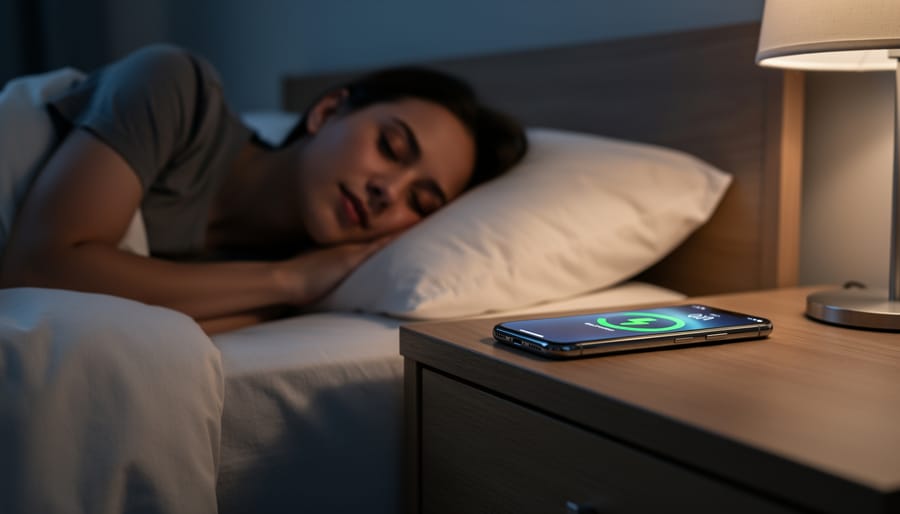
Screen Time vs. EMF Exposure: Understanding the Difference
It’s important to recognize that concerns about device use often blend two separate issues: electromagnetic field exposure and the behavioral impacts of technology. While EMF research continues, many symptoms people attribute to EMFs may actually stem from excessive screen time itself. Extended device use can lead to eye strain, headaches, disrupted sleep patterns, and neck pain—not from electromagnetic radiation, but from the physical act of staring at screens, poor posture, and blue light exposure affecting your circadian rhythm.
Similarly, mental health concerns like anxiety, depression, and social isolation are more closely linked to social media patterns and sedentary behavior than to EMF emissions. Spending hours scrolling through content reduces physical activity, disrupts face-to-face connections, and can negatively impact your mood and self-esteem.
The good news is that addressing screen time habits offers immediate, well-documented health benefits. Taking regular breaks, practicing the 20-20-20 rule (every 20 minutes, look at something 20 feet away for 20 seconds), limiting evening device use, and balancing online time with physical activity can significantly improve your wellbeing. These practical lifestyle adjustments tackle the proven health impacts of device overuse while you stay informed about ongoing EMF research.
Health Canada’s Position and Safety Guidelines
Health Canada provides clear safety guidelines for electromagnetic field exposure through Safety Code 6, a science-based standard that has been regularly updated since 1979. This code sets exposure limits for radiofrequency EMF from devices like cell phones, Wi-Fi routers, and broadcast towers, as well as extremely low-frequency EMF from power lines and household appliances.
Safety Code 6 establishes limits that are significantly below levels shown to cause health effects in scientific studies. These guidelines are based on comprehensive reviews of thousands of research papers and focus on protecting all Canadians, including children and pregnant women. The exposure limits are set at levels 50 times lower than the threshold where biological effects have been observed, providing a substantial safety margin.
When compared internationally, Canadian standards align closely with guidelines from the World Health Organization and the International Commission on Non-Ionizing Radiation Protection. Health Canada’s limits are actually more conservative in some areas than those in the United States and many European countries, reflecting a precautionary approach to public health protection.
For everyday exposure, these guidelines mean that common devices and infrastructure in Canada operate well within safe limits. Health Canada regularly tests EMF levels from cell towers, Wi-Fi networks, and other sources to ensure compliance. Typical exposure from your smartphone, home Wi-Fi, or nearby power lines falls far below Safety Code 6 limits.
Health Canada continues to monitor emerging research and updates its guidelines as new evidence becomes available. The agency maintains that at exposure levels Canadians typically encounter in daily life, there is no convincing scientific evidence of adverse health effects. This position is reassuring for most routine exposures while still acknowledging that research continues in this evolving field.
Practical Steps to Reduce Your EMF Exposure (Without Going Off the Grid)
Smart Phone Habits That Make a Difference
Small adjustments to how you use your smartphone can significantly reduce your EMF exposure. The key principle is simple: distance matters enormously. EMF intensity drops dramatically with even a few centimeters of space, so keeping your phone away from your body provides meaningful protection.
Whenever possible, use speakerphone mode or headphones for calls rather than holding your phone against your head. This creates valuable distance between the device and your body. Better yet, consider texting instead of calling when you don’t need a voice conversation. Not only does texting reduce EMF exposure, but it also gives you time to craft thoughtful responses.
When carrying your phone, avoid keeping it in pockets close to your body. Instead, place it in a bag or briefcase. At night, don’t sleep with your phone on your nightstand. Switch it to airplane mode or keep it across the room while charging. This simple habit reduces your exposure during the many hours you spend sleeping.
If you’re working from home, avoid placing your phone directly on your lap during video calls. Use a stand or desk instead. These straightforward practices don’t require major lifestyle changes but can substantially decrease your daily EMF exposure while still keeping you connected.

Creating a Lower-EMF Sleep Environment
If you’re concerned about nighttime EMF exposure, simple changes to your bedroom environment may help you sleep better. Research suggests that even low-level electromagnetic fields might affect sleep quality in sensitive individuals, making your bedroom a good place to start with precautionary measures.
Consider removing electronic devices from your sleeping area, or at minimum, keep them at least three feet away from your bed. Replace electric alarm clocks with battery-powered alternatives, which eliminate the constant EMF exposure near your head throughout the night. Many Canadian households have found that turning off WiFi routers before bed is a straightforward step that reduces overall exposure without affecting daytime connectivity.
If you use your smartphone as an alarm, switch it to airplane mode and place it across the room. This reduces EMF emissions while still allowing the alarm function to work. Some people report falling asleep faster and experiencing fewer sleep disruptions after implementing these changes.
While scientific evidence on EMF exposure during sleep remains mixed, creating a lower-EMF sleep environment costs nothing and aligns with good sleep hygiene practices recommended by health professionals. These adjustments may contribute to better rest, whether through reduced EMF exposure or simply by creating a more relaxing, technology-free bedroom space.

Home and Workplace Adjustments
If you’re looking to reduce your EMF exposure at home or work, several straightforward adjustments can make a difference. Start by positioning your WiFi router away from areas where you spend the most time, such as your bedroom, home office desk, or living room couch. Placing it in a hallway or less-frequented space maintains connectivity while increasing distance from your body.
Consider using wired internet connections for devices that stay in one place, like desktop computers or smart TVs. Ethernet cables provide stable connections without wireless signals, offering a practical alternative when feasible.
In the kitchen and workspace, maintain reasonable distance from high-EMF appliances during operation. You don’t need to avoid your microwave or electric kettle, but standing a few feet away while they run is a simple precaution. At night, keep charging phones and tablets on a nightstand rather than under your pillow, and consider switching your phone to airplane mode while sleeping.
These adjustments follow the precautionary principle without requiring major lifestyle changes. They’re about creating small buffers between yourself and EMF sources during extended exposure periods, which aligns with Health Canada’s guidance on minimizing unnecessary exposure while maintaining the convenience of modern technology.
What to Avoid: Ineffective EMF Products and Fear-Based Marketing
Unfortunately, the EMF protection market includes many products that lack scientific validation and rely on fear-based messaging to drive sales. Understanding how to identify these questionable offerings will help protect both your health and your wallet.
Many expensive EMF shielding products make dramatic claims without peer-reviewed scientific evidence. These include special pendants, stickers, crystals, and jewelry that supposedly “neutralize” or “harmonize” electromagnetic fields. The reality is that EMFs cannot be “neutralized” by a small wearable device. If a product were truly effective at blocking EMFs, it would also prevent your phone or device from functioning properly.
Watch for warning signs of misleading marketing. Claims like “quantum technology,” “bio-resonance,” or “scalar energy” without clear scientific explanations often signal pseudoscience. Be particularly skeptical of products promising to protect against all types of EMF exposure or those claiming to cure serious health conditions. These statements typically lack rigorous testing and regulatory approval.
Companies that use fear-based tactics to promote their products should raise immediate red flags. Language designed to create panic about everyday exposure or suggesting catastrophic health outcomes without credible scientific references often indicates questionable practices. Legitimate health information acknowledges uncertainties while providing balanced, evidence-based guidance.
Before purchasing any EMF protection product, check for independent testing results from recognized laboratories. Look for transparency about how the product works and what specific protection it offers. Consult Health Canada’s guidance on EMF safety and speak with healthcare professionals who can provide objective, evidence-based advice. Remember that practical, no-cost strategies like maintaining distance from devices and following manufacturer guidelines remain your most reliable protective measures without requiring expensive purchases.
Based on current scientific evidence, electromagnetic fields at typical everyday exposure levels show minimal health risk for most Canadians. Major health organizations, including Health Canada and the World Health Organization, have reviewed extensive research and concluded that EMF exposure from devices like cell phones, Wi-Fi routers, and power lines falls well below levels known to cause harm.
While the evidence is reassuring, it’s understandable if you still have concerns. Taking simple precautionary measures costs little and may provide peace of mind. Using hands-free devices, maintaining some distance from routers, and limiting screen time before bed are reasonable steps that align with good general health practices anyway.
However, perspective matters. The potential risks from EMF exposure, if any exist at all, are far smaller than the benefits you gain from focusing on proven health behaviors like regular physical activity, quality sleep, balanced nutrition, stress management, and meaningful social connections. These factors have overwhelming evidence supporting their impact on your wellbeing.
Research on EMF continues to evolve, so staying informed through reliable sources like Health Canada is wise. If you have specific health concerns or symptoms you believe may be related to EMF exposure, consult your healthcare provider. They can assess your individual situation, rule out other causes, and provide personalized guidance based on your medical history and current evidence.