
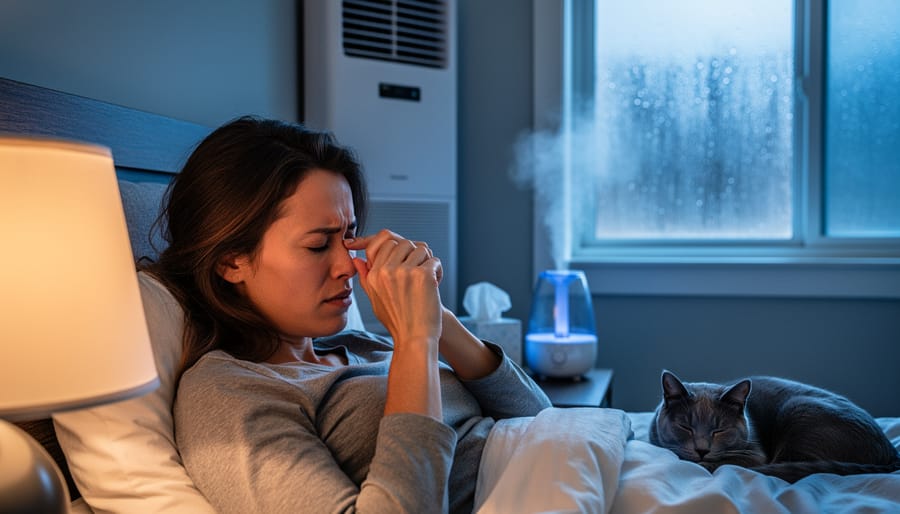
Waking up exhausted despite a full night’s sleep often points to allergens lurking in your bedroom, not a true “sleep allergy.” While you can’t be allergic to sleep itself, the dust mites in your pillows, pet dander on your sheets, or mold spores in your mattress trigger immune responses that fragment your sleep cycles and leave you feeling drained.
These nighttime allergens cause congestion, sneezing, and inflammation that prevent you from reaching the deep, restorative sleep stages your body needs. Your immune system remains on high alert throughout the night, producing histamines that disrupt your natural sleep architecture. The result: you spend hours in bed but wake feeling like you barely slept at all.
Canadian homes face unique allergy challenges. Our sealed, energy-efficient houses trap allergens indoors during long winters, while humidity fluctuations between seasons create ideal conditions for dust mites and mold growth. Forced-air heating systems circulate these particles directly into your breathing space as you sleep, intensifying nighttime exposure.
The good news: you can reclaim restorative sleep by targeting bedroom allergens systematically. Understanding which specific triggers affect you and implementing evidence-based prevention strategies transforms your bedroom from an allergy zone into a true sanctuary for rest. Better sleep quality doesn’t just mean feeling refreshed—it strengthens your immune system, sharpens mental clarity, and enhances physical performance throughout your day.
What People Really Mean by ‘Sleep Allergy’
The Sleep-Allergy Connection
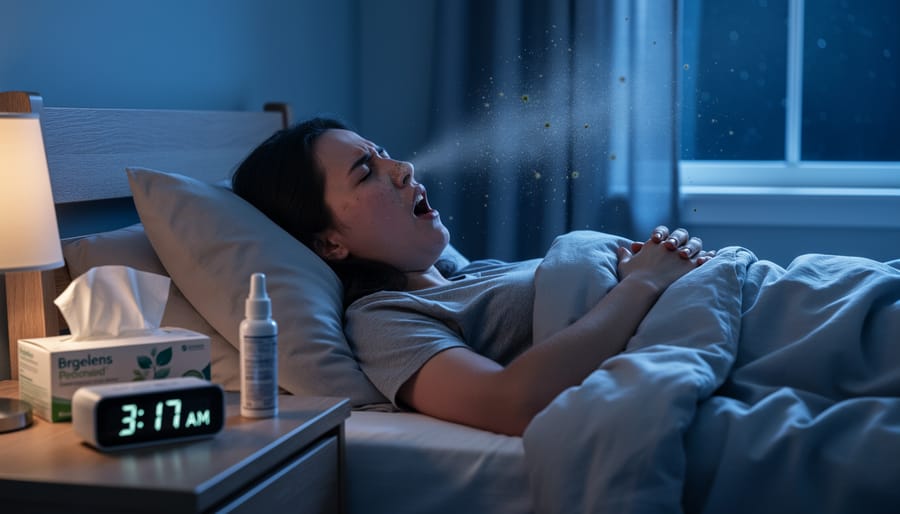
Allergies disrupt your sleep in more ways than you might realize. When allergens like dust mites, pet dander, or pollen trigger your immune system, they cause inflammation in your nasal passages and airways. This inflammation leads to congestion, sneezing, and difficulty breathing—all of which fragment your sleep cycles and prevent you from reaching the deep, restorative sleep stages your body needs.
Research shows that allergy symptoms often intensify at night for several reasons. When you lie down, mucus accumulates more easily in your nasal passages, making congestion worse. Additionally, your bedroom may harbor concentrated allergen levels in pillows, mattresses, and carpets. Your body’s natural cortisol levels also drop during nighttime hours, which can reduce your ability to suppress inflammatory responses.
People with allergies spend less time in REM sleep and wake more frequently throughout the night, even if they don’t fully remember these disruptions. This poor sleep quality affects everything from your mood and memory to your immune function and energy levels. The good news is that combining proper allergy management with sleep hygiene practices can significantly improve your rest quality and overall health.
Common Bedroom Allergens Stealing Your Rest

Dust Mites: The Invisible Sleep Disruptors
Dust mites are microscopic creatures that thrive in the warm, humid environment of your bedroom, particularly in mattresses, pillows, and bedding. These tiny organisms feed on dead skin cells we naturally shed each night, making your bed an ideal habitat for them year-round. While the mites themselves don’t bite, their waste particles and body fragments become airborne and can trigger significant allergic reactions.
For many Canadians, dust mite allergies cause persistent symptoms that worsen during sleep. When you breathe in these allergens throughout the night, your immune system responds by releasing histamine, leading to nasal congestion, sneezing, itchy eyes, and throat irritation. This constant exposure means symptoms don’t follow seasonal patterns like pollen allergies, instead affecting your sleep quality every single night.
Research shows that a typical used mattress can contain between 100,000 to 10 million dust mites. The particles they produce are particularly problematic because they’re small enough to penetrate deep into your airways, triggering inflammation that disrupts your breathing patterns during sleep. This ongoing immune response not only prevents restful sleep but can also worsen existing respiratory conditions, creating a cycle that impacts your overall health and daily energy levels.
Pet Dander and Your Sleep Environment
Pet dander creates ongoing sleep challenges even when your furry friend doesn’t share your bedroom. These microscopic particles from pet skin, saliva, and urine are incredibly lightweight and travel easily through your home on clothing, air currents, and heating systems. Studies show that pet allergens can remain airborne for hours and settle deeply into mattresses, pillows, and carpets where they accumulate over time.
Even if your pet stays out of your bedroom, you carry dander on your clothes and hair throughout the day. Your heating and cooling system also circulates these allergens between rooms. Research indicates that pet allergens can reach significant levels in pet-free bedrooms within homes that have animals.
These allergens trigger immune responses that cause nasal congestion, sneezing, and itchy eyes during the night. This disruption fragments your sleep cycles, preventing you from reaching the deep, restorative sleep stages your body needs. The good news is that with consistent cleaning routines, air filtration, and strategic pet management, you can significantly reduce dander levels and improve your sleep quality.
Mold, Mildew, and Humidity Issues
Canada’s climate creates perfect conditions for mold and mildew growth in bedrooms, particularly during humid summers and when heating systems run during winter months. These fungi release spores that trigger allergic reactions, causing nighttime congestion, coughing, and disrupted sleep. Poor ventilation traps moisture from breathing and daily activities, allowing mold to flourish in walls, windowsills, and fabrics.
Signs of moisture problems include musty odors, condensation on windows, or visible dark spots on walls and ceilings. Bathrooms adjacent to bedrooms pose particular risks when exhaust fans aren’t used properly. Basement bedrooms face elevated humidity challenges year-round.
Maintaining indoor humidity between 30-50% significantly reduces allergen growth. Use dehumidifiers during humid months and ensure proper humidity control throughout the year. Open windows when weather permits to improve air circulation, run bathroom fans for 20 minutes after showering, and fix any water leaks immediately. Wash bedding weekly in hot water and inspect problem areas monthly to prevent mold establishment.
Seasonal Pollen Infiltration
Outdoor allergens don’t stay outside. During spring and fall, tree, grass, and ragweed pollen easily find their way into your bedroom through open windows, on clothing, and even on pets. These microscopic particles settle on bedding, carpets, and furniture, creating ongoing exposure while you sleep. When you breathe in pollen throughout the night, your immune system responds by releasing histamines, which trigger inflammation in nasal passages and airways. This leads to congestion, sneezing, and difficulty breathing that repeatedly disrupts your sleep cycles. You may wake frequently without realizing why, preventing you from reaching the deep, restorative sleep stages your body needs. The impact extends beyond nighttime—poor sleep quality affects your daytime energy, mood, and ability to concentrate, creating a cycle that impacts your overall wellness and daily performance.
How Allergen Exposure Sabotages Your Sleep
Breathing Problems and Sleep Disruption
When allergens trigger your body’s immune response, the resulting inflammation directly impacts your ability to breathe comfortably during sleep. Nasal congestion develops as blood vessels in your nasal passages swell, creating physical blockages that make breathing through your nose difficult or impossible. This forces you to breathe through your mouth, which often leads to dry throat, increased snoring, and frequent nighttime awakenings.
Postnasal drip compounds the problem by causing mucus to drain down the back of your throat while you’re lying down. This triggers coughing fits that pull you out of deeper, more restorative sleep stages. Many Canadians find themselves waking multiple times throughout the night, sometimes without fully realizing what’s disturbing their rest.
Airway inflammation doesn’t just affect your nose—it can impact your entire respiratory system. This inflammation may reduce oxygen intake, leaving you feeling unrested even after a full night in bed. Your body struggles to reach the deep sleep phases essential for physical recovery and mental clarity. Over time, this chronic disruption affects your energy levels, concentration, and overall wellness, making it harder to maintain your fitness routine and manage daily stress effectively.
The Inflammation-Insomnia Cycle
When allergens enter your body, your immune system releases inflammatory chemicals like histamine and cytokines. While these substances help fight off perceived threats, they also trigger a stress response that can keep you awake at night. This inflammation affects your body’s natural production of melatonin, the hormone that signals it’s time to sleep.
Research shows that elevated histamine levels directly interfere with your sleep-wake cycle by stimulating arousal centers in your brain. At the same time, inflammatory cytokines can disrupt the delicate balance of sleep-regulating hormones, making it harder to fall asleep and stay asleep throughout the night. This creates a frustrating cycle: poor sleep weakens your immune system, which can make you more sensitive to allergens, leading to even worse sleep quality.
The timing of this inflammation matters too. Many Canadians experience nighttime allergy symptoms because allergen exposure peaks in bedrooms where dust mites, pet dander, and other triggers accumulate. Your body’s natural cortisol levels also drop at night, which can make allergic reactions feel more intense when you’re trying to rest. Understanding this connection is the first step toward breaking the cycle and reclaiming your sleep quality.
Next-Day Effects on Mental Health and Performance
When allergens disrupt your sleep throughout the night, the consequences extend well into the next day. Poor sleep quality caused by allergic reactions directly impacts your energy levels, leaving you feeling exhausted even after a full night in bed. This chronic fatigue affects how sleep affects mental health, contributing to increased irritability, difficulty concentrating, and heightened stress responses.
Your cognitive performance suffers too. Tasks requiring focus and decision-making become more challenging when allergen-related sleep disruptions prevent you from reaching the deep, restorative sleep stages your brain needs. Memory consolidation weakens, and reaction times slow down.
For those pursuing fitness goals, allergen-disrupted sleep also hampers physical recovery and performance. Your body repairs muscles and regulates metabolism during quality sleep, so ongoing allergic disturbances can undermine your training efforts and slow progress toward your wellness objectives.
Practical Solutions to Create an Allergen-Free Sleep Sanctuary
Bedding and Mattress Protection
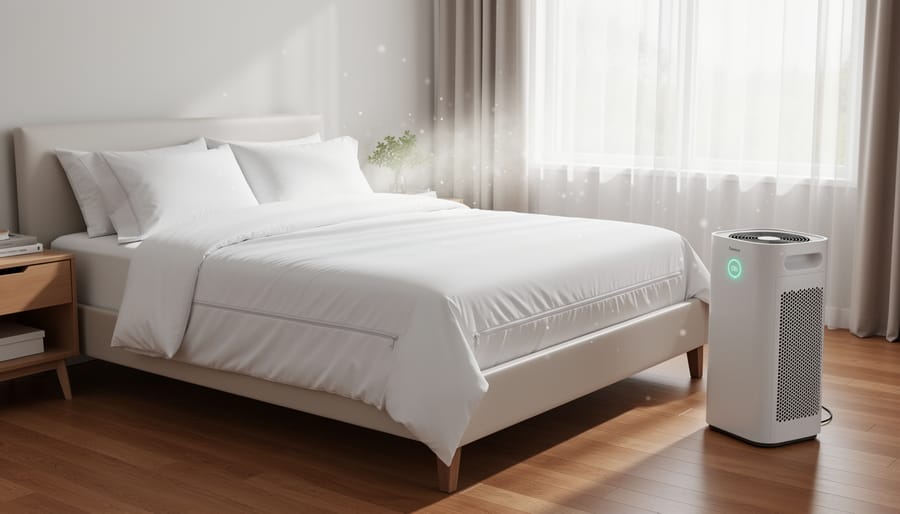
Investing in allergen-proof bedding can significantly reduce your exposure to dust mites and other sleep disruptors. Look for mattress and pillow encasements certified by organizations like the Asthma and Allergy Foundation of America, with tightly woven fabric that prevents allergens from penetrating while remaining breathable for comfort during Canadian temperature variations.
Choose covers with pore sizes smaller than 10 microns to effectively block dust mites and their waste products. Ensure encasements have secure zippers that fully enclose your mattress and pillows, creating a complete barrier.
Wash all bedding weekly in hot water at minimum 60°C (140°F) to kill dust mites effectively. This includes sheets, pillowcases, and duvet covers. For items that can’t withstand hot water, tumble dry on high heat for at least 15 minutes after washing.
Select hypoallergenic materials like tightly woven cotton or microfiber for sheets and pillowcases. Avoid down-filled comforters if you’re sensitive to feathers, opting instead for synthetic alternatives that resist dust mite accumulation.
During Canadian winters when indoor heating reduces humidity, maintain bedroom humidity between 30-50% to prevent dust mite proliferation while avoiding mold growth. Replace pillows every 1-2 years and mattresses every 7-10 years to minimize allergen buildup over time.
Air Quality Improvements
Improving your bedroom air quality can significantly reduce nighttime allergy symptoms and help you sleep better. Start with a high-quality HEPA filter air purifier, which removes 99.97% of airborne particles including dust mites, pollen, and pet dander. Choose a unit sized appropriately for your bedroom square footage and run it continuously, especially during peak allergy seasons in spring and fall.
Humidity control is particularly important in Canadian homes. Winter heating systems can dry indoor air below 30%, irritating nasal passages and making allergy symptoms worse. Conversely, summer humidity above 50% encourages dust mite and mold growth. Use a hygrometer to monitor levels and maintain humidity between 30-50% year-round with a humidifier or dehumidifier as needed.
Proper ventilation helps, but timing matters. Open windows during low-pollen periods, typically late afternoon or after rain. During high pollen counts, keep windows closed and rely on your air purifier. Ensure bathroom and kitchen exhaust fans vent outside to prevent moisture buildup that promotes mold growth. Consider optimizing your bedroom lighting alongside air quality improvements for a comprehensive sleep-friendly environment.
Bedroom Cleaning Routines That Actually Work
Creating a consistent cleaning routine doesn’t have to consume your entire weekend. Start with a simple weekly schedule that targets key allergen sources. Every week, wash all bedding in hot water (at least 55°C) to eliminate dust mites effectively. Vacuum your mattress and surrounding floors using a HEPA-filter vacuum, which captures 99.97% of allergen particles.
For daily maintenance, take just five minutes each morning to open windows for fresh air circulation, weather permitting. This reduces humidity levels that dust mites thrive in. Keep clutter minimal, as it collects dust and makes cleaning harder.
Monthly tasks should include wiping down baseboards, window sills, and ceiling fan blades where allergens accumulate unnoticed. Rotate and vacuum under furniture to catch hidden dust. If you have carpets, consider professional deep cleaning twice yearly.
Canadian winters present unique challenges with closed windows and dry indoor air. Use a vacuum with strong suction during these months and consider running an air purifier continuously. Remember, consistency matters more than perfection. Even maintaining this routine 80% of the time will significantly reduce allergen buildup and improve your sleep quality noticeably within weeks.
Smart Lifestyle Adjustments
Simple changes to your evening routine can significantly reduce allergen exposure and improve your sleep quality. Consider showering before bed rather than in the morning—this removes pollen, dust, and other allergens from your hair and skin before they transfer to your pillowcase and sheets. If you have pets, establish a boundary by keeping them out of your bedroom at night, as pet dander is a common sleep disruptor even for people who aren’t severely allergic.
Create a “decontamination zone” near your entrance by removing shoes and outdoor clothing before moving through your home. This prevents tracking pollen and outdoor allergens into sleeping areas. During high pollen seasons, keep windows closed in the evening and use air conditioning instead. Change into fresh sleepwear after your shower rather than wearing clothes you’ve had on throughout the day.
If you exercise outdoors, shower immediately afterward and wash your workout clothes separately. These practical adjustments work together to create a cleaner sleep environment, helping you breathe easier and rest better throughout the night.
When to Seek Professional Help
While improving your bedroom environment can make a significant difference, sometimes professional medical support is necessary. If you’ve tried allergen reduction strategies for several weeks without improvement in your sleep quality, it’s time to consult your healthcare provider.
Consider seeking professional help if you experience persistent symptoms such as chronic nasal congestion, frequent nighttime coughing, difficulty breathing during sleep, or if you wake up feeling exhausted despite spending adequate time in bed. Snoring or pauses in breathing during sleep may indicate more serious conditions that require immediate attention.
In Canada, your family doctor is your first point of contact. They can assess your symptoms, rule out other sleep disorders, and provide a referral to an allergist if needed. Many provinces offer publicly funded allergy testing through specialist referrals, though wait times vary by region. Private allergy clinics are also available for faster access.
Allergy testing typically includes skin prick tests or blood tests to identify specific triggers. These tests are generally covered by provincial health plans when referred by a physician. Once you know your specific allergens, your healthcare provider can recommend targeted treatments.
Treatment options range from over-the-counter antihistamines and nasal corticosteroid sprays to prescription medications. For severe allergies, your doctor might suggest immunotherapy, which gradually desensitizes your immune system to specific allergens. This treatment is available through specialists across Canada.
Don’t hesitate to advocate for your sleep health. Quality sleep is essential for your physical and mental wellbeing, and persistent allergy symptoms shouldn’t be ignored. Canadian healthcare professionals are there to support you in finding effective solutions that restore your restful nights.
Taking control of your sleep environment and reducing allergen exposure is entirely within your reach. The strategies outlined in this article are backed by research and proven to make a real difference in sleep quality. By consistently implementing even a few of these changes—whether it’s washing your bedding weekly in hot water, using allergen-proof covers, or maintaining optimal humidity levels—you can significantly reduce nighttime allergy symptoms that disrupt your rest.
Remember that improving your sleep isn’t just about feeling less tired. Quality sleep strengthens your immune system, supports mental health, enhances your ability to manage stress, and improves physical performance in your daily activities and fitness routines. The connection between restful sleep and overall wellness cannot be overstated.
Start with the changes that feel most manageable for your lifestyle and build from there. You don’t need to overhaul everything overnight. Small, consistent steps in allergen control can lead to meaningful improvements in how you sleep and, ultimately, how you feel each day. Your commitment to creating a healthier sleep environment is an investment in your long-term health and quality of life.