

Wash your hands thoroughly with soap and water for at least 20 seconds before and after any contact with healthcare settings, patients, or medical equipment. This single action remains the most effective way to prevent the spread of infections. Speak up and ask your healthcare providers if they’ve washed their hands before touching you or your loved one – research shows patients who advocate for hand hygiene compliance help reduce infection rates by up to 50%.
Ensure all medical devices entering your body, from catheters to IV lines, are absolutely necessary and removed as soon as possible. Each day these devices remain increases infection risk significantly. Question their continued use and request daily reviews of whether they’re still needed.
Request that healthcare staff clean their stethoscopes, blood pressure cuffs, and other shared equipment before using them on you. These items move from patient to patient and can harbour dangerous bacteria if not properly disinfected between uses.
Healthcare-associated infections affect approximately one in every 18 hospital patients in Canada, but they’re largely preventable. Understanding and implementing proven prevention strategies empowers you to protect yourself and your family members during hospital stays, outpatient procedures, or any healthcare encounter. While healthcare facilities implement systematic infection control measures, your active participation creates an additional protective layer. These seven evidence-based strategies combine what hospitals do behind the scenes with practical actions you can take to minimize infection risk and ensure safer care.
Understanding Healthcare-Associated Infections
Healthcare-associated infections, or HAIs, are infections that patients can develop while receiving medical treatment in a healthcare facility. These infections aren’t present when you first arrive for care but develop during your hospital stay or medical procedure. While healthcare facilities work hard to prevent them, understanding what they are and how they occur can help you take an active role in your safety.
The four most common types of HAIs affect different parts of the body. Surgical site infections occur around incisions after surgery, developing when bacteria enter the wound during or after a procedure. Urinary tract infections often develop when catheters are used to drain urine, as these devices can introduce bacteria into the urinary system. Bloodstream infections, sometimes called sepsis, happen when bacteria enter the blood through intravenous lines or other medical devices. Pneumonia can develop when patients are on ventilators or have difficulty moving and coughing effectively, allowing fluid and bacteria to build up in the lungs.
In Canada, HAIs affect a significant number of patients each year. Research shows that approximately 1 in 9 hospitalized patients will develop an infection during their stay. While this number may sound concerning, it’s important to know that many of these infections are preventable through proper precautions and care practices.
HAIs matter because they can extend hospital stays, require additional treatment with antibiotics, and in serious cases, lead to complications. The good news is that healthcare facilities across Canada have made tremendous progress in reducing these infections through evidence-based prevention strategies. By understanding these risks and the measures in place to protect you, you can feel more confident about your healthcare experience and participate actively in your own safety.
Strategy 1: Hand Hygiene – Your First Line of Defense
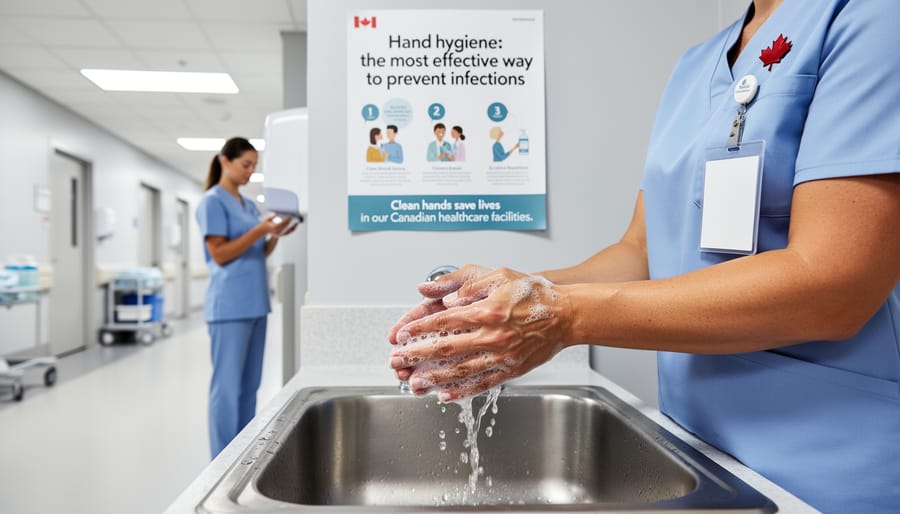
Hand hygiene stands as the single most effective way to prevent the spread of healthcare-associated infections. When done correctly and at the right times, this simple practice can reduce infection rates by up to 50 percent. Understanding when and how to clean your hands empowers you to protect yourself and others during healthcare visits.
Proper handwashing requires more than a quick rinse. Wet your hands with clean water, apply soap, and scrub all surfaces for at least 20 seconds, including between fingers, under nails, and the backs of hands. Rinse thoroughly and dry with a clean towel. This mechanical action physically removes germs from your skin.
Alcohol-based hand sanitizers offer a convenient alternative when soap and water aren’t available. Use products containing at least 60 percent alcohol, applying enough to cover all hand surfaces and rubbing until dry. However, sanitizers work best on visibly clean hands and are less effective against certain germs like norovirus or when hands are greasy or dirty.
Knowing when to clean your hands matters as much as technique. In healthcare settings, practice hand hygiene before eating, after using the restroom, after touching surfaces like door handles or bed rails, and after removing gloves or masks. If you’re visiting a patient, clean your hands when entering and leaving the room.
Don’t hesitate to speak up if you notice healthcare providers haven’t cleaned their hands before touching you. Research shows most patients feel comfortable reminding their care team, and healthcare workers appreciate the reminder. You might say, “I didn’t see you wash your hands. Would you mind doing that before the exam?”
Keep hand sanitizer in your bag during healthcare visits, and encourage family members to follow these same practices. This proactive approach creates an extra layer of protection for everyone involved in your care.
Strategy 2: Environmental Cleaning and Disinfection Standards
A clean healthcare environment is your first line of defense against infections. Canadian hospitals and clinics follow strict cleaning and disinfection standards set by provincial health authorities and the Public Health Agency of Canada to keep you safe.
Healthcare facilities use hospital-grade disinfectants proven effective against dangerous bacteria, viruses, and fungi. These products meet Health Canada approval standards and are applied according to specific contact times, meaning they must remain wet on surfaces for a certain period to kill germs effectively.
High-touch surfaces receive special attention. Doorknobs, bed rails, call buttons, light switches, and bathroom fixtures are cleaned multiple times daily, as these areas collect the most germs from frequent contact. Patient rooms undergo thorough terminal cleaning between occupants, with enhanced protocols for rooms that housed patients with infectious diseases.
When visiting a healthcare facility, you can look for visible signs of cleanliness and observe staff following proper protocols. Clean environments should be free of dust, spills, and clutter. Don’t hesitate to ask healthcare staff about cleaning schedules or request that frequently touched items in your room be cleaned.
You can also protect yourself by avoiding contact with potentially contaminated surfaces when possible. Use tissues or paper towels to open doors, and keep personal items off the floor. If you notice something appears unclean, speak up. Healthcare facilities value patient feedback and want to maintain the highest standards. Remember, environmental cleaning works hand-in-hand with other infection prevention measures to create multiple protective barriers for your health.
Strategy 3: Proper Use of Personal Protective Equipment (PPE)
Personal protective equipment, or PPE, includes items like gloves, masks, gowns, and eye protection that healthcare workers wear to create a barrier between themselves and infectious materials. These essential tools protect both patients and staff from the spread of harmful bacteria, viruses, and other disease-causing organisms.
Healthcare workers follow specific guidelines about when to use PPE based on the type of patient interaction and potential exposure to bodily fluids, blood, or contaminated surfaces. For example, they’ll wear gloves when touching wounds or handling medical waste, masks when caring for patients with respiratory infections, and full protective gear including gowns and face shields during certain procedures or when treating highly contagious conditions.
The proper use of PPE involves more than just wearing it. Healthcare professionals receive training on how to put on equipment in the correct sequence, known as donning, and how to safely remove it, called doffing, to avoid contaminating themselves or the environment. They must also know when to change gloves between patients and how to dispose of used PPE properly.
If you’re visiting someone in hospital, you may be asked to wear certain PPE depending on the patient’s condition or location in the facility. Staff will provide clear instructions and the necessary equipment. Don’t hesitate to ask questions if you’re unsure about what you should wear or how to use it correctly. Following these protocols isn’t just about following rules; it’s about keeping everyone safe, including yourself, the patient you’re visiting, and other vulnerable individuals in the healthcare setting.

Strategy 4: Antimicrobial Stewardship Programs
Antimicrobial stewardship programs are hospital-wide initiatives designed to ensure antibiotics are used only when necessary and prescribed correctly. Simply put, these programs help healthcare providers choose the right antibiotic, at the right dose, for the right duration. This matters because overusing or misusing antibiotics creates drug-resistant bacteria that become much harder to treat.
When bacteria develop resistance to common antibiotics, infections that were once easily treatable can become serious health threats. Antimicrobial stewardship programs combat this by having specialized teams review antibiotic prescriptions, educate healthcare staff on best practices, and monitor infection patterns within facilities. These teams typically include pharmacists, infectious disease specialists, and infection prevention experts who work together to optimize antibiotic use.
For patients, understanding these programs means knowing that not every infection requires antibiotics. Viral infections like colds and most cases of flu won’t respond to antibiotics at all. If your healthcare provider decides not to prescribe antibiotics, it’s because they’re following evidence-based guidelines to protect both your health and public health.
When you do receive an antibiotic prescription in a healthcare setting, always complete the full course as directed, even if you feel better. Never save antibiotics for later use or share them with others. Don’t hesitate to ask your healthcare provider why a specific antibiotic was chosen and how long you should take it. These questions help you become an active participant in preventing antibiotic resistance while ensuring you receive the most effective treatment for your condition.
Strategy 5: Device-Associated Infection Prevention
Medical devices save lives, but they can also create entry points for infections if not properly managed. In Canadian healthcare facilities, catheters, intravenous lines, and ventilators are among the most common sources of device-associated infections. Understanding the protocols in place helps you feel confident about the care you or your loved ones receive.
Urinary catheters, which drain urine from the bladder, are necessary for certain medical conditions but carry infection risks. Canadian hospitals follow strict guidelines including using catheters only when medically essential, removing them as soon as possible, and maintaining proper hygiene during insertion and care. Central line-associated bloodstream infections from IV catheters are prevented through sterile insertion techniques, regular assessment of line necessity, and daily site inspection.
Ventilator-associated pneumonia affects patients who need breathing assistance. Healthcare teams minimize this risk by elevating the head of the bed, performing regular oral care, and assessing daily whether the ventilator is still needed.
Just as vaccination programs and immune system protection help prevent infections, being an informed participant in device care makes a difference.
Questions to ask your healthcare provider include: Is this device necessary for my treatment? How long will it need to stay in place? What signs of infection should I watch for? How is the device being kept clean? When will you reassess whether it’s still needed?
These conversations demonstrate your engagement in care and help healthcare teams stay vigilant about infection prevention. Remember, healthcare providers welcome questions that show your commitment to safe recovery.
Strategy 6: Vaccination Programs for Healthcare Workers and Patients
Vaccination programs create a protective shield around vulnerable patients by ensuring both healthcare workers and patients receive appropriate immunizations. These programs are particularly crucial in healthcare settings where individuals with weakened immune systems are at higher risk of severe complications from preventable diseases.
In Canadian healthcare facilities, several vaccines are considered essential for staff protection and patient safety. The annual influenza vaccine is mandatory or strongly encouraged in most hospitals and long-term care facilities, as healthcare workers can unknowingly transmit flu to vulnerable patients even before showing symptoms. Hepatitis B vaccination protects against bloodborne transmission, while measles, mumps, and rubella (MMR) vaccines prevent outbreaks in healthcare settings. More recently, COVID-19 vaccination has become a standard requirement, demonstrating how vaccination policies adapt to emerging threats.
Canadian facilities maintain high vaccination rates through comprehensive programs that include free on-site vaccination clinics, education about vaccine safety and effectiveness, and tracking systems to monitor compliance. Many institutions provide proof of immunity documentation for new hires and offer catch-up vaccinations when needed.
For patients, healthcare providers assess vaccination status during admission and recommend appropriate vaccines based on individual health conditions. Those with chronic illnesses, older adults, and immunocompromised individuals may need additional vaccines like pneumococcal or shingles vaccines.
Understanding vaccination policies contributes to your health literacy and supports understanding your care plan. Feel empowered to ask about staff vaccination rates and discuss your own immunization needs with your healthcare provider during appointments or hospital stays.
Strategy 7: Patient and Family Education and Engagement
You have more power than you might realize when it comes to preventing infections during healthcare visits. Being an active participant in your care isn’t just encouraged—it’s essential for your safety.
Start by speaking up about hand hygiene. Don’t hesitate to politely ask healthcare providers if they’ve washed their hands before touching you or your medical equipment. Most healthcare professionals appreciate this reminder and understand that patients who advocate for themselves help create a culture of safety. If you notice a caregiver forgot, a simple “I didn’t see you wash your hands—would you mind doing so?” is perfectly appropriate.
Understanding your care plan is equally important. Ask your healthcare team to explain any procedures you’ll undergo, why certain devices like catheters or IV lines are necessary, and how long they’ll remain in place. Request information about signs of infection to watch for, such as redness, swelling, unusual pain, fever, or discharge at surgical or device insertion sites.
Family members and visitors play a vital role too. Always practice hand hygiene when entering and leaving patient rooms. Follow posted instructions about protective equipment like gowns or masks. Avoid visiting if you’re feeling unwell, as you could unknowingly spread infections to vulnerable patients.
Keep your care area clean by wiping down frequently touched surfaces like bed rails, call buttons, and tables. If you’re recovering at home, follow wound care instructions precisely and take antibiotics exactly as prescribed—never stopping early even if you feel better.
Remember, asking questions isn’t being difficult—it’s being engaged in your healthcare. Healthcare providers value patients who take an active interest in their safety, and your vigilance creates an additional layer of protection against infections.

Preventing healthcare-associated infections is a shared responsibility that benefits everyone. When healthcare providers follow rigorous safety protocols and patients actively participate in their own care, we create a powerful partnership that significantly reduces infection risks. By practicing good hand hygiene, speaking up about your concerns, and following your healthcare team’s guidance, you play a vital role in protecting yourself and others.
Canadian healthcare facilities continue to advance their infection prevention practices through ongoing research, updated protocols, and investment in safety technologies. These improvements, combined with informed and engaged patients, are making our healthcare environments safer year after year. Remember, you have the right to ask questions about infection prevention measures and to expect high standards of care. Together, healthcare providers and patients can work as a team to minimize infection risks and ensure that every healthcare experience is as safe as possible for all Canadians.