

Call 988 anytime you’re experiencing a mental health crisis, feeling suicidal, or need immediate emotional support. This three-digit number connects you directly to trained crisis responders across Canada, 24 hours a day, seven days a week, completely free and confidential.
Recognize that reaching out for help demonstrates strength, not weakness. The 988 Suicide Crisis Helpline launched nationally to remove barriers between Canadians and life-saving mental health support. Unlike emergency services, 988 specializes in mental health crises, providing compassionate, non-judgmental assistance when you need it most.
Use 988 when you’re struggling with overwhelming thoughts, experiencing suicidal ideation, worried about someone else’s safety, or simply need someone to talk to during a difficult moment. You don’t need to be in immediate danger to call—early intervention often prevents crises from escalating.
Expect a trained responder to listen without judgment, assess your situation, provide emotional support, and connect you with local resources if needed. Calls typically remain anonymous unless you’re in immediate danger and require emergency intervention. The service operates alongside existing provincial crisis lines, creating a unified, easy-to-remember access point for mental health emergencies.
Understanding when and how to use 988 empowers you to take control of your mental health during critical moments. This streamlined approach to crisis intervention represents a significant advancement in Canadian mental health care accessibility, ensuring help is always just three digits away when darkness feels overwhelming.
What Is the 3-Digit Mental Health Hotline?
How to Access the Service
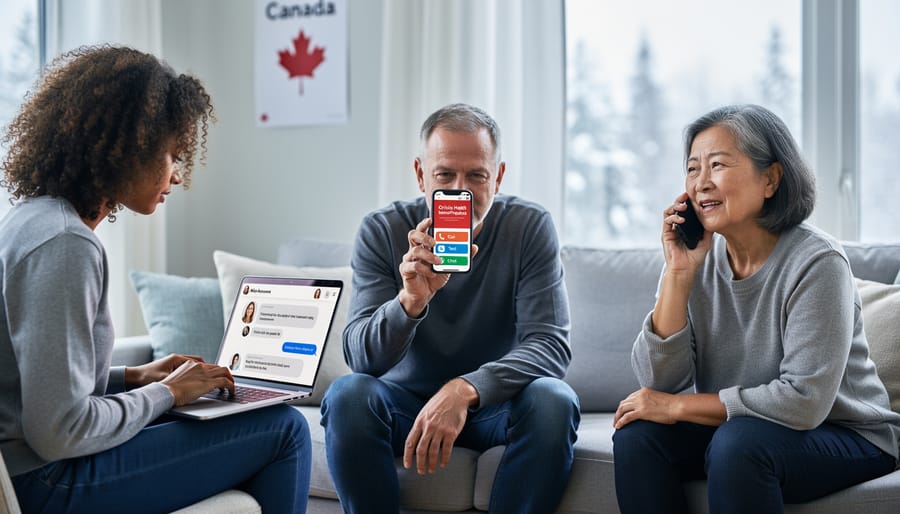
Accessing 988 is simple and designed to meet you where you are. You can reach the service in three convenient ways: by phone, text, or online chat. Simply dial 988 from anywhere in Canada to speak with a trained crisis responder. If you prefer written communication, text 988 to connect with support. For those who feel more comfortable typing, visit the official 988 website to access the online chat feature.
The service operates 24 hours a day, 7 days a week, 365 days a year, ensuring help is always available when you need it. Bilingual services are provided in English and French across the country, with additional language support available through interpretation services.
When you first connect, expect a compassionate, non-judgmental response. A trained responder will listen to your concerns, help you feel heard, and work with you to determine the best next steps for your situation. There’s no wrong reason to reach out – whether you’re in crisis, feeling overwhelmed, or simply need someone to talk to, 988 is there for you. The service is confidential, though responders may need to share information if there’s an immediate risk to safety. Wait times are typically brief, and if lines are busy, you’ll be connected to the next available responder as quickly as possible.
Who Can Use This Service
The 3 digit mental health hotline is designed for everyone, regardless of age or background. If you’re experiencing a mental health crisis, having suicidal thoughts, struggling with substance use, or facing overwhelming emotional distress, you can call 988 for immediate support. The service is available whether you’re in the middle of an urgent crisis or simply need someone to talk to during a difficult moment.
You don’t need a formal mental health diagnosis to reach out. The trained crisis responders understand that mental health challenges affect people differently and are there to listen without judgment. Family members, friends, and caregivers who are concerned about a loved one’s wellbeing can also use this service to get guidance on how to help and what steps to take next. The hotline provides a safe, confidential space for anyone seeking mental health support across Canada.
Why Digital Access Matters for Mental Health Support
Breaking Down Barriers to Help
The simplified three-digit format removes significant obstacles that previously prevented people from seeking help during their darkest moments. When you’re experiencing a mental health crisis, having to search online or remember a ten-digit number creates unnecessary barriers that can delay or prevent access to life-saving support.
The 988 number is intentionally designed to be as memorable as 911, ensuring that help is just three digits away whenever needed. This simplicity matters tremendously during a crisis when cognitive function may be impaired by distress, anxiety, or emotional overwhelm. You don’t need to save the number in your phone or frantically search through resources—it’s easy to recall when seconds count.
Beyond the number itself, the service offers text and chat options that acknowledge how different people prefer to communicate, especially during vulnerable moments. For many Canadians, particularly younger individuals, typing feels more comfortable than speaking aloud. These digital channels reduce the intimidation factor of reaching out, making it easier to take that crucial first step toward getting support.
The availability of 988 also helps normalize mental health conversations by providing a clear, straightforward pathway to care, much like physical health emergencies have established protocols.
Meeting People Where They Are
Not everyone feels comfortable talking about their struggles over the phone, and mental health services are evolving to reflect this reality. Canada’s 988 Suicide Crisis Helpline recognizes that true accessibility means offering multiple ways to connect. Beyond traditional phone calls, the service provides text and chat options that remove barriers for many Canadians who might otherwise hesitate to reach out.
Research shows that younger Canadians, particularly those under 30, often prefer text-based communication for sensitive conversations. These digital options also benefit people experiencing social anxiety, those in situations where speaking aloud isn’t possible, individuals who are deaf or hard of hearing, and anyone who simply processes their thoughts better through writing. By texting 988 or using the online chat feature, Canadians can access the same compassionate, trained crisis responders without picking up the phone. This flexibility ensures that help is genuinely available to everyone, regardless of their preferred communication style or personal circumstances.
How 988 Fits Into Your Mental Health Toolkit
Crisis Support vs. Ongoing Care
Understanding the distinction between crisis support and ongoing care helps you access the right help at the right time. The 988 Suicide Crisis Helpline provides immediate support during mental health emergencies—when you’re experiencing suicidal thoughts, overwhelming distress, or a mental health crisis requiring urgent intervention. Trained counselors offer compassionate, confidential support to help you navigate these critical moments safely.
However, 988 isn’t designed to replace long-term mental health management. If you’re dealing with persistent anxiety, depression, or other ongoing concerns, connecting with a family doctor, psychiatrist, or mental health professional for regular appointments provides the comprehensive treatment you need. Think of 988 as your emergency resource—available 24/7 when things feel unmanageable—while ongoing therapy, medication management, and wellness strategies address the root causes of mental health challenges.
Many people benefit from both types of support. You might use 988 during a difficult moment while also maintaining regular therapy sessions. For additional support options, explore other mental health resources available to Canadians. Remember, seeking help in any form demonstrates strength and self-awareness.
Complementary Digital Mental Health Tools
Beyond crisis support through 988, Canadians have access to numerous digital mental health tools that complement immediate crisis services. Mental health apps like Mindshift CBT and MindBeacon offer evidence-based cognitive behavioural therapy exercises you can use anytime, helping build coping skills between crisis moments. Online therapy platforms such as Inkblot and Talkspace connect you with licensed therapists for scheduled sessions from home, making ongoing mental health care more accessible.
Peer support communities like Togetherall provide moderated online spaces where you can share experiences and receive encouragement from others who understand mental health challenges. These communities operate 24/7, offering connection when you need it most.
Self-assessment tools available through provincial health websites help you better understand your mental health and identify when professional support might be beneficial. While these resources are valuable for ongoing wellness and prevention, remember that 988 remains your best option during a crisis. Using these tools together creates a comprehensive approach to mental health care that supports both immediate needs and long-term wellbeing.
What to Expect When You Reach Out
Your Privacy and Confidentiality
When you contact 988, your privacy is protected under Canadian health information laws. Crisis responders are trained to maintain confidentiality, and your conversation remains private in most situations. You don’t need to provide your full name or personal details unless you choose to share them.
However, there are important exceptions. If responders believe you or someone else is in imminent danger, they may need to share information with emergency services to ensure safety. This happens only when there’s a serious, immediate risk to life. The goal is always to support you while keeping everyone safe.
988 uses secure systems to handle your information, following strict privacy protocols established by healthcare providers across Canada. Call data may be collected anonymously to improve service quality, but this doesn’t identify individual callers. If you’re referred to follow-up services, you’ll be informed about what information will be shared and can ask questions about the process. Understanding these protections helps you feel confident reaching out when you need support.
What Crisis Responders Can Do
When you contact a 3-digit mental health hotline, trained crisis responders are ready to provide immediate, compassionate support. These professionals use active listening techniques to help you feel heard and understood without judgment. They create a safe space where you can express your feelings and concerns openly.
Crisis responders are skilled in de-escalation techniques, helping to reduce emotional distress during moments of crisis. If you’re experiencing thoughts of self-harm, they’ll work with you to develop a personalized safety plan that includes coping strategies and identifying supportive people in your life.
Beyond immediate support, responders can connect you with valuable resources tailored to your needs. This may include referrals to local mental health services, community programs, counseling options, or crisis intervention teams. They maintain knowledge of services across Canada to provide relevant recommendations for your situation.
When appropriate, crisis responders can arrange follow-up care to ensure continuity of support. This might involve connecting you with ongoing counseling services, peer support groups, or other mental health professionals who can provide longer-term assistance on your wellness journey.
Making the Most of Mental Health Technology
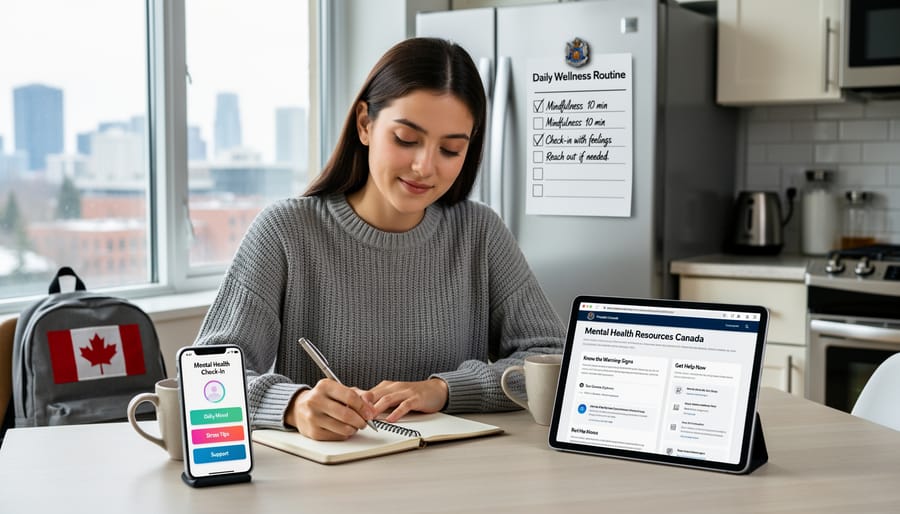
Digital mental health tools can be powerful allies when used thoughtfully alongside services like 988. Start by saving the 988 number in your phone contacts right now—adding it under “988 Crisis Line” makes it easily accessible during difficult moments when searching for help might feel overwhelming. Consider sharing this number with trusted friends and family members as well.
Create a personalized mental health action plan that includes the 988 number as your crisis resource. This plan should outline your early warning signs, such as persistent sadness, withdrawal from activities, changes in sleep or appetite, or thoughts of self-harm. Document what helps you feel better—whether that’s talking to specific people, engaging in certain activities, or using grounding techniques. Keep this plan visible, perhaps on your phone or posted somewhere private at home.
Integrate digital mental health tools into your daily routine before crises occur. Mental health apps for mood tracking, meditation, or cognitive behavioral therapy exercises can help you build awareness of your patterns and triggers. Regular use of these tools supports building resilience and may prevent situations from escalating.
Schedule regular mental health check-ins with yourself, just as you would for physical health. Weekly reflection on your emotional state helps you recognize when support might be needed. If you notice warning signs appearing, reach out early—988 counsellors can provide support before situations become crises.
Remember that using mental health technology, including crisis lines, is a sign of strength, not weakness. These tools work best when viewed as part of your overall wellness strategy. By preparing ahead and familiarizing yourself with available resources, you’re taking important steps toward protecting your mental health and ensuring help is always within reach.
Access to mental health support can truly save lives, and the 988 crisis line represents a significant step forward in making help more accessible for all Canadians. This three-digit number removes barriers during moments of crisis, when every second counts and remembering a lengthy number might feel overwhelming. Whether you’re experiencing a mental health emergency or concerned about someone you care about, having this simple number readily available provides a vital lifeline.
Take a moment today to save 988 in your phone and share it with family members, friends, and colleagues. You never know when someone might need this information, and your simple act of sharing could make all the difference in someone’s darkest moment.
Remember that reaching out for support is never a sign of weakness—it demonstrates courage, self-awareness, and a commitment to your wellbeing. Mental health challenges can affect anyone, and seeking help is a positive step toward healing and recovery. The trained professionals available through 988 are there to listen without judgment and connect you with appropriate resources.
Your mental health matters just as much as your physical health. Don’t wait for a crisis to prioritize your emotional wellbeing. Whether you use 988, connect with a healthcare provider, or explore other mental health resources, taking that first step toward support is what counts.