
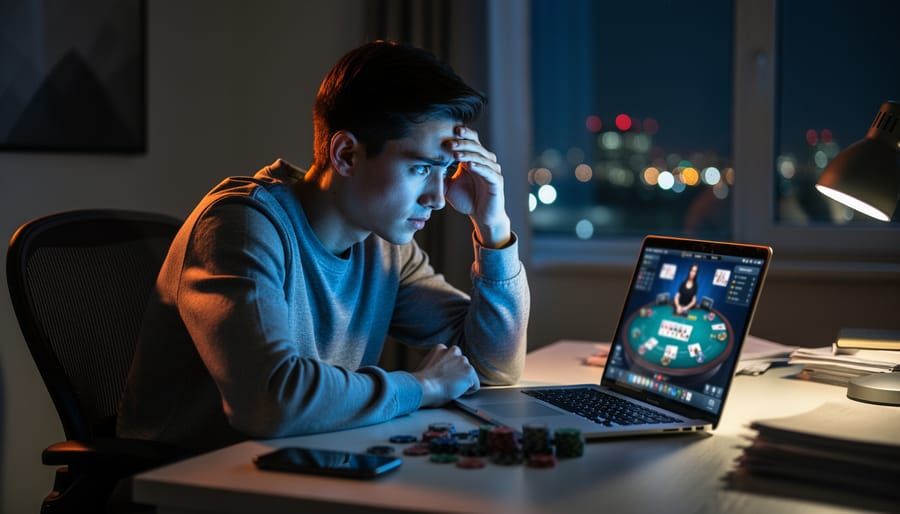
Recognize the immediate warning signs: spending more time or money than intended on platforms like jqk bet, feeling anxious when not playing, or using live casino games to escape stress or negative emotions. These behaviors signal that interactive gambling features may be affecting your mental wellbeing and require honest self-assessment.
Set firm boundaries before engaging with live casino environments. Establish strict time limits, deposit caps, and loss thresholds in advance, treating these as non-negotiable commitments to yourself. Live dealer games create social pressure and real-time decision-making scenarios that can override rational planning, making pre-set limits essential for maintaining control.
Monitor your emotional state during and after sessions. Live casino features are specifically designed to trigger dopamine responses through real-time interaction, chat functions, and the presence of actual dealers. If you notice mood swings, irritability when losing, or feelings of euphoria that seem disproportionate to wins, these are red flags indicating potential impact on your mental health.
Understand that live casino platforms use psychological tactics including social validation through other players, time pressure from live action, and the illusion of skill in chance-based games. This knowledge empowers you to recognize manipulation techniques and make more informed decisions about participation.
The connection between live casino engagement and mental health deserves serious attention, as emerging research in Canada shows concerning patterns among regular users, particularly regarding anxiety, depression, and addictive behaviors.
What Makes Live Casino Features Different from Traditional Online Gaming
Live casino features represent a significant evolution from traditional online gaming, creating an experience that more closely mirrors the atmosphere of physical casinos. Understanding these differences is important when considering how they might affect your mental health and overall wellbeing.
Unlike standard online casino games that use random number generators and computer graphics, live casinos stream actual dealers in real-time through high-definition video. You’re watching real cards being shuffled and dealt, real roulette wheels spinning, and genuine human dealers interacting with players. This creates a sense of authenticity that can feel more trustworthy and engaging than animated games.
The interactive elements set live casinos apart significantly. Chat functions allow you to communicate directly with dealers and other players, creating a social dimension that traditional online gaming lacks. You can ask questions, share reactions, and experience the game alongside others, which can reduce feelings of isolation but may also intensify emotional investment in outcomes.
The real-time nature of live gaming means decisions happen in the moment, similar to physical casinos. There’s less opportunity to pause and reflect compared to standard online games where you control the pace entirely. This immediacy can heighten excitement and adrenaline responses, potentially making it harder to maintain emotional distance from wins and losses.
The professional production quality, including multiple camera angles and immersive audio, creates a more absorbing environment. While this enhanced realism can make the experience more enjoyable, it can also make it easier to lose track of time and spending, which is why understanding these features matters for making informed choices about your gaming habits.

The Psychological Appeal of Live Casino Features
Social Interaction and Connection
Live casino features offer a unique social dimension that can provide meaningful human connection for some players. Unlike automated online games, live casinos include real-time interaction with professional dealers and fellow players through chat functions, creating a sense of community and shared experience.
For individuals experiencing social isolation—whether due to geographic location, mobility challenges, health concerns, or life circumstances—these interactions can help fulfill basic social needs. The casual conversation with dealers and other participants provides light social engagement without the pressure of in-person gatherings. Research suggests that even brief, friendly exchanges can positively impact mood and reduce feelings of loneliness.
However, it’s important to recognize that while live casino interactions can supplement social connection, they shouldn’t replace meaningful relationships with family, friends, or community groups. Mental health experts emphasize that diverse social networks and face-to-face connections remain essential for overall wellbeing.
If you’re using live casinos primarily for social interaction, consider whether this pattern indicates a gap in your social life that might be better addressed through community programs, support groups, or mental health services available across Canada. Balance is key—these platforms can offer enjoyable social moments but work best as one component of a well-rounded social life.
The Dopamine Response and Reward Systems
Live casino gaming activates your brain’s reward system in powerful ways. When you experience a win or even a near-miss, your brain releases dopamine, a neurotransmitter associated with pleasure and motivation. Research shows that variable reward schedules, where wins are unpredictable, create stronger dopamine responses than consistent rewards. This is the same mechanism that makes slot machines particularly engaging.
Real-time features intensify this response. The live dealer interaction, immediate feedback, and social elements create multiple dopamine triggers within a single gaming session. Near-misses, where you almost win, are especially impactful because your brain processes them similarly to actual wins, maintaining engagement even during losses.
Over time, repeated dopamine spikes can lead to habit-forming patterns. Your brain begins associating the gaming environment with anticipated pleasure, making it harder to resist the urge to play. This doesn’t mean everyone who plays will develop problematic patterns, but understanding these mechanisms helps you recognize early warning signs.
Being aware of how your brain responds to these features empowers you to make informed choices about your gaming habits and set boundaries that protect your mental wellbeing.
Escapism and Stress Relief
Live casino environments offer engaging, immersive experiences that can temporarily distract from daily pressures. For some Canadians, the social interaction with dealers and other players provides a brief mental break, similar to watching a movie or playing video games. This temporary escapism isn’t inherently harmful when balanced with other activities and responsibilities.
However, relying on live casinos as a primary coping mechanism can signal problematic use. Warning signs include increasing time spent gambling to feel relaxed, neglecting personal relationships or work obligations, or feeling anxious when unable to play. When escapism becomes avoidance of underlying issues like chronic stress, anxiety, or depression, it’s time to seek support. Healthy mental health strategies involve diverse coping tools, including physical activity, social connections, and professional support when needed. If you notice gambling replacing healthier stress relief methods, consider speaking with a healthcare provider about developing a more balanced approach to managing life’s challenges.
Potential Mental Health Risks Associated with Live Casino Features
Increased Risk of Problem Gambling Behaviors
The immersive features of live casinos can significantly accelerate problem gambling behaviors. Unlike traditional online gambling, live dealer games create an engaging social environment that can make it harder to recognize when play becomes problematic. The convenience of 24/7 access from home removes natural barriers that once helped limit gambling frequency.
Canadian research shows concerning trends. While comprehensive national data on live casino-specific gambling is still emerging, studies indicate that online gambling participation has increased substantially, with approximately 10% of regular online gamblers showing signs of problem gambling. The interactive nature of live casinos, combined with features like real-time chat and personalized dealer interactions, can trigger emotional responses that override rational decision-making.
The rapid pace of live games means losses accumulate quickly, and the ability to immediately deposit more funds removes the cooling-off period that physical travel to a casino provides. For individuals already vulnerable to addictive behaviors, these features can transform occasional play into compulsive patterns within months rather than years. The social validation from dealers and other players can also normalize excessive betting, making it difficult to maintain previously set limits or recognize warning signs of developing gambling problems.
Anxiety and Depression Links
Research shows a complex, two-way relationship between live casino gambling and mental health conditions like anxiety and depression. Individuals experiencing anxiety or depression may turn to gambling as a way to escape negative feelings or seek excitement, but this coping strategy often backfires. The temporary relief gives way to increased stress when losses occur, creating a harmful cycle.
On the flip side, problematic gambling behaviors can trigger or worsen anxiety and depression. The financial strain, relationship conflicts, and feelings of shame associated with gambling losses contribute significantly to declining mental health. Studies indicate that people with gambling problems are up to three times more likely to experience depression compared to non-gamblers.
The immersive nature of live casino features intensifies this connection. Real-time interactions and continuous play opportunities can make it harder to step away, increasing exposure to both wins and losses that fuel emotional highs and lows. This volatility makes building stress resilience essential for anyone engaging with these platforms.
Recognizing these interconnected patterns is the first step toward healthier choices. If you notice gambling affecting your mood or using gambling to manage difficult emotions, speaking with a healthcare provider can provide valuable support and intervention strategies.
Sleep Disruption and Cognitive Impact
The round-the-clock availability of live casino platforms can significantly disrupt natural sleep cycles, creating cascading effects on mental wellbeing. The stimulating nature of live gameplay, combined with flashing lights, sounds, and the excitement of real-time interaction, triggers alertness when the body should be winding down. Many Canadians find themselves playing late into the night, delaying bedtime and reducing total sleep duration. This disruption affects the critical connection between sleep and mental health, leading to impaired decision-making, increased impulsivity, and difficulty regulating emotions. Sleep deprivation particularly impacts the prefrontal cortex, the brain region responsible for rational thinking and risk assessment, making users more vulnerable to poor gambling choices and chasing losses. Setting strict time limits, using blue light filters, and establishing a gaming curfew at least two hours before bedtime can help protect your sleep schedule and cognitive functioning.
Financial Stress and Its Mental Health Consequences
Financial losses from live casino gambling can trigger significant mental health challenges that extend far beyond monetary concerns. When gambling expenses exceed budgets, individuals often experience persistent anxiety, depression, and overwhelming feelings of shame or guilt. Research indicates that problem gamblers are at substantially higher risk for mood disorders and suicidal thoughts compared to the general population.
The stress of mounting debts creates a cascading effect on overall wellbeing. Sleep disturbances, difficulty concentrating at work, and physical symptoms like headaches or digestive issues frequently accompany financial strain. Many people attempt to hide their losses from loved ones, leading to isolation and damaged trust in relationships. Partners and family members may discover unexplained withdrawals or debt, causing conflict and emotional distress throughout the household.
Financial pressure can also create a harmful cycle where individuals gamble more in hopes of recovering losses, deepening both financial and psychological distress. If you’re experiencing gambling-related financial stress, speaking with a healthcare provider or contacting a problem gambling helpline can provide confidential support and practical resources for financial counseling and mental health services available across Canada.
Potential Positive Effects When Engaged Responsibly
Entertainment and Leisure Value
When enjoyed responsibly, live casino games can serve as a legitimate form of entertainment that fits into a healthy, balanced lifestyle. Much like enjoying a movie night or dining out, recreational gambling can provide relaxation and social connection when proper boundaries are in place. The key is treating it as occasional leisure rather than a primary source of income or emotional fulfillment.
Setting clear limits before you play helps maintain this balance. Decide in advance how much time and money you’re comfortable spending, and stick to those limits regardless of wins or losses. Many Canadians successfully incorporate live casino entertainment into their routine by scheduling specific times for play, similar to how they might plan other hobbies.
For the activity to remain recreational, it should complement other aspects of your wellness routine, including physical activity, social relationships, and stress management practices. If gambling begins to interfere with work, relationships, or self-care activities, it’s time to reassess. Remember that healthy entertainment leaves you feeling refreshed rather than stressed or financially strained, and should never compromise your overall mental or physical wellbeing.
Social Engagement Opportunities
For some Canadians, live casino platforms can offer genuine social connection when used in moderation as part of a balanced lifestyle. These features provide real-time interaction with professional dealers and other players through chat functions, creating opportunities for casual conversation and shared experiences. Research suggests that positive social interactions, even in digital environments, can contribute to emotional well-being by reducing feelings of isolation.
Live casino games may particularly benefit individuals with limited mobility, those living in remote areas, or people with social anxiety who find face-to-face interactions challenging. The structured environment allows for social engagement at a comfortable pace without the pressure of in-person gatherings.
However, it’s important to recognize that live casino interactions should complement, not replace, in-person relationships and other forms of social activity. Mental health experts recommend viewing these platforms as one of many social outlets rather than a primary source of connection. Setting time limits and maintaining diverse social activities—such as joining community groups, volunteering, or participating in recreational sports—ensures a well-rounded approach to social wellness. When used mindfully alongside other healthy habits, live casino features can be part of a balanced social life for some individuals.
Recognizing Warning Signs of Unhealthy Engagement
Recognizing when live casino engagement shifts from occasional entertainment to something affecting your wellbeing is an important step in maintaining balance. Mental health experts have identified several warning signs that deserve attention.
One of the earliest indicators is changing time patterns. Notice if you’re spending longer periods than intended at live casino tables, frequently losing track of time during sessions, or feeling compelled to play at specific times throughout the day. Playing during work hours, late into the night, or prioritizing casino sessions over social commitments can signal problematic engagement.
Financial red flags are particularly significant. Warning signs include spending more money than you budgeted, chasing losses by increasing bet sizes, borrowing money to fund casino activities, or experiencing anxiety about finances related to gambling. If you find yourself hiding expenses from family members or feeling stressed about bank account balances, these warrant serious consideration.
Emotional changes often accompany unhealthy engagement patterns. Watch for increased irritability when unable to play, feelings of restlessness or anxiety between sessions, mood swings tied to winning or losing, or using live casino play as a primary way to manage stress or negative emotions. Depression, guilt, or shame about gambling habits are particularly important indicators.
Behavioral shifts can include neglecting responsibilities at work or home, withdrawing from friends and family, losing interest in previously enjoyed hobbies, or becoming secretive about online activities. Some individuals notice they’re thinking about casino games even when not playing, planning future sessions, or replaying past hands mentally.
Physical symptoms may develop as well, including disrupted sleep patterns, changes in appetite, fatigue from extended screen time, or stress-related headaches.
If you recognize three or more of these signs in yourself or someone you care about, consider reaching out to a healthcare provider or connecting with support resources. Early recognition creates opportunities for positive change and helps maintain both mental health and financial wellbeing.

Practical Strategies for Protecting Your Mental Health
Set Clear Boundaries Before You Start
Before engaging with live casino platforms, take concrete steps to protect your wellbeing. Start by setting a strict time limit—experts recommend no more than 30-60 minutes per session, two to three times weekly at most. Use your phone’s timer or built-in app limiters to enforce these boundaries automatically.
Financial limits are equally important. Decide on a fixed amount you can comfortably afford to lose each month, treating it as entertainment spending rather than investment. Canadian mental health professionals suggest setting this limit at less than 5% of your discretionary income. Pre-load only this amount onto your account, and never link credit cards or lines of credit to casino platforms.
Write down your limits and share them with a trusted friend or family member for accountability. Many provincial gambling sites offer self-exclusion tools and deposit limits—activate these features immediately upon registration. Remember, establishing boundaries isn’t about restricting fun; it’s about ensuring your gaming remains recreational and doesn’t compromise your financial security or emotional health.
Use Built-In Responsible Gaming Tools
Most Canadian online casinos offer practical tools designed to help you maintain control over your gaming habits. Deposit limits allow you to set daily, weekly, or monthly spending caps, creating a clear financial boundary before you begin playing. Session timers can remind you when you’ve been playing for a predetermined amount of time, helping you stay aware of how long you’re engaged. These gentle nudges support mindful decision-making rather than impulse-driven behavior.
Self-exclusion options provide a more comprehensive break when needed. You can temporarily or permanently block access to your account, giving yourself space to reassess your relationship with gaming. Many platforms also offer reality check features that display pop-up notifications showing your current session length and spending. Taking advantage of these built-in safeguards demonstrates self-awareness and proactive self-care. Remember, using these tools isn’t a sign of weakness but rather a responsible approach to entertainment that prioritizes your mental wellness and financial health.
Monitor Your Emotional State
Regular emotional check-ins are essential when engaging with live casino platforms. Before, during, and after each session, pause to ask yourself: Am I playing for entertainment, or am I trying to escape difficult feelings? Notice if you’re gambling when stressed, anxious, lonely, or depressed—these patterns suggest unhealthy coping mechanisms.
Watch for warning signs like increased irritability when not playing, neglecting responsibilities, or feeling guilty about your gambling habits. If you find yourself chasing losses or gambling longer than intended, these are red flags requiring immediate attention.
Create a simple self-assessment routine. Set phone reminders to check your mood and motivations. Practice breathing exercises before logging in to ensure you’re in a calm, clear headspace. Keep a brief journal noting your emotional state and reasons for playing.
If gambling consistently becomes your go-to response to negative emotions, it’s time to seek healthier alternatives and consider speaking with a mental health professional who can help develop more sustainable coping strategies.
Maintain Balance in Your Life
Maintaining balance is essential for protecting your mental health while enjoying live casino activities. Prioritize time with family and friends, as strong social connections provide emotional support and perspective. Engage in regular physical activity, which research shows reduces stress and improves mood. Consider activities like walking, swimming, or yoga that help you unwind naturally. Make time for hobbies unrelated to gambling, whether it’s reading, cooking, or creative pursuits. These diverse interests keep your life enriching and prevent over-focus on any single activity. Practice proven stress management techniques such as deep breathing exercises, meditation, or mindfulness. If you notice gambling affecting your sleep, relationships, or daily responsibilities, reach out to your healthcare provider or contact resources like ConnexOntario for confidential support tailored to Canadians.
Canadian Resources and Support for Gambling-Related Mental Health Concerns
If you or someone you care about is experiencing challenges with gambling, reaching out for support is a positive step toward wellness. Canada offers numerous accessible resources designed to provide compassionate, evidence-based help without judgment.
The national Problem Gambling Helpline (1-866-531-2600) operates 24/7, offering confidential support in multiple languages. This service connects you with trained counselors who understand gambling-related mental health concerns. Additionally, exploring Canadian mental health resources can provide broader support for emotional wellbeing.
Provincial resources include ConnexOntario (1-866-531-2600) for Ontario residents, Alberta Health Services Addiction Helpline (1-866-332-2322), and Gambling Support BC (1-888-795-6111). These services offer assessment, counseling, and referrals to specialized treatment programs.
Many communities provide free in-person support through organizations like Gamblers Anonymous, which offers peer-led meetings across Canada. Mental health professionals specializing in gambling disorders can provide individual therapy using proven approaches like cognitive-behavioral therapy.
Online resources include self-assessment tools, educational materials, and chat-based support available through provincial health websites. Many services now offer virtual counseling, making treatment more accessible regardless of location.
Remember that seeking help demonstrates strength and self-awareness, not weakness. Recovery is possible, and these services exist specifically to support your journey toward healthier habits and improved mental wellbeing. Whether you’re concerned about your own gambling behavior or supporting a loved one, these resources provide judgment-free assistance tailored to your needs.

Understanding the mental health implications of live casino features is an important step toward making informed choices about your entertainment and wellbeing. The immersive nature of these platforms, with their social elements and real-time interactions, can offer enjoyable experiences for many people. However, the same features that make them engaging can also present risks for vulnerable individuals or those without clear boundaries in place.
The key to a healthy relationship with live casino gaming lies in self-awareness and honest reflection about your habits. Regularly checking in with yourself about how much time and money you’re spending, how gaming makes you feel afterward, and whether it’s interfering with other important areas of your life can help you catch potential problems early. These platforms are designed to be engaging, and there’s no shame in recognizing when something might be affecting your mental health negatively.
If you notice signs of problematic gaming patterns, such as chasing losses, feeling anxious when not playing, or neglecting responsibilities, reaching out for support is a sign of strength, not weakness. Canadian resources are available to help you navigate these challenges, and speaking with a healthcare provider or counselor can provide valuable perspective and strategies.
Remember that making healthy choices about gaming is an ongoing process, not a one-time decision. Trust your instincts, set boundaries that protect your wellbeing, and know that support is always available when you need it.